Ford
Ford builds America's best-selling trucks and a growing EV lineup. Browse our reviewed Ford models.
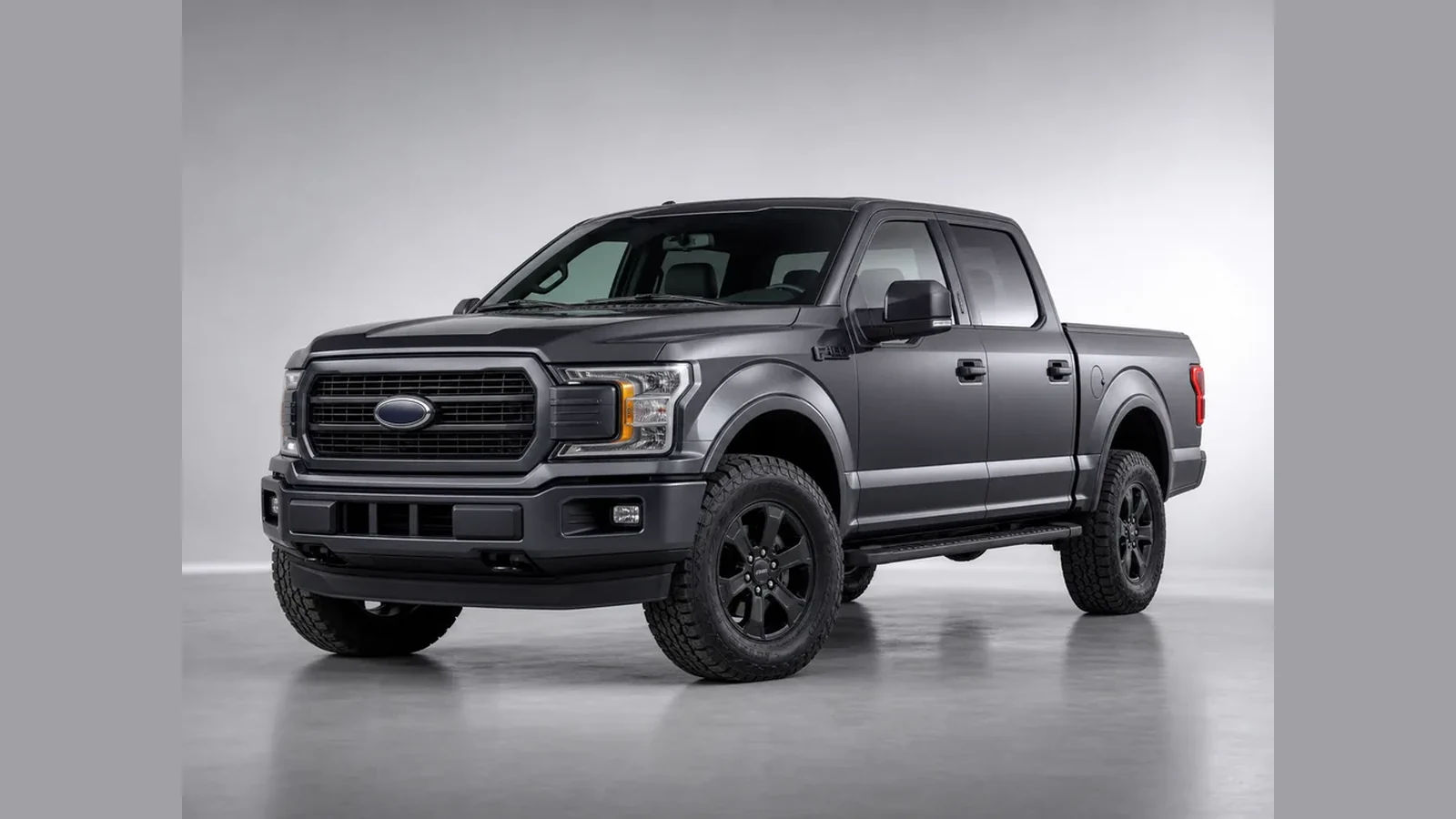
Ford F-150
F-150 · $38,000 - $80,000The Ford F-150 is America's best-selling vehicle for good reason: a wide engine lineup, class-leading towing…
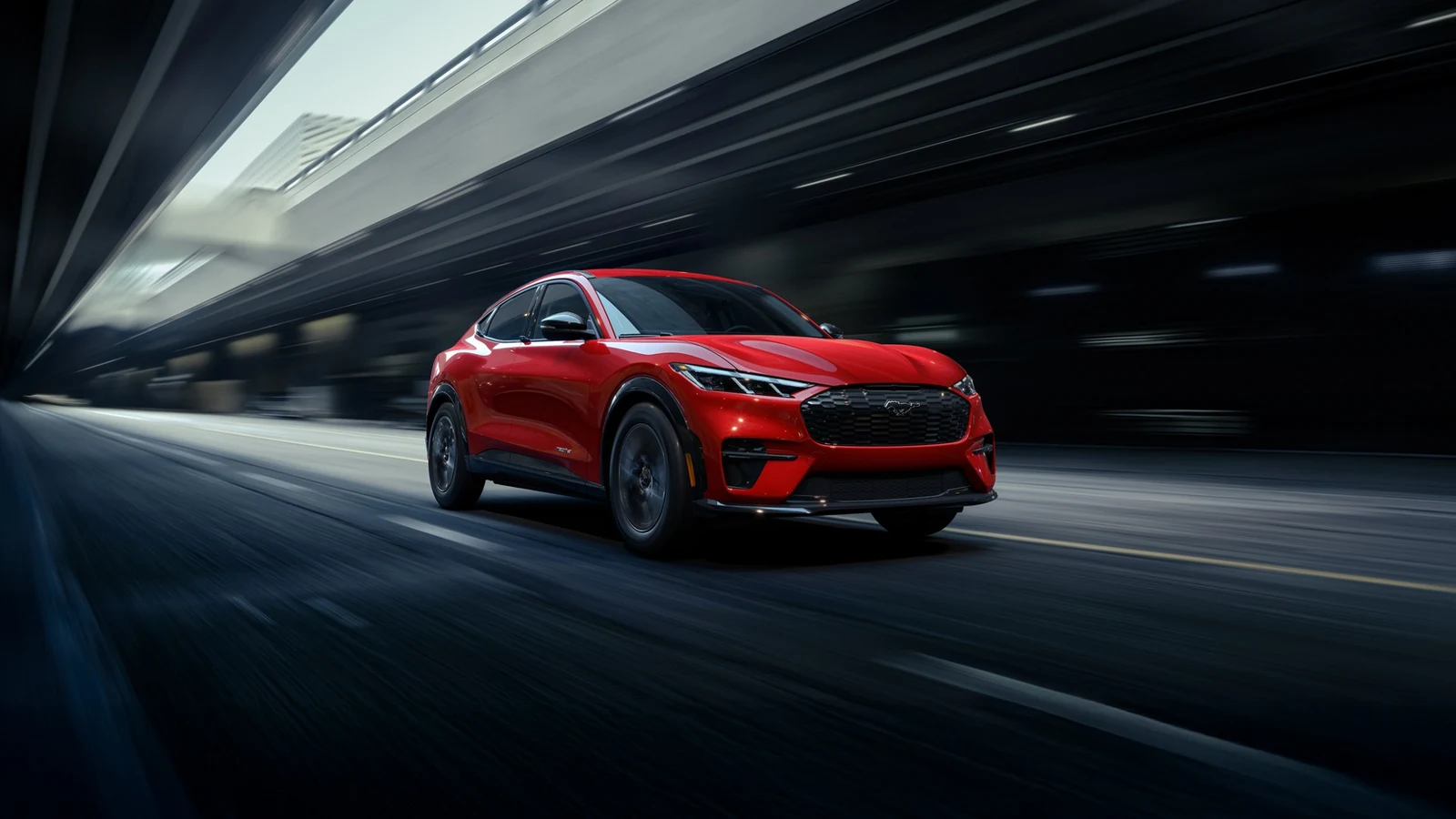
Ford Mustang Mach-E
Mustang Mach-E · $37,795 - $53,395The Ford Mustang Mach-E is the electric crossover for shoppers who want EV range without a Tesla-style cabin…
Ford splits its buyers more sharply than almost any brand in America. On one side sits the F-150, the full-size pickup that has led truck sales for decades.
On the other sits the Mustang Mach-E, an electric SUV that trades the gas station for a wall plug. Almost nobody cross-shops the two, so the real question is which kind of Ford buyer you are.
The F-150 anchors everything Ford sells
The Ford F-150 is the reason the badge carries weight. It has led full-size pickup sales in the United States for decades and remains the truck every rival is measured against.
What keeps it on top is breadth: one nameplate covers a stripped work-site base truck and a leather-lined family hauler.
Engine choice is the F-150's real edge.
Ford offers a base V6 for light duty, turbocharged EcoBoost V6s for serious towing, a V8 for buyers who still want one, and a PowerBoost hybrid that doubles as an onboard generator.
Match the engine to your towing and payload needs and the F-150 does more jobs than any single rival truck. Properly equipped, it tows well over 10,000 pounds and carries more than a half-ton in the bed.
Pricing runs as wide as the lineup, from around $38,000 for a work-ready base truck to more than $80,000 for a loaded trim. See where it lands among other full-size pickups.
The Mach-E is a serious EV, not a side project
The Ford Mustang Mach-E is Ford's bet that the Mustang name can sell an electric crossover, and it works better than the borrowed badge suggests. It is a five-seat SUV with EPA range from 240 to 320 miles depending on the battery and drivetrain you pick.
Range is the number that decides an EV, and the longer-battery Mach-E versions clear 300 miles, enough to settle most range worry for a commuter who charges at home.
Home charging is what makes the Mach-E cheap to run: plug in overnight and you start most days with a full battery and skip the pump entirely.
On a road trip it uses DC fast charging, and Ford EV owners now tap the Tesla Supercharger network, the widest fast-charging option in the country.
Pricing runs from about $37,795 to $53,395, which puts it among the more affordable long-range electric SUVs. Weigh it against rivals on our best electric cars list, or browse the full electric lineup.
Two Fords, two very different buyers
Nothing about the F-150 and the Mach-E overlaps except the blue oval. One burns gas to tow and haul, the other runs on electrons to commute cheaply.
Pick by the job in front of you, not the badge on the grille.
| Model | Best for | Powertrain |
|---|---|---|
| F-150 | Towing, hauling, work | Gas or hybrid |
| Mustang Mach-E | Low-cost commuting, home charging | Electric |
If you tow a trailer, carry tools, or need a bed, the F-150 is your Ford. If you drive a fixed daily commute and can charge at home, the five-seat Mach-E cuts your fuel bill to a fraction of what the truck costs.
Gas truck or electric SUV: what each costs to run
The running-cost gap between these two Fords is huge. A gas F-150 rated at 18 mpg city and 24 highway drinks fuel, and a heavy towing day drops that figure fast.
That is the price of real capability.
The Mach-E flips the math. Charged at home, it covers on a few dollars of electricity the same miles that would burn a gallon or more in the truck.
Pros
- F-150 tows and hauls what no EV here can touch
- F-150 refuels anywhere in minutes
- Mach-E costs far less per mile on home charging
- Mach-E needs no oil changes or exhaust work
Cons
- F-150 fuel bills climb fast under load
- Mach-E stays cheap only with reliable charging access
Buy the F-150 for capability you will actually use, and the Mach-E only if you can charge at home. Without a home plug the Mach-E loses most of its cost advantage over a gas car.
Reliability: check the record before you buy
Ford reliability swings more by model than it does at Toyota or Honda, so buy on the specific truck's record rather than the brand's overall name. The F-150 is the most-studied vehicle Ford builds, and its long production run means known issues and their fixes are well documented.
Read the F-150 reliability record before you sign, paying close attention to the EcoBoost and hybrid powertrains, which add complexity over the plain V6. On a truck you plan to keep and work hard, the reliability record matters more than any single spec on the window sticker.
Where a rival might suit you better
Ford is strong at the extremes and thin in the middle.
If you want a full-size pickup, cross-shop the F-150 against other pickup trucks first, because the segment is close and rivals trade the lead on price and payload.
If you want an electric SUV, weigh the Mach-E against other long-range EVs on the best electric cars list, since range and charging access differ sharply between them.
For a buyer who wants a small, cheap gas commuter car, Ford's current US lineup no longer has an obvious answer, and a mainstream sedan brand will suit you better.
How we review Fords
Every Ford profile here is scored on the same measures as its rivals: real fuel economy or electric range, towing and payload where they matter, reliability history, and five-year cost to own. We read EPA mpg and range figures alongside NHTSA safety data and long-term reliability records, and a reviewing expert signs off on the buying advice before it goes live.
Start with the model that fits your job, the F-150 for work or the Mach-E for a low-cost commute, and check its reliability record before you buy.
Frequently Asked Questions
Is the Ford F-150 good for towing?
How far can the Ford Mustang Mach-E go on a charge?
Should I buy the Ford F-150 or the Mustang Mach-E?
Is a Ford reliable?
Can the Mustang Mach-E use Tesla Superchargers?
See how Ford stacks up
Put these models against their rivals side by side, then read the full research-first review before you buy.
Compare cars