What the F-150 can actually tow and haul
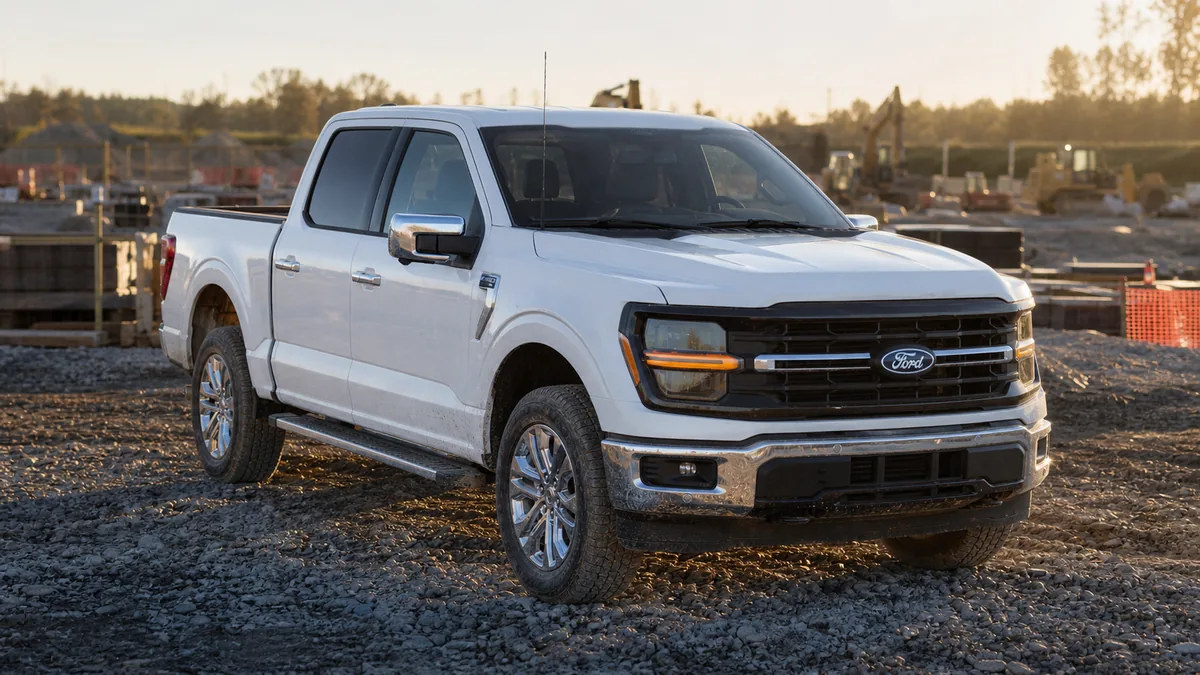
Most F-150 purchases come down to two numbers, so start there. A properly equipped F-150 tows up to 13,500 pounds and carries up to 2,440 pounds of payload, which sits near the top of the full-size class.
Those peaks belong to specific builds, not to every truck on the lot. Maximum towing comes with the 3.
5L EcoBoost and the heavy tow package, while maximum payload often lands on a plainer truck rather than a loaded one.
The number that actually governs your truck is on the door-jamb sticker. It lists payload for that exact VIN after options are counted, and a four-wheel-drive crew cab with every box ticked can carry hundreds of pounds less than a basic work truck.
Payload is where buyers get caught.
Trailer tongue weight, passengers, tools, and bed cargo all come out of that one number, so a truck with plenty of engine can still be the wrong tow vehicle if the sticker is low.
If towing is the reason you are buying, ask for the payload and tow rating of the exact VIN before you fall for a discount.
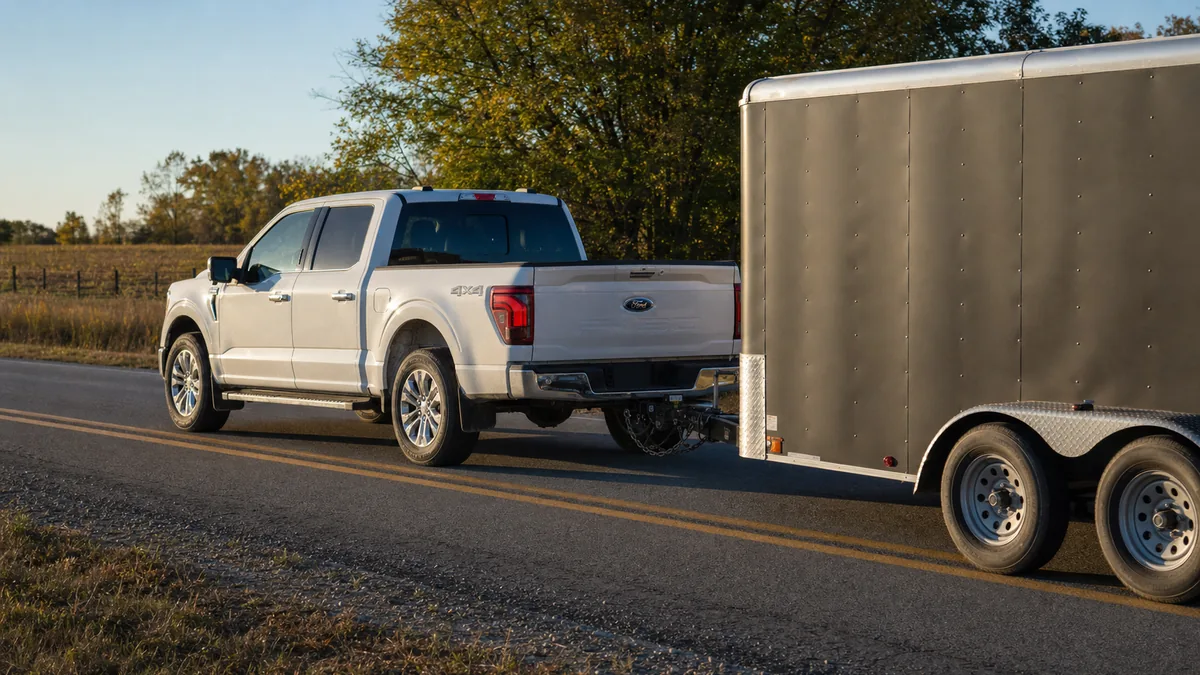
Towing also leans on axle ratio, cooling, wheelbase, tires, and the trailer brake controller, not engine output alone. A truck with the right sticker and the factory tow package will out-work a stronger engine that was never set up for the job, so match the hardware to the trailer before you shop trim levels.
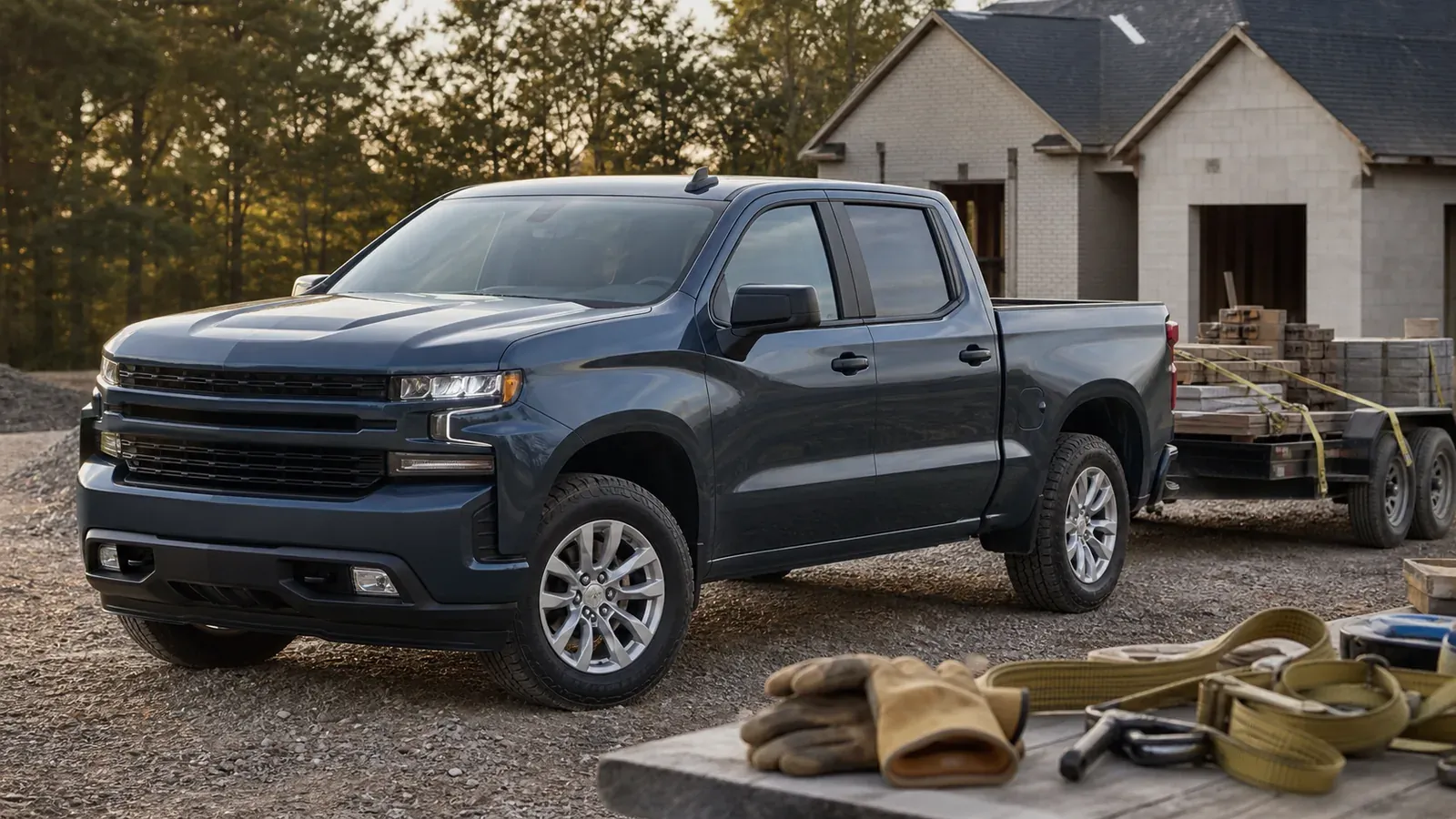
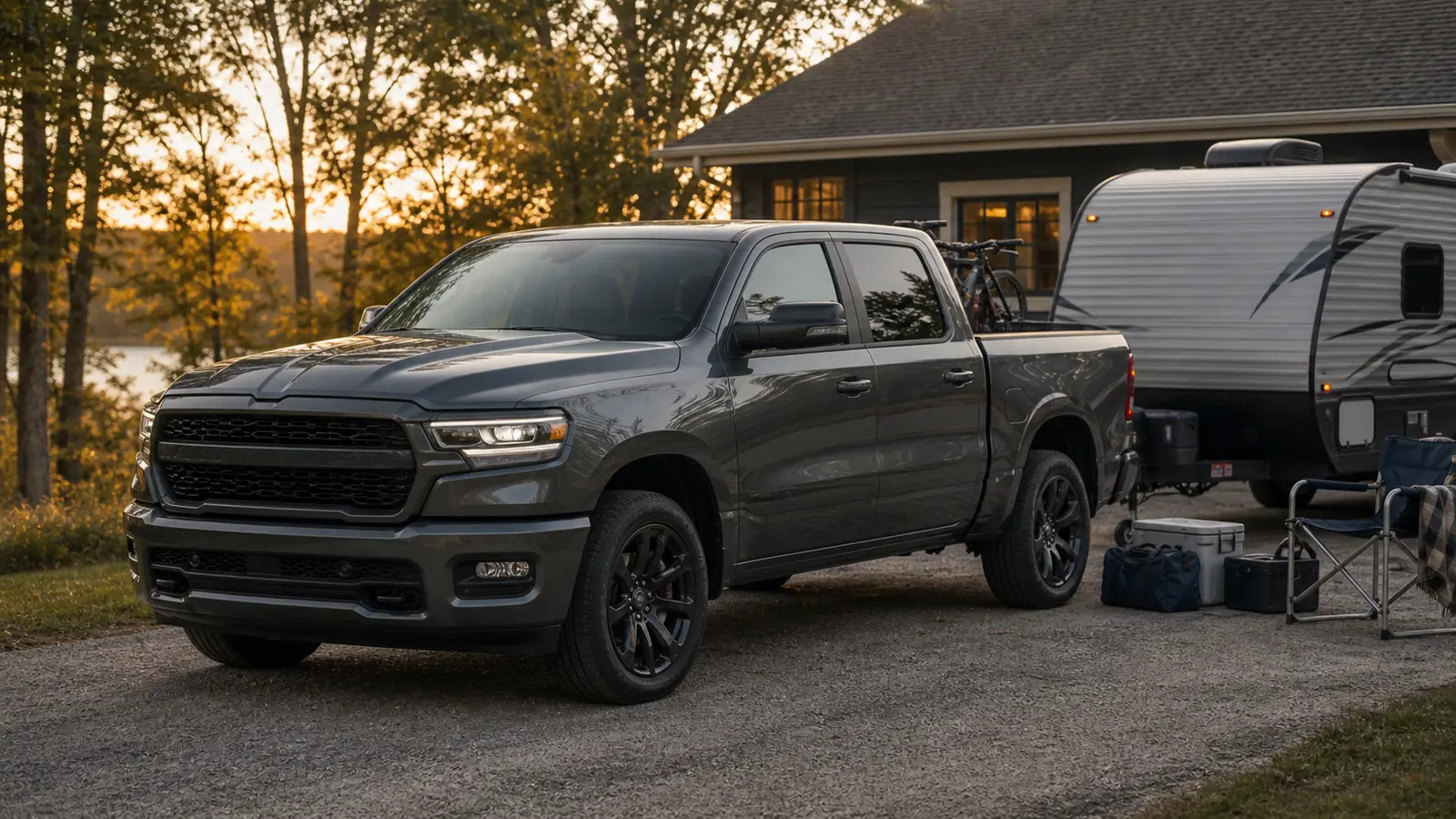
On the strongest builds the F-150 out-tows and out-hauls the Chevrolet Silverado and Ram 1500, though each rival wins on specific configurations, so scan the wider full-size pickup field before you commit.
Two ratings decide whether a setup is even legal. GVWR caps what the loaded truck can weigh, and GCWR caps the truck and trailer together.
The factory tow package adds an integrated brake controller and Pro Trailer Backup Assist, which turn a heavy trailer from stressful into routine.
Which F-150 engine fits your use
The engine moves cost, capability, and long-term risk more than any other F-150 choice, and four options cover very different drivers.
| Engine | Best use | Watch for |
|---|---|---|
| 2.7L EcoBoost V6 | Daily driving and light towing | Turbo complexity as miles climb |
| 5.0L V8 | Simple long-term ownership | Fuel use and some noise complaints |
| 3.5L EcoBoost V6 | Frequent, heavy towing | Rewards disciplined maintenance |
| PowerBoost hybrid | Worksite power and torque | More systems to inspect on a used truck |
The 2. 7L EcoBoost is the quiet value pick.
It is strong enough for a family and a light trailer, and it returns the best gas economy in normal driving. The 5.
0L V8 trades a few miles per gallon for the longest and simplest track record, which is why many buyers still choose it on feel alone.
The 3. 5L EcoBoost is the tow champion and the engine behind that 13,500 pound rating, but hard towing asks for strict maintenance.
The PowerBoost hybrid adds the most low-end torque plus the onboard generator covered in the next section.
Real-world economy separates these more than the window sticker suggests. The turbo V6 engines can drink fuel under load, so a 3.
5L that tows every week may cost more to run than a 5. 0L that mostly commutes.
For a buyer who tows now and then, the 2. 7L is enough truck, and you should step up to the 3.
5L only when you regularly pull close to the limit.
For the bigger picture on fuel strategy, the gas engine hub groups the traditional trucks and the hybrid hub covers PowerBoost and its rivals. In normal driving the gas V6 engines return high-teens to low-20s combined mpg, and the V8 sits a step below that.
The 2. 7L feels effortless in town because its torque arrives early, while the 3.
5L simply pulls harder everywhere.
The catch with either turbo is that hard, loaded miles erase the paper economy, so how you drive matters more than the window sticker.
How to configure a cab, bed, and trim without overpaying
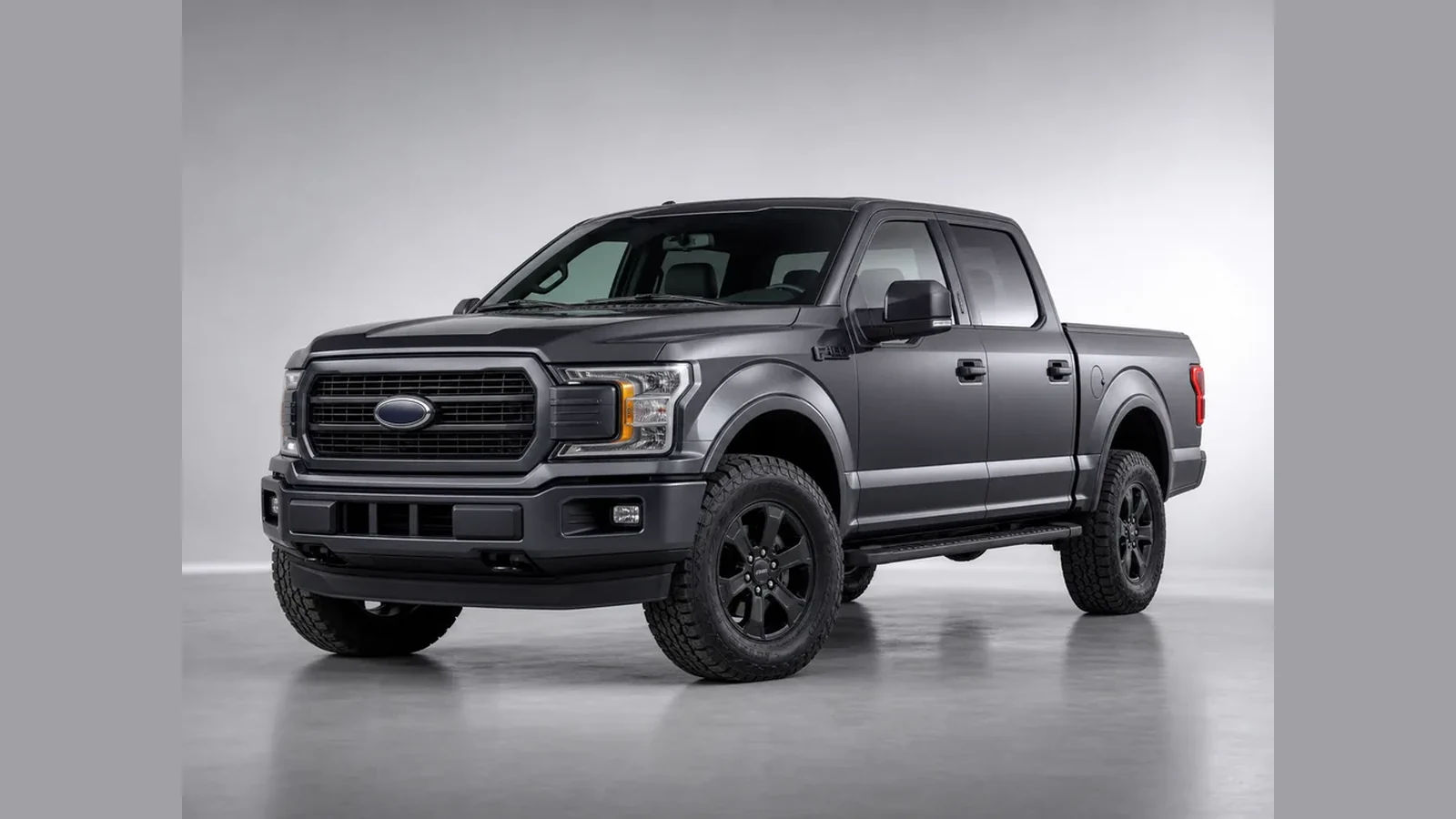
The F-150 is easy to overbuy because the lineup runs from a bare XL work truck to a near-luxury Platinum. Configuration, not the badge on the tailgate, should set the price.
Three bed lengths, 5.5, 6.5, and 8.0 feet, pair with cab styles from the two-door Regular Cab to the roomy SuperCrew. A shorter bed with a larger cab suits families, while a longer bed suits work that fills it.
The SuperCrew is the family default because the rear seat is genuinely adult-sized, but it forces the shorter bed on most trims.
Match the build to the job
- Daily driver and family
- SuperCrew, 5.5 ft bed, XLT
- Mixed work and home
- SuperCrew, 6.5 ft bed, Lariat
- Work first
- SuperCab, 8.0 ft bed, XL or XLT
Trims above Lariat mostly add comfort, not capability. If the truck exists to tow or haul, spend on the engine, the axle ratio, and the tow package before the leather and the twenty-inch wheels, because those big wheels also raise tire cost later.
The trim ladder climbs XL, XLT, Lariat, King Ranch, Platinum, and Limited, with the off-road Raptor on its own track.
The mainstream trims cover XL through Lariat and hold most of the value, while the premium trims add leather, larger screens, and active driver aids you may not need on a work truck.
The full Ford lineup shows where the pickup sits against the brand's cars and SUVs.
Cab choice sets the rear-seat reality, because a Regular Cab seats three, a SuperCab adds small rear doors and a tight bench, and a SuperCrew gives four adults real room, which is why families almost always land there.
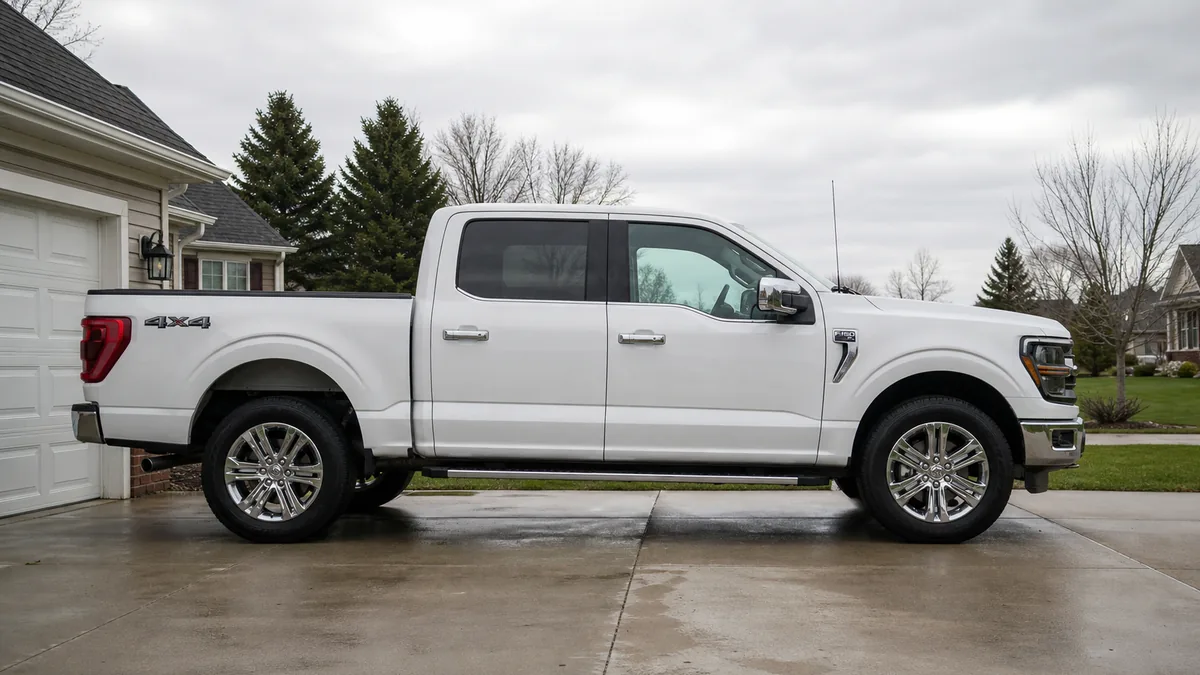
A crew cab can replace a large SUV for passengers, but it will not park or ride like one, and the bed stays exposed until you add a cover.
Think through groceries, sports gear, pets, and weather before assuming a pickup is automatically the more practical choice. A truck earns its keep through the bed, so a build that never uses the bed is usually the wrong build.
What Pro Power Onboard adds, and the hybrid case
One F-150 feature has no real answer from most rivals.
Pro Power Onboard turns the truck into a mobile generator, and on the PowerBoost hybrid it supplies up to 7.2 kilowatts, enough to run jobsite tools or a home's essentials during an outage.
Gas trims offer smaller 2.0 and 2.4 kilowatt versions, which still cover lights, chargers, and small tools.
The hybrid pairs that outlet with the lineup's best fuel economy and its strongest low-end torque for towing. It also costs more up front than a comparable gas engine, so the value depends entirely on use.
Think of the generator as the reason to buy, not the fuel savings. A contractor who runs tools off the bed or a rural buyer who loses power in storms gets daily use from it.
If you will never plug anything into the truck, a simpler engine is usually cheaper to own and one less system to inspect years later.
Real numbers size the feature.
The 7.2 kilowatt system can run a miter saw, an air compressor, and work lights at the same time, or keep a refrigerator, a furnace fan, and some lights alive during an outage for as long as there is fuel in the tank.
The smaller 2.0 and 2.4 kilowatt gas units suit phone chargers, a tailgate setup, or a couple of hand tools rather than a whole jobsite.
Reliability and the used-truck checks that matter
F-150 reliability is average for the full-size class, and the engine choice shifts the risk more than the model year does. A lightly used family 2.
7L is a very different bet from a high-mile 3. 5L that towed for a living, even in the same year.
- 2015 to 2020Aluminum-body generation brings weight savings and broad EcoBoost use
- 2021 to presentCurrent generation adds PowerBoost hybrid and Pro Power Onboard
- 2024 to 2026Updated trims and towing tech help, but configuration still decides the truck
The 5. 0L V8 has the longest clean record, while the EcoBoost engines are strong but add turbos and plumbing that reward careful maintenance.
Because trucks work harder than commuter cars, a clean record of oil changes, transmission service, coolant, and differential service matters more than a low odometer.
On a test drive, the 10-speed automatic is the part to feel. It should shift cleanly cold, warm, and under light throttle.
Harsh engagement, hunting between gears, or a delay when you select drive are reasons to walk away rather than details to excuse.
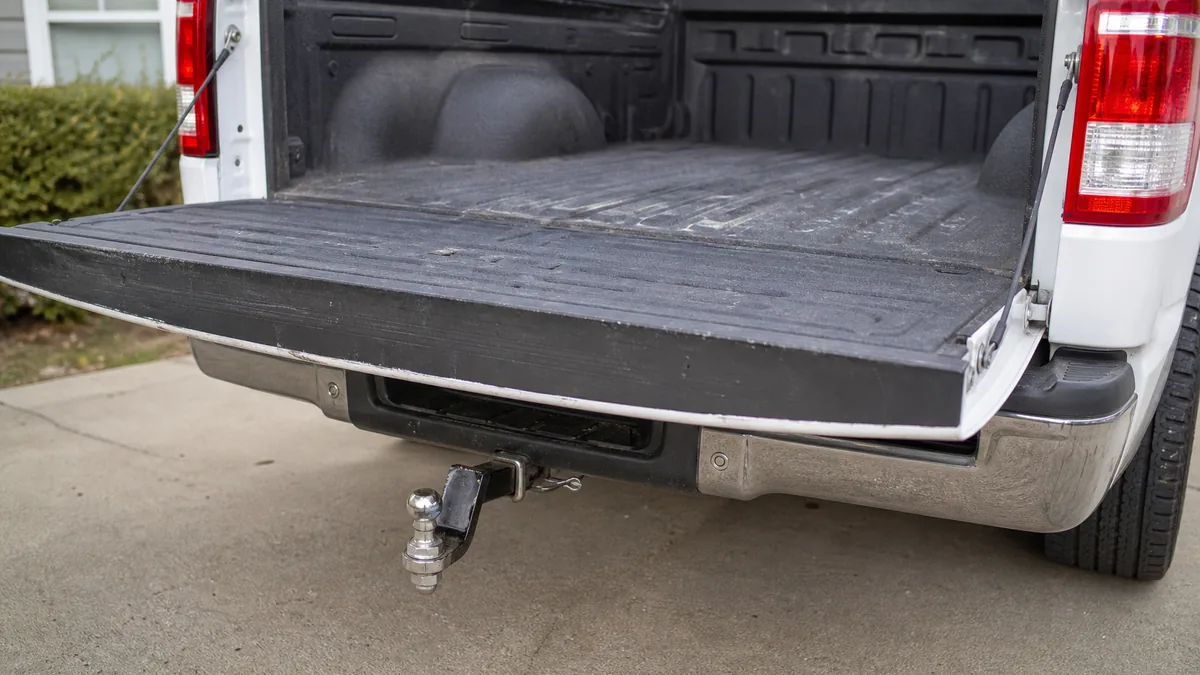
A truck hides its history in the bed, not the cabin. Check the bed floor, hitch, trailer plug, and tire wear for signs of hard towing, and confirm four-wheel drive engages if the truck has it.
For the year-by-year detail, the F-150 reliability report walks through each generation before you commit to a used truck.
If you are weighing used against new, the new versus used guide lays out the tradeoffs for a vehicle that depreciates as fast as a truck. Before the test drive, a quick tire-pressure check and a look through the oil-change records show how the truck was treated, because neglect surfaces first in those two places.
Keep the used inspection honest with a short list:
- Read the door-jamb payload sticker and match it to your real load
- Feel the 10-speed shift cold, warm, and in stop-and-go traffic
- Inspect the bed, hitch, and trailer plug for hard-tow wear
- Confirm four-wheel drive engages and every tow camera works
What an F-150 really costs to run
A full-size truck costs truck money, and the gap over a car is mostly fuel, tires, and insurance. Gas trims top out in the low 20s for combined mpg, and a set of load-rated truck tires runs well above a sedan's.
| Cost area | Why it matters | Buyer move |
|---|---|---|
| Fuel | Engine and axle ratio set weekly cost | Match the engine to real work |
| Tires | Big wheels mean expensive replacements | Price tires before choosing a wheel package |
| Repairs | Turbo, hybrid, and tech add complexity | Buy service history, not just low miles |
| Resale | Popular builds hold value | Avoid odd configurations unless discounted |
Accessories are the quiet budget line. A tonneau cover, bed liner, running boards, and towing gear add up fast, and a loaded truck depreciates from a higher number even though popular builds hold value well.
Two things still keep the long-term bill reasonable. Resale stays strong because demand is deep, and parts are cheap and available almost anywhere.
The cheapest F-150 to own is the one configured for the job, not the one with the biggest discount, because a bargain truck with the wrong axle, bed, or payload costs more the first time you actually use it.
Insurance and depreciation deserve a real estimate, not a guess.
A loaded luxury-trim truck costs more to insure and starts depreciating from a higher price, even though popular F-150 builds hold value better than most vehicles.
Budget the whole package before you sign:
- Fuel matched to your weekly miles and towing
- A set of correct load-rated tires, priced in advance
- Insurance quoted for the exact trim, not the base truck
- Accessories like a bed cover, liner, and hitch gear
Run those against a simple monthly number so the truck fits on an average month, not just a good one.
Who should buy the F-150, and who should skip it
The F-150 earns its place when you can name the job. Tow a boat, haul tools, carry mulch, run a small business, or pull a camper while still moving a family and its gear.
Those are clear reasons to own a full-size pickup, and they also point to the right build.
It is a weaker choice when the draw is height or image.
A family SUV parks easier, costs less to fuel, and carries passengers more comfortably, and even a minivan can beat a pickup for family hauling when the bed stays empty.
The SUV body class is the honest place to start if you are not sure a truck is necessary at all.
Do the final check with the truck parked, not moving.
Open the bed, read the payload sticker, inspect the hitch, check the tire load rating, and sit in the back seat with your gear.
Buy the F-150 that matches the sticker and your weekly work, not the one that wins a brochure number.