
Hybrids
Hybrids deliver big fuel savings with no plug required. Browse our reviewed hybrids by efficiency and reliability.
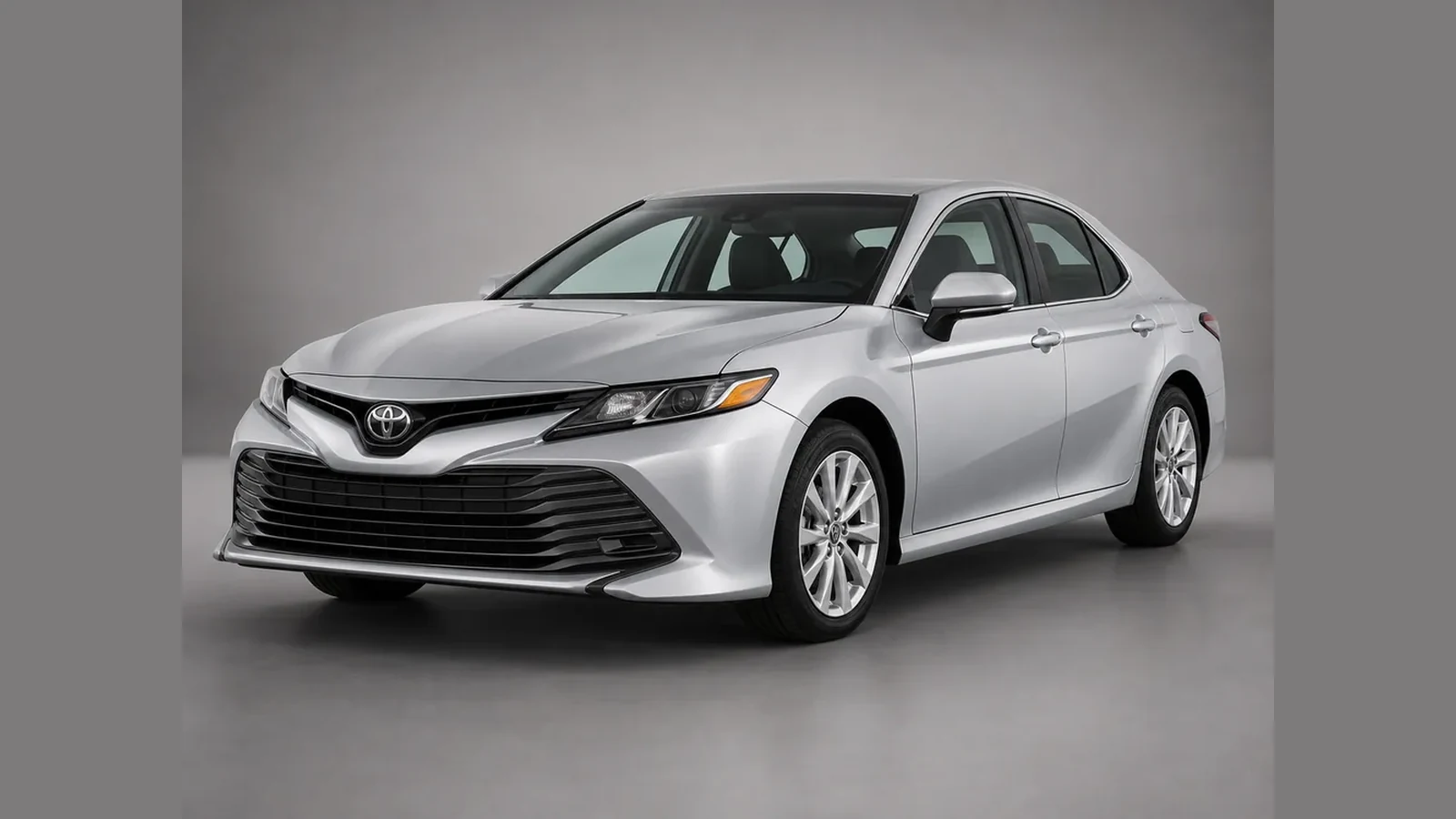
Toyota Camry
Toyota · $29,600 - $36,000The Toyota Camry is no longer just the safe gas sedan. The current U.S. Camry is hybrid-only, with up to 51…
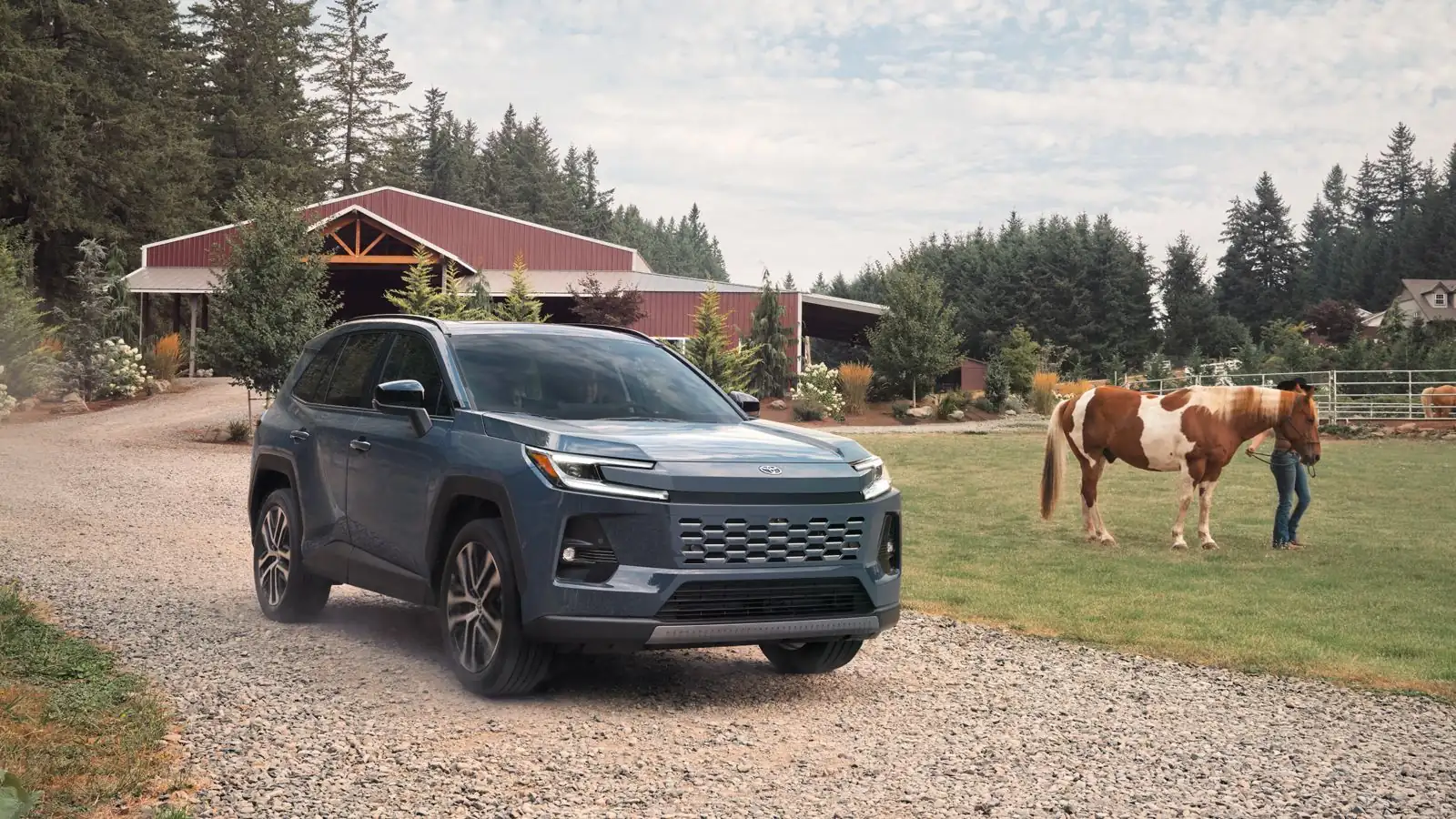
Toyota RAV4
Toyota · $31,900 - $43,300The Toyota RAV4 is now a hybrid-first compact SUV, not the old gas-versus-hybrid choice. The 2026 lineup…
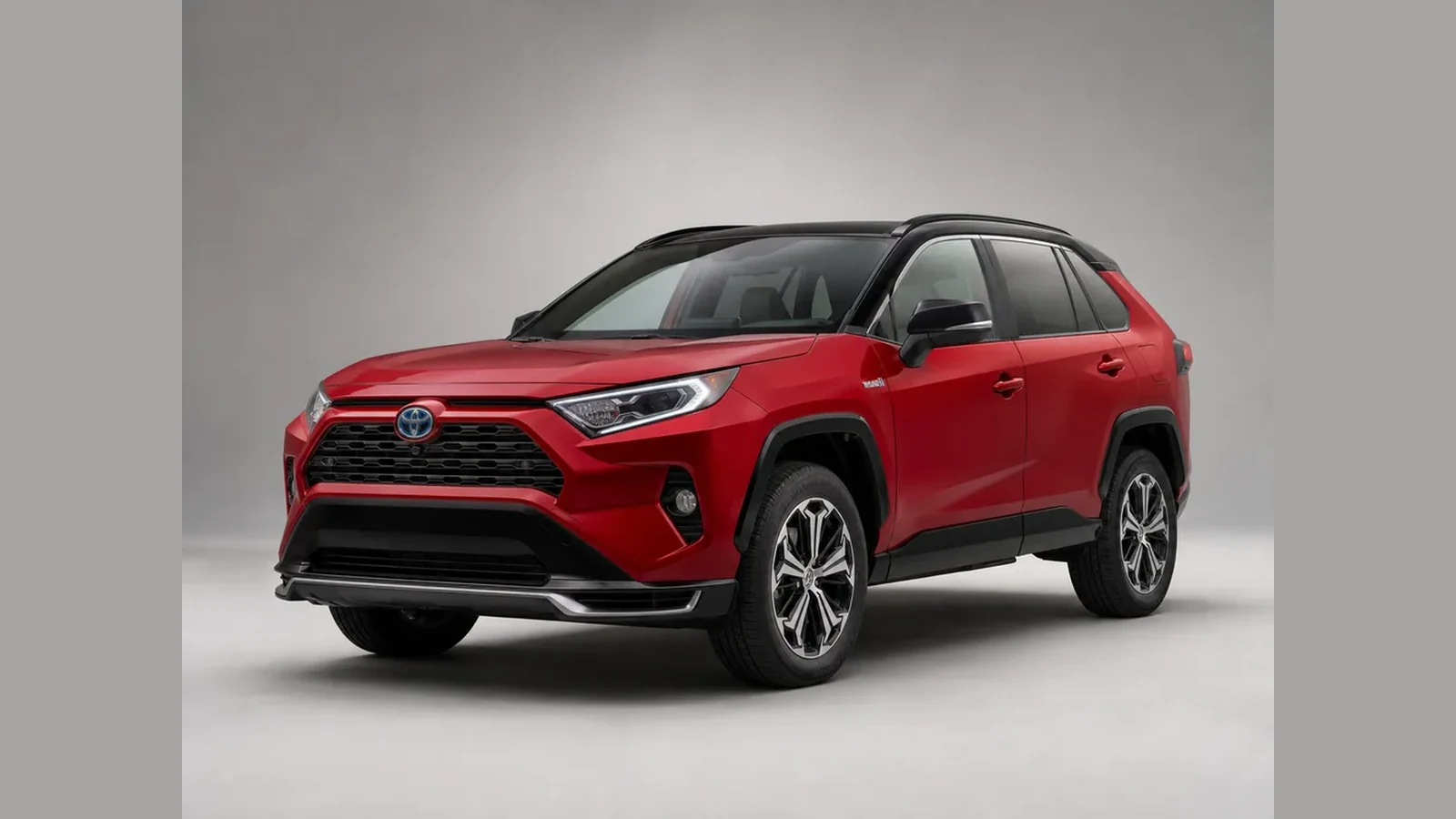
Toyota RAV4 Hybrid
Toyota · $32,000 - $42,000The Toyota RAV4 Hybrid is the efficiency champion of the compact SUV class. The 2026 RAV4 moves into a…
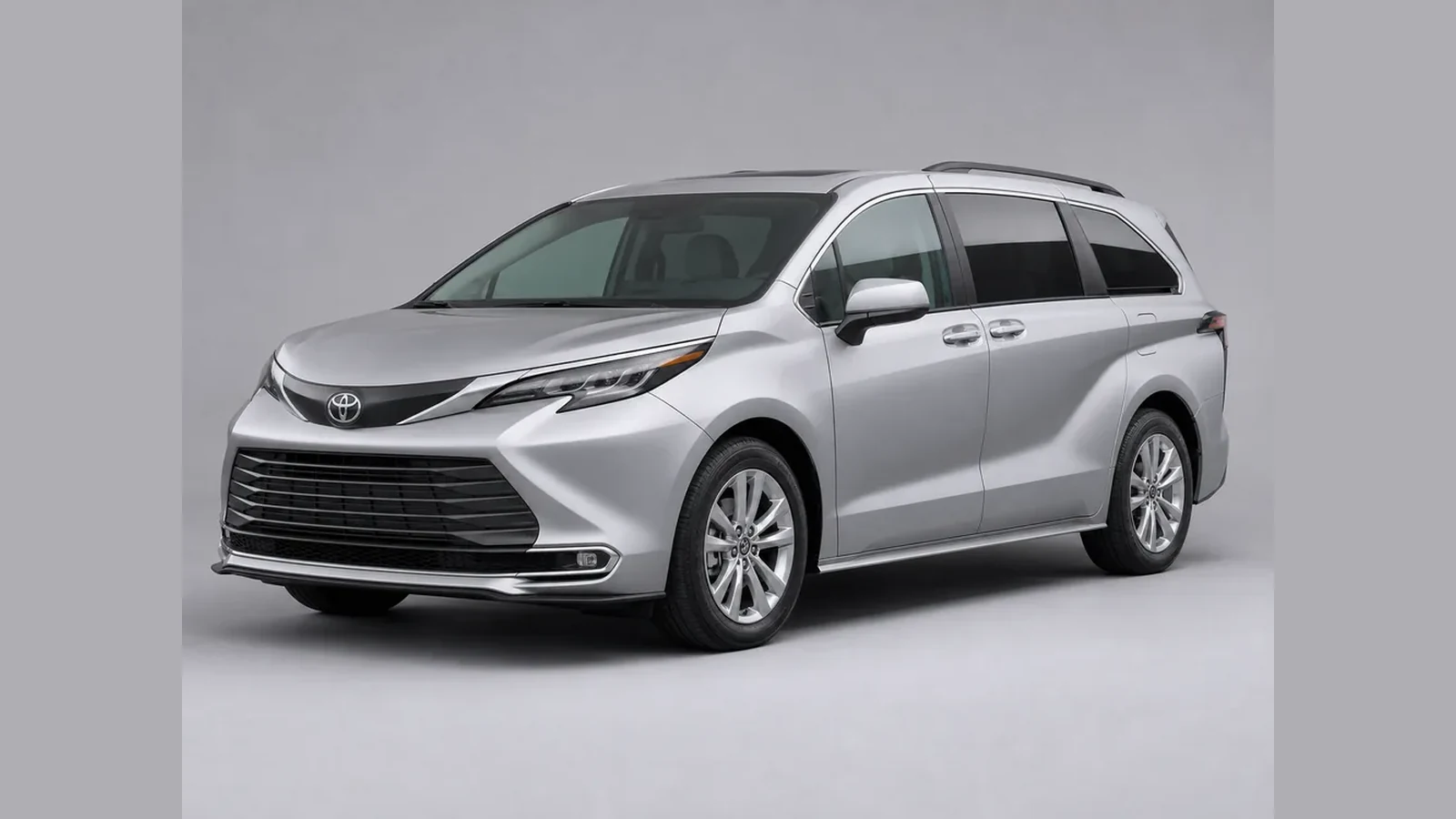
Toyota Sienna
Toyota · $39,000 - $53,000The Toyota Sienna is the efficiency king of minivans: hybrid-only, 36 mpg combined, and available all-wheel…
A hybrid car carries two power sources: a normal gasoline engine and a small electric motor fed by a battery. You never plug it in, you never wait to charge, and you fill it at the same pump as any gas car.
In return the fuel bill in town drops close to half.
Here is how the system works, what it saves, how quickly it repays its price premium, and whether a hybrid, a plain gas car, or a full electric fits the way you drive.
How a hybrid actually works
The battery in a hybrid recharges itself.
Every time you brake or coast, the wheels spin the motor backward and top the battery up, so there is no cord and no charging stop.
At low speed and from a standstill the electric motor moves the car alone, and the gas engine wakes up only when you ask for more speed or more power.
That split matters because the electric side handles the work a gas engine does worst: crawling in traffic and pulling away from a stop.
A hybrid saves the most exactly where a plain gas car wastes the most, which is why a hybrid often posts a higher city mpg than highway mpg.
A plug-in hybrid is a different animal that does need a cord for its bigger battery, but the models on this page are self-charging and never ask you to plug in.
The fuel saving, no plug and no range anxiety
The numbers are the whole point. A hybrid sips fuel in the stop-and-go driving where most miles are spent, and it does it without the range limits or charging planning of an electric car.
The Toyota Camry returns up to 52 mpg in the city and 49 on the highway, close to double what a midsize sedan managed a decade ago.
The Toyota RAV4 hits up to 47 city and 40 highway in a family SUV, and the Toyota Sienna minivan holds a steady 36 mpg city and highway, a figure most seven-seaters cannot touch on gas alone.
A full tank still takes three minutes at any station, and the range between fills is longer than a gas car's, not shorter.
What the hybrid premium costs, and how fast it pays back
A hybrid version usually costs one to three thousand dollars more than the same car with a plain gas engine. That premium is smaller than it used to be, and the fuel saving chips away at it every month.
The payback depends on your miles.
Drive 12,000 to 15,000 miles a year and the fuel saving typically clears the premium in three to four years, well inside a normal ownership span.
Drive a lot of city miles and a hybrid pays back fastest, because town driving is exactly where it saves the most fuel. Cover very few miles, and the math tilts back toward a cheaper gas sticker.
Hybrid, plain gas, or full electric
The three powertrains answer three different situations. A hybrid is the middle path that asks nothing new of you.
Pros
- Big city fuel saving with no plug and no charging stops
- Longer range between fills than a comparable gas car
- Small price premium that most commuters repay in a few years
Cons
- Costs more up front than the same car on gas alone
- Saves less on pure highway trips than in town
- Cannot run on cheap home electricity the way an electric car can
Pick a hybrid when you want lower fuel bills but still refuel in three minutes anywhere. Pick a gas model when you drive few miles and want the lowest sticker.
Pick a full electric car when you can charge at home and want to skip gas stations entirely, because home charging is what makes an electric cheapest to run.
The deciding question is simple: no home charging points you to a hybrid, reliable home charging opens the door to an electric.
Toyota is not the only hybrid on the lot
Toyota has sold more hybrids than any other carmaker and its system is the most proven, which is why the Toyota brand anchors this list. But it no longer has the segment to itself.
Several rivals now sell hybrid versions of their most popular models, from compact SUVs to family sedans, so you can cross-shop a hybrid against a hybrid rather than settling for whatever one brand offers.
The closest fight is in the compact SUV class: see the CR-V against the RAV4 Hybrid for how tight the field has become. A hybrid RAV4 also sits high on our best family SUVs shortlist.
| Model | Best for | Efficiency |
|---|---|---|
| Camry | Midsize commuter sedan | up to 52 mpg city |
| RAV4 | Default family SUV | up to 47 mpg city |
| RAV4 Hybrid | Family SUV with standard AWD | up to 47 mpg city |
| Sienna | Big family, hybrid-only van | 36 mpg combined |
For a family that wants all-weather grip with the fuel saving, the RAV4 Hybrid pairs the same economy with standard all-wheel drive.
How we rank the hybrids here
Every hybrid profile on this page is scored on the same measures: real EPA fuel economy, the size of the price premium, reliability history, and five-year cost to own. We read EPA and NHTSA data alongside long-term reliability records, and a reviewing expert signs off on the buying advice before it goes live.
Start with the model that fits your job in the table above, or weigh a hybrid against a plain gas car or a full electric to see which running cost suits your driving.
Frequently Asked Questions
How does a hybrid work without plugging in?
How much fuel does a hybrid actually save?
Is the hybrid price premium worth it?
Should I buy a hybrid or a full electric car?
Do other brands make hybrids, or just Toyota?
Compare before you commit
Line up two cars you are cross-shopping side by side, then read the full research-first review before you buy.
Compare cars