Toyota
Toyota is the benchmark for reliability and resale. Browse our reviewed Toyota models.
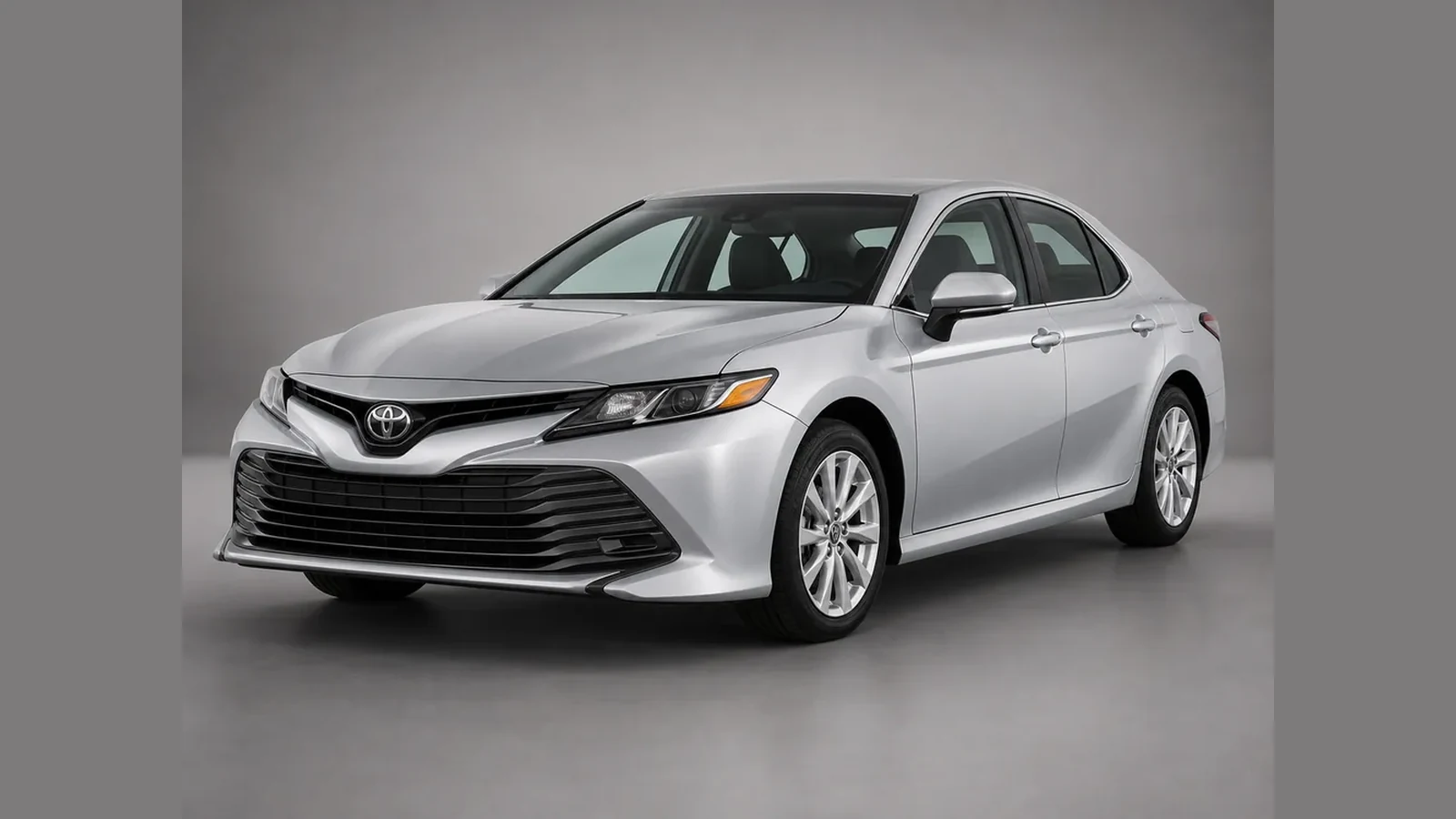
Toyota Camry
Camry · $29,600 - $36,000The Toyota Camry is no longer just the safe gas sedan. The current U.S. Camry is hybrid-only, with up to 51…
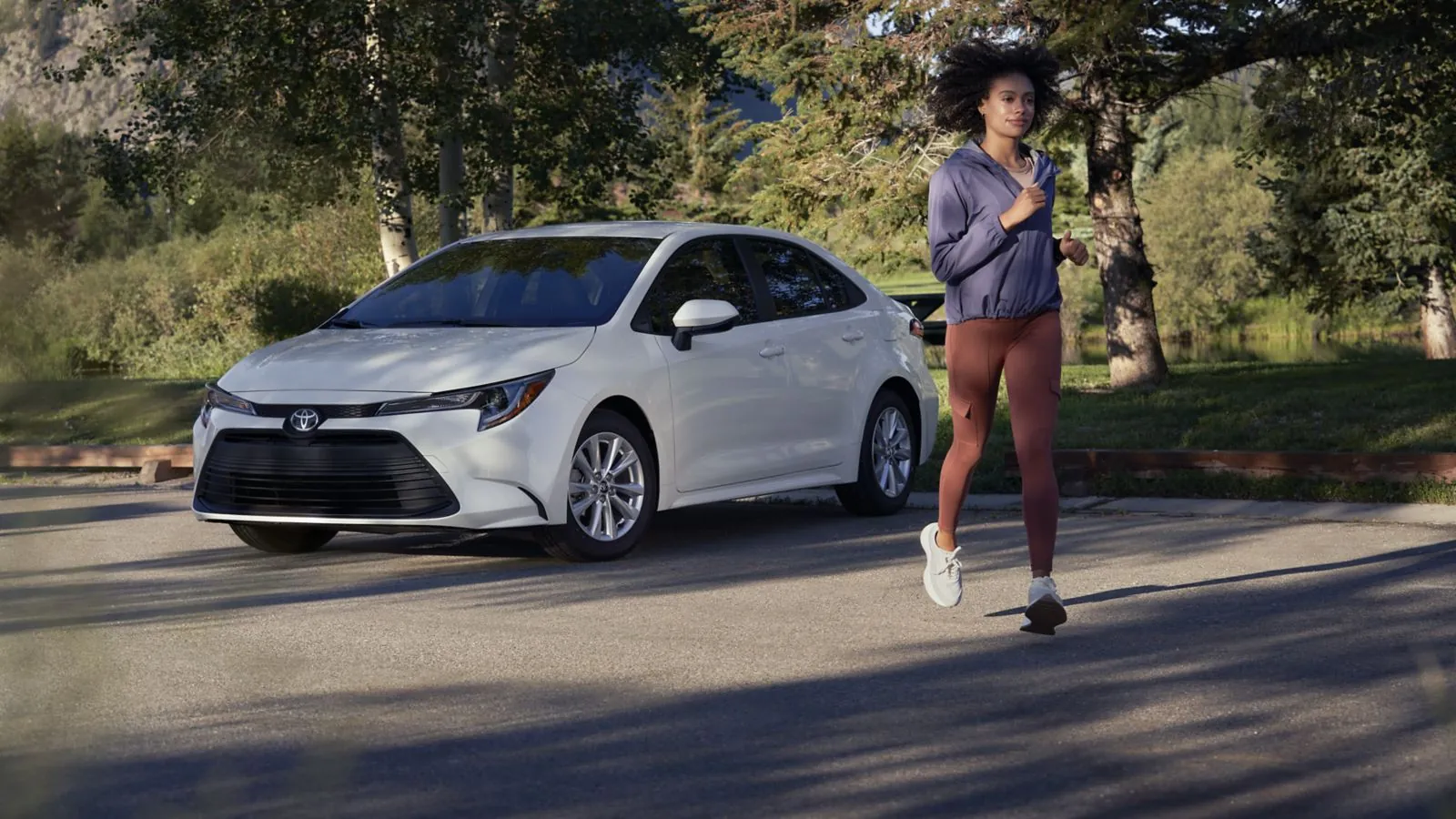
Toyota Corolla
Corolla · $23,000 - $29,500The Toyota Corolla is the compact sedan for buyers who want a low-risk commuter, not a car that tries to feel…
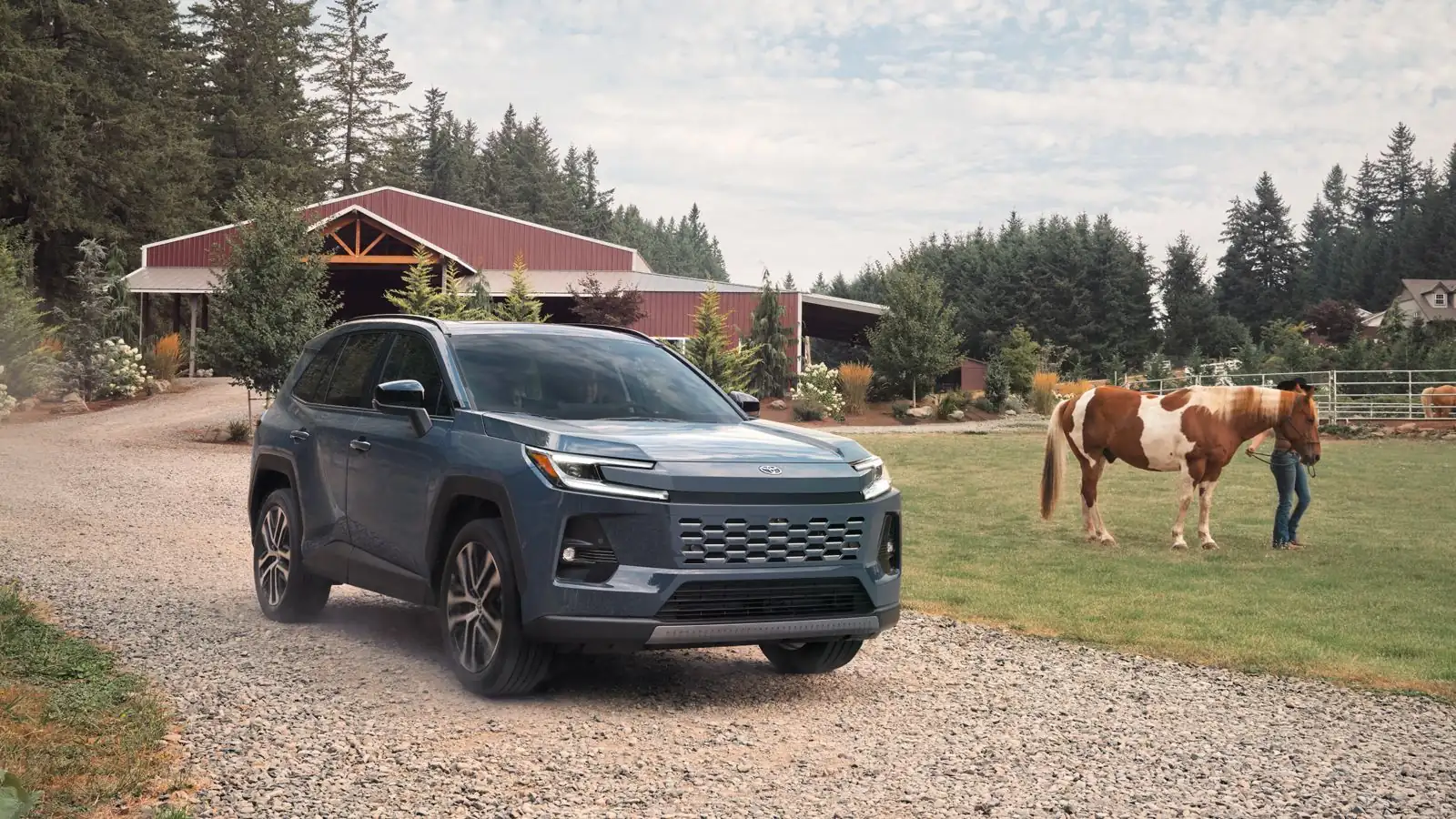
Toyota RAV4
RAV4 · $31,900 - $43,300The Toyota RAV4 is now a hybrid-first compact SUV, not the old gas-versus-hybrid choice. The 2026 lineup…
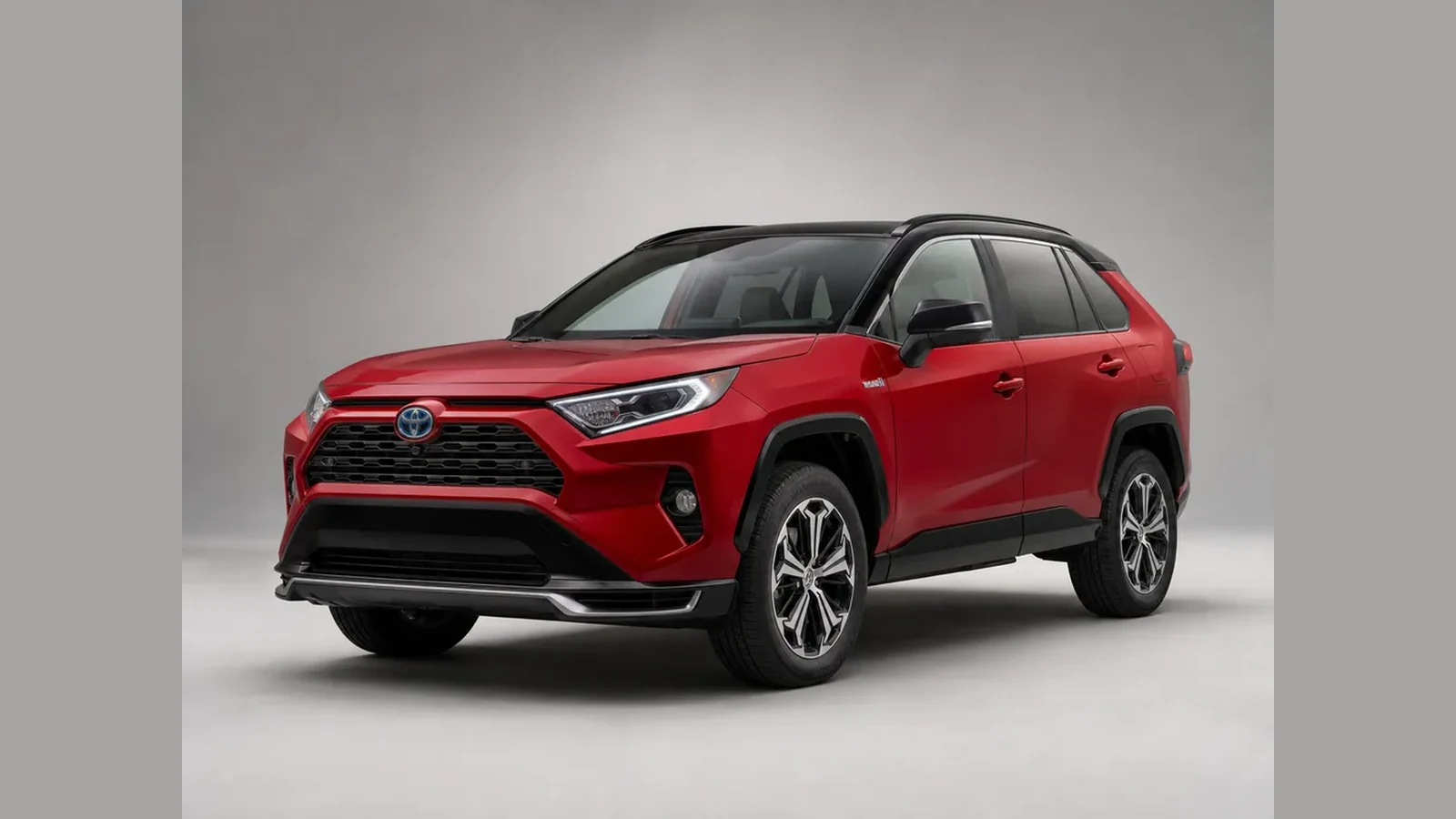
Toyota RAV4 Hybrid
RAV4 Hybrid · $32,000 - $42,000The Toyota RAV4 Hybrid is the efficiency champion of the compact SUV class. The 2026 RAV4 moves into a…
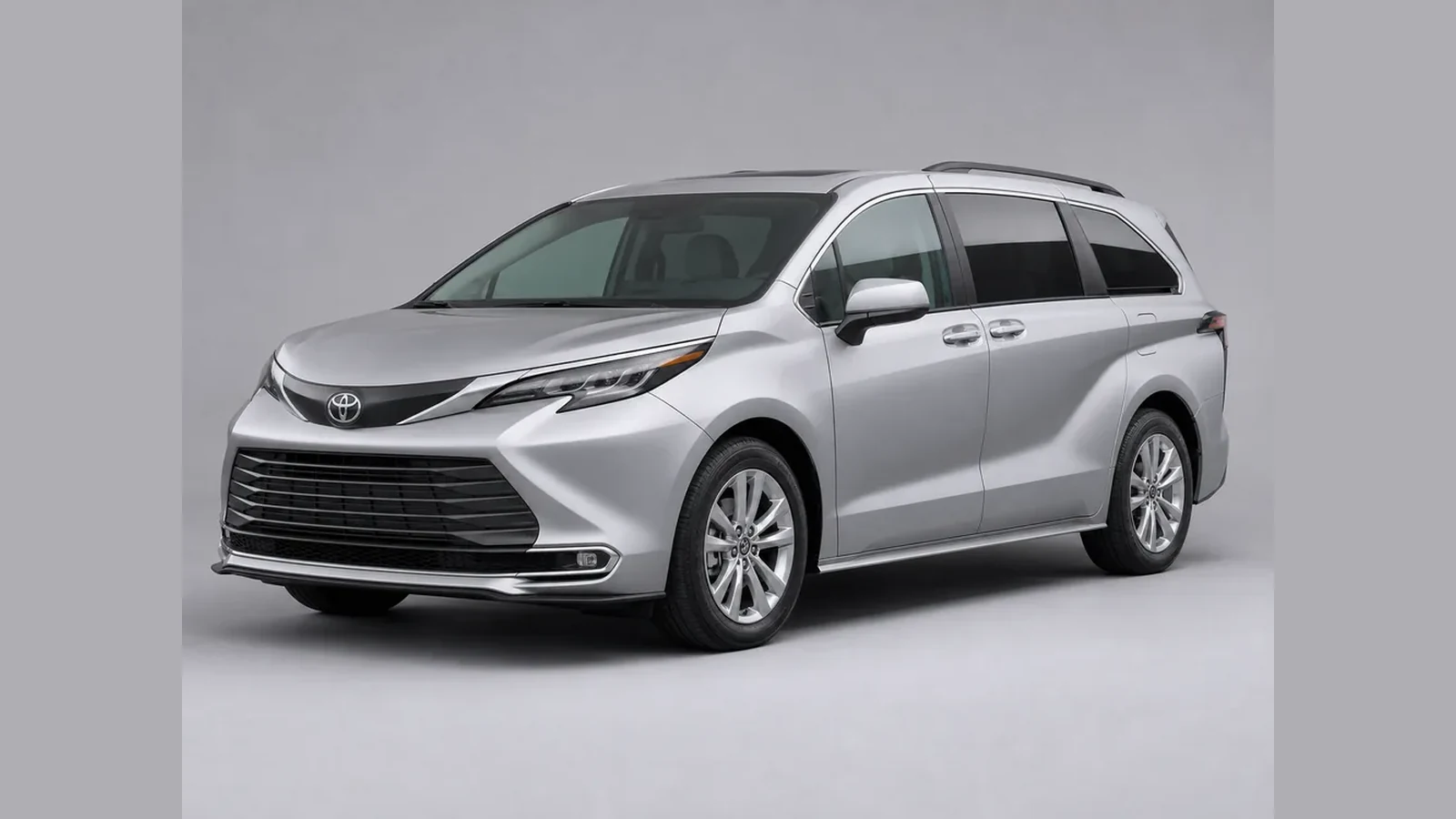
Toyota Sienna
Sienna · $39,000 - $53,000The Toyota Sienna is the efficiency king of minivans: hybrid-only, 36 mpg combined, and available all-wheel…
Toyota is the brand people buy when they want a car to simply work.
It leads the industry on reliability and resale, and it sells more hybrids than any other carmaker in America.
The trade is that Toyota rarely chases the flashiest screen or the sharpest handling.
Here is what the badge gets you, model by model, and where a rival might suit you better.
Why a Toyota holds its value
Toyota's reputation rests on two numbers that matter most at trade-in time: reliability and resale.
The brand routinely tops long-term dependability studies, and a used Toyota commands a higher price than almost any mainstream rival of the same age and mileage.
That resale strength is real money in your pocket.
A Toyota that keeps more of its value costs you less to own over five years, even when its sticker price is not the lowest on the lot.
The reason is unglamorous engineering: Toyota tends to let a technology mature before it ships, so early faults are rarer.
The flip side is that Toyota cabins and infotainment often trail newer rivals.
If a large touchscreen and the latest interior tech sit at the top of your list, cross-shop before you commit.
The hybrid lineup is Toyota's real edge
Toyota has built more hybrids than anyone else, and it shows in how refined and efficient the system is.
The hybrid powertrain now runs across most of the range, not just one dedicated green model.
A Toyota RAV4 Hybrid returns around 40 mpg in mixed driving with no plug and no range anxiety, which is why it is one of the most cross-shopped family SUVs in the country.
The Camry and Corolla offer the same hybrid saving in a sedan.
For a buyer who wants low fuel bills without changing how they drive or refuel, Toyota's hybrid is the easiest switch on the market.
Match the Toyota to how you drive
The lineup splits cleanly by job. Pick the model that fits your daily driving rather than the badge or the trim name.
| Model | Best for | Powertrain |
|---|---|---|
| Corolla | First car, lowest running cost | Gas or hybrid |
| Camry | Comfortable midsize commuter | Gas or hybrid |
| RAV4 | The default family SUV | Gas or hybrid |
| Sienna | Big families, hybrid-only van | Hybrid |
If you want the cheapest car to run, start with the Corolla.
If you carry a family and their gear, the RAV4 or the hybrid-only Sienna minivan does it with Toyota fuel economy.
Buyers cross-shopping a sedan should read the Camry against the Honda Civic to see where each brand leads.
Safety you do not have to pay extra for
Every current Toyota ships with Toyota Safety Sense, a bundle of driver aids that covers automatic emergency braking, lane-keeping assist, and adaptive cruise control.
You do not have to climb the trim ladder or tick an options box to get it.
That standard-safety approach is one reason Toyotas post strong scores on independent crash and driver-assist tests. It also supports resale, because used buyers value the same features when they shop.
What a Toyota costs to keep
Toyota's ownership math is friendly in three places: fuel, repairs, and resale.
Hybrids cut the fuel bill, the proven mechanicals keep unplanned repairs rare, and strong resale returns more of your money at trade-in.
Routine maintenance is conventional and serviced almost everywhere, so shop labor is rarely a premium.
Add up fuel, repairs, and depreciation and a Toyota usually lands among the cheapest cars to own in its class, even when it is not the cheapest to buy.
The factory warranty runs 3 years or 36,000 miles overall and 5 years or 60,000 on the powertrain, with hybrid parts covered longer, so confirm the battery coverage on the model you want.
Where a rival might suit you better
Toyota is the safe default, not the answer to every brief. If you want the sharpest drive, a Mazda or the Honda Civic is more engaging.
If you want the newest electric tech and the widest charging network, Tesla or Hyundai is further down that road.
Choose Toyota when dependability and resale matter more to you than the flashiest cabin or the quickest 0 to 60.
For most buyers most of the time that is the right trade, which is why the brand anchors our best family SUVs list.
How we review Toyotas
Every Toyota profile here is scored on the same measures as its rivals: real fuel economy, reliability history, safety scores, and five-year cost to own.
We read EPA and NHTSA data alongside long-term reliability records, and a reviewing expert signs off on the buying advice before it goes live.
Start with the model that fits your job above, or compare a Toyota head to head with its closest rival, like the CR-V against the RAV4 Hybrid, to see how narrow the gap really is.
Frequently Asked Questions
Is Toyota really more reliable than other brands?
Which Toyota is the cheapest to own?
Are Toyota hybrids worth it?
Does every Toyota come with advanced safety features?
Should I buy a Toyota or a Honda?
See how Toyota stacks up
Put these models against their rivals side by side, then read the full research-first review before you buy.
Compare cars