Hyundai
Hyundai offers long warranties and standout EVs. Browse our reviewed Hyundai models.
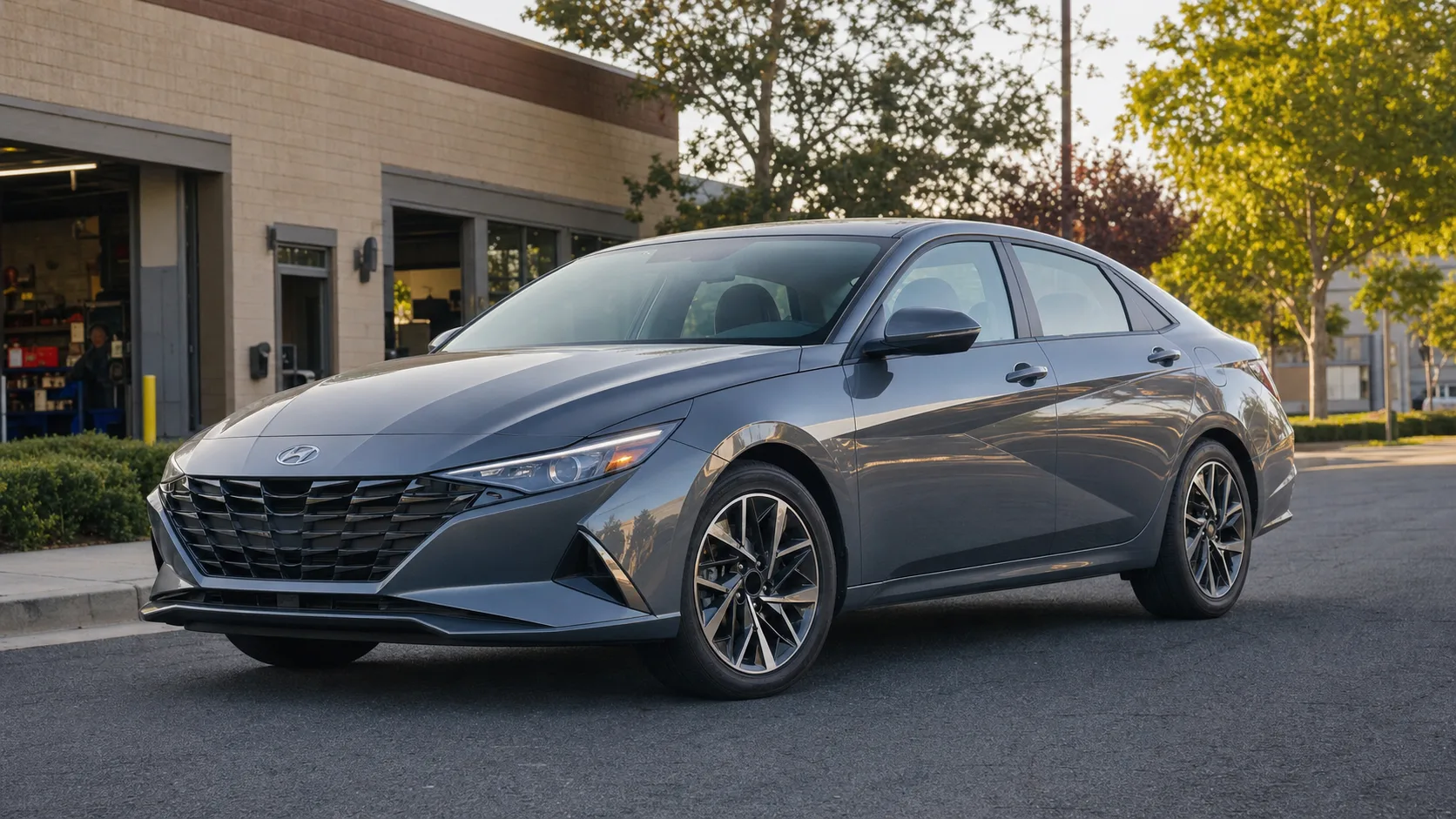
Hyundai Elantra
Elantra · $22,625 - $35,100The Hyundai Elantra is the compact sedan for shoppers who want a low payment, a long warranty, sharp styling…
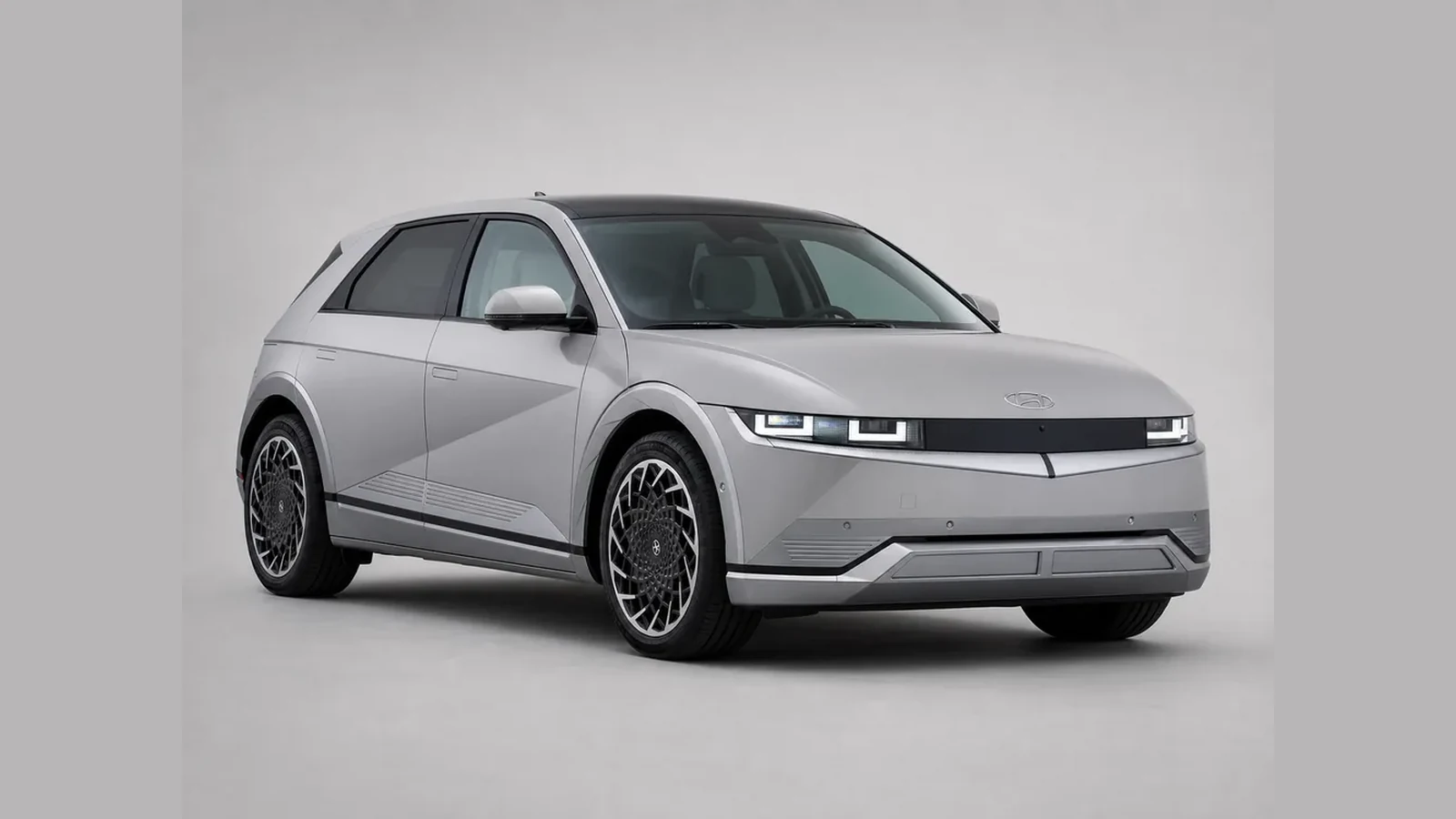
Hyundai Ioniq 5
Ioniq 5 · $43,000 - $56,000The Hyundai Ioniq 5 is the most livable electric SUV in its class: a roomy, comfortable cabin and ultra-fast…
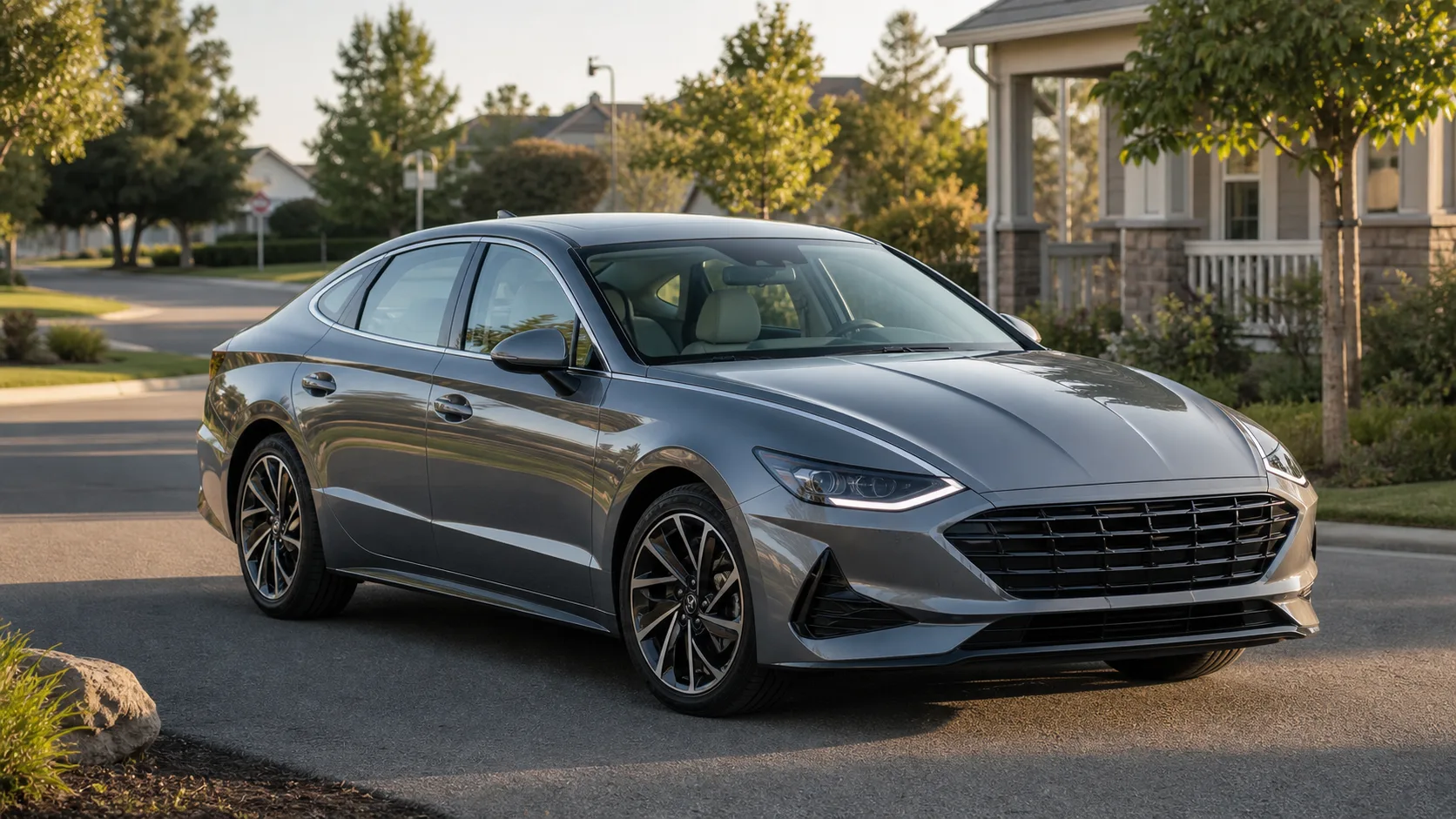
Hyundai Sonata
Sonata · $27,450 - $38,250The Hyundai Sonata is the midsize sedan for buyers who want space, warranty value, and standout styling…
Hyundai spent the last decade turning a budget badge into a real cross-shop for Toyota and Honda money.
It backs every car with the longest mainstream warranty in America, prices most models under the rivals they target, and builds one of the sharpest electric cars on sale.
The catch is that resale still trails the Japanese leaders, so the value lands while you own the car rather than at trade-in.
This is what a Hyundai buys you across the lineup, and when a rival earns a closer look.
The warranty does a lot of the selling
Hyundai's headline number is its warranty.
Every new Hyundai carries a 5-year, 60,000-mile bumper-to-bumper warranty and a 10-year, 100,000-mile powertrain warranty, roughly double what Toyota or Honda cover on the powertrain.
That matters because the expensive faults tend to arrive after the first five years, exactly when most rivals stop paying.
A 10-year powertrain warranty is worth real money if you keep a car past the loan, since it covers the years when big repairs actually happen.
On the Ioniq 5 the same 10-year, 100,000-mile term covers the drive battery, which takes the biggest what-if out of buying electric.
One caveat: the full 10-year powertrain term applies to the original owner.
Coverage still transfers to a second buyer, but on a shorter 5-year, 60,000-mile basis, so confirm the remaining term before you buy a used one.
The Ioniq 5 is the reason to walk in
The Hyundai Ioniq 5 is the model that changed how buyers see the brand.
It is an electric SUV that starts around $43,000 and tops out near $56,000, rides on rear-wheel drive in its base form, and returns an EPA rating of 114 MPGe with up to 318 miles of range.
The real edge is the 800-volt electrical system. Most electric cars run at 400 volts, so they charge slower on a strong DC fast charger.
On a capable fast charger the Ioniq 5 can go from 10 to 80 percent in about 18 minutes, which turns a road-trip coffee stop into a full charge instead of a long wait.
That makes it one of the few EVs that road-trips almost as easily as a gas car, and it earns the Ioniq 5 a spot among the electric cars we recommend most.
Cross-shopping the obvious rival is worth the time.
Read the Ioniq 5 against the Tesla Model 3 to weigh Hyundai's faster charging and SUV shape against Tesla's charging network, or scan the full electric lineup to see how its range stacks up.
The sedans undercut the field on price
While the Ioniq 5 draws the crowd, the sedans do the volume, and they win on sticker price.
The Hyundai Elantra is a compact sedan that starts at $22,625, one of the lowest entry prices for a well-equipped new car.
The Hyundai Sonata steps up to the midsize class from $27,450 with more rear-seat and trunk room.
| Model | Best for | Powertrain, price from |
|---|---|---|
| Elantra | First car, lowest running cost | Gas or hybrid, $22,625 |
| Sonata | Roomier midsize commuter | Gas or hybrid, $27,450 |
| Ioniq 5 | Home-charging EV buyer | Electric, $43,000 |
Both sedans offer a hybrid, and that is where the running cost drops.
The Elantra Hybrid returns up to 51 mpg city and 58 mpg highway, while the larger Sonata Hybrid manages up to 47 city and 56 highway.
The Elantra Hybrid is close to the cheapest way to buy 50-plus mpg in a new car, which makes it a strong first-car or commuter pick.
If a low purchase price leads your list, start with the budget price band, and if you want the sedan trade of lower cost and better economy over an SUV, browse the full sedan lineup.
Hyundai and Kia share the same engineering
Hyundai owns Kia, and the two brands build many cars on shared platforms and powertrains.
The Ioniq 5 uses the same electric architecture as the Kia EV6, and the Elantra and Sonata share bones with the Kia Forte and K5.
The mechanical parts are largely the same, so the choice often comes down to styling, features, and which dealer treats you better.
That makes a two-showroom shopping trip worth the effort.
If you like the Sonata but not its price or looks, the Kia lineup gives you a near-identical car with a different face, and the same works in reverse.
Comparing both is one of the easiest ways to save a few hundred dollars on essentially the same machine.
What a Hyundai costs to own
Hyundai's ownership math is front-loaded.
You pay less up front than for a comparable Toyota or Honda, the long warranty keeps repair bills off your ledger for a decade, and the hybrid and electric options cut the fuel bill.
Where it gives some of that back is depreciation.
Pros
- Lower purchase price than most Toyota and Honda rivals
- Longest mainstream warranty, 10 years on the powertrain
- Hybrid and electric choices across the lineup
Cons
- Resale value still trails the Japanese leaders
- The full 10-year term is strongest for the original owner
- Dealer network is thinner than Toyota's in rural areas
Hyundai's value shows up while you own the car, through a low purchase price and long warranty, not at trade-in where a Toyota holds more of its worth.
That trade favors buyers who keep a car many years and lean on the warranty.
If you swap cars every three years, the weaker resale eats into the up-front saving, and a Toyota may cost less overall despite the higher sticker.
Where a rival still wins
Hyundai is a strong default, not the answer to every brief.
If you want the widest fast-charging network for an electric car, Tesla still leads on that one measure, even though the Ioniq 5 charges faster once you are plugged in.
If proven resale and the longest hybrid track record matter most, the Japanese brands keep their edge.
For most buyers, though, the mix of price, warranty, and a genuinely good EV is hard to beat.
Choose Hyundai when you want more car for the money and plan to keep it, and cross-shop the rivals when resale or charging access sits at the top of your list.
How we review Hyundais
Every Hyundai profile here is scored on the same measures as its rivals: real fuel economy or range, reliability history, safety scores, and five-year cost to own.
We read EPA and NHTSA data alongside long-term reliability records, and a reviewing expert signs off on the buying advice before it goes live.
Start with the model that fits your job above, or compare a Hyundai head to head with its closest rival, like the Ioniq 5 against the Model 3, to see how narrow the gap really is.
Frequently Asked Questions
Is Hyundai's warranty really better than Toyota's?
Is the Hyundai Ioniq 5 a good electric car?
Which Hyundai is the cheapest to buy?
Are Hyundai and Kia the same cars?
Do Hyundais hold their value?
See how Hyundai stacks up
Put these models against their rivals side by side, then read the full research-first review before you buy.
Compare cars