Tesla
Tesla leads on EV range and charging. Browse our reviewed Tesla models.
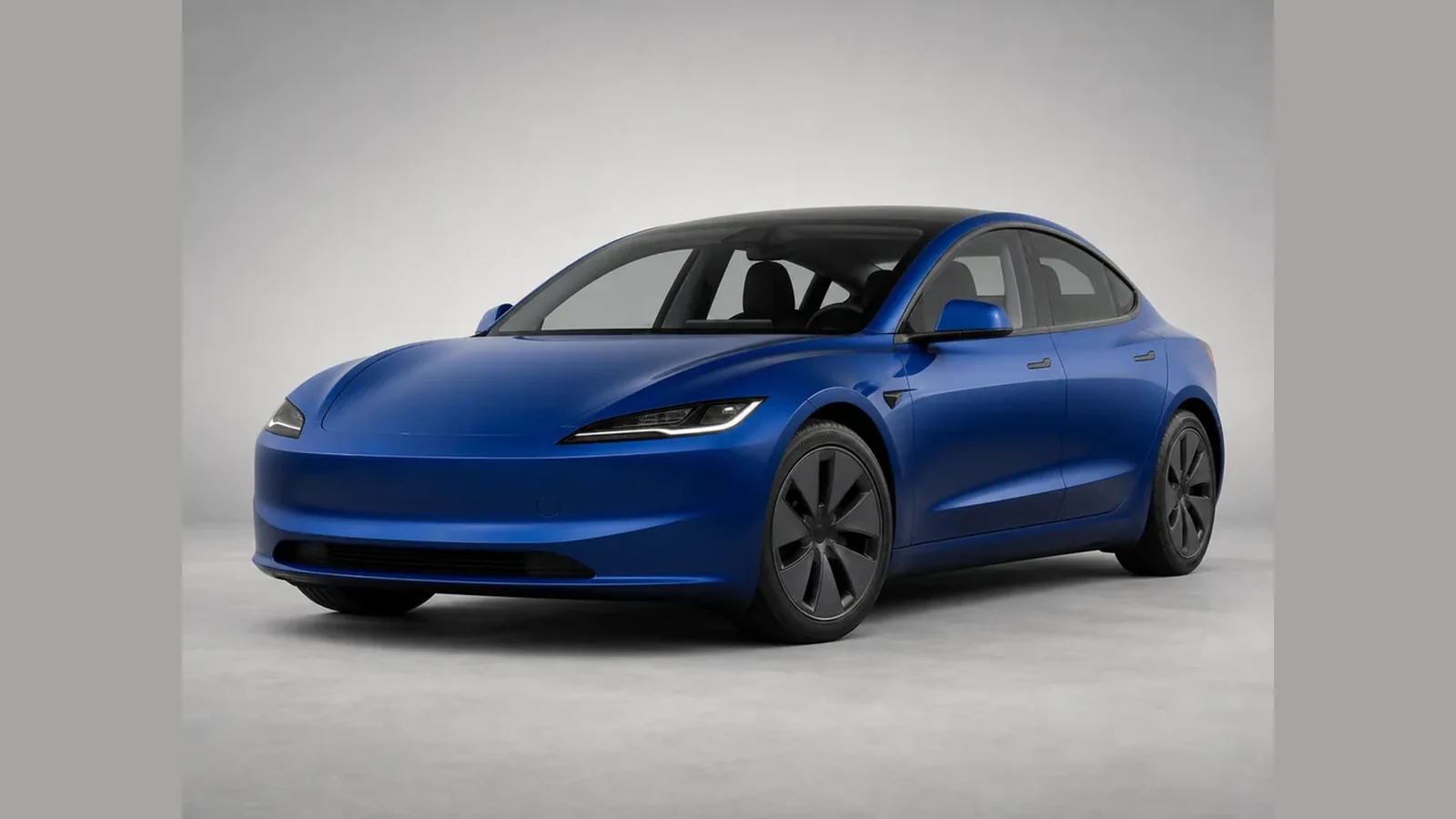
Tesla Model 3
Model 3 · $42,000 - $55,000The Tesla Model 3 is the EV that made electric cars mainstream: long range, quick acceleration, and the best…
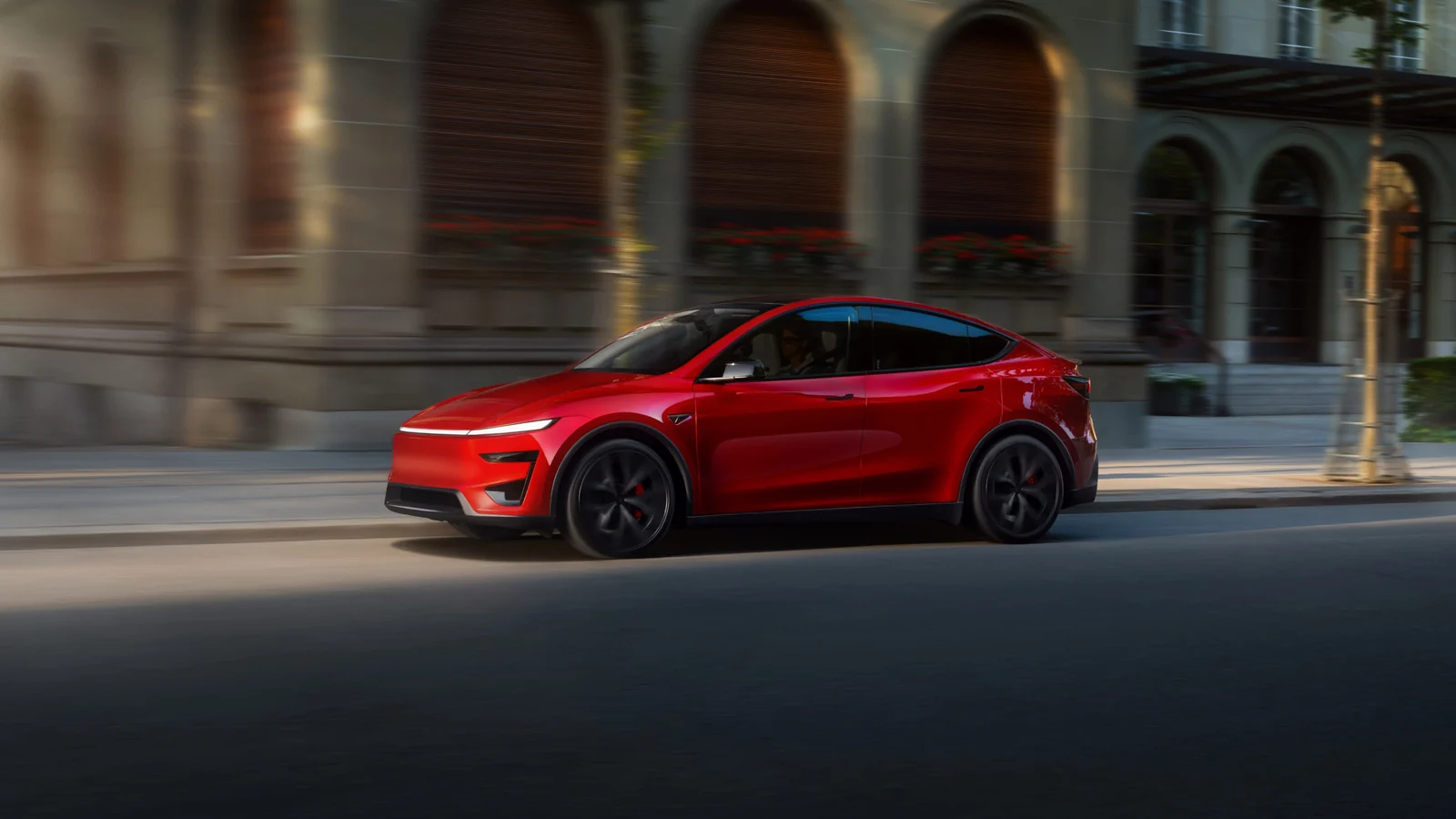
Tesla Model Y
Model Y · $41,630 - $57,000The Tesla Model Y is the easy-mode EV for many U.S. shoppers because the range, cargo space, software, and…
Tesla sells electric cars that travel far on a charge and recharge fast on a network no rival can match.
That combination, not the autopilot headlines or the falcon doors, is why the badge still leads the EV market.
The trade is a stripped-down cabin that runs almost everything through one screen, and a price that sits above the cheapest electric cars.
Here is what a Tesla gets you across its two mainstream models, and where a rival EV makes more sense.
The Supercharger network is the real reason to buy
Ask a Tesla owner what they would miss most if they switched brands, and most name the Superchargers.
Tesla built its own fast-charging network across the country, and it works with a consistency that public chargers from other providers rarely match.
You pull in, plug in, and the car has already told the stall who you are and started billing your account.
On a road trip that reliability is the whole game.
A Supercharger stop adds a couple hundred miles of range in the time it takes to use the restroom and grab a coffee, and the car routes you stall to stall on its own.
For long-distance driving, the Supercharger network still gives Tesla an edge that raw range numbers do not capture.
Rival EVs can now use many Tesla stalls with an adapter, but Tesla owners get the smoothest version of the experience.
If fast charging is new to you, the EV charging basics guide explains the plug types and speeds.
Range you can actually reach
Tesla quotes some of the highest range figures in the class, and it tends to land closer to them in real driving than many rivals do.
The Tesla Model 3 sedan reaches up to 363 miles on the EPA cycle, and the Tesla Model Y SUV up to 357 miles. Those are the long-range trims.
The cheaper rear-wheel-drive versions give up some range for a lower price.
Real range still drops in cold weather and at steady highway speed, the same as any EV.
But Tesla's efficiency means a Model 3 covers more miles per kilowatt-hour than most competitors, so you plug in less often.
Buy the long-range trim if you road-trip often, and stick with the cheaper standard range if you mostly drive around town and charge at home.
Two Teslas, two jobs
| Model | Body | Starting price |
|---|---|---|
| Model 3 | Electric sedan | $42,000 |
| Model Y | Electric SUV | $41,630 |
Tesla's volume comes from two cars that split by body style. The Model 3 is the sedan, priced from around $42,000 to $55,000 depending on trim.
It sits low, drives tight, and is the one to pick if you want the sharpest Tesla for the money. Its rear-wheel-drive version is also the cheapest way into the brand.
The Model Y is the same idea in an SUV shape, from $41,630 to roughly $57,000.
You sit higher, fold the rear seats for real cargo room, and trade a little efficiency for the space.
For a family it is the obvious pick, which is why it earns a spot on our best electric cars list.
Cross-shop the two by how much you carry, not by badge.
The minimalist cabin runs on one screen
Sit in any Tesla and the first thing you notice is what is missing. There is no instrument cluster behind the wheel and almost no physical buttons.
Speed, maps, climate, and car settings all live on a single central touchscreen, and that layout divides buyers sharply.
The upside is a clean cabin and software that stays current.
Tesla pushes over-the-air updates that add new tricks and fix bugs while the car sits in your driveway, so a three-year-old Tesla can gain functions it did not ship with.
The downside is that adjusting the mirrors or the wiper speed means a tap on glass instead of a switch.
The screen-only cabin frustrates buyers who want physical knobs, and rewards those who value a phone-like interface and steady updates.
Home charging changes the monthly math
The case for any Tesla is strongest when you can charge at home.
Plug in overnight and you wake up to a full battery every morning, skipping the gas station entirely and paying home electricity rates that undercut public fast charging.
Without home charging the math shifts. You lean on Superchargers, which cost more per mile than topping up in your garage, though still often less than gasoline.
A Tesla makes the most sense when you can install a home charger, so renters and apartment dwellers should confirm a charging plan before they commit.
Compare running costs against the wider electric lineup before you decide.
Where a rival EV fits better
Pros
- Longest real-world range and the widest fast-charging network
- Efficient, so fewer and shorter charging stops
- Over-the-air updates keep the car current for years
Cons
- Screen-only controls with almost no physical buttons
- Firmer ride and sparse cabin next to some rivals
- Build quality and service can be inconsistent
Tesla is not the only strong EV anymore, and two rivals close the gap in ways that matter.
The Hyundai Ioniq 5 gives you a roomier, more comfortable cabin with real buttons and very fast charging, often for less money.
Line the two up in the Ioniq 5 against the Model 3 comparison to see how close it runs.
Ford takes a more familiar route: the Ford Mustang Mach-E is an electric SUV with a conventional cabin for buyers who want an EV without the Tesla learning curve.
Read up on the Hyundai and Ford brands to weigh those alternatives.
How we review Teslas
Every Tesla profile here is scored on the same measures as its rivals: real-world range, charging speed and access, efficiency, safety scores, and five-year cost to own.
We read EPA range figures and NHTSA safety data alongside long-term reliability records, and a reviewing expert signs off on the buying advice before it goes live.
Start with the model that fits your body-style needs above, the Model 3 sedan or the Model Y SUV, or scan the best electric cars list to see how the wider field compares.
Frequently Asked Questions
Does Tesla really have the best charging network?
Should I buy the Tesla Model 3 or the Model Y?
How far can a Tesla really go on a charge?
Do I need home charging to own a Tesla?
Is a Tesla better than a Hyundai or Ford EV?
See how Tesla stacks up
Put these models against their rivals side by side, then read the full research-first review before you buy.
Compare cars