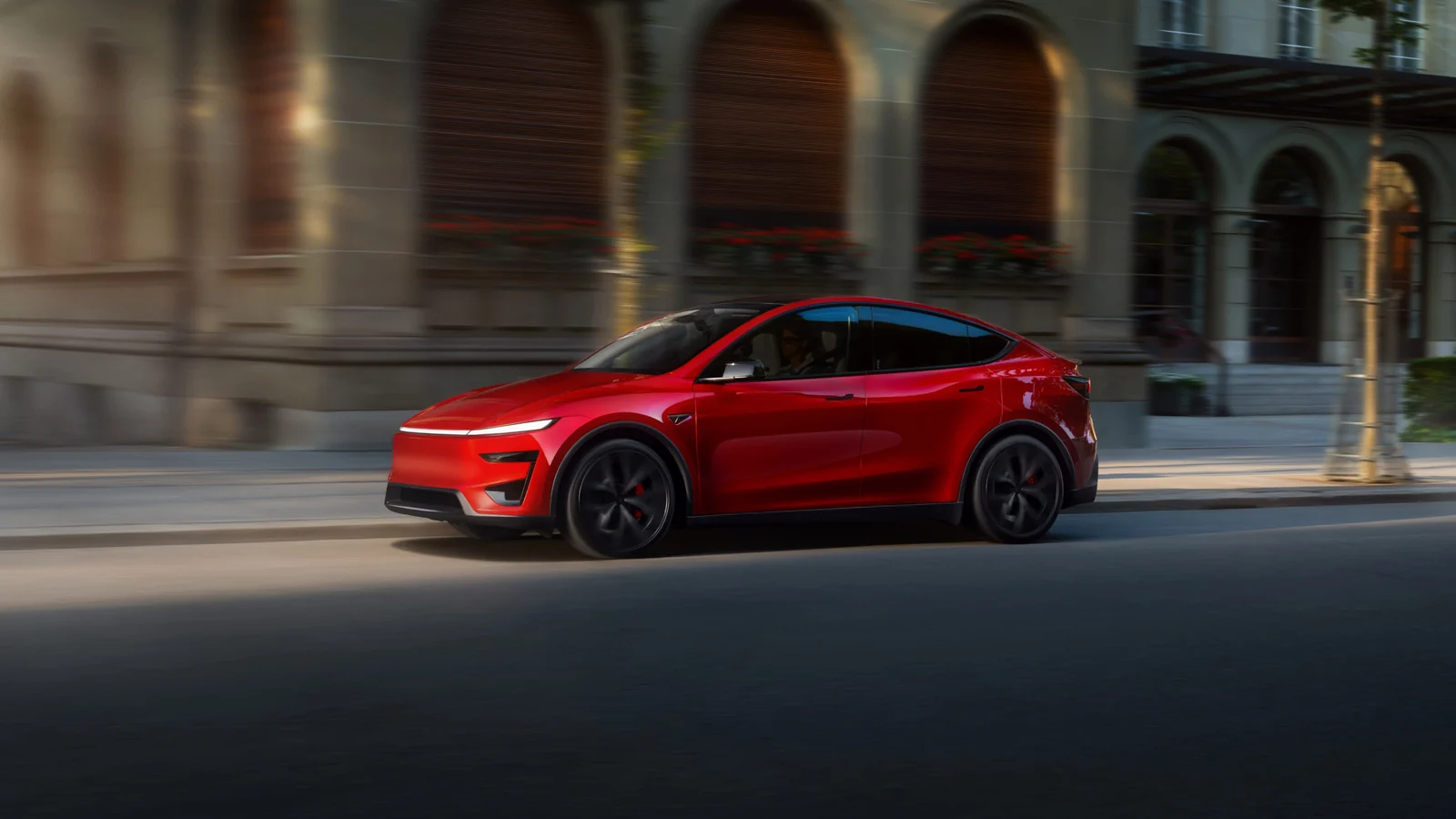
Why a Model Y road trip stops feeling like a gamble
Most Model Y shoppers worry about one thing before price or trim: what happens on a long drive when the battery runs low.
We answer that first, because it is where this Tesla removes the most friction.
The Supercharger network is the headline.
The car routes you to open stalls, warms the battery on the way, and starts charging without an app dance, so a road trip feels closer to a gas stop than a planning exercise.
Charging speed backs that up, with some versions pulling up to 250 kW on a Supercharger.
That peak does not hold for the whole session, because the battery drinks power fastest when it is fairly empty, so the smart move on a trip is a short top-up rather than a wait for a full pack.
Range is the buffer behind that confidence, and current trims cover 294 to 357 miles depending on the version.
Read the number as a planning tool, not a promise, because highway speed, cold air, roof racks, extra passengers, and headwinds all pull the real figure down.
A driver who regularly runs 180 highway miles in winter should buy more range than a commuter who covers 30 miles and plugs in nightly.
The buffer is what keeps a cold morning or a busy charging stop from turning into stress.
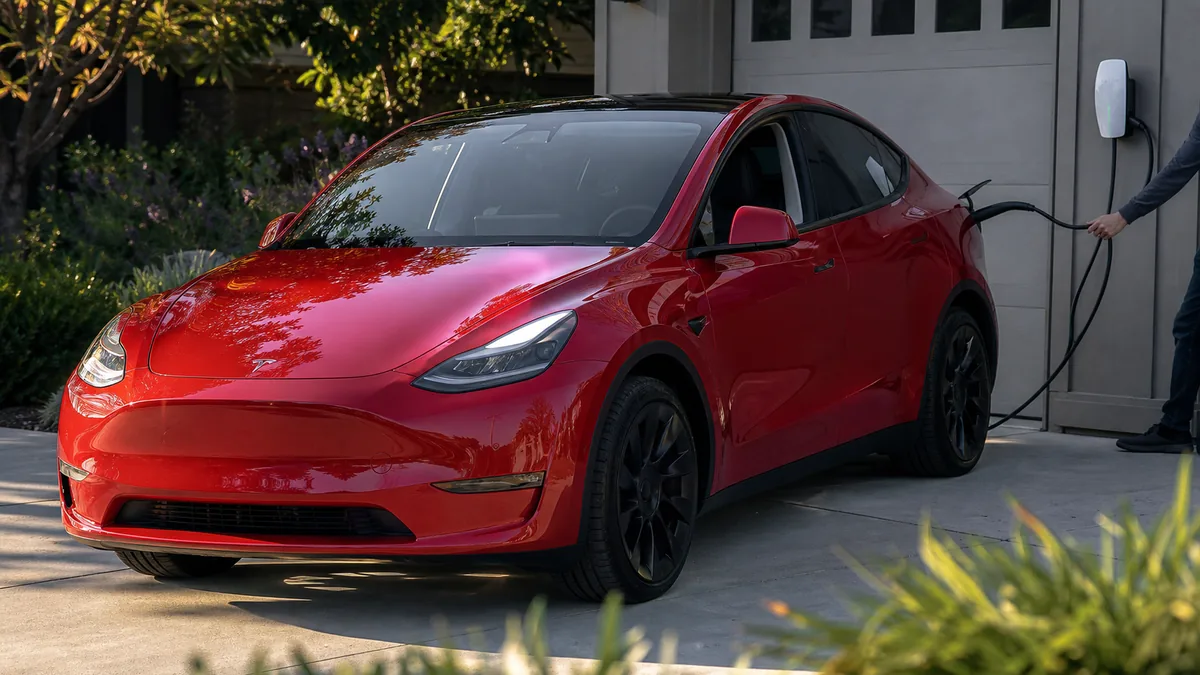
Home charging is where the friction really disappears, and it decides more than the badge does.
Park where you can plug in and the Model Y feels easier than a gas SUV, while street parking or unreliable public stalls turn the same car into a weekly chore.
New EV shoppers can scan the wider electric car group to see how the Model Y trades outright range for network simplicity.
If the plug question is new to you, our EV charging basics guide is worth a read before you commit, because access matters more than any spec.
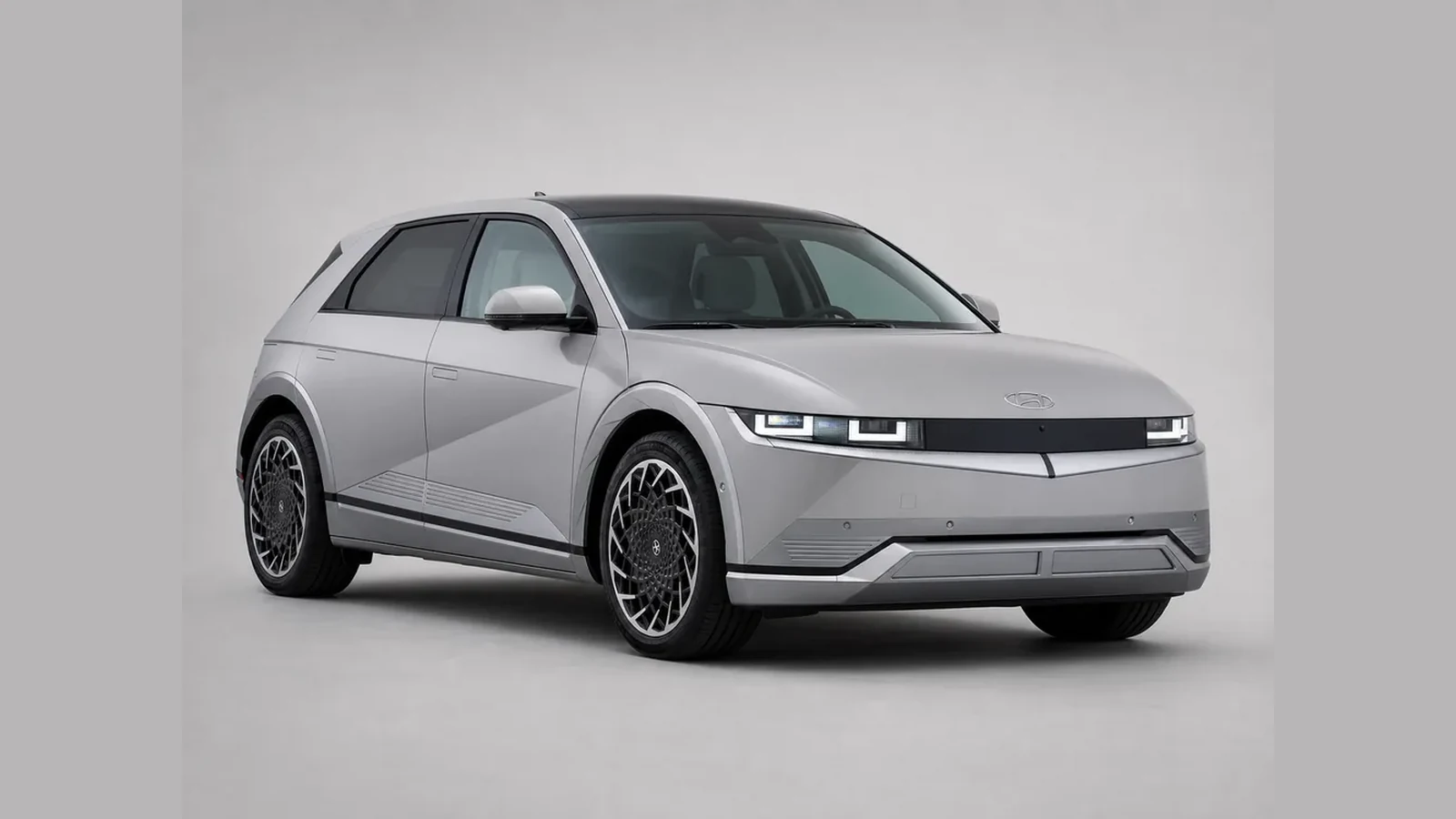
A Hyundai Ioniq 5 charges quickly too, yet it leans on networks that ask for more route planning than Tesla does. Decide where you will charge before you fall for the acceleration.
The cargo tricks a sedan-shaped EV cannot copy
The reason many shoppers drop a sedan from the list is shape.
The hatch, the underfloor bins, and the front trunk give the Model Y a flexibility a Tesla Model 3 sedan opening simply cannot match.
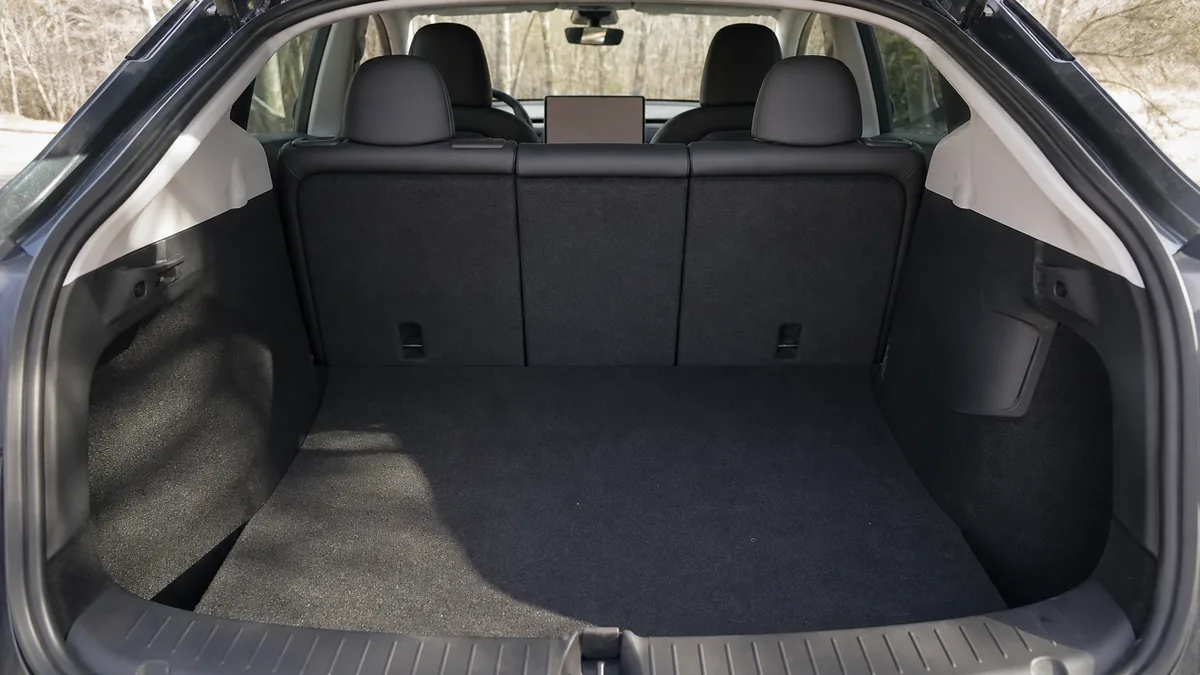
Tesla's owner data lists up to 75.5 cubic feet of total cargo with the rear seats folded, which is real family-hauler territory.
The tall rear hatch swallows boxes and strollers that would fight a sedan trunk, and the load floor sits flat once the seats drop.
The front trunk adds a clean, sealed space up front where a gas SUV keeps its engine.
It handles wet gear, grocery bags, or a coiled charging cable without eating into the main hold.
Model Y cargo layout
- Total cargo
- Up to 75.5 cu ft, seats folded
- Rear hatch
- Tall opening for bulky, upright loads
- Front trunk
- Sealed space for cables and wet gear
- Underfloor
- Hidden bins below the main load floor
Underfloor bins are the detail owners grow to love. They hide the charging cable and small items out of sight, so the main floor stays open for luggage.
Bring your real gear to the dealer instead of trusting the numbers on paper. We suggest a quick hands-on check when you shop a family crossover:
- Load your stroller or cooler through the rear hatch
- Fit your child seat and check the flat folded floor
- Drop the charging cable into an underfloor bin, not the seat
That practicality is why the Model Y shows up on family shortlists next to gas crossovers, not only other EVs.
It earns a spot on the same best family SUVs checklist a hybrid would, because the hatch and seat access decide the daily routine.
The Model Y sits firmly in the SUV group rather than the sedan lineup, and that shape is half of why buyers pick it.
If cargo height and a flat load floor rank high for you, the crossover body is the whole point.
Choosing range, drive, and wheels without overbuying
Trim choice on the Model Y is really three smaller questions: how much range you need, whether you want all-wheel drive, and how big the wheels should be.
Get those in order and the badge sorts itself out.
Rear-wheel drive is the lower-cost, simpler pick, and it works well in warm climates for a commuter who charges at home.
Long Range versions add the buffer that suits road trips, cold weather, and drivers who would rather not watch the battery percentage every day.
All-wheel drive earns its price for snow, steep roads, and anyone who wants extra range headroom, not for status.
The Performance trim is genuinely quick, though tires, insurance, and ride comfort should be priced before the speed makes the call.
| Choice | Best reason to pick it | Watch for |
|---|---|---|
| Rear-wheel drive | Lowest price, warm-climate commuting | Less traction, smaller trip buffer |
| Long Range | Road trips, cold weather, fewer stops | Higher price than the base car |
| All-wheel drive | Snow, steep roads, range headroom | Uses more energy than rear drive |
| Performance | Serious acceleration | Firmer ride, faster tire wear, higher insurance |
The base car is already quick, so speed is rarely the reason to stretch the budget.
In an electric crossover, tire cost and ride quality usually matter more than shaving another second off the launch.
Wheel size changes more than the look.
Larger wheels can trim range, firm up the ride, and raise replacement tire bills, while smaller wheels are the smarter default for families who care about comfort and total cost.
A well-equipped Model Y lands in the premium price band, so cross-shop the wider premium EV field before you lock a trim.
If you road-trip often, weigh it against the Hyundai Ioniq 5, because fast charging hardware and an easy charging network are not the same thing.
Buyers tempted by the Performance trim should first drive the picks on our fun-to-drive cars list, since a normal Model Y already feels brisk.
Buy range and sensible wheels first, and treat extra speed as the option you add last.
The daily-use exam every Model Y buyer should run
A short spin around the block will not tell you whether the Model Y cabin fits your life.
Nearly every control runs through the center screen, so the honest test is a slow one that copies your normal day.
There is no gauge cluster in front of you, and the wipers, mirrors, climate, and defrost all live on glass.
Your phone becomes the key, which is convenient until the battery dies, so a backup plan is worth a thought before a long day out.
Run the car through the tasks you actually repeat, not just the fun ones:
- Change the cabin temperature and turn on the defroster
- Adjust the mirrors and set the wipers for rain
- Start navigation and add a charging stop to the route
- Fold the rear seats and load a child into the second row
Some drivers love running everything from one clean screen, and some miss the knobs within a week.
Neither answer is wrong, but you want to know which one you are before you order, not after.
The cleanest way to judge the car is to separate the machine from the story.
On its own the Model Y is a roomy electric crossover with strong range and quick response, and the Tesla ownership layer adds phone-key control, Supercharger routing, and updates that arrive while you sleep.
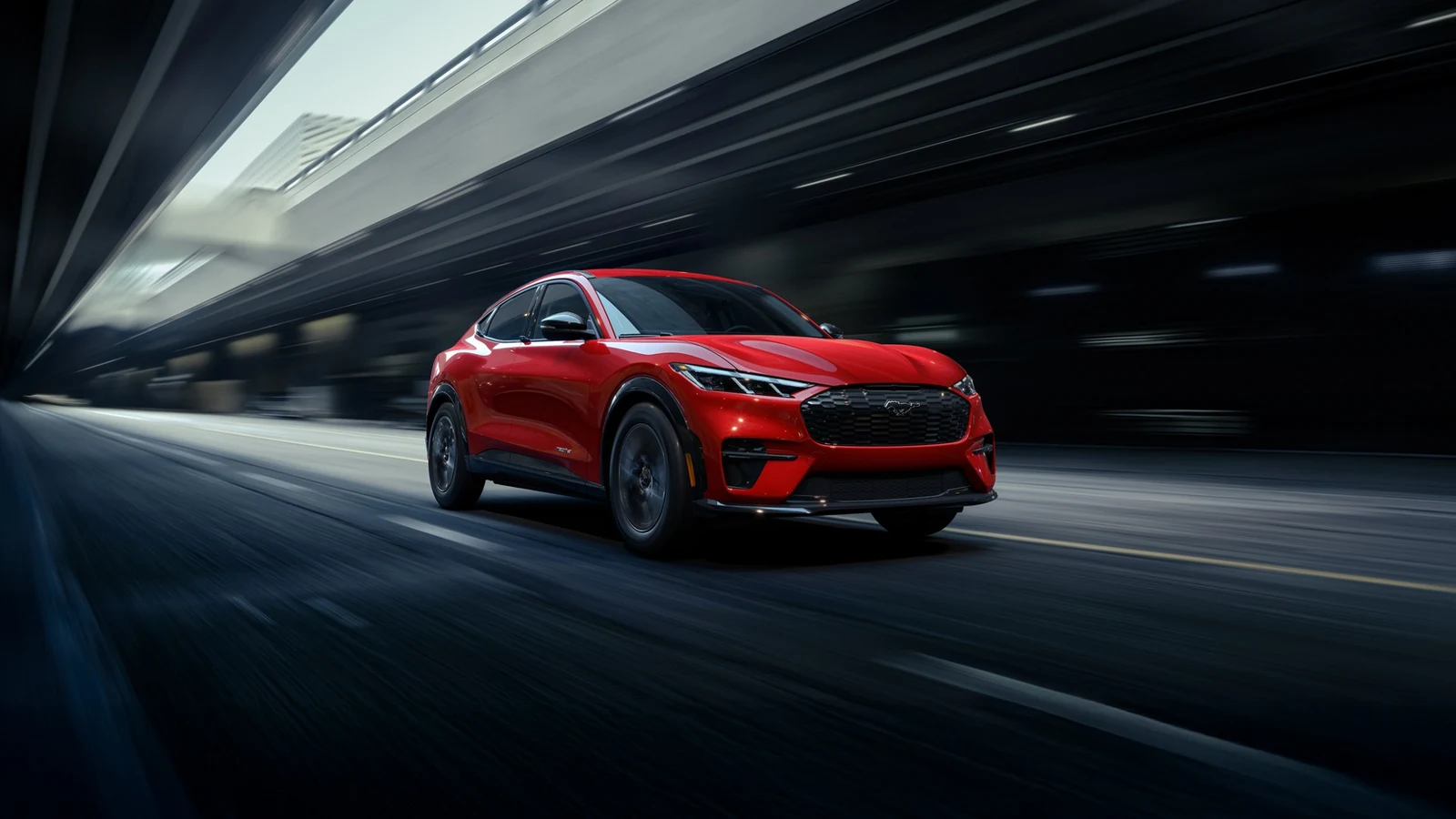
A buyer coming from a normal crossover who wants familiar buttons should test the Ford Mustang Mach-E on the same route, because its cabin feels closer to what you already know.
Test the screen against your real commute, not a showroom lap, because that is where the layout either clicks or wears on you.
Model Y against the hybrids and EVs you are really cross-shopping
Most Model Y shoppers are not choosing between electric crossovers alone.
The real cross-shop list often mixes EVs with hybrids, because the deciding question is whether you can charge at home at all.
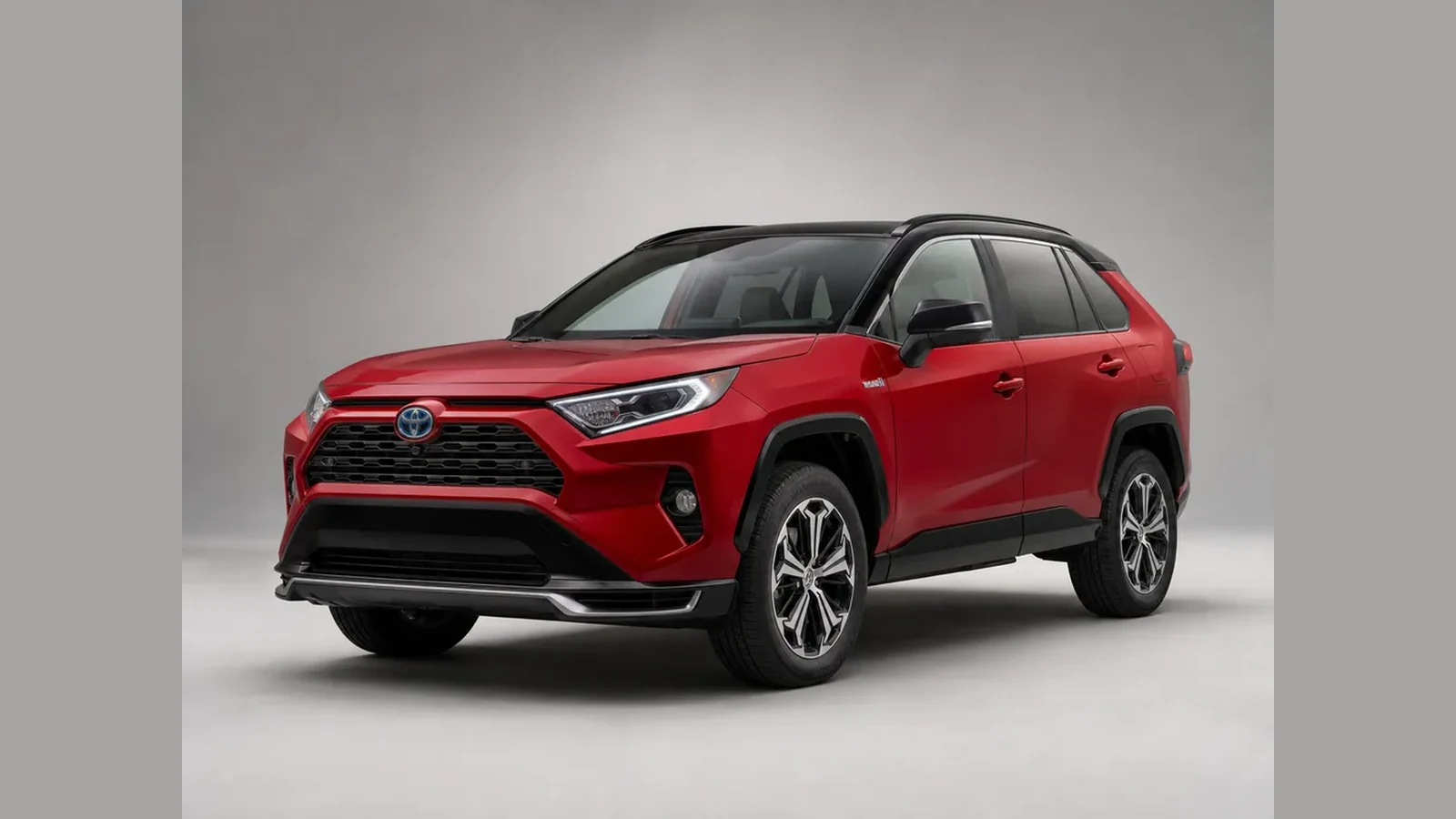
If home charging is uncertain, a Toyota RAV4 Hybrid can be easier to own even when fuel costs run higher.
You skip the charging puzzle entirely and still get a practical family hatch.
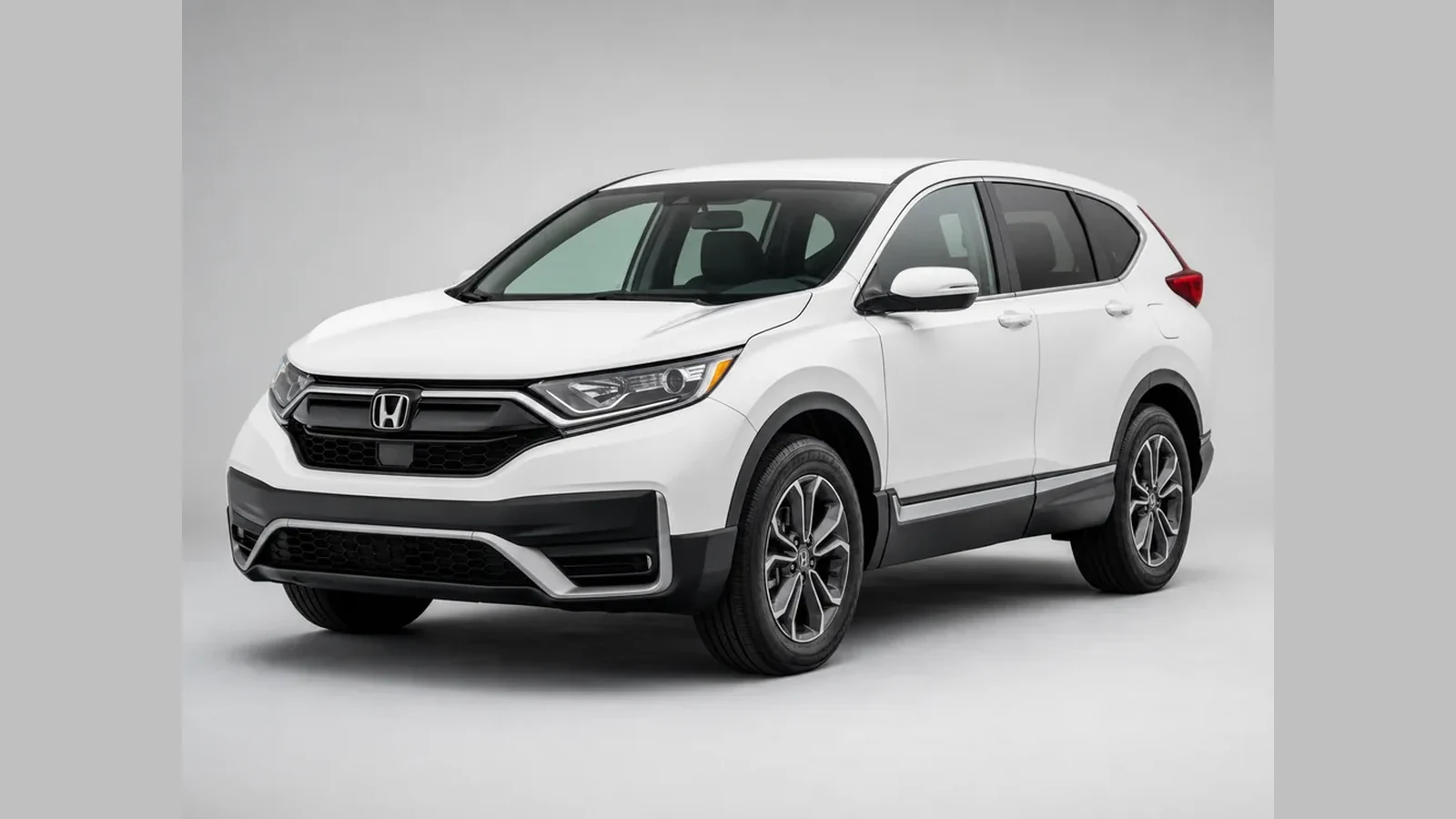
A Honda CR-V makes a similar case for a buyer who wants a cabin full of physical controls, and our CR-V versus RAV4 Hybrid comparison lays out that gas-and-hybrid side of the shortlist.
Pros
- Simpler public charging than most non-Tesla EVs
- Larger cargo hold than an EV sedan
- Strong range choices for road trips
- Cheap to fuel when you charge at home
Cons
- Screen-first controls that suit some drivers and annoy others
- Insurance that runs high in many regions
- Public charging that weakens the savings case
Among electric rivals, the Hyundai Ioniq 5 feels more lounge-like inside and can charge very quickly on strong hardware, while the Model Y answers with a bigger charging network and simpler station access.
The gap is charging hardware versus charging network, and your road-trip map decides which one matters more.
The Ford Mustang Mach-E drives with a more familiar feel for anyone leaving a gas crossover, and the sedan-shaped Model 3 answers for a buyer who does not need the hatch.
Each one trades something the Model Y keeps.
The Tesla wins this group when charging access and software convenience sit at the top of your list.
Start from your charging situation, then let the badge follow, because the plug decides more than the styling does.
What the Model Y really costs once the electrons look cheap
The Model Y fuel story looks unbeatable until the other bills show up. Cheap home electricity is real, and so are tires, insurance, and depreciation that a fuel calculator ignores.
Home charging is the biggest lever, and the rate you pay overnight often runs the car for a fraction of pump prices.
There are no oil changes, spark plugs, or exhaust parts to budget, which trims routine service to tires, filters, wipers, and the occasional alignment.
Tires are the cost most EV shoppers underestimate.
The car is heavy and puts down instant torque, so uneven wear, curb damage, or oversized wheels can quietly erase part of the fuel savings.
Insurance is the other surprise, because repair bills, sensors, glass, and regional claims push quotes higher than a similar gas crossover in some areas.
Get a quote with the exact trim and VIN before you order, not after.
| Cost area | What moves the bill | Buyer move |
|---|---|---|
| Electricity | Home rates beat public charging | Price your local home kWh rate |
| Tires | Weight and torque wear them fast | Rotate often, price EV-rated sets |
| Insurance | Repair cost and region | Quote before you order |
| Charging gear | Home install adds upfront cost | Price the electrical work early |
| Depreciation | Tesla prices can move fast | Avoid overpaying for options |
Home charging hardware is a first-year cost of its own.
A Level 2 charger, the wiring run, a permit, and a possible panel upgrade can turn a cheap fuel plan into a real upfront bill, so get an estimate before you compare monthly numbers.
Public fast charging is the road-trip tool, not the daily one, and it costs more per mile than charging at home.
Lean on it and part of the Model Y advantage fades, which is why the plug plan belongs before the trim choice.
Depreciation is harder to predict than on a gas mainstream SUV, because Tesla price changes and shifting incentives move used values quickly.
Buying after a price cut helps you, and overpaying for a lightly used car hurts.
Keep the tire pressure routine that protects both tread and range, since a heavy EV punishes soft or unrotated tires faster than a light sedan does.
If you are weighing a loan against a lease, our lease versus buy guide frames the EV resale risk that makes leasing tempting when incentives are high.
Cheap home charging plus a fair purchase price is what makes the Model Y cost less to run than the gas SUV it replaces.
Reliability, the used-Y inspection, and who should skip it
Model Y reliability is best read as EV simplicity plus a few Tesla-specific checks.
There is no engine, transmission, exhaust, or oil-change schedule, yet the car still rides on suspension, tires, brakes, glass, seals, sensors, and battery systems that need normal scrutiny.
The motors and high-voltage battery tend to age well, and an 8-year battery and drive unit warranty softens the biggest what-if.
The weaker spots sit in build quality, suspension noise, low-voltage 12-volt gremlins, charge-port behavior, and screen or camera quirks.
- 2020Model Y launches as Tesla's electric compact SUV
- 2021 to 2023Range choices widen and the used supply fills out
- 2024 to 2026Newer builds refine ride and cabin while the charging network stays the draw
Inspect a used Model Y like an EV and like a normal car at once.
A screen full of green icons does not replace a look underneath and a drive over rough pavement.
- Check tire tread and even wear across all four corners
- Listen for front suspension clunks over broken pavement
- Test the charge port and confirm speed on a known charger
- Inspect glass, seals, and hatch alignment for water intrusion
- Confirm service history, recalls, and remaining battery warranty
A strong range reading never cancels out worn tires, a suspension clunk, or a hidden collision repair.
Many first-time EV buyers fixate on battery health and overpay for a car with an expensive body problem.
Warranty dates matter as much as the odometer.
A low-mile used Model Y with more battery coverage left is a different risk from a cheaper car near the end of its term, so check both with the VIN.
A first-time buyer can set the inspection bar with our new versus used guide.
Buy the Model Y if you can charge at home, take the occasional road trip, and want an EV with a mature charging system already behind it.
Skip it if you hate screen controls, cannot charge where you park, or want a softer, button-filled cabin, since a RAV4 Hybrid can be less exciting and still easier to own.
Before you order, price home charging, quote insurance, choose smaller wheels if comfort matters, and run the slow screen test.
Scan the wider best electric cars list to see where the Model Y leads and trails, and if you are still torn between body styles, the how to choose an SUV guide sorts the space questions first.