
SUVs
SUVs are the default family vehicle in America: tall, roomy, and easy to get in and out of. Browse our reviewed SUVs by efficiency, cargo space, and reliability.
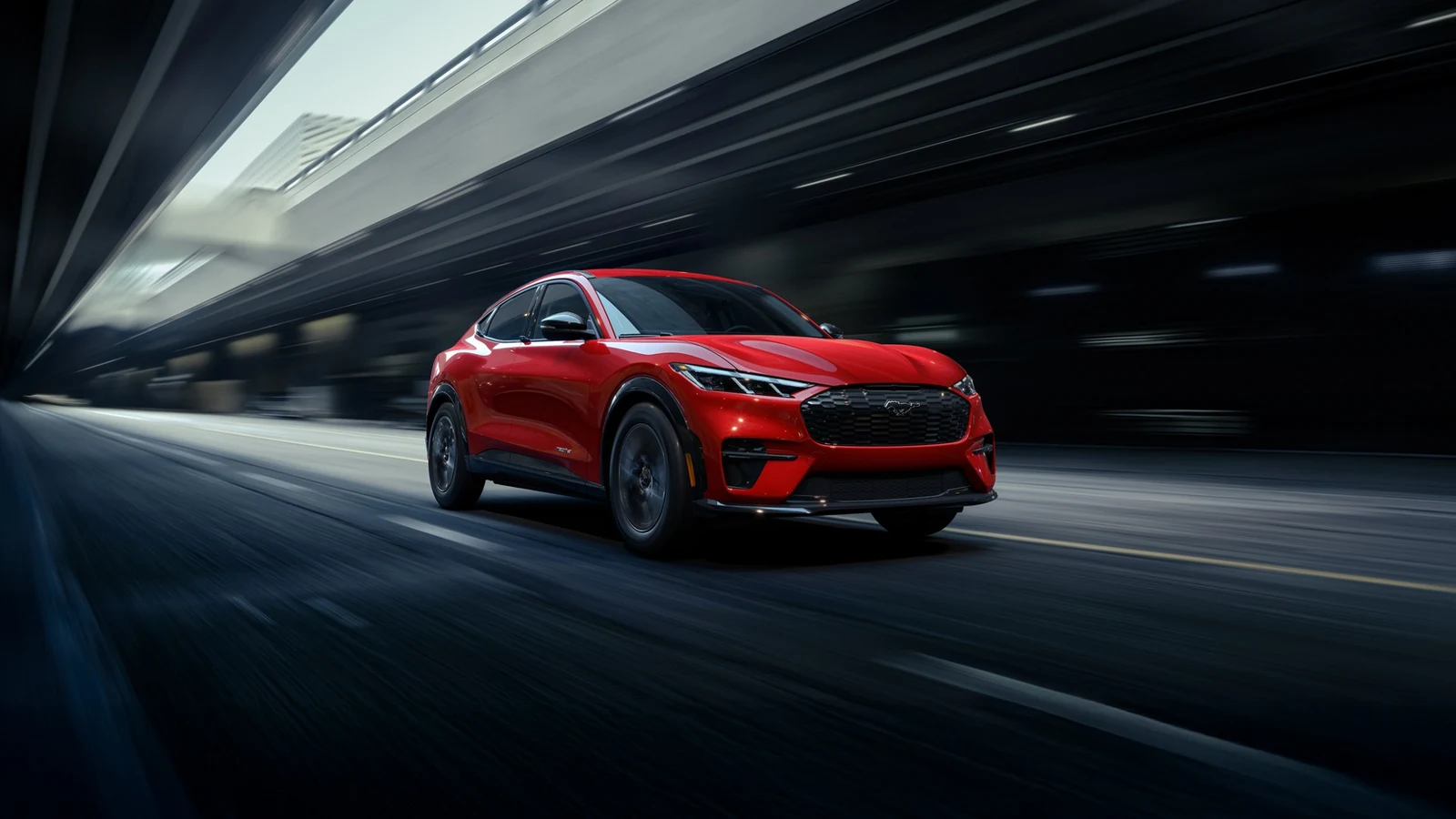
Ford Mustang Mach-E
Ford · $37,795 - $53,395The Ford Mustang Mach-E is the electric crossover for shoppers who want EV range without a Tesla-style cabin…
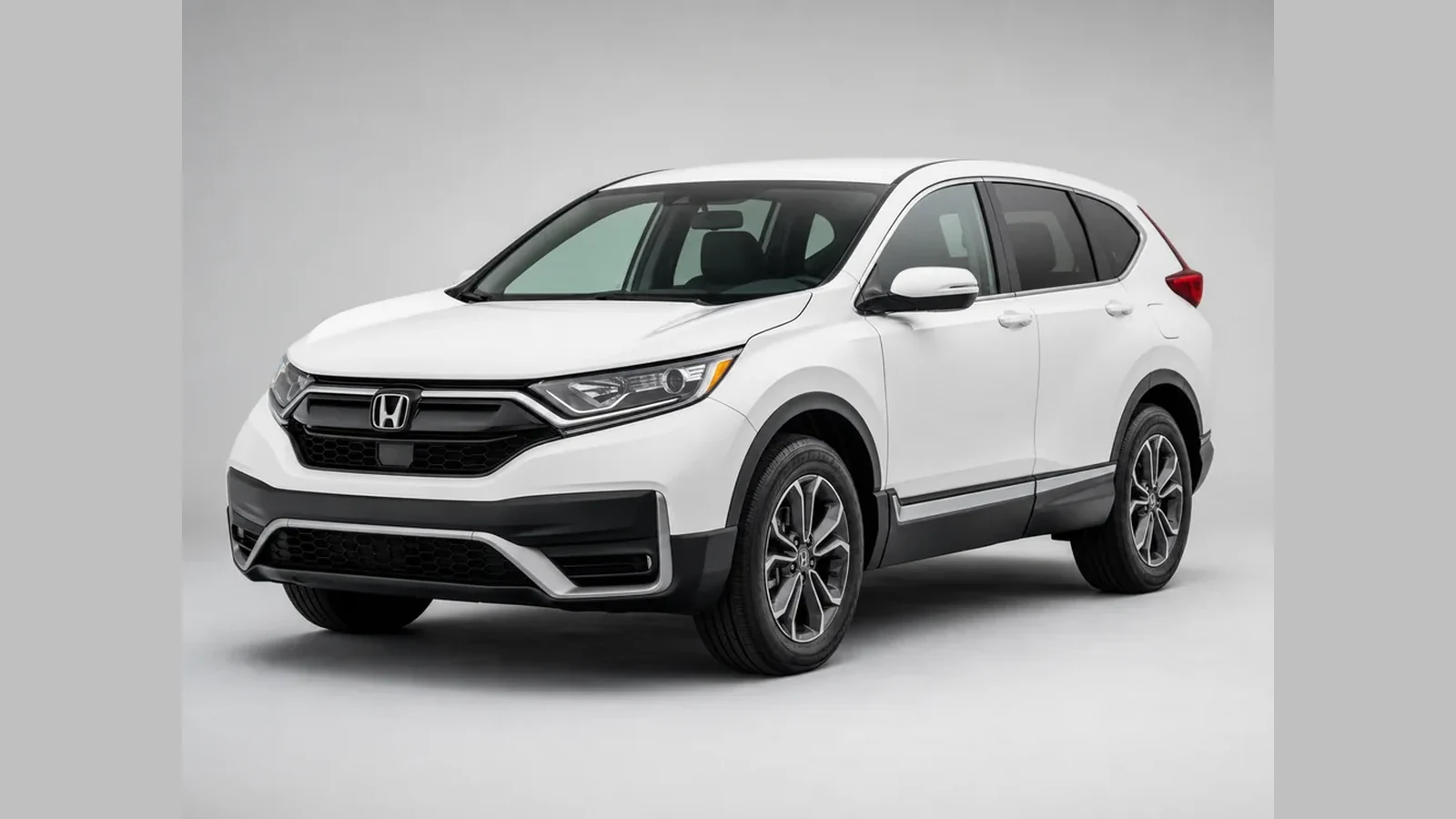
Honda CR-V
Honda · $30,920 - $42,550The Honda CR-V is the compact SUV to check first when cargo room and comfort matter more than rugged styling…
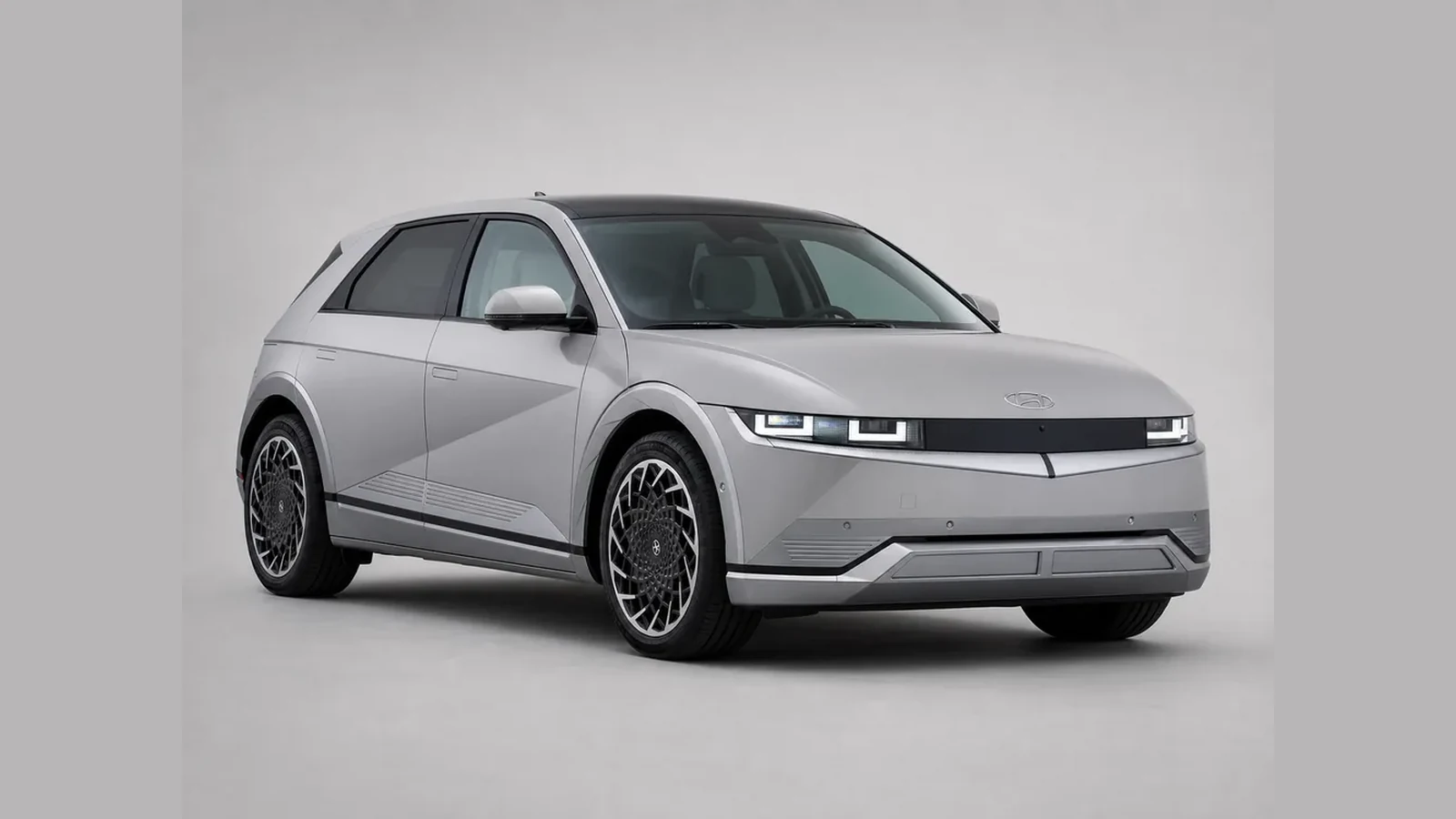
Hyundai Ioniq 5
Hyundai · $43,000 - $56,000The Hyundai Ioniq 5 is the most livable electric SUV in its class: a roomy, comfortable cabin and ultra-fast…
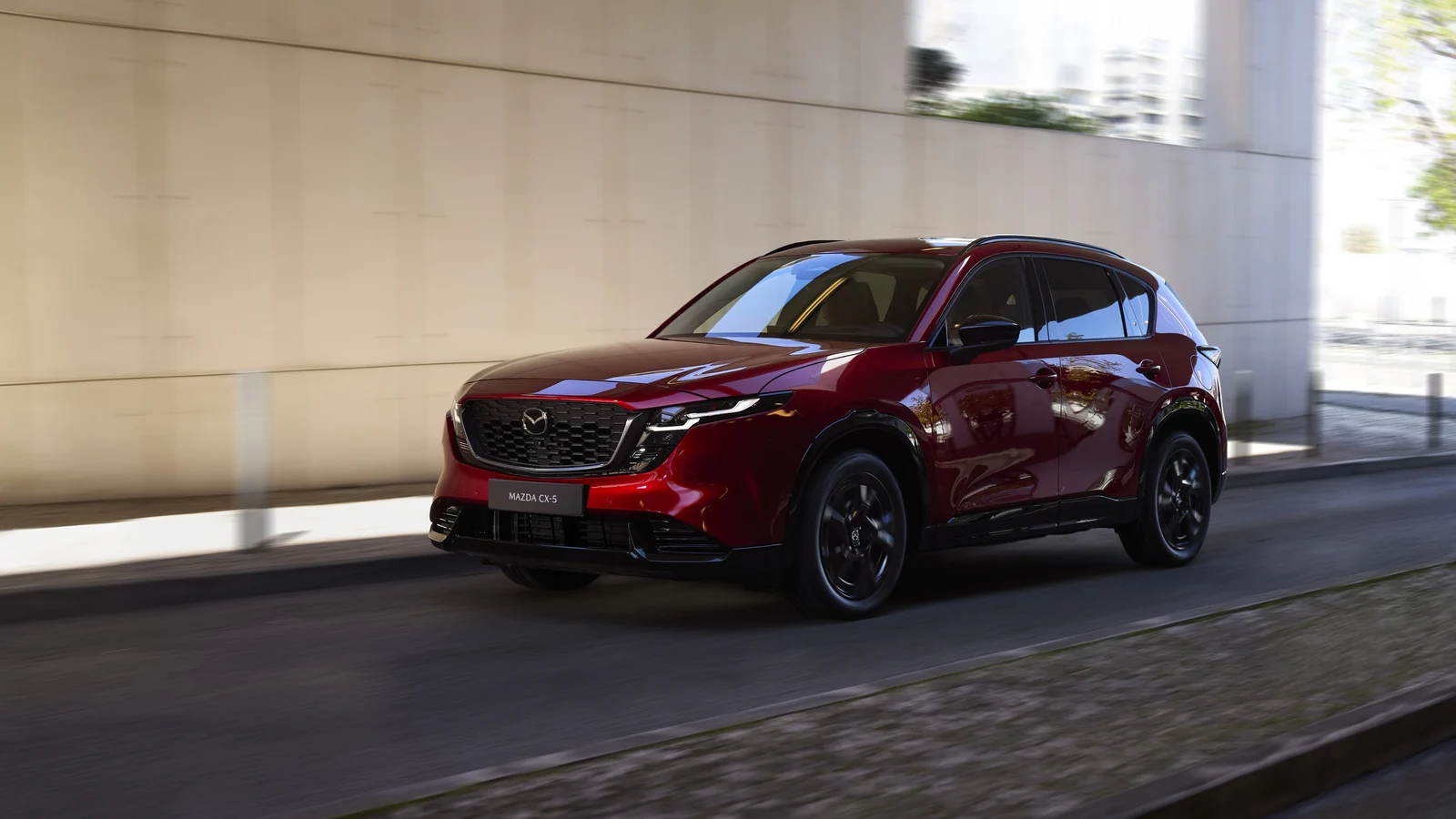
Mazda CX-5
Mazda · $30,000 - $40,000The Mazda CX-5 is the compact SUV for shoppers who still care how a practical car feels from the driver's…
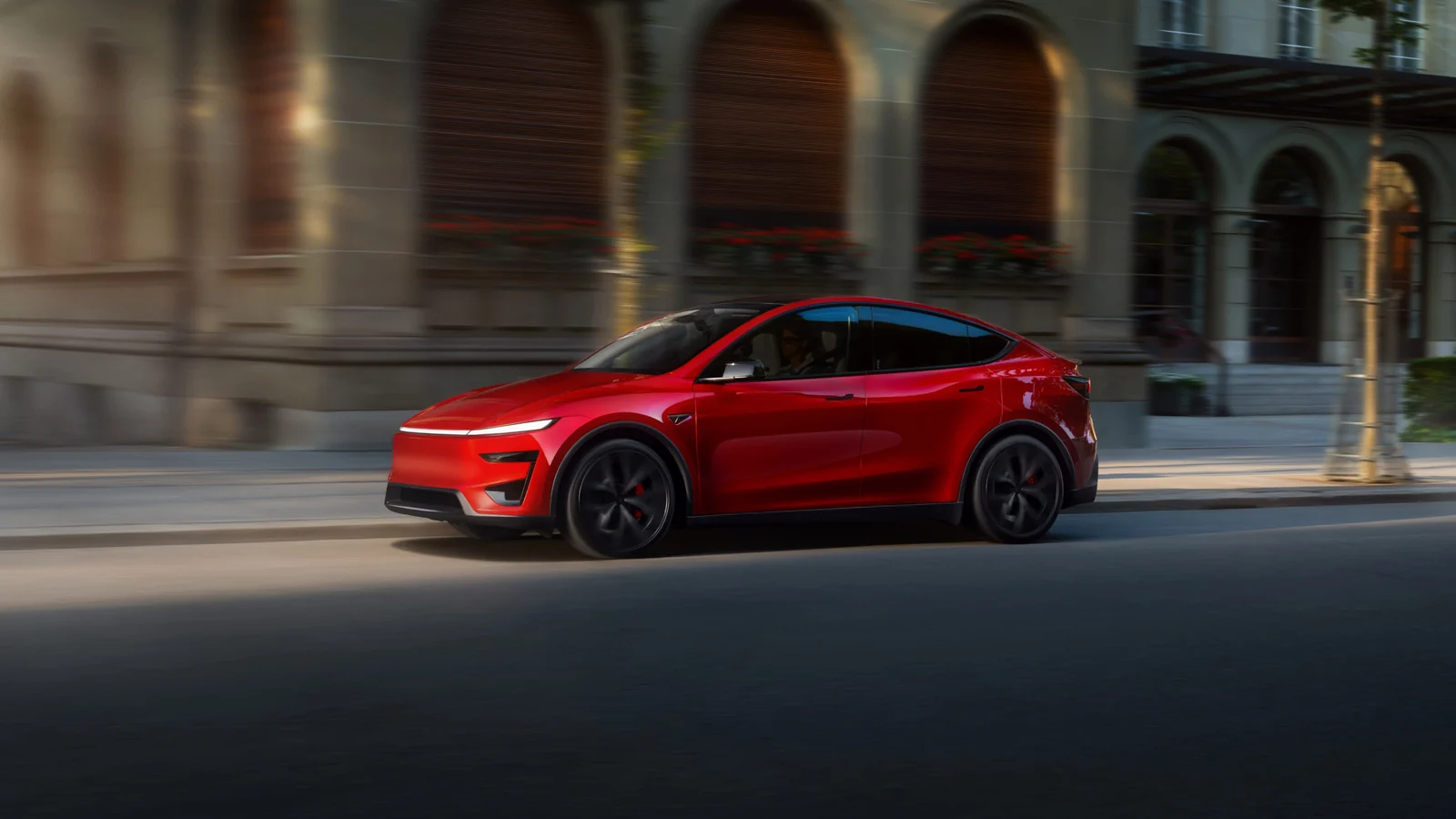
Tesla Model Y
Tesla · $41,630 - $57,000The Tesla Model Y is the easy-mode EV for many U.S. shoppers because the range, cargo space, software, and…
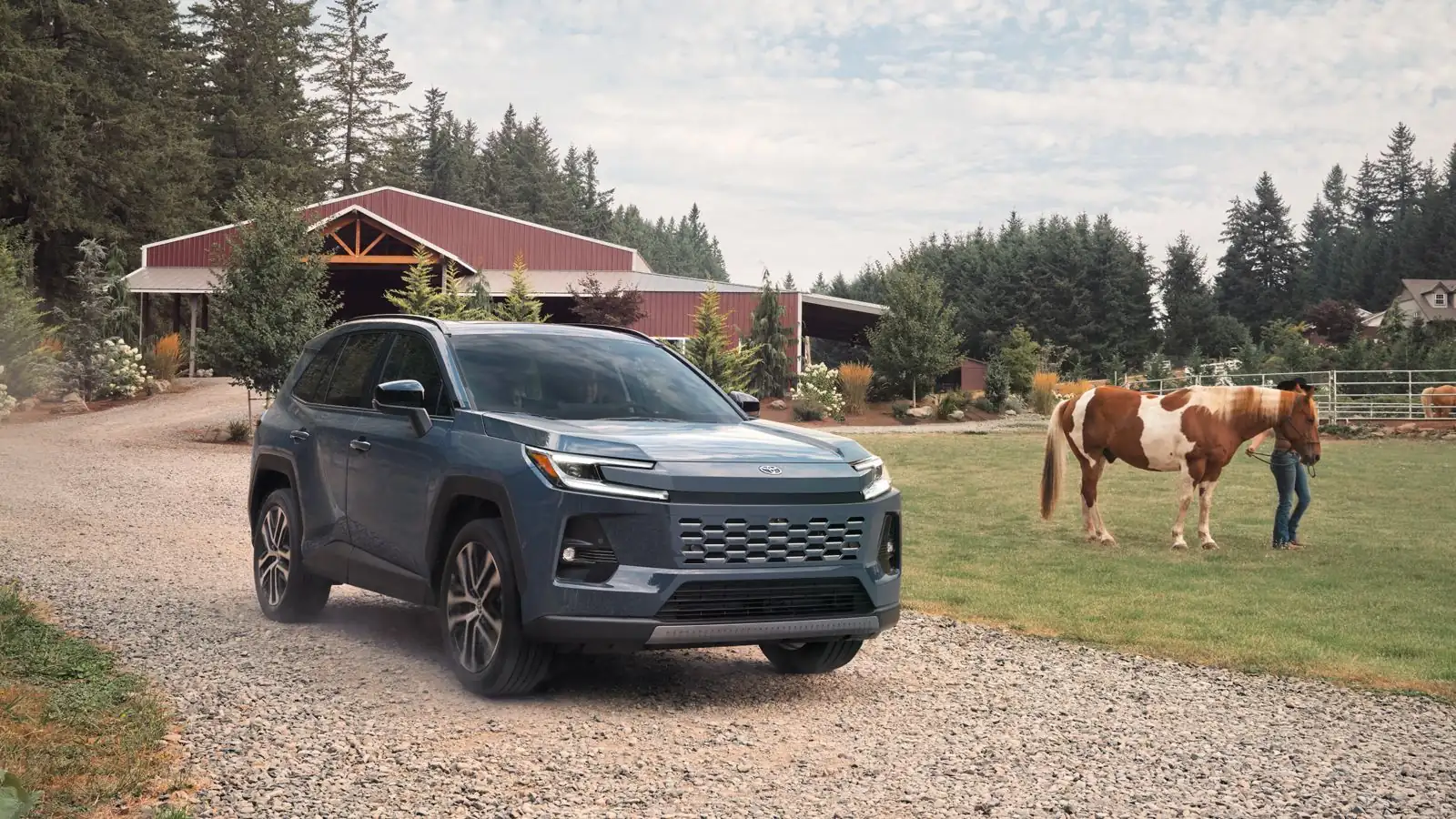
Toyota RAV4
Toyota · $31,900 - $43,300The Toyota RAV4 is now a hybrid-first compact SUV, not the old gas-versus-hybrid choice. The 2026 lineup…
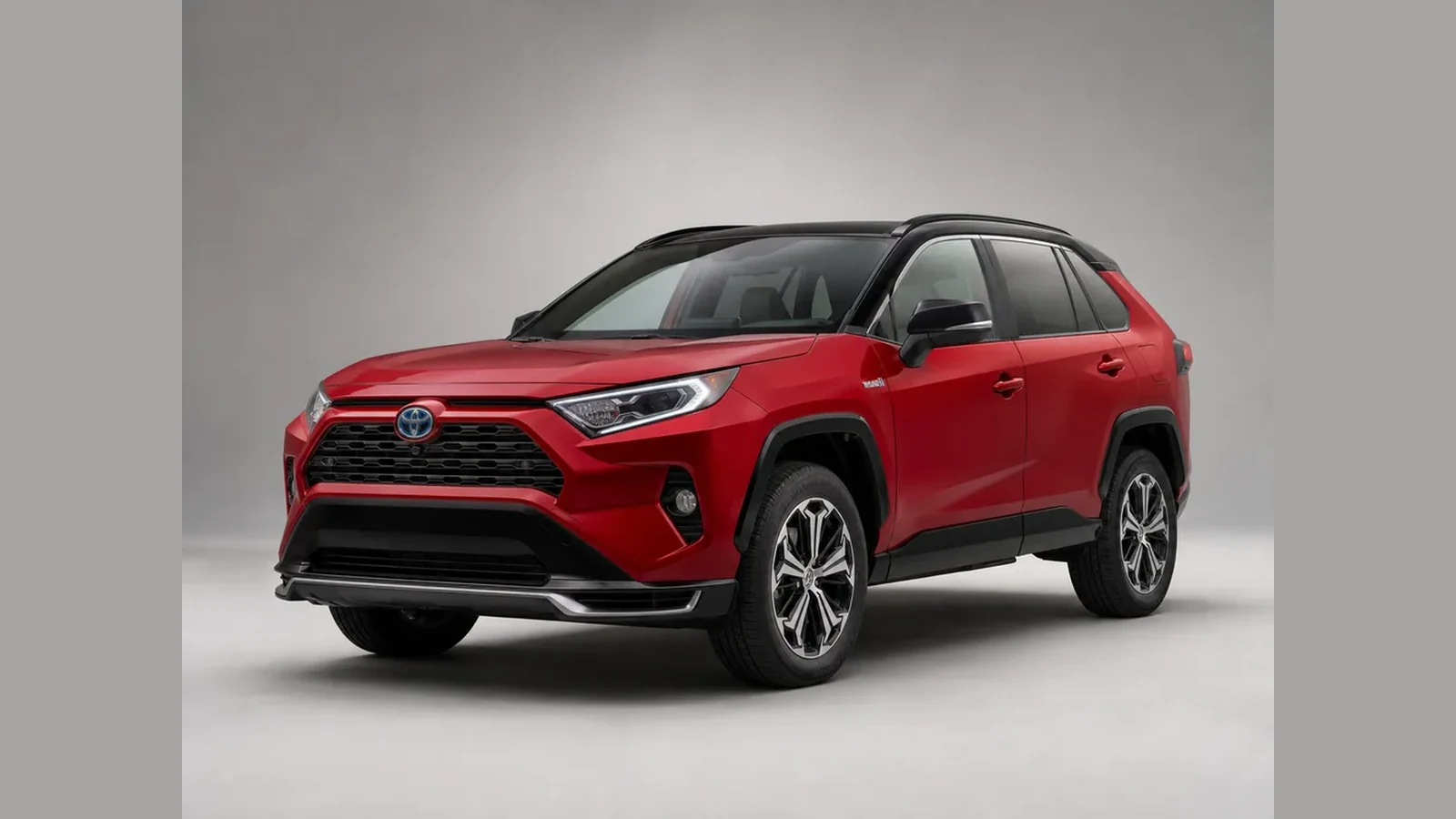
Toyota RAV4 Hybrid
Toyota · $32,000 - $42,000The Toyota RAV4 Hybrid is the efficiency champion of the compact SUV class. The 2026 RAV4 moves into a…
An SUV is the default new-car choice in America, and for good reason: it seats the family high, swallows the gear, and gets in and out easily.
The catch is that the word SUV now covers everything from a small city runabout to a three-ton hauler, so the badge alone tells you little.
Here is how to narrow the field to the one that fits your driving, your budget, and your winters.
What counts as an SUV today
Almost every SUV sold now is a crossover, which means it rides on a car platform instead of a truck frame. That one fact explains why a modern SUV drives more like a tall sedan than the rugged hauler the name suggests.
You get the high seating position and the big cargo hold without the harsh ride.
The trade shows up at the extremes.
A unibody crossover like the Honda CR-V carpools and road-trips well, but it will not match a body-on-frame truck for heavy towing or serious off-road work.
For nine in ten buyers the crossover is the right tool, and the truck-based SUV is more than they need.
Traditional body-on-frame SUVs still exist for towing large trailers and driving off pavement. If that is your weekend, a pickup platform serves you better than any of the crossovers here.
Pick the size class that fits your life
SUVs split into four size classes, and the class matters more than the badge. Going one size up adds cargo and passenger room but costs you fuel economy, price, and parking ease.
| Class | Typical use | Seats |
|---|---|---|
| Subcompact | City driving, one or two people | 5 |
| Compact | The default family SUV | 5 |
| Midsize | More cargo and towing | 5 |
| Three-row | Six to eight people | 7 to 8 |
Most families are best served by a compact SUV. It carries a stroller, a big grocery run, and four adults without the fuel penalty or the tight-garage problem of a three-row.
If you regularly seat six or more, go straight to a 7-seater instead of forcing car seats into a compact.
Gas, hybrid, or electric changes the running cost
Powertrain is the biggest lever on what an SUV costs each month. The shapes are similar, but the fuel bills are not.
A hybrid compact like the Toyota RAV4 Hybrid returns around 40 mpg in mixed driving, close to double what a decade-old SUV managed. That saving repays the small price premium within a few years for most commuters.
Browse every hybrid model if a low fuel bill is your priority.
An electric SUV like the Tesla Model Y or Hyundai Ioniq 5 skips the gas station entirely when you can charge at home.
Home charging is the deciding factor for an electric SUV: with it, running cost drops sharply, and without it a hybrid usually makes more sense.
Compare range across the full electric lineup.
Gas still wins on up-front price and simplicity. If you drive modest miles, the fuel saving may never repay a hybrid premium, and a plain gas Mazda CX-5 keeps the sticker low.
All-wheel drive is needed less often than it sells
Dealers sell all-wheel drive as a safety feature, but it helps in fewer situations than most buyers assume. AWD sends power to all four wheels for grip on snow, gravel, and wet launches.
It does nothing for braking or cornering on dry roads.
Pros
- Real traction on snow and ice
- Confident starts on wet or loose surfaces
- Stronger resale in snowy regions
Cons
- Costs more up front and every year in fuel
- Adds weight, so economy dips slightly
- Winter tires matter more than driven wheels
If you live where it snows, all-wheel drive plus winter tires is worth the money. If you rarely see snow, front-wheel drive saves fuel with no real downside.
A set of proper winter tires on a front-drive SUV out-grips an all-wheel-drive SUV on summer tires every time.
What an SUV really costs versus a sedan
An SUV usually costs more to buy and more to run than the sedan it shares parts with. You pay for the extra size in the sticker, the fuel, and the tires.
The gap is smaller than it used to be, and the space is genuinely useful for families and gear. But it is not free.
If you rarely fill the cargo area or the back seat, a sedan does the same daily job for less. Buy the SUV for space you will actually use, not for the higher seating position alone.
Reliability follows the brand, not the body style. A Toyota or Honda crossover holds up and holds its value better than most, which is why they anchor our best family SUVs list.
How we rank the SUVs here
Every SUV profile on this page is scored on the same measures: real fuel economy, cargo and passenger space, reliability history, and five-year cost to own. We read EPA figures, NHTSA safety data, and long-term reliability records, and a reviewing expert signs off on the buying advice.
Start with the best family SUVs for the shortlist, or compare two rivals head to head, like the CR-V against the RAV4 Hybrid, to see how close the field really is.
Frequently Asked Questions
Is a crossover the same as an SUV?
What size SUV does a family of four need?
Is a hybrid SUV worth the extra cost?
Do I really need all-wheel drive?
Are SUVs more expensive to own than sedans?
Compare before you commit
Line up two cars you are cross-shopping side by side, then read the full research-first review before you buy.
Compare cars