All-Wheel-Drive Cars
All-wheel drive sends power to every wheel for grip in snow, rain, and on loose surfaces. Browse our reviewed all-wheel-drive cars by traction, efficiency, and cost.
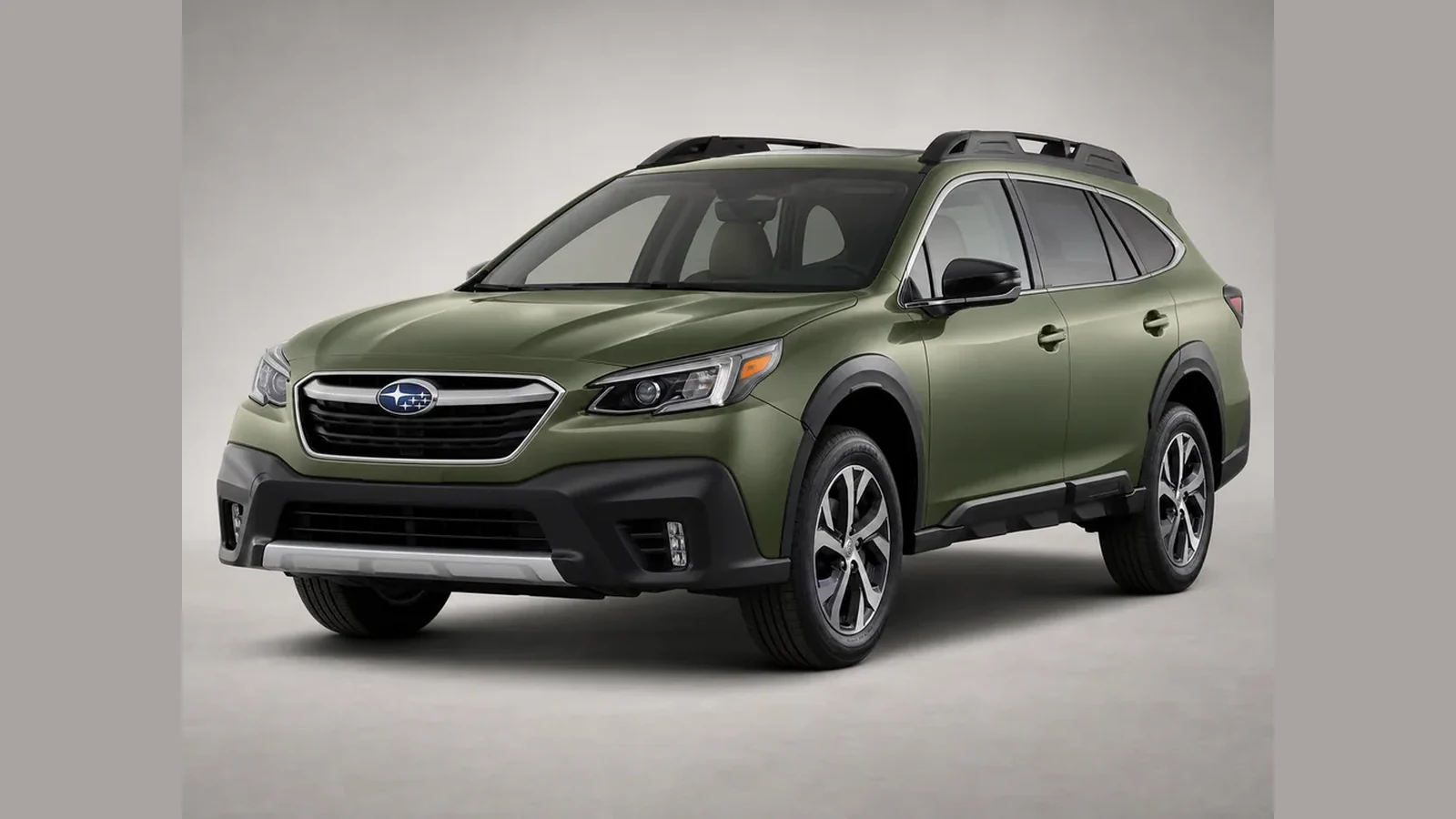
Subaru Outback
Subaru · $30,000 - $43,000The Subaru Outback is the rugged wagon that outdoorsy families love: standard all-wheel drive, 8.7 inches of…
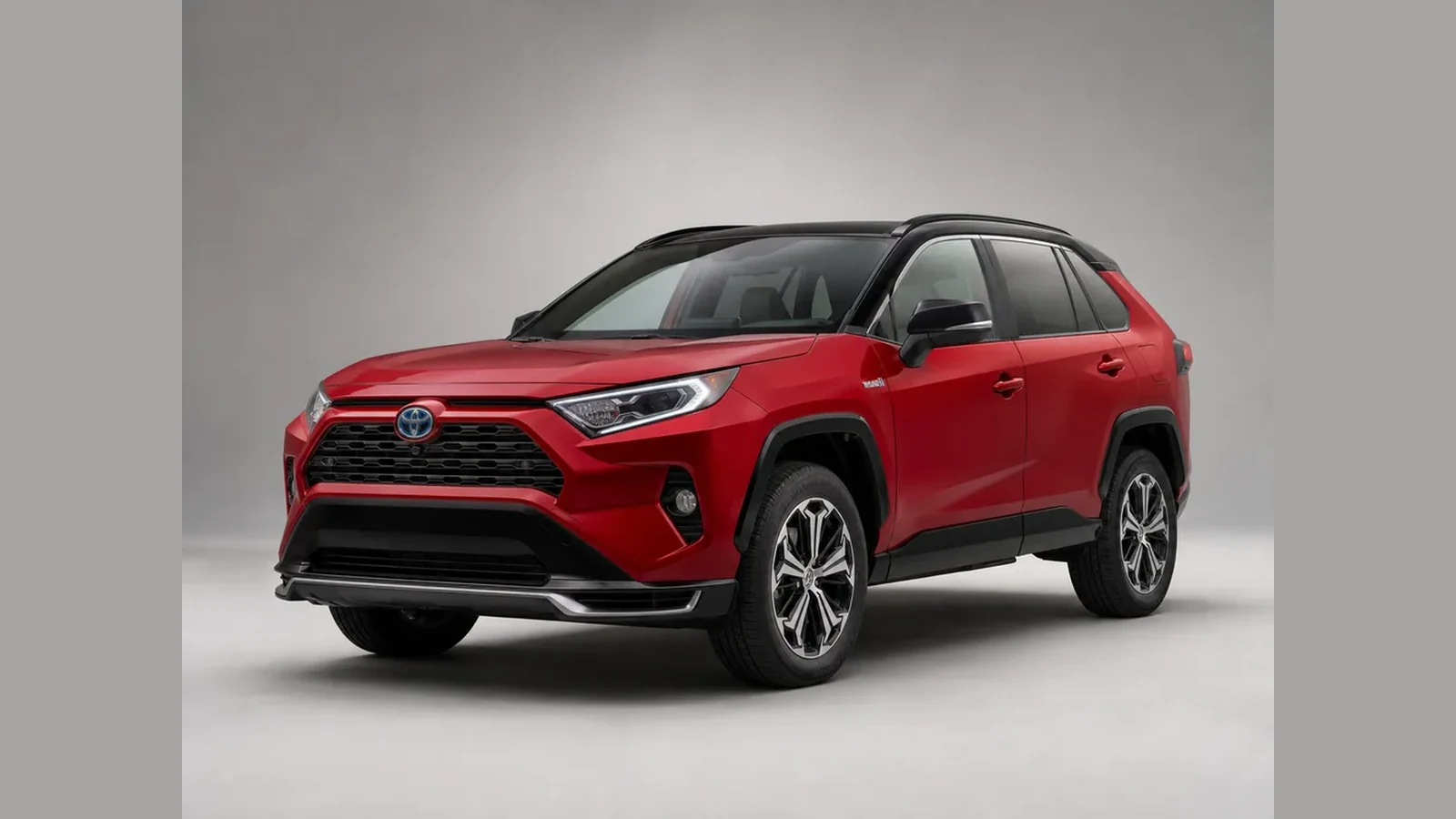
Toyota RAV4 Hybrid
Toyota · $32,000 - $42,000The Toyota RAV4 Hybrid is the efficiency champion of the compact SUV class. The 2026 RAV4 moves into a…
All-wheel drive is the option buyers add without asking what it does.
Dealers frame it as a safety feature, snow-belt neighbors swear by it, and roughly half the SUVs on the lot wear the badge.
What AWD actually gives you is grip when you accelerate: it splits engine power across all four wheels so you can pull away on snow, gravel, or a wet ramp without spinning.
That is worth real money in the right climate and close to nothing in the wrong one. Here is how to tell which buyer you are.
What all-wheel drive actually does
All-wheel drive is a traction system, not a safety system.
It helps only when a wheel would otherwise slip under power, which happens at two moments: launching from a stop and climbing a slick grade.
In both cases sending torque to four contact patches instead of two keeps you moving when a front-drive car would sit and spin.
That is the whole job.
AWD does nothing for braking and nothing for cornering, because stopping and turning depend on tire grip, not on how many wheels the engine drives.
A four-wheel-drive SUV on worn tires still slides through an icy corner and still needs a longer distance to stop.
The confidence the badge sells you on a snowy launch does not carry over to the parts of winter driving that actually cause crashes.
Knowing that boundary changes how you shop. You stop paying for AWD as insurance against every hazard and start weighing it as one tool that solves one problem well.
Where AWD earns its keep
The case for all-wheel drive gets stronger the more your week involves loose or frozen surfaces.
Snow-covered streets before the plow arrives, an unpaved driveway, a boat ramp, a gravel road to a trailhead: these are the launches where two driven wheels dig in and lose, and four dig in and go.
A Subaru Outback is built around exactly this brief.
Its symmetrical AWD is standard on every trim, paired with a raised ground clearance that clears deeper snow and rougher tracks than a typical wagon rides over.
For a buyer in the mountains or the snow belt, that combination replaces the taller SUV most people would default to, at a lower ride height and better economy.
Outside that world the payoff shrinks fast.
If your winter is a few slushy mornings and your roads see a plow by breakfast, AWD spends most of the year as dead weight you are carrying and fueling for a handful of launches.
Good winter tires beat driven wheels
Here is the trade dealers rarely spell out. The rubber touching the road matters more than the number of wheels the engine turns.
A front-wheel-drive car on four proper winter tires out-grips an all-wheel-drive car on all-season tires in the two places AWD cannot help: braking and cornering.
Pros
- AWD adds traction only when you accelerate
- Winter tires add grip when you launch, brake, and turn
- Winter tires shorten stopping distance on ice and snow
Cons
- AWD does nothing to shorten a stop
- All-season tires harden and lose grip below about 45 degrees
- AWD plus summer or worn tires is the worst winter setup
The strongest winter setup is both: all-wheel drive to launch and a dedicated set of winter tires to steer and stop.
If you can only buy one, buy the tires, because they help in every winter maneuver while AWD helps in only one.
A driver on winter rubber and front-wheel drive is safer in a storm than a neighbor with AWD and hard all-seasons who assumes the badge has him covered.
The cost and fuel penalty
All-wheel drive is never free. It adds a few hundred to well over a thousand dollars to the sticker, and then it keeps charging you.
The extra driveshaft, differential, and hardware add weight and drag, so an AWD version of the same car burns more fuel every mile you drive, snow or shine.
The hit is smaller than it used to be.
A Toyota RAV4 Hybrid uses a rear electric motor for its all-wheel drive, so it adds traction with only a light fuel cost and still returns up to 47 mpg in the city.
A conventional gas AWD system usually costs you a mile or two per gallon against the front-drive version.
Over years of driving that adds up, which is why the hybrid approach to AWD makes the option easier to justify than it once was.
How AWD systems differ
Not all all-wheel drive works the same way, and the difference decides how much it helps and how much it costs.
Most car-based AWD is on-demand: the car drives the front wheels most of the time and sends power rearward only when it detects slip.
A few systems, Subaru's among them, drive all four wheels full time for a more predictable footing.
| Type | How it works | Trade |
|---|---|---|
| On-demand | Front-drive until a wheel slips, then sends power back | Best economy, brief lag as it reacts |
| Full-time | All four wheels driven at all times | Steadier grip, small extra fuel cost |
The Outback runs full-time symmetrical AWD, which is why it feels planted on a snowy on-ramp before any wheel has slipped.
The RAV4 Hybrid uses an on-demand electric rear axle that favors economy and wakes up the instant the fronts lose grip. Both handle real winter driving.
The Subaru leans toward all-weather footing, the Toyota toward fuel bills.
AWD or front-wheel drive
Strip away the marketing and the choice is simple.
Buy all-wheel drive if you regularly drive on snow, ice, gravel, or unplowed roads, tow in the wet, or live where a bad winter is normal rather than rare.
In those conditions AWD plus winter tires is money well spent, and it protects resale in snowy regions too.
Skip it if you live in a mild climate or a city that plows quickly.
For a driver who rarely sees snow, front-wheel drive saves the up-front cost and the fuel every year with no real downside.
The one setup to avoid is rear-wheel drive without winter tires in a snowy place, since a rear-drive car is the hardest to launch on ice.
Match the drivetrain to your weather, not to the neighbor's, and you stop paying for grip you will never use.
How we rank these AWD models
Every all-wheel-drive model here is scored on the same measures as its front-drive rivals: real fuel economy, the traction hardware and how it behaves, reliability history, and five-year cost to own.
We read EPA fuel figures and NHTSA safety data alongside long-term reliability records, and a reviewing expert signs off on the buying advice before it goes live.
Start with the model that fits your winter, the standard-AWD Subaru Outback for snow-belt drivers or the efficient RAV4 Hybrid for a lighter fuel bill, and read the full Subaru lineup if all-weather grip is the top of your list.
Frequently Asked Questions
Does all-wheel drive help you stop or corner on ice?
Do I really need AWD, or is front-wheel drive enough?
How much fuel does all-wheel drive cost me?
Is the Subaru Outback's AWD different from a RAV4's?
Are winter tires or AWD more important for snow?
Compare before you commit
Line up two cars you are cross-shopping side by side, then read the full research-first review before you buy.
Compare cars