Front-Wheel-Drive Cars
Front-wheel drive keeps cars lighter, cheaper, and more efficient, and it handles most weather fine on good tires. Browse our reviewed front-wheel-drive cars.
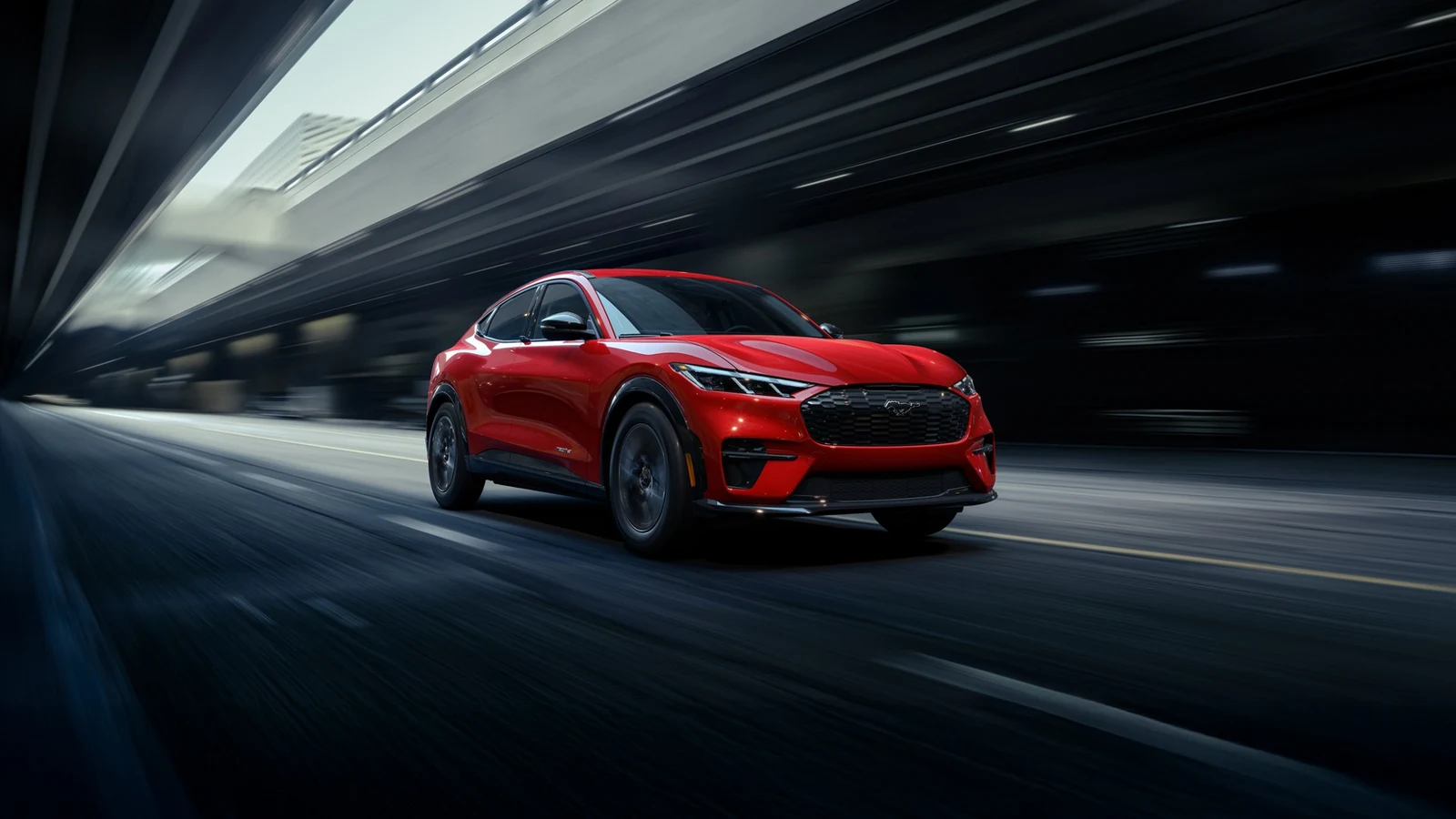
Ford Mustang Mach-E
Ford · $37,795 - $53,395The Ford Mustang Mach-E is the electric crossover for shoppers who want EV range without a Tesla-style cabin…
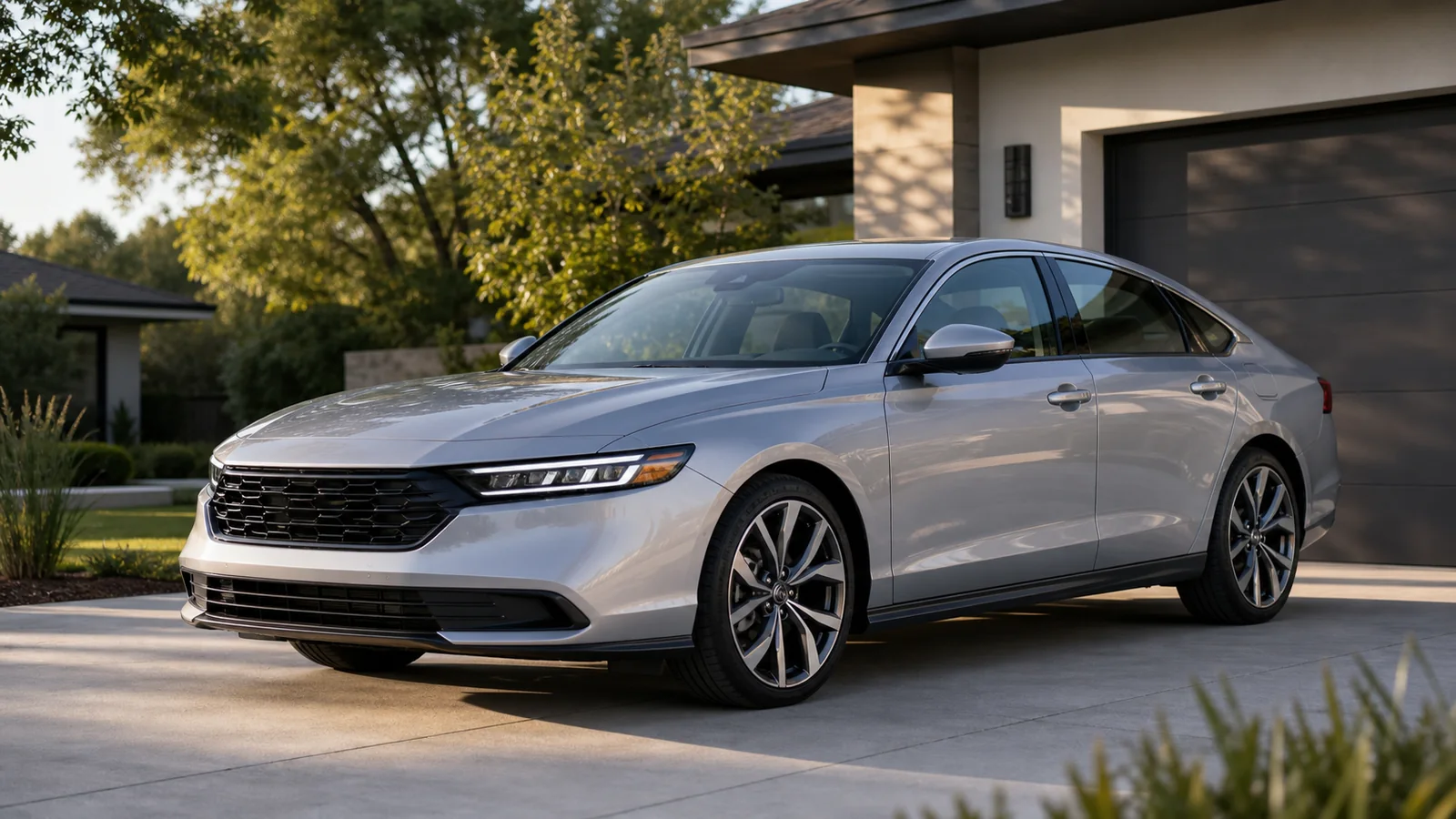
Honda Accord
Honda · $29,000 - $40,000The Honda Accord is the midsize sedan for buyers who still care how a practical car drives. The gas LX and SE…
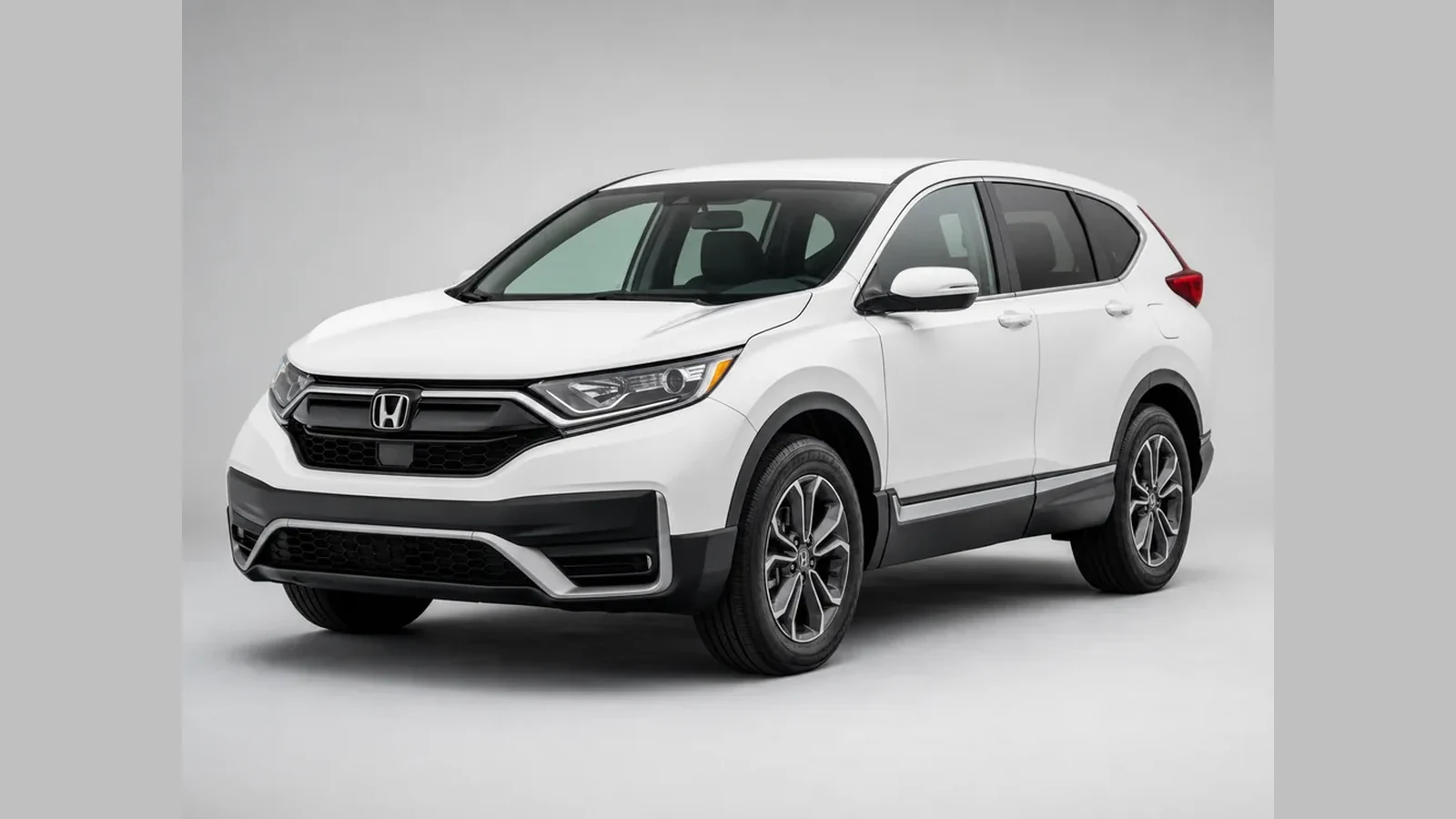
Honda CR-V
Honda · $30,920 - $42,550The Honda CR-V is the compact SUV to check first when cargo room and comfort matter more than rugged styling…
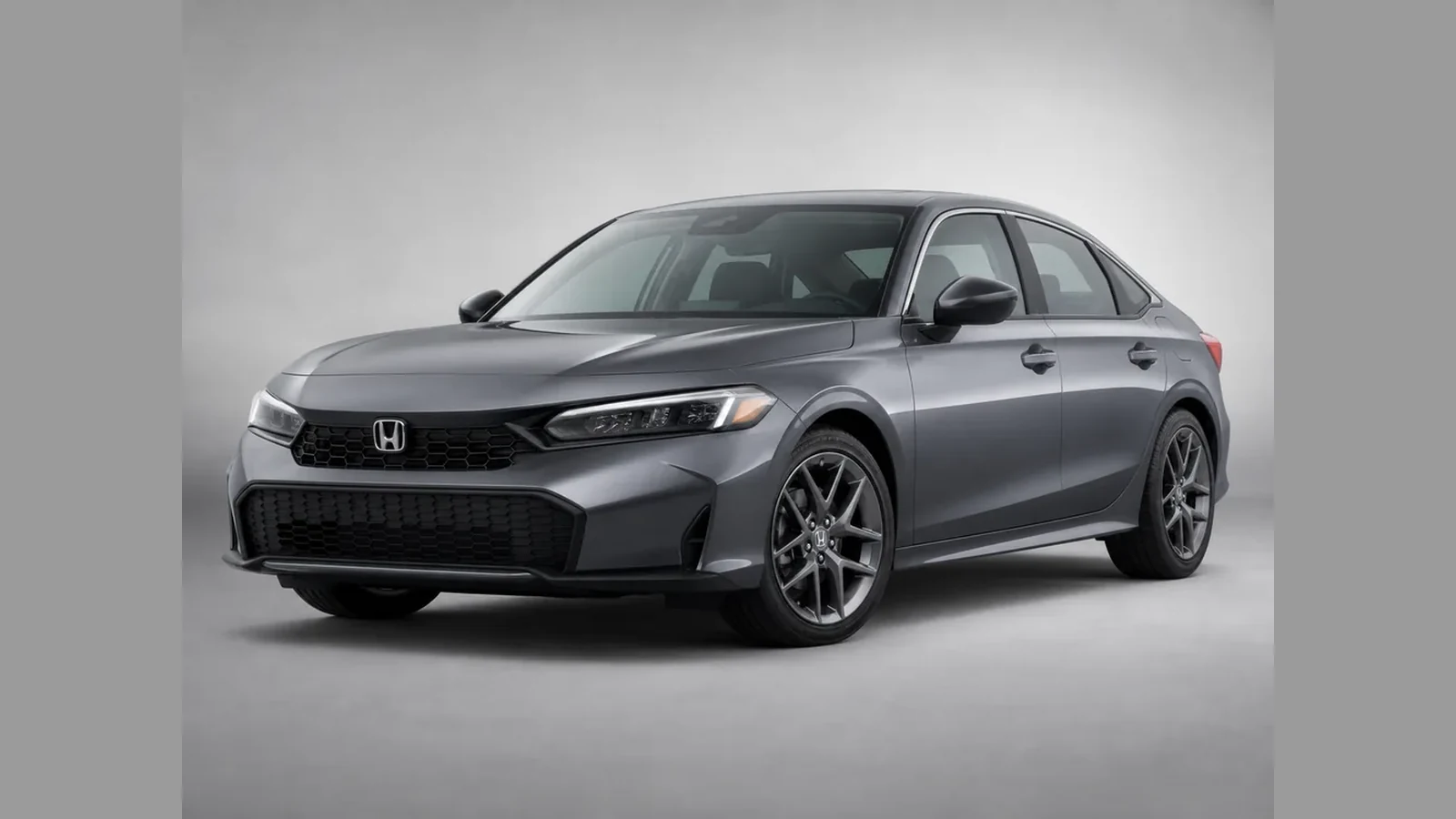
Honda Civic
Honda · $24,695 - $32,395The Honda Civic works because it does not feel like a penalty box. It is affordable, roomy for a compact…
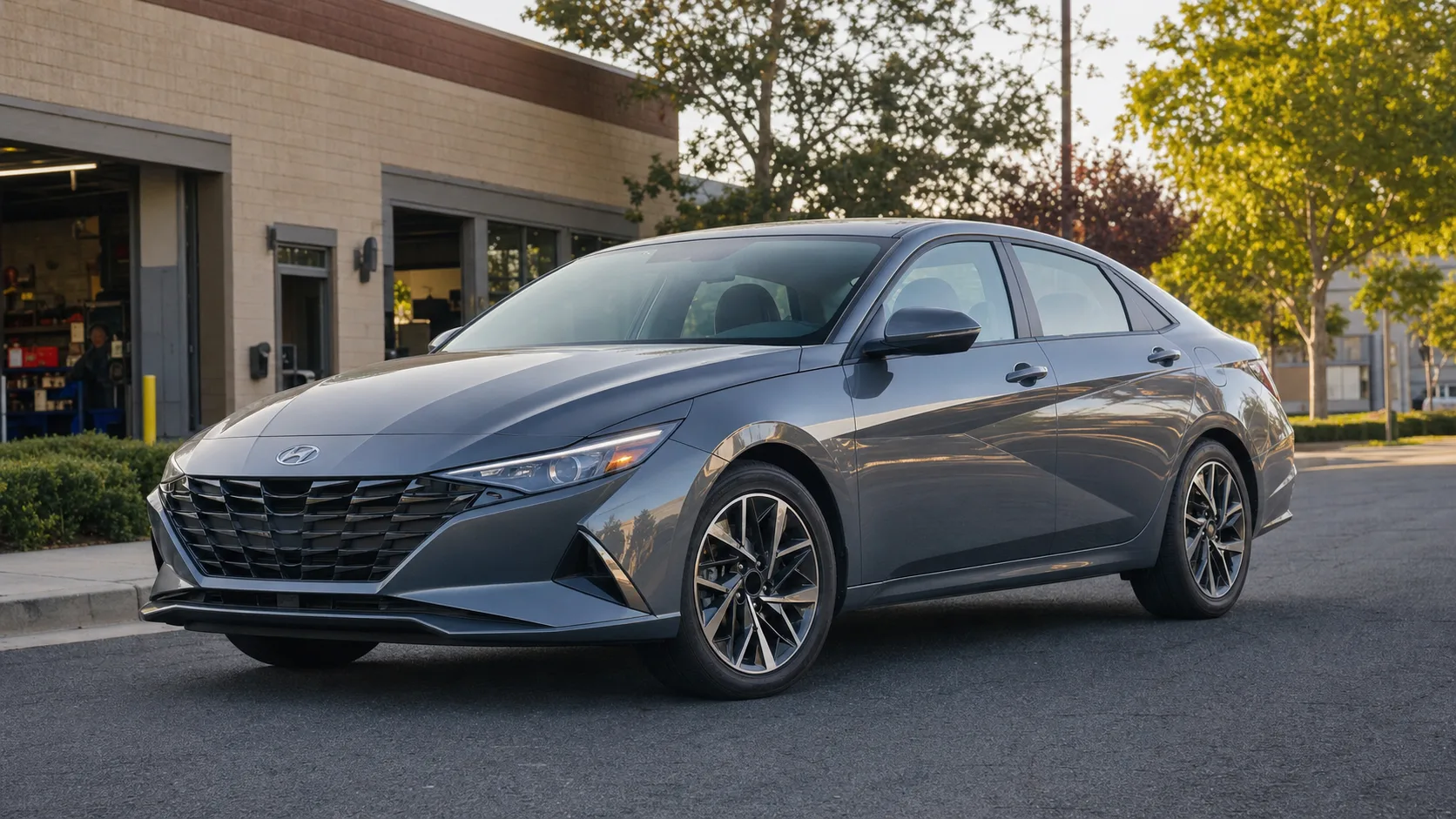
Hyundai Elantra
Hyundai · $22,625 - $35,100The Hyundai Elantra is the compact sedan for shoppers who want a low payment, a long warranty, sharp styling…
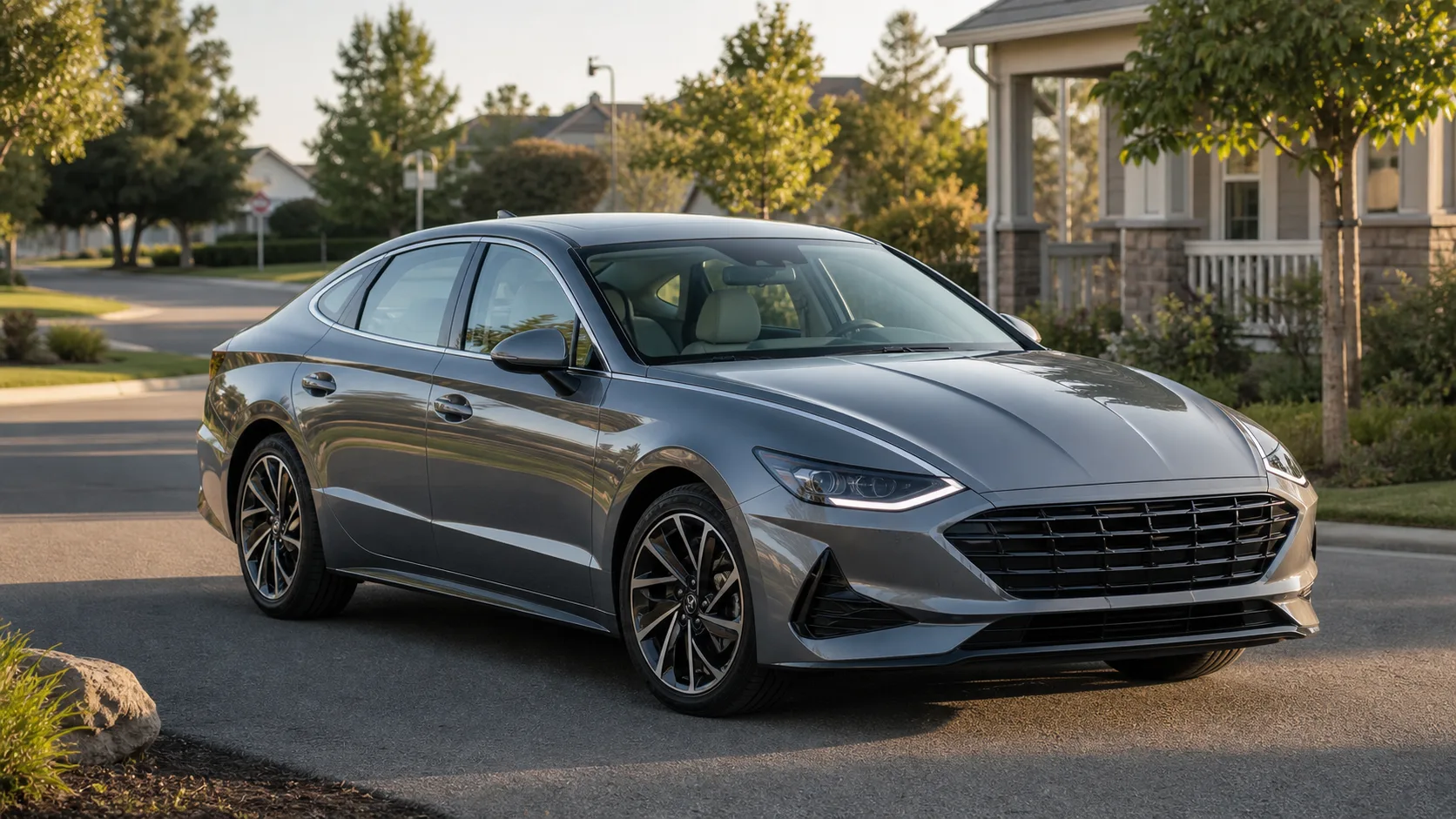
Hyundai Sonata
Hyundai · $27,450 - $38,250The Hyundai Sonata is the midsize sedan for buyers who want space, warranty value, and standout styling…
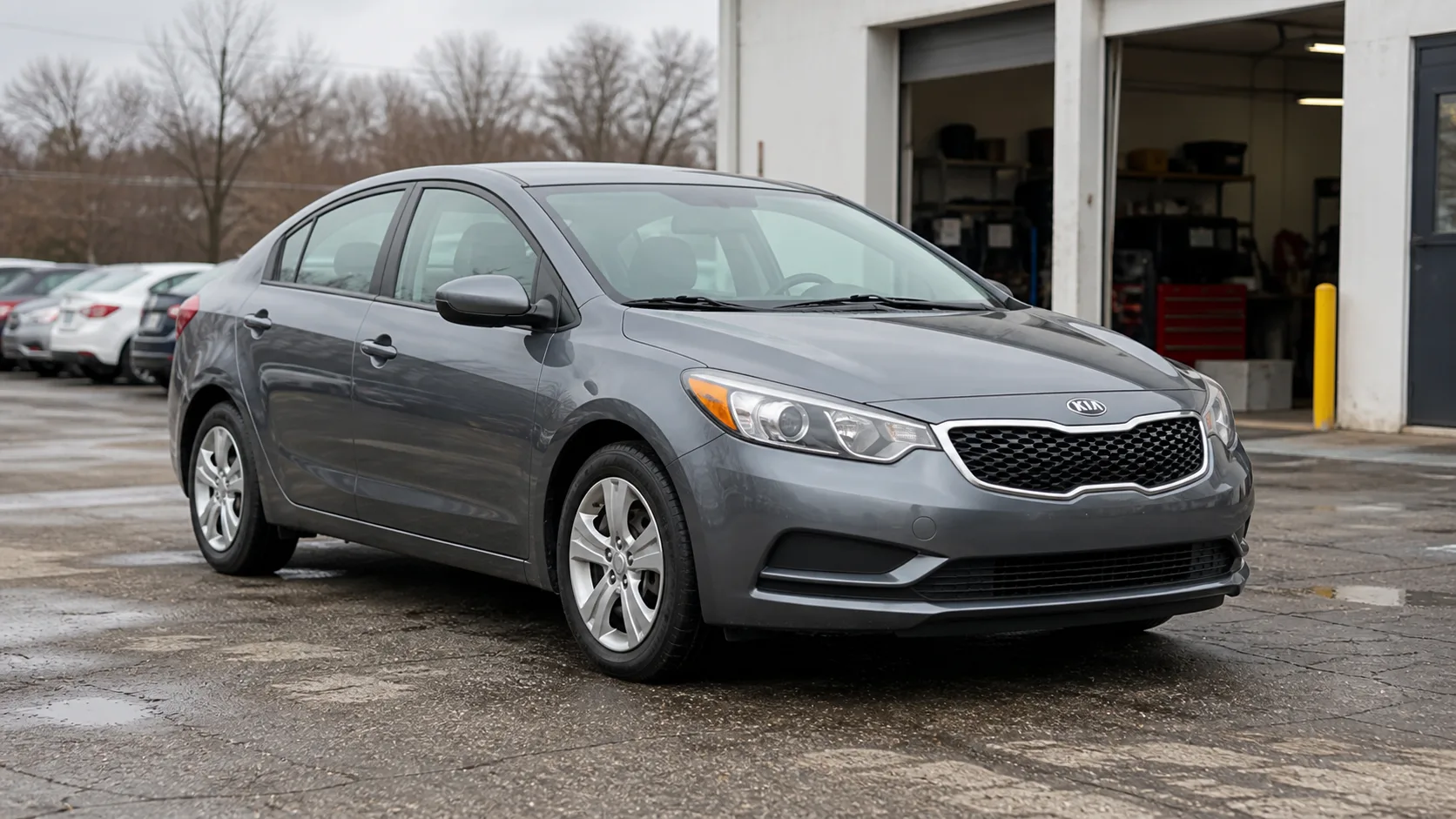
Kia Forte
Kia · $19,990 - $25,390 when newThe Kia Forte is now a used-car question in the U.S., because Kia replaced it with the K4 after the 2024…
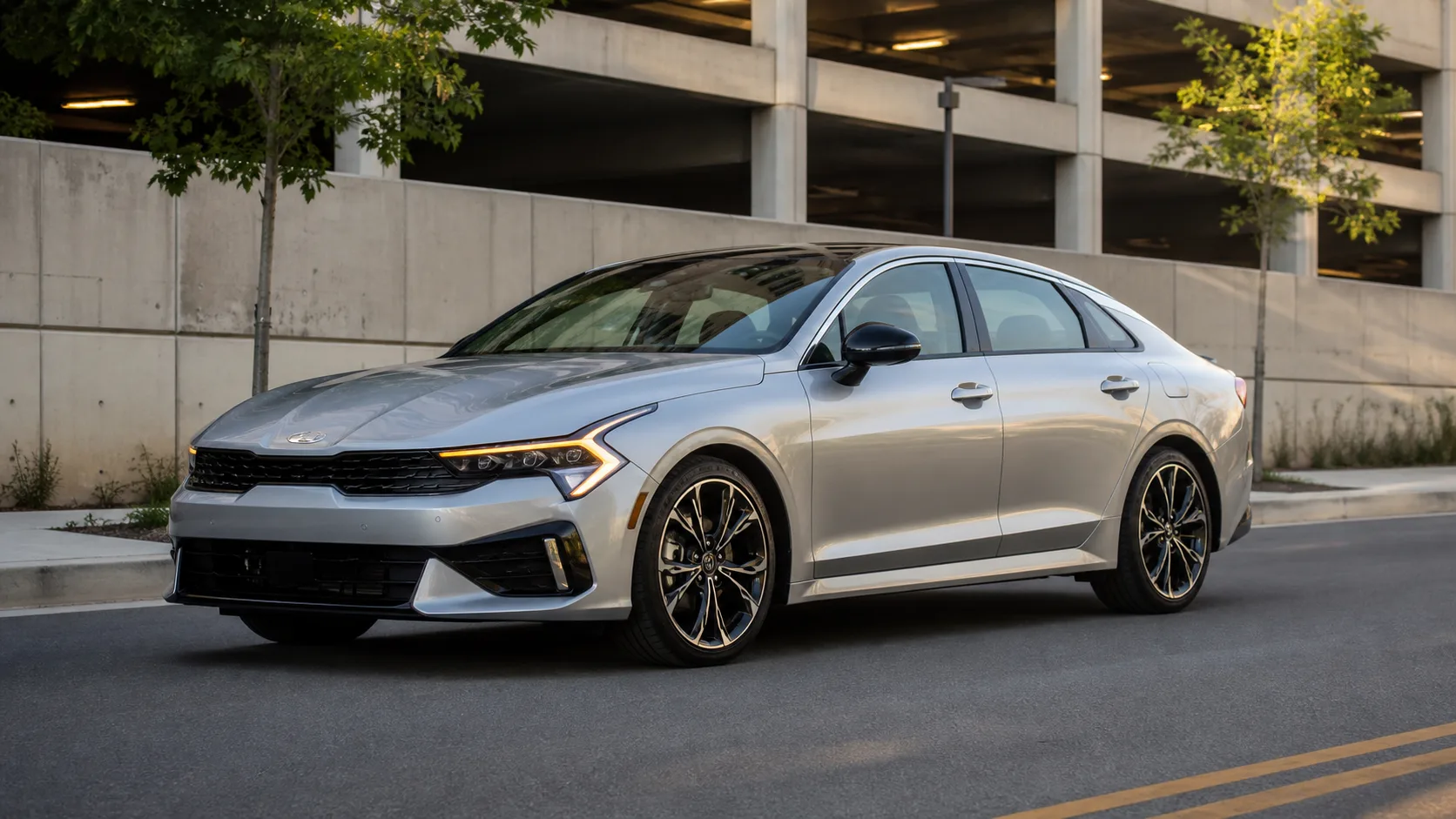
Kia K5
Kia · $27,190 - $34,490The Kia K5 is the midsize sedan for shoppers who want sharper styling and stronger value than the default…
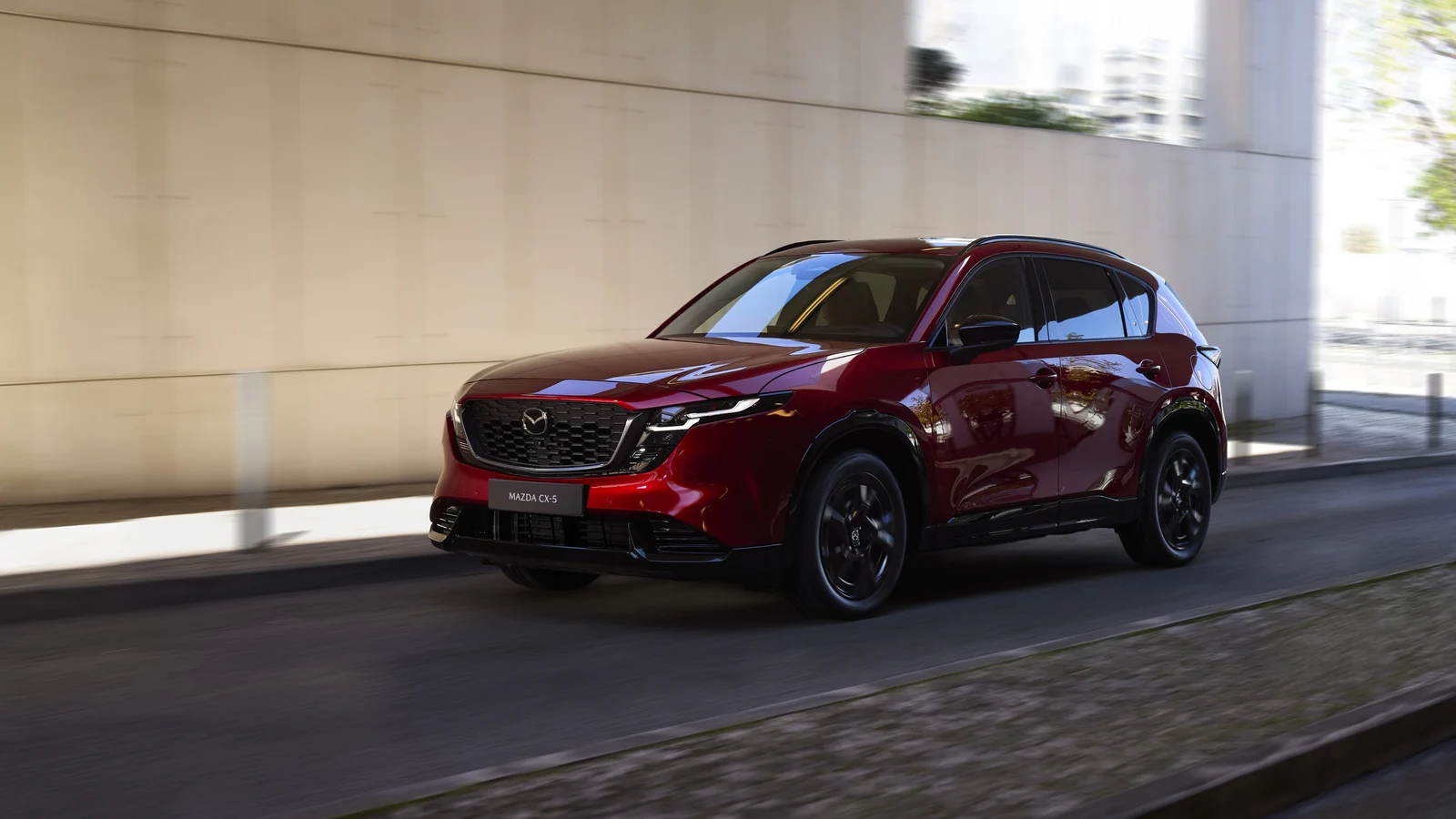
Mazda CX-5
Mazda · $30,000 - $40,000The Mazda CX-5 is the compact SUV for shoppers who still care how a practical car feels from the driver's…
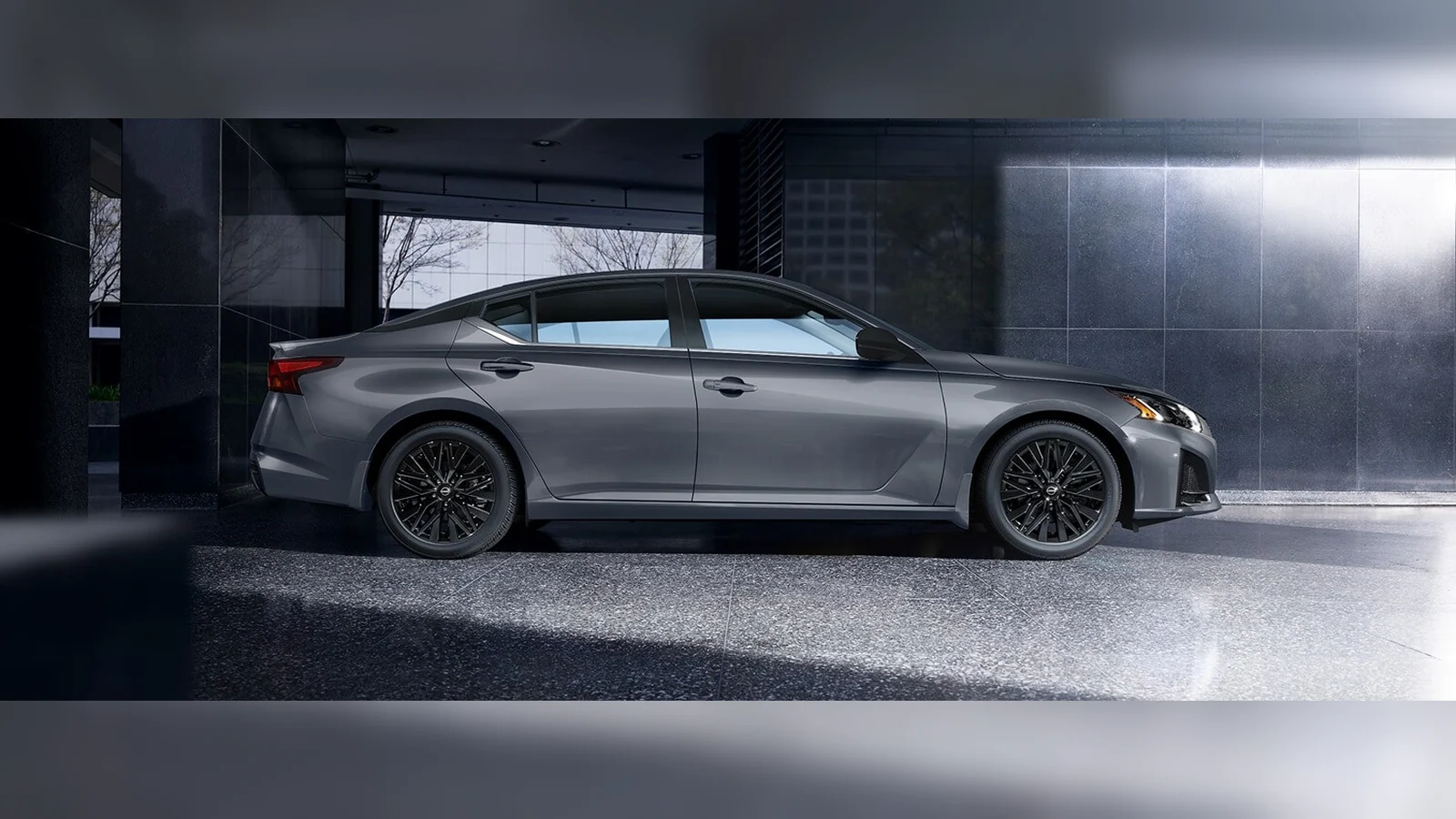
Nissan Altima
Nissan · $27,580 - $30,980The Nissan Altima is a value-minded midsize sedan with available all-wheel drive and a simpler 2026 lineup…
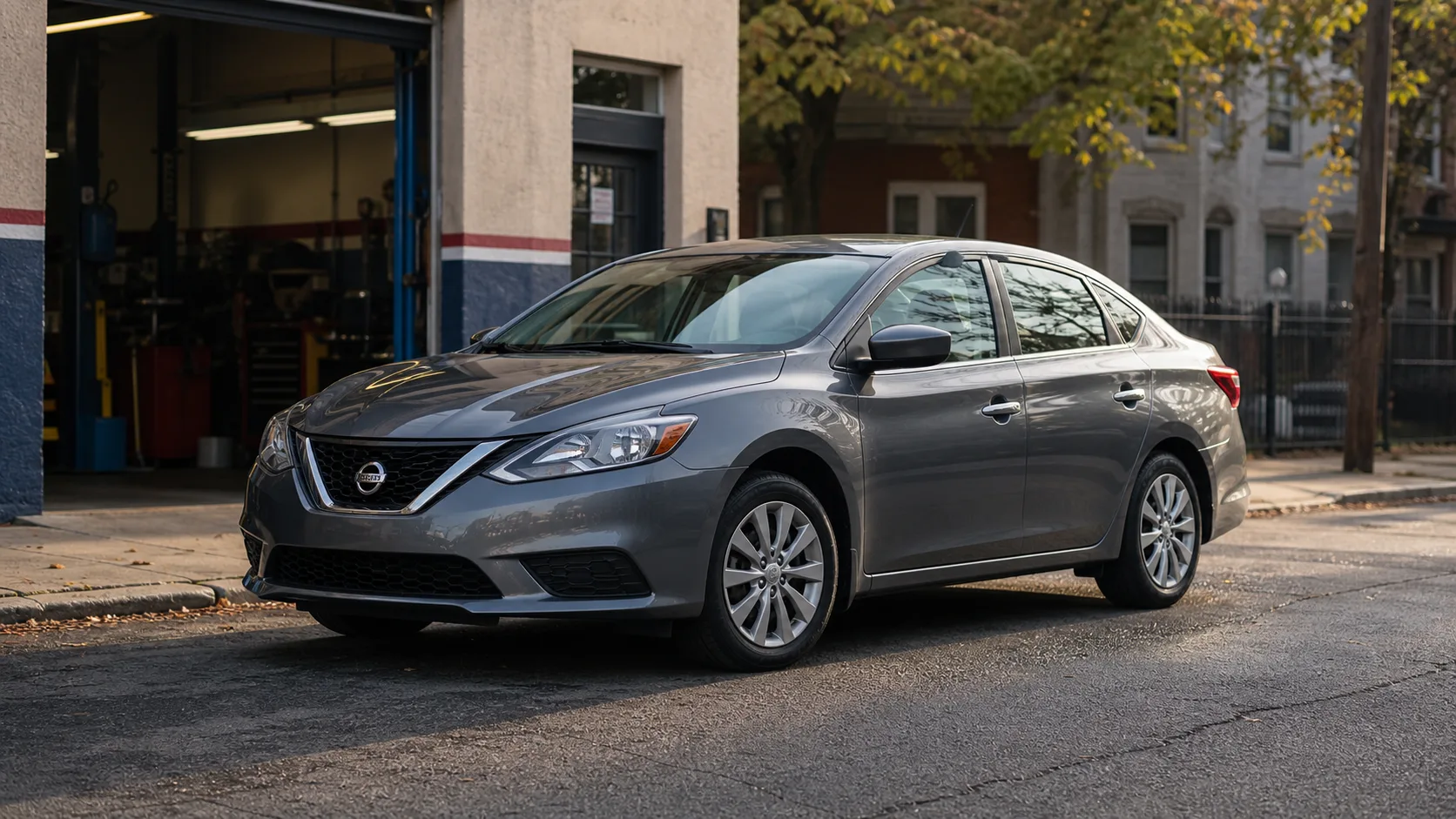
Nissan Sentra
Nissan · $22,600 - $27,990The Nissan Sentra is the compact sedan to consider when you want a low price, a comfortable ride, and a…
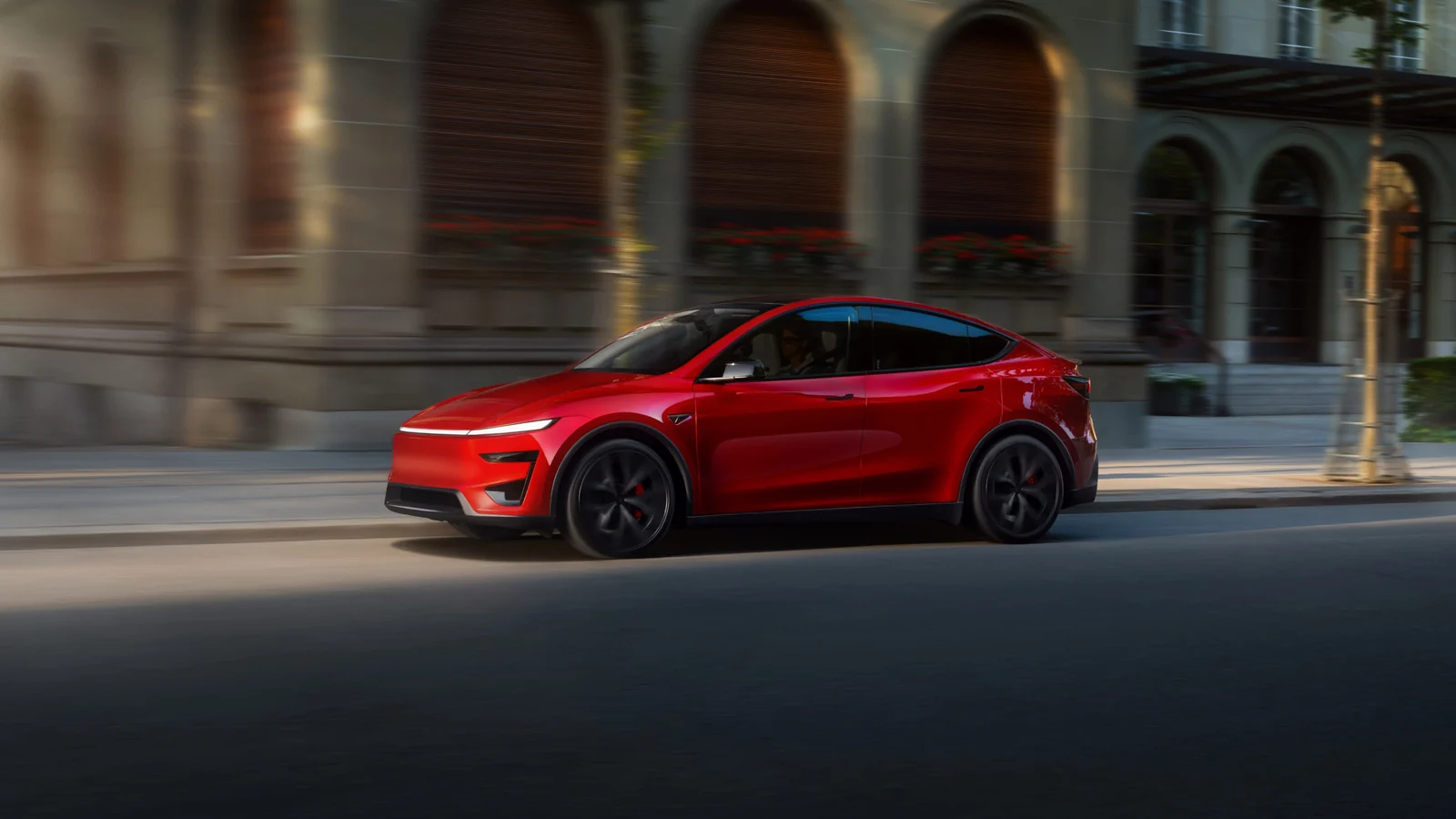
Tesla Model Y
Tesla · $41,630 - $57,000The Tesla Model Y is the easy-mode EV for many U.S. shoppers because the range, cargo space, software, and…
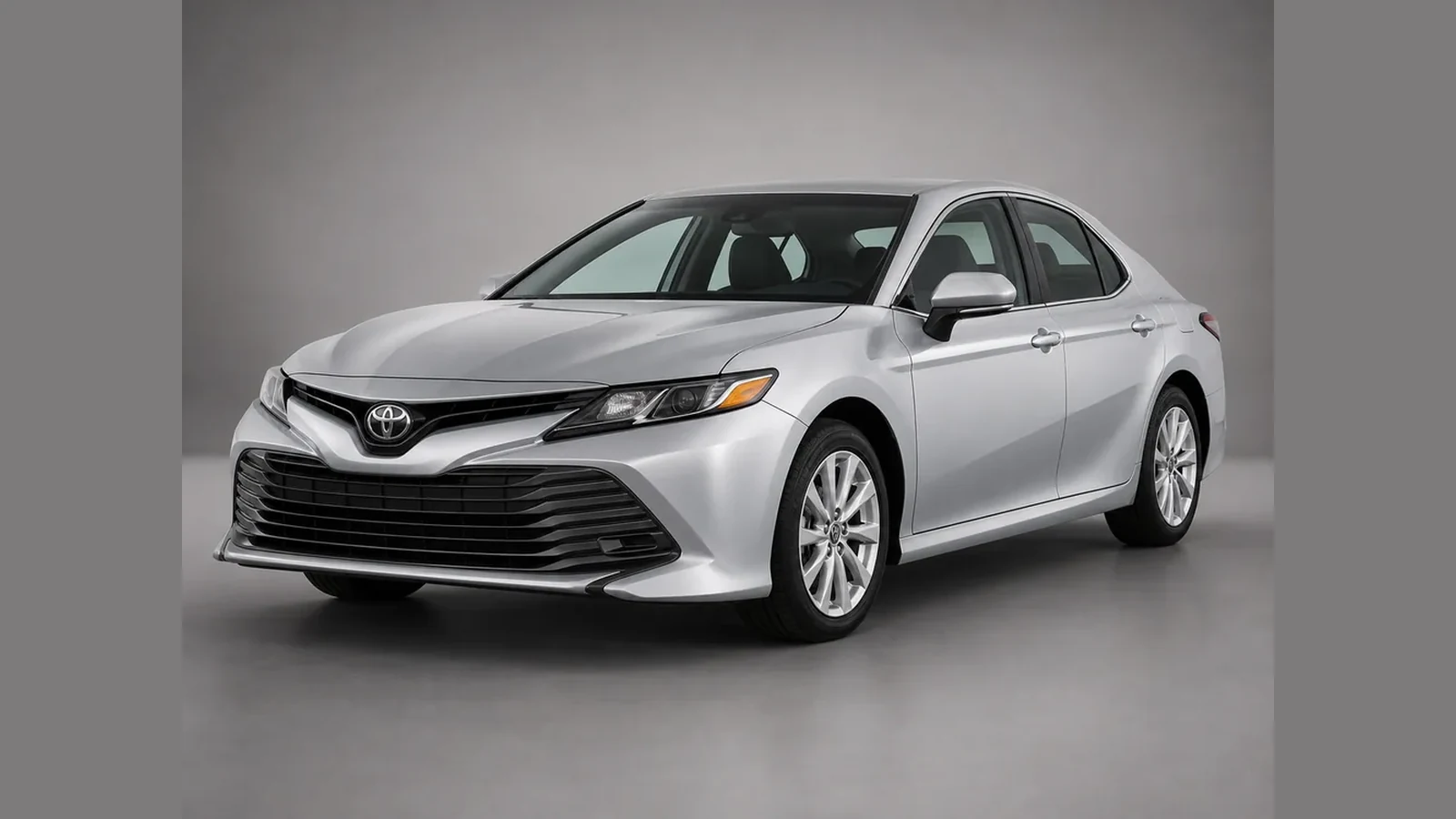
Toyota Camry
Toyota · $29,600 - $36,000The Toyota Camry is no longer just the safe gas sedan. The current U.S. Camry is hybrid-only, with up to 51…
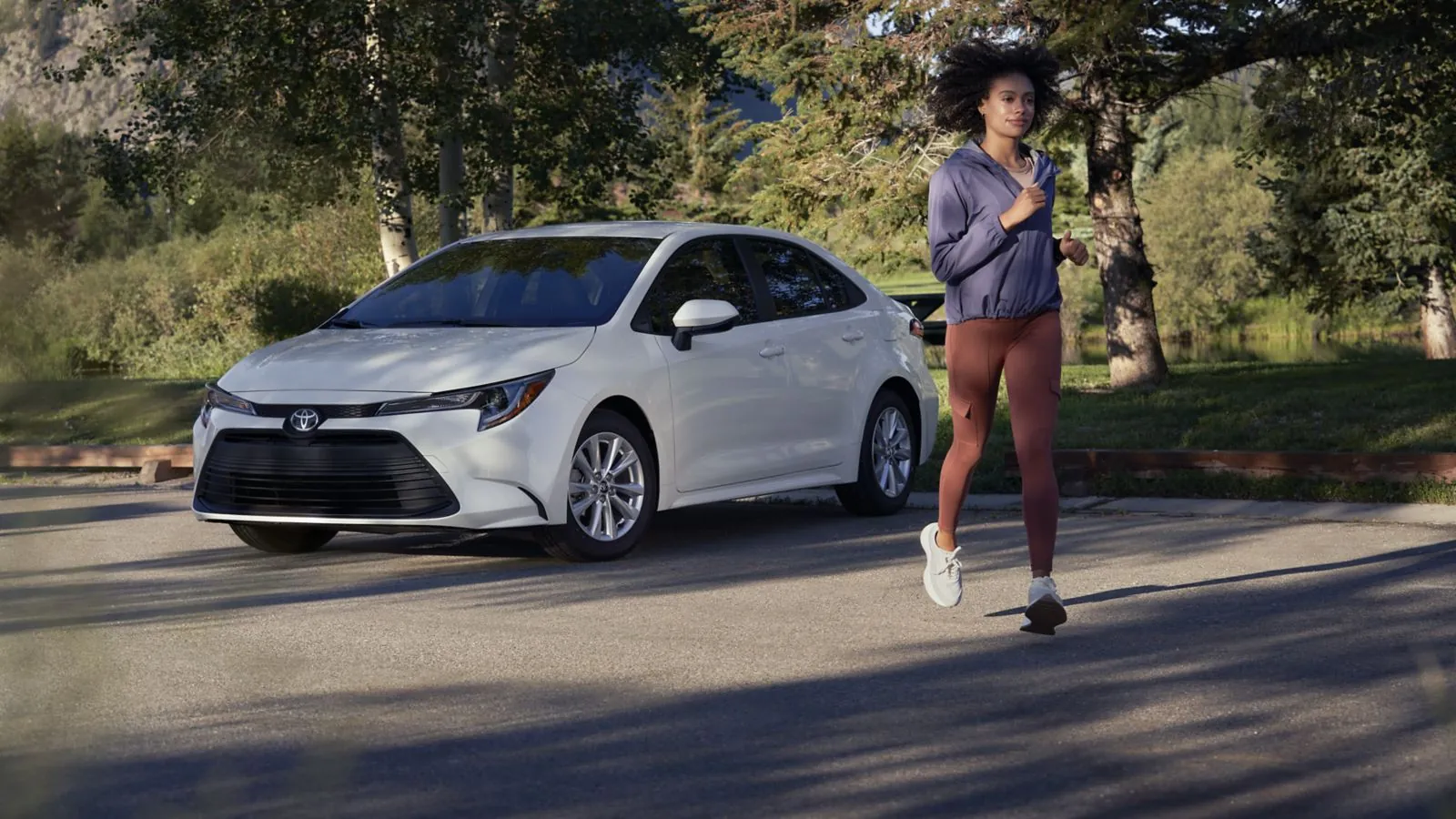
Toyota Corolla
Toyota · $23,000 - $29,500The Toyota Corolla is the compact sedan for buyers who want a low-risk commuter, not a car that tries to feel…
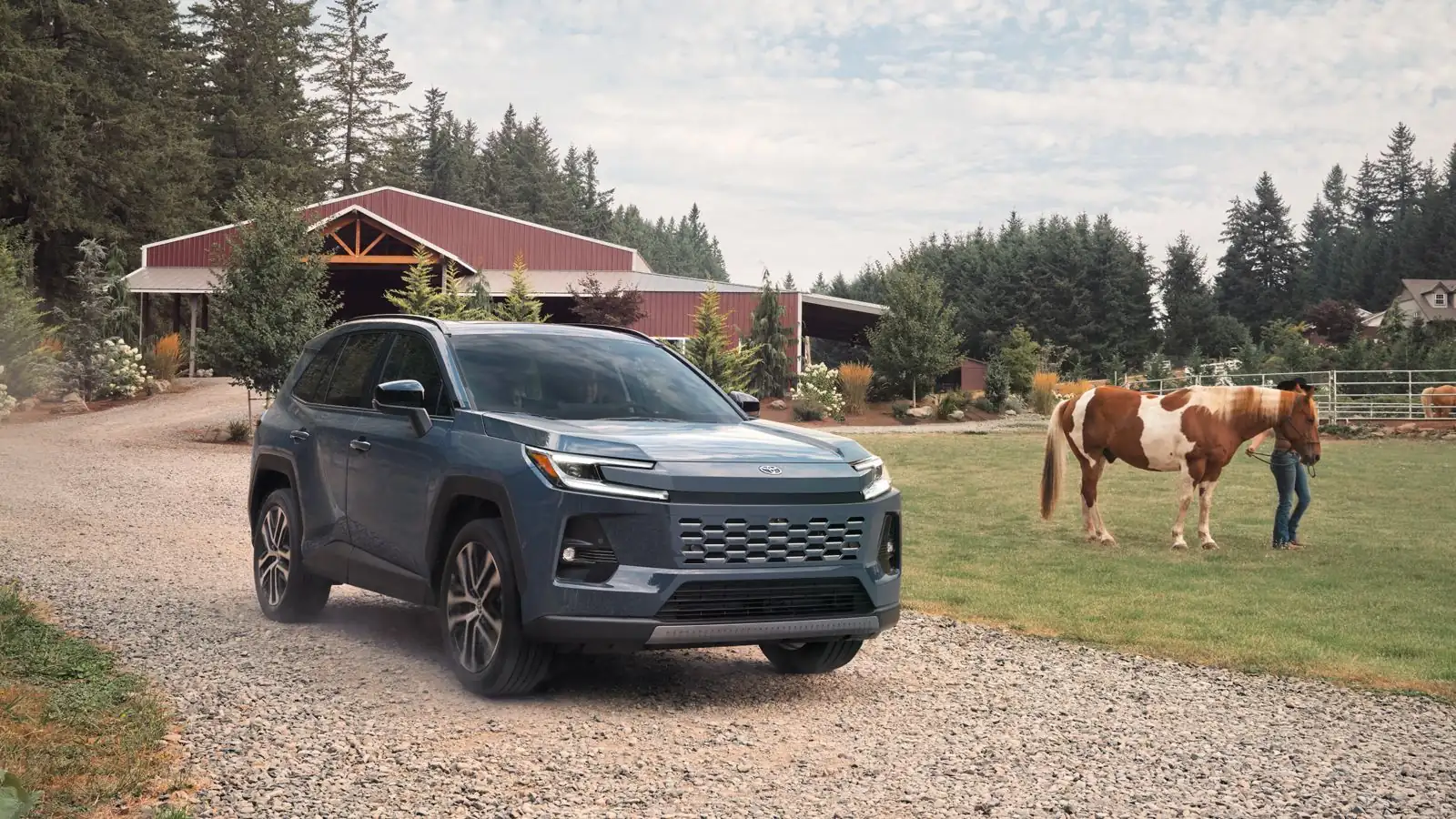
Toyota RAV4
Toyota · $31,900 - $43,300The Toyota RAV4 is now a hybrid-first compact SUV, not the old gas-versus-hybrid choice. The 2026 lineup…
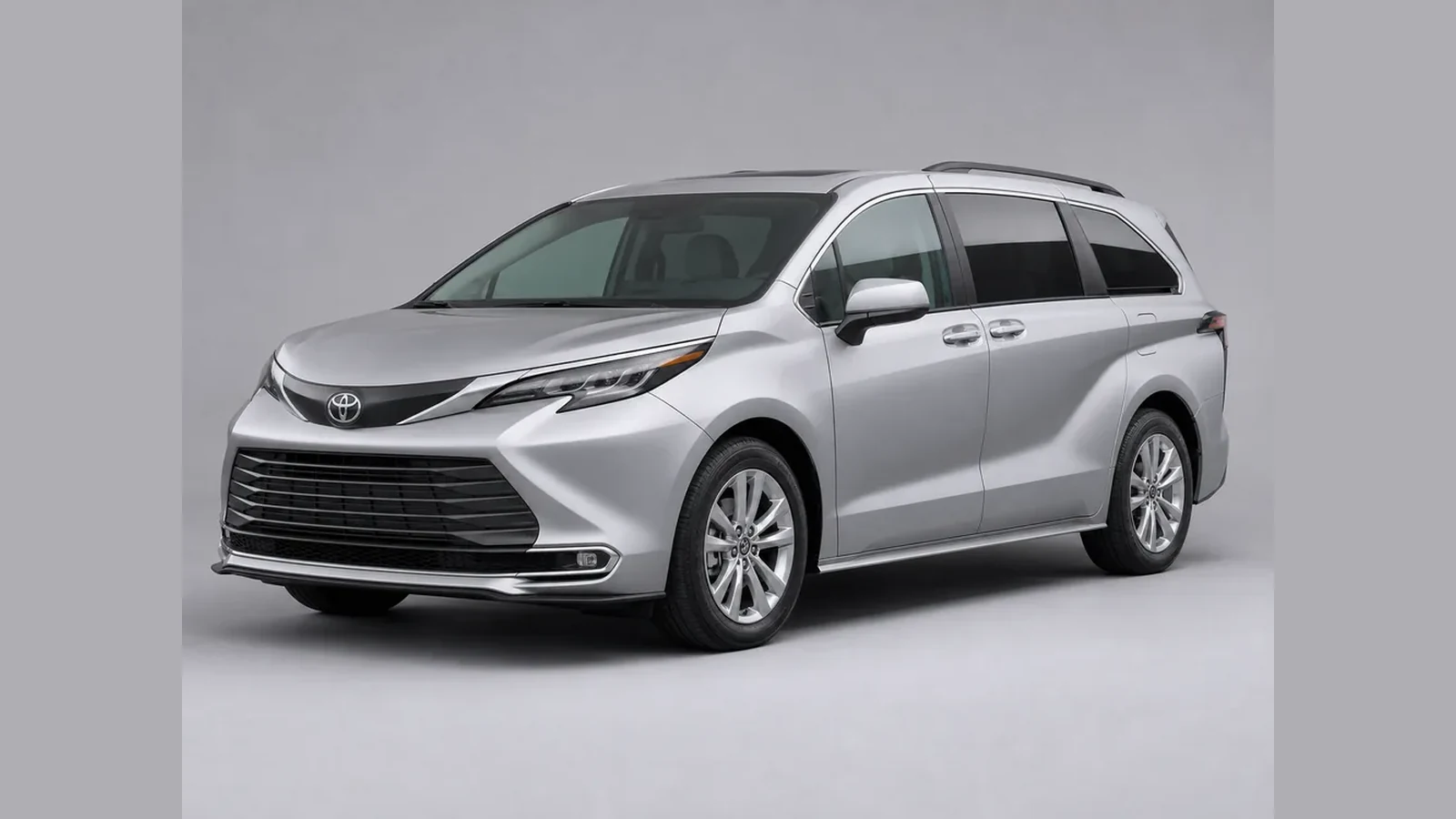
Toyota Sienna
Toyota · $39,000 - $53,000The Toyota Sienna is the efficiency king of minivans: hybrid-only, 36 mpg combined, and available all-wheel…
Front-wheel drive powers most of the cars Americans actually buy, and it does the daily job so quietly that few drivers ever think about it.
The engine, the transmission, and the driven wheels all sit together at the front, pulling the car down the road instead of pushing it.
That layout is lighter, cheaper to build, and roomier inside than the alternatives, which is why it anchors nearly every affordable sedan and compact crossover on the market.
Here is what front-wheel drive does well, where it gives up ground to all-wheel and rear-wheel drive, and how to tell which of these cars fits your week.
Why front-wheel drive runs the mainstream
Bolt the engine sideways over the front axle and you get a compact drive unit that powers the same wheels that steer.
The weight of that engine sits directly over the driven wheels, so a front-drive car finds grip on wet pavement and light snow without any extra hardware.
Fewer parts travel to the back of the car, which trims cost and weight at the same time.
That efficiency is the whole point.
A front-drive compact needs no driveshaft running the length of the floor and no rear differential, so it is cheaper to buy and lighter to haul around all day.
For the everyday commute on maintained roads, front-wheel drive delivers most of what all-wheel drive promises for a lot less money.
More cabin from the same footprint
Delete the driveshaft tunnel and the rear axle hardware and the floor opens up.
That is why a compact like the Honda Civic or Toyota Corolla carries four adults in more comfort than its outside size suggests, and why the trunk swallows more than you expect.
The flat rear floor gives the middle-seat passenger somewhere to put their feet.
The same trick scales up.
A midsize Honda Accord or Toyota Camry turns its front-drive layout into generous back-seat legroom, and a front-drive crossover like the Mazda CX-5 or Honda CR-V uses the space for cargo instead.
Front-wheel drive is the reason an affordable car can feel a size larger inside than it looks from the curb.
Traction, and where it runs out
On good tires, front-wheel drive handles far more weather than most buyers give it credit for.
The engine weight over the driven wheels helps it climb wet ramps and pull away in a few inches of snow. Its limits show up only when the road gets serious.
Pros
- Solid grip in rain and light snow on decent tires
- Lighter and cheaper than all-wheel drive
- Roomier cabin and lower running cost
Cons
- Struggles in deep snow and on steep, icy grades
- Can tug at the wheel under hard acceleration, called torque steer
- Loose gravel and sand launches favor all-wheel drive
If your winters are harsh or your driveway climbs a hill, all-wheel drive earns its price. For everyone else, a good set of tires closes most of the gap.
A front-drive car on proper winter tires out-grips an all-wheel-drive car on worn all-seasons every time.
How it feels next to rear-wheel drive
Rear-wheel drive splits the work: the front tires steer and the rear tires put the power down.
That balance is why sharp sedans like the BMW 3 Series use it, and why it tows more steadily.
Front-wheel drive asks the front tires to do both jobs at once, so it can push wide, or understeer, when you hurry through a corner.
For daily driving that difference barely registers, and the front-drive car pays you back in fuel and space.
Drivers who want the car to rotate under them should read the rear-wheel drive case before deciding.
Choose front-wheel drive for efficiency and room, rear-wheel drive for handling feel and towing balance.
What it saves at the pump and the register
A lighter car with fewer moving parts costs less to buy and less to feed. That is the front-drive bargain in one line.
A front-drive Toyota Corolla or Hyundai Elantra posts some of the lowest fuel and insurance bills on the road, which is why they fill our best first cars list.
Skipping all-wheel drive also shaves the sticker and cuts one more system that can need repair later.
Over five years, a front-drive commuter is usually the cheapest way to cover a lot of miles.
Which front-drive car fits you
These cars split into clear jobs. Match the model to how you actually drive rather than the badge on the grille.
| Model | Best for | Body |
|---|---|---|
| Corolla, Civic, Elantra | First car, lowest running cost | Sedan |
| Camry, Accord, K5 | Comfortable midsize commuter | Sedan |
| CR-V, RAV4, CX-5 | The default family crossover | SUV |
| Sienna | Big families | Minivan |
If you want the cheapest car to run, start with the Honda Civic or a value sedan like the Elantra or Kia Forte.
If you carry a family and their gear, a front-drive Toyota RAV4 or the Toyota Sienna van does it with the same efficiency.
How we rank the front-drive cars here
Every car on this page is scored on the same measures as its rivals: real fuel economy, cabin and cargo space, reliability history, and five-year cost to own.
We read EPA mileage figures and NHTSA safety data alongside long-term reliability records, and a reviewing expert signs off on the buying advice before it goes live.
Start with the model that fits your job above, or weigh front-wheel drive against all-wheel drive if your winters make you wonder whether you need it.
Frequently Asked Questions
Is front-wheel drive good in snow?
Is front-wheel or rear-wheel drive better?
Do front-wheel drive cars last?
What is torque steer?
Should I pay extra for all-wheel drive?
Compare before you commit
Line up two cars you are cross-shopping side by side, then read the full research-first review before you buy.
Compare cars