Why a cheap Elantra never feels stripped
Most compact-sedan shoppers expect a low price to come with a bare, plasticky car.
The Elantra breaks that trade by handing you bold styling, a roomy cabin for the class, and a warranty that runs longer than most rivals, all while keeping the payment low.
That is the whole reason to start here. You are not asking whether a small sedan can be cheap.
You are asking whether a cheap one can still feel modern, and the Elantra answers yes before you line up a single trim.
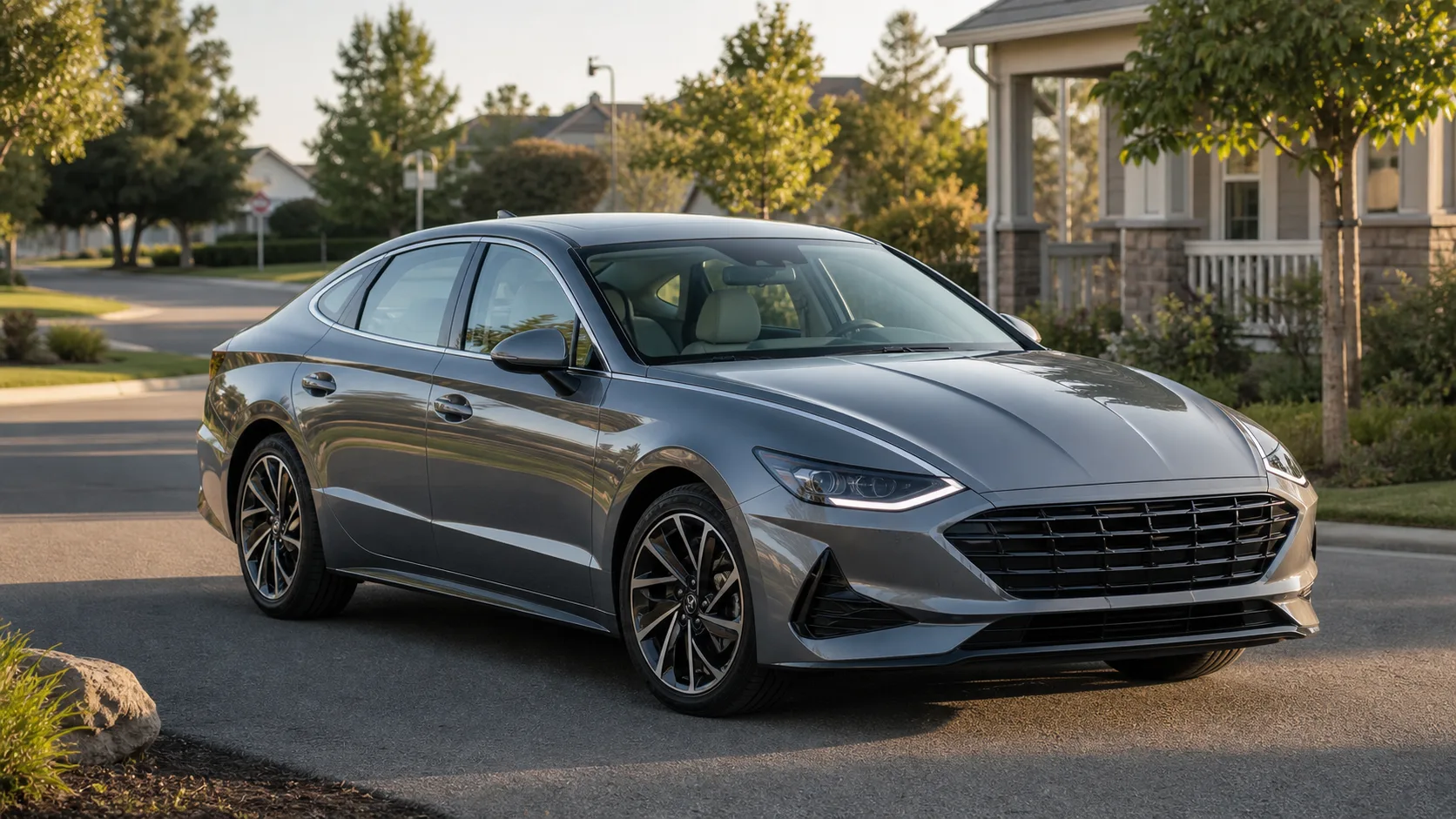
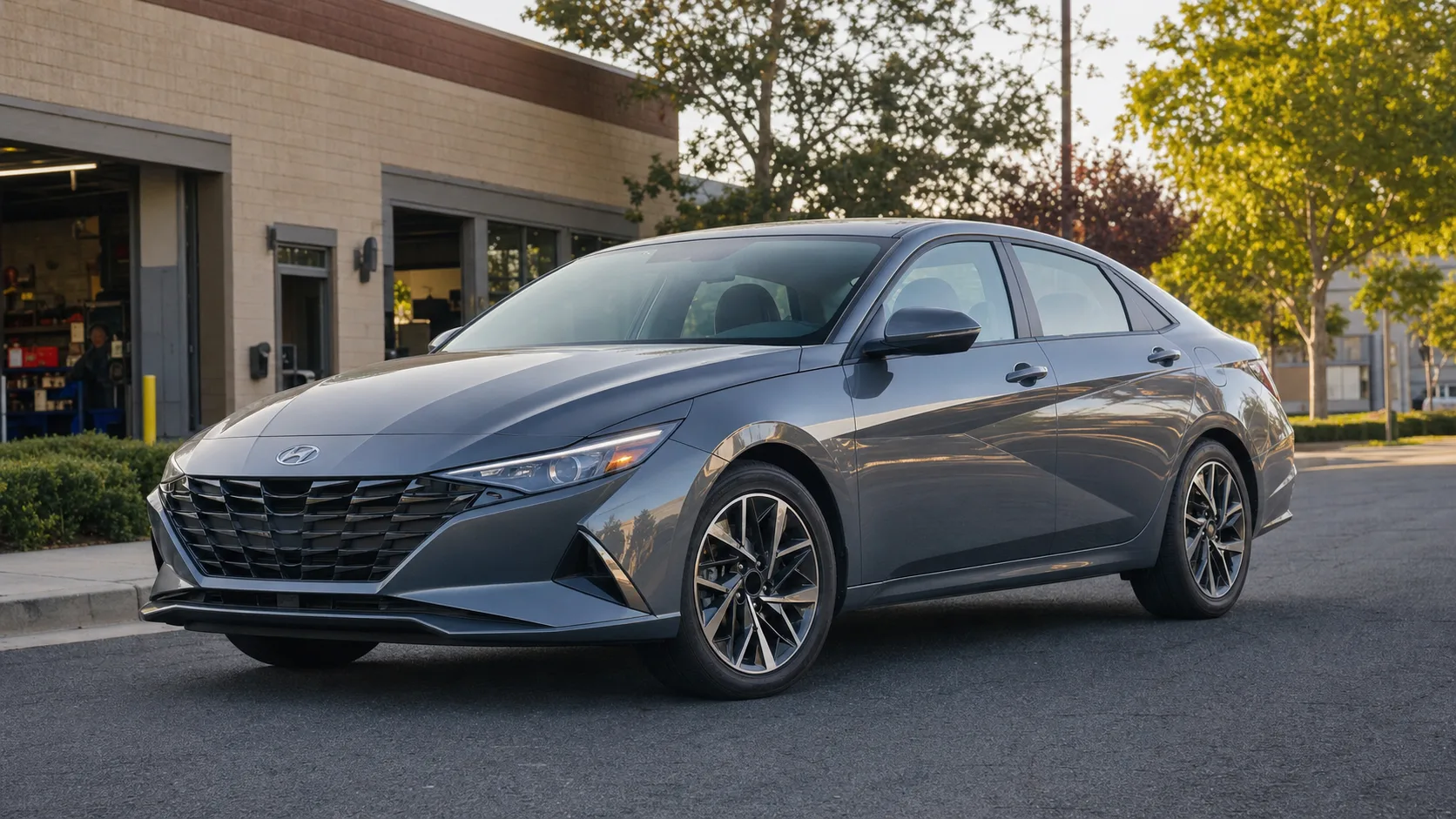
The styling does real work.
Sharp body creases and a wide grille read like a pricier car, so you are not parking a shape that looks apologetic next to nicer badges.
Price sets the frame.
The Elantra runs from about $22,625 to $35,100, which keeps the base car firmly in budget territory and lets a loaded trim climb toward small-family-sedan money.
The car is honest about what it is not.
The cabin can feel lighter than a Honda Civic, and resale is not the Toyota story, so an owner who trades every three years should weigh that early.
Its strength is the deal itself.
Features, fuel economy, warranty coverage, and enough room for a normal commute arrive together at a price that undercuts the badges most people default to.
Think of the Elantra as a budget tool with lanes.
If the payment is your hard limit, a value gas trim covers it, and if fuel or fun matter more, the lineup has an answer for each.
The wider Hyundai lineup sells this same value-and-warranty logic, and the Elantra has to prove it with compact-car numbers.
Buy it when a modern, well-equipped small sedan matters more to you than the quietest cabin or the strongest resale.
The long warranty, and what it saves you on a budget car
The warranty is the Elantra's loudest selling point, so price it like part of the car rather than a bonus.
Hyundai backs a new Elantra with a 5-year or 60,000-mile basic warranty and a 10-year or 100,000-mile powertrain warranty.
That coverage matters most on a budget car, because a cheap sedan is exactly where a surprise repair wrecks the monthly plan.
Long powertrain coverage takes the scariest bills off the table for the years you still owe money.
The low resale and sport-trim scores are the honest catch. They are the price you pay for the warranty, features, and fuel economy the Elantra does well.
The coverage is the same across the gas car and the hybrid, which is more than a cheaper Nissan Sentra offers for the money.
Used buyers have to read the fine print, because the long number does not always follow the car.
The 10-year powertrain term is usually tied to the first owner, and a second owner may inherit a shorter 5-year or 60,000-mile powertrain window instead.
So the used move is simple. Confirm by VIN with Hyundai what coverage actually transfers before you pay a dollar extra for the warranty story.
A verified warranty also shifts the new-versus-used math.
When the remaining factory coverage is strong, a lightly used Elantra can beat a new one, and our new versus used guide lines the price gap up against what you keep.
The warranty never replaces an inspection, though. It protects major components, and it does nothing about worn tires, tired brakes, or an alignment the last owner ignored.
Treat the coverage as a reason to trust the drivetrain, not a reason to skip checking the rest of the car.
The standard tech and safety you get without paying up
Where the Elantra quietly wins is equipment.
Hyundai loads the lineup with tech and driver aids that some rivals still charge extra for, so the base car does not feel like a penalty box.
Screens are the obvious part.
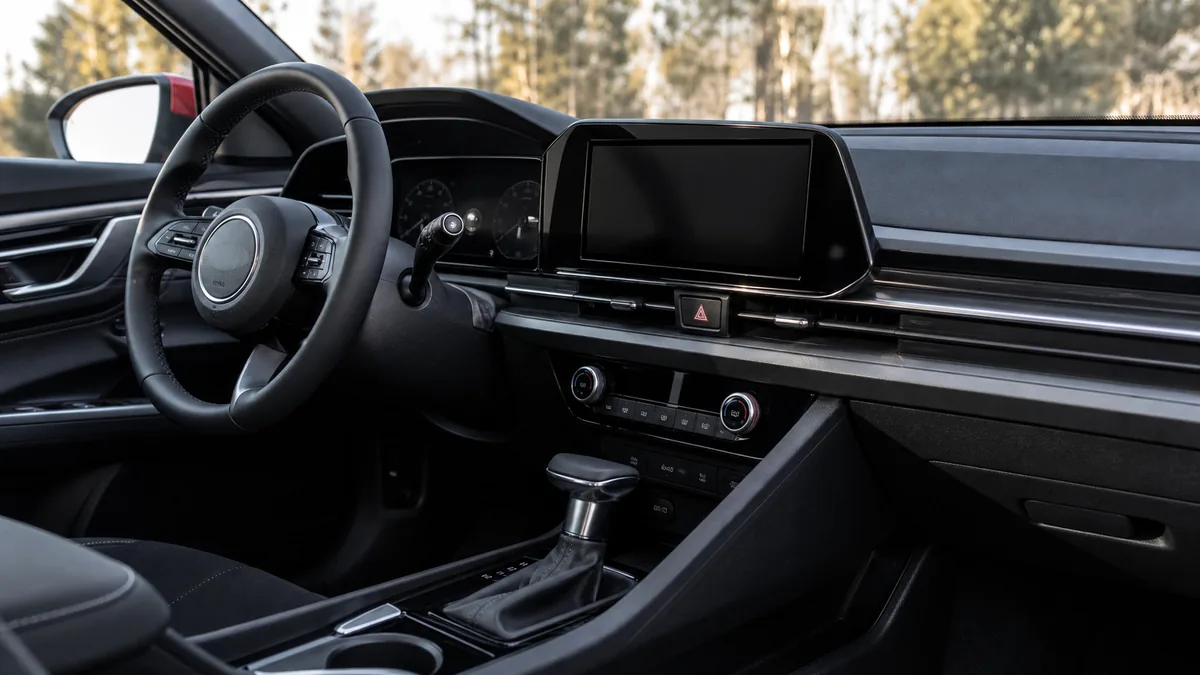
A large central display, phone mirroring, and clear instruments show up low in the range, so you are not forced up two trims just to get a modern dashboard.
Safety gear is the part that matters more for a first-time buyer.
Forward-collision help, lane-keeping assist, and adaptive cruise reach affordable trims, which puts real protection inside a low payment, features the Toyota Corolla once reserved for pricier versions.
Here is how to shop the equipment without overspending.
- Start on a value gas trim and confirm it already carries the screen and safety aids you want
- Step up only for a feature you will use every week, like heated seats or a sunroof
- Price the larger wheels on sportier trims before you fall for the look
- Test every screen, the backup camera, and the phone pairing on your own device
For a new driver, that standard safety list is a real reason to look at the Elantra over an older used premium car.
Modern aids cut low-speed crashes, and they come without the repair uncertainty of an aging luxury badge.
That value case is why an Elantra can sit on a best first cars shortlist.
A clean first car should be cheap to insure, easy to inspect, and calm enough that a new driver can focus on the road.
The equipment story does have a ceiling. A loaded Elantra still uses lighter cabin materials than a class leader, so judge the touch points in person.
The win is how much gear you get for the money, not a luxury-grade cabin.
Gas or hybrid, and the 50-plus mpg question
The choice that actually moves your monthly cost is the engine, so settle it before trim names. The standard car uses a 2.
0L four-cylinder making 147 hp through a CVT, and it is the lowest-price way into an Elantra.
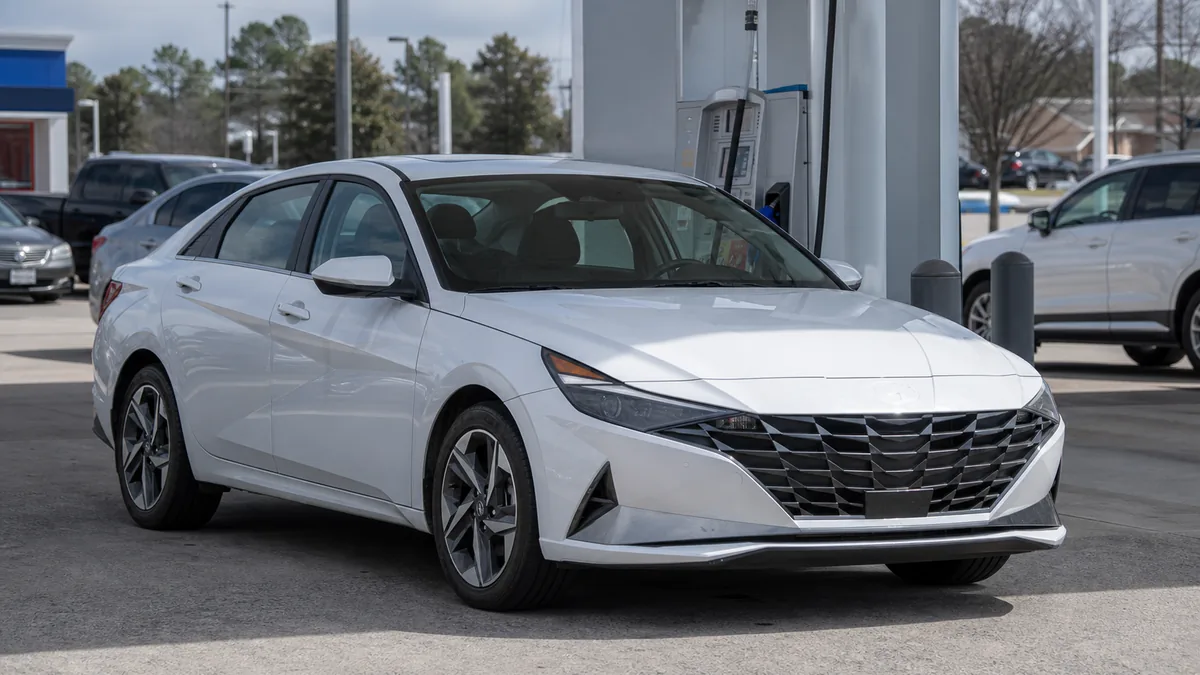
The hybrid pairs a 1. 6L engine with electric assist and chases the best fuel numbers in the range.
It reaches up to 54 mpg combined, with ratings near 51 mpg city and 58 mpg highway.
Read those mpg numbers against how you actually drive.
The hybrid earns its premium fastest in stop-and-go traffic, where it recovers energy under braking and leans on the electric motor exactly when a small engine works hardest.
On steady highway miles the gap narrows. A driver who mostly runs open road saves less and keeps the lower price of the gas Elantra instead.
Put real numbers on it before you pay more. A driver covering 18,000 city-heavy miles a year can justify the hybrid far more easily than one covering 6,000 relaxed highway miles.
One quick sort matches the powertrain to your week.
- Heavy traffic and short trips, take the hybrid for the low-50s city rating
- Mostly highway, the gas car costs less up front for similar real economy
- Around 6,000 miles a year, the cheaper gas trim usually wins on total cost
The Elantra does not offer all-wheel drive, so a buyer who needs winter grip has to look elsewhere.
Good winter tires on this front-drive sedan can still beat worn all-seasons on an all-wheel-drive car, so price tires before you assume you need SUV height.
If traffic and fuel stops shape your week, price the hybrid first, and if your map is mostly highway, the gas car keeps more cash in your pocket up front.
Elantra N Line, a hot compact that undercuts the sporty crowd
The N Line flips the Elantra's budget script. It swaps the economy engine for a 1.
6L turbo making 201 hp through a dual-clutch transmission, and it still lands cheaper than many sporty compacts.
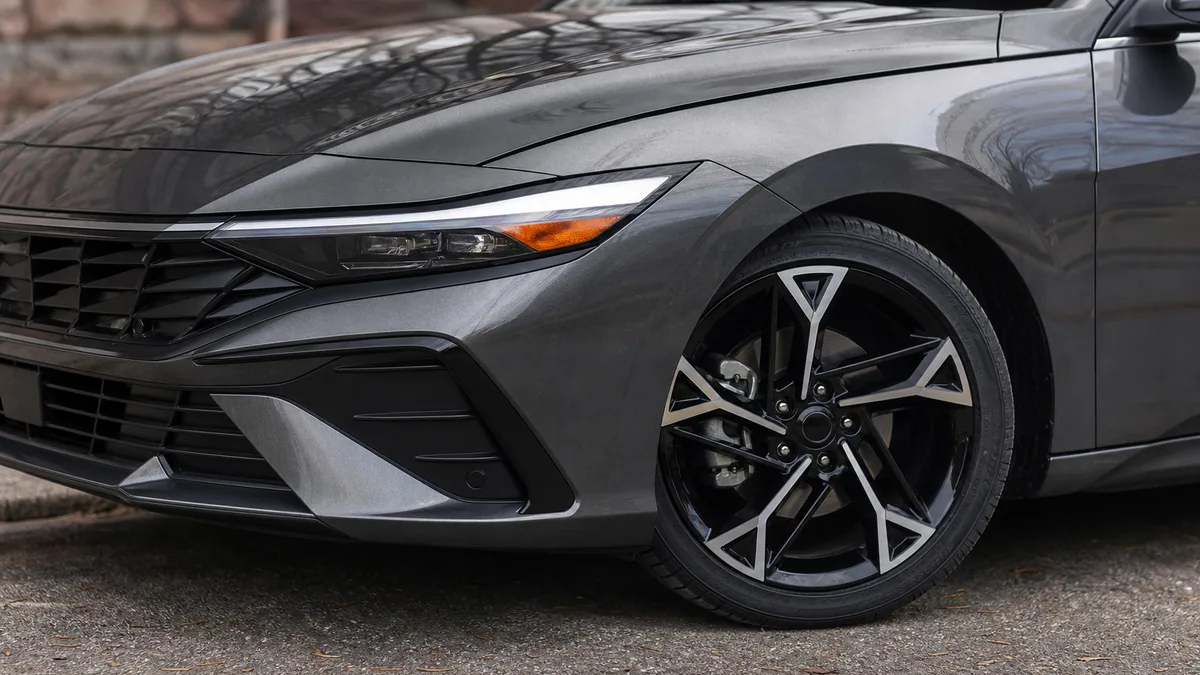
The appeal is real.
Sharper steering, firmer tuning, and quicker response make the N Line feel like a different car from the calm gas commuter, and it does that without a premium badge.
The running cost is the part shoppers underrate. Bigger wheels, stickier tires, and stronger insurance quotes all follow the extra power.
| What you gain | What it costs you |
|---|---|
| 201 hp and a sharper chassis | Higher insurance than a base trim |
| Dual-clutch quickness | Low-speed shift hesitation to test for |
| Sport styling and bigger wheels | Pricier tire sets sooner |
| A fun compact under budget | Firmer ride on rough pavement |
The dual-clutch gearbox behaves differently from a normal automatic in slow traffic.
A slight hesitation at crawling speed is normal for the type, so feel it on a test drive if you are used to a smooth torque-converter car.
Ride comfort takes a hit too.
The firmer setup passes more of a broken road into the cabin, so drive the N Line on the surfaces you commute over, not just a smooth dealer loop.
The N Line makes sense when you will actually use the speed.
If a livelier compact is the goal, cross-shop it against our fun to drive picks and a Honda Civic Si before you sign.
Even so, it stays a usable daily car, with the same five seats and trunk as the calmer trims. You are not trading away practicality to get the grin.
Buy the N Line only when the extra power beats the tire, fuel, and insurance costs it brings, not because the wheels look sharp.
Buying a used Elantra without losing the warranty edge
A used Elantra can be a strong deal, and the reputation for coverage is exactly where buyers get careless.
The warranty story does not stand in for an inspection, so run both.
Start with the paperwork, because the coverage is the biggest reason to pay more and the easiest thing to get wrong.
Confirm the transfer terms by VIN, then check open recalls through the federal safety database before you leave a deposit.
Match the rest of the inspection to the powertrain in front of you.
- On the gas car, feel for smooth CVT behavior with no hesitation or shudder at parking-lot speed
- On the hybrid, confirm smooth braking and a clean handoff between electric and gas power
- On the N Line, look for uneven front-tire wear, brake vibration, and signs of hard driving
- On any Elantra, test the screen, the backup camera, and phone pairing before you talk price
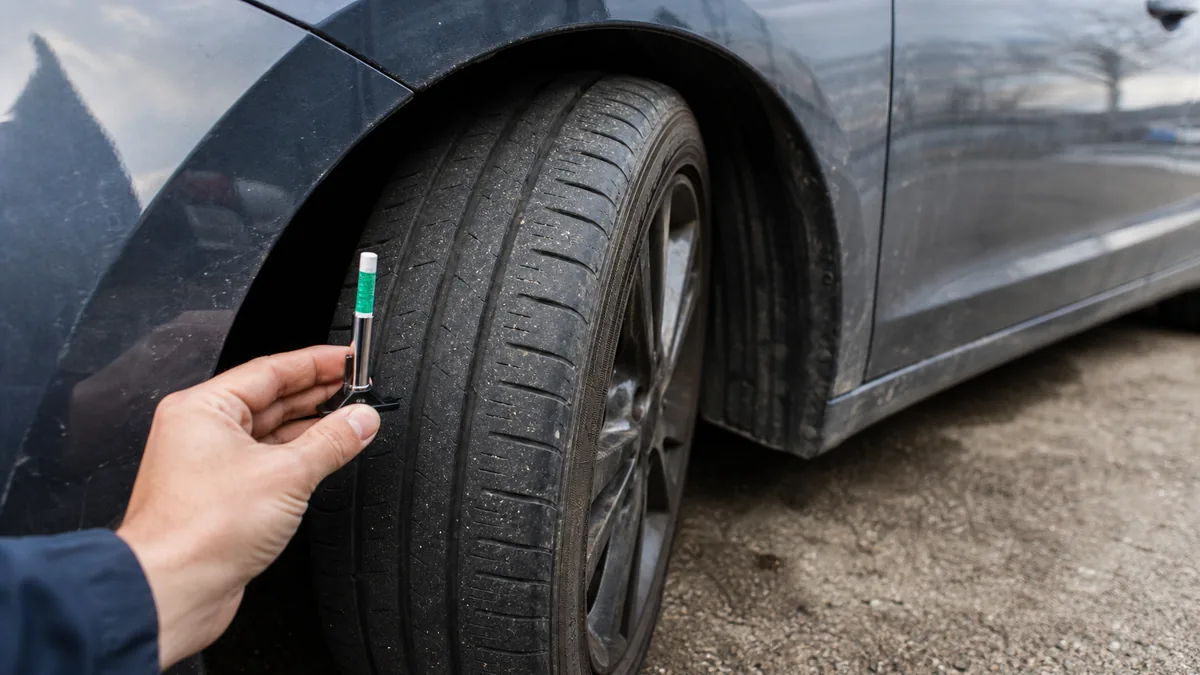
Treat the first service as part of the purchase price.
On-time oil changes, fresh brake fluid, a battery test, a tire rotation, and an alignment check can turn a cheap listing into an expensive first month.
Two cheap habits protect the deal.
Check the tire pressure and tread on the test drive, and make sure the car will jump start cleanly if the 12-volt battery is older.
A clean, stock Elantra with boring records beats a flashier trim with warning lights, no matter how good the warranty number sounds.
Elantra against the Corolla, Civic, Forte, and Sentra
Nearly every Elantra shopper cross-shops the same short list, so it helps to know where each rival wins.
The Toyota Corolla leans on resale and a calm reliability record, while the Elantra answers with more equipment and a longer warranty for the money.
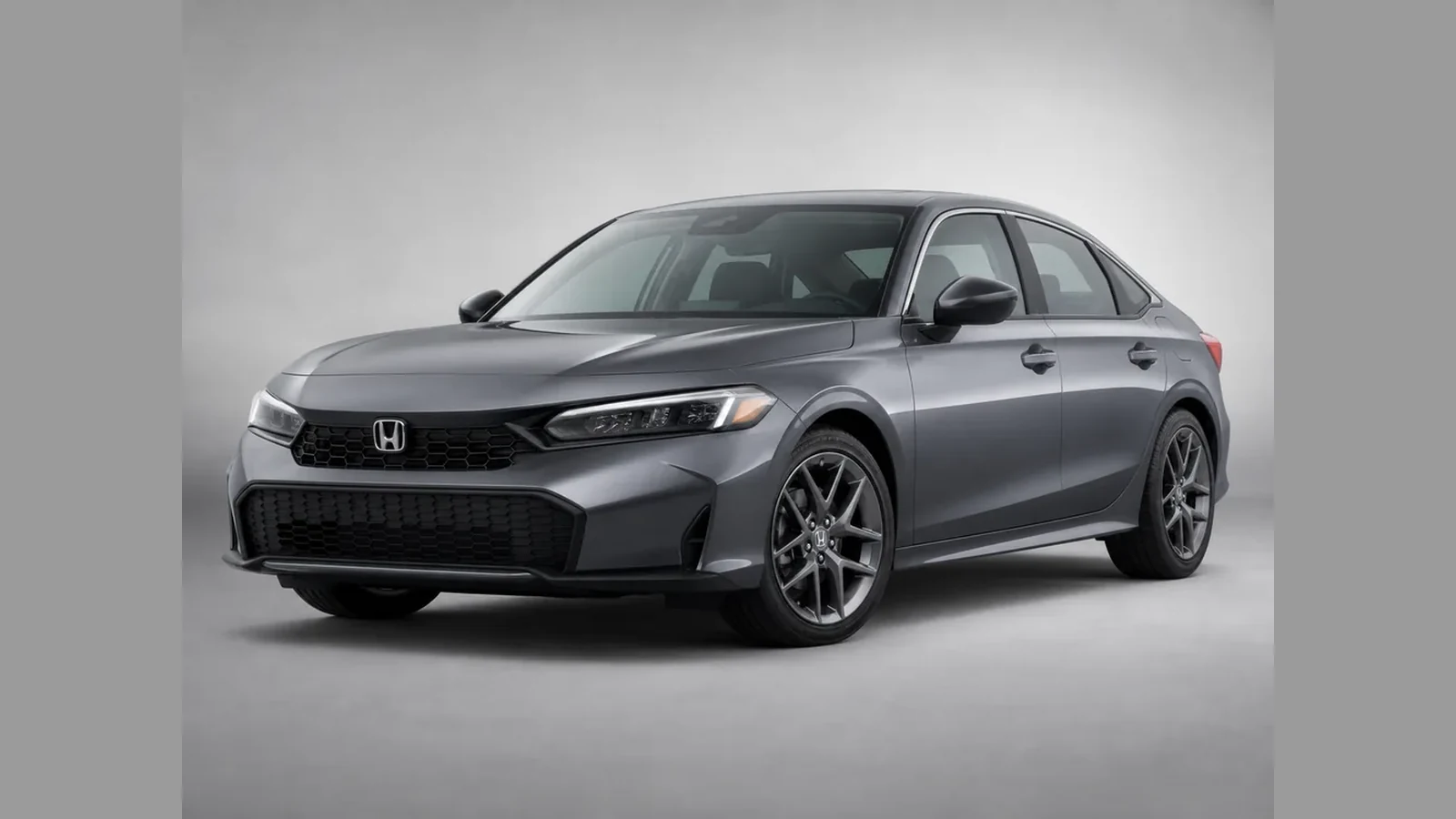
The Honda Civic is the car to beat on feel.
It steers more sharply and feels more grown-up inside, and it usually costs more, so the Elantra's reply is a lower price for similar space.
Pros
- Long warranty and lots of standard tech for the money
- Strong hybrid mpg and a genuinely fun N Line
- Bold styling and a roomy cabin for the class
- Often undercuts Civic and Corolla pricing
Cons
- Resale trails Toyota and Honda over the years
- Cabin materials feel lighter than a Civic
- No all-wheel drive at any trim
- N Line raises tire and insurance cost
Below the Toyota and Honda sit the value rivals. The Kia Forte shares much of Hyundai's value-and-warranty logic, and the Nissan Sentra chases the lowest payment of the group.
A few honest tie-breakers when the rivals sit close.
- Choose the Elantra when warranty, features, and mpg matter most for the money
- Choose the Corolla when easy resale and a ten-year keep are the plan
- Choose the Civic when steering feel and cabin polish outrank the sticker
- Choose the Forte or Sentra only when a lower price clearly survives the first year
The Elantra also has to answer the step-up question. Once a loaded trim nears midsize money, a larger sedan buys real rear-seat room for a similar payment.
Pick the Elantra when its warranty, tech, and fuel economy add up to a lower real cost than the badge you would default to.
Which Elantra should you buy
The Elantra earns the sale by keeping the deal disciplined.
The gas car is the payment answer, the hybrid is the fuel answer, and the N Line is the fun answer, as long as you buy each with open eyes.
Get three numbers before you pick a trim.
The out-the-door price, the insurance quote, and a fuel-cost estimate for your real annual miles keep the gas, hybrid, and N Line choice grounded.
Bring your actual life to the test drive.
Fit a child seat, load the biggest bag you carry, and take a highway stretch, because seat comfort and road noise show their true colors well past the block around the dealer.
Drive the Elantra after a Civic and a Corolla, not before them. If it still feels good and costs clearly less, it has done its job.
If you carry adults in back most days or need tall cargo access, be honest about it.
A larger sedan or a small SUV may be the better household tool, and pairing the Elantra with a bigger vehicle can still cut fuel and tire costs.
A dealer discount on the wrong trim is still the wrong car. The right Elantra lowers the whole ownership bill, not just the advertised price.