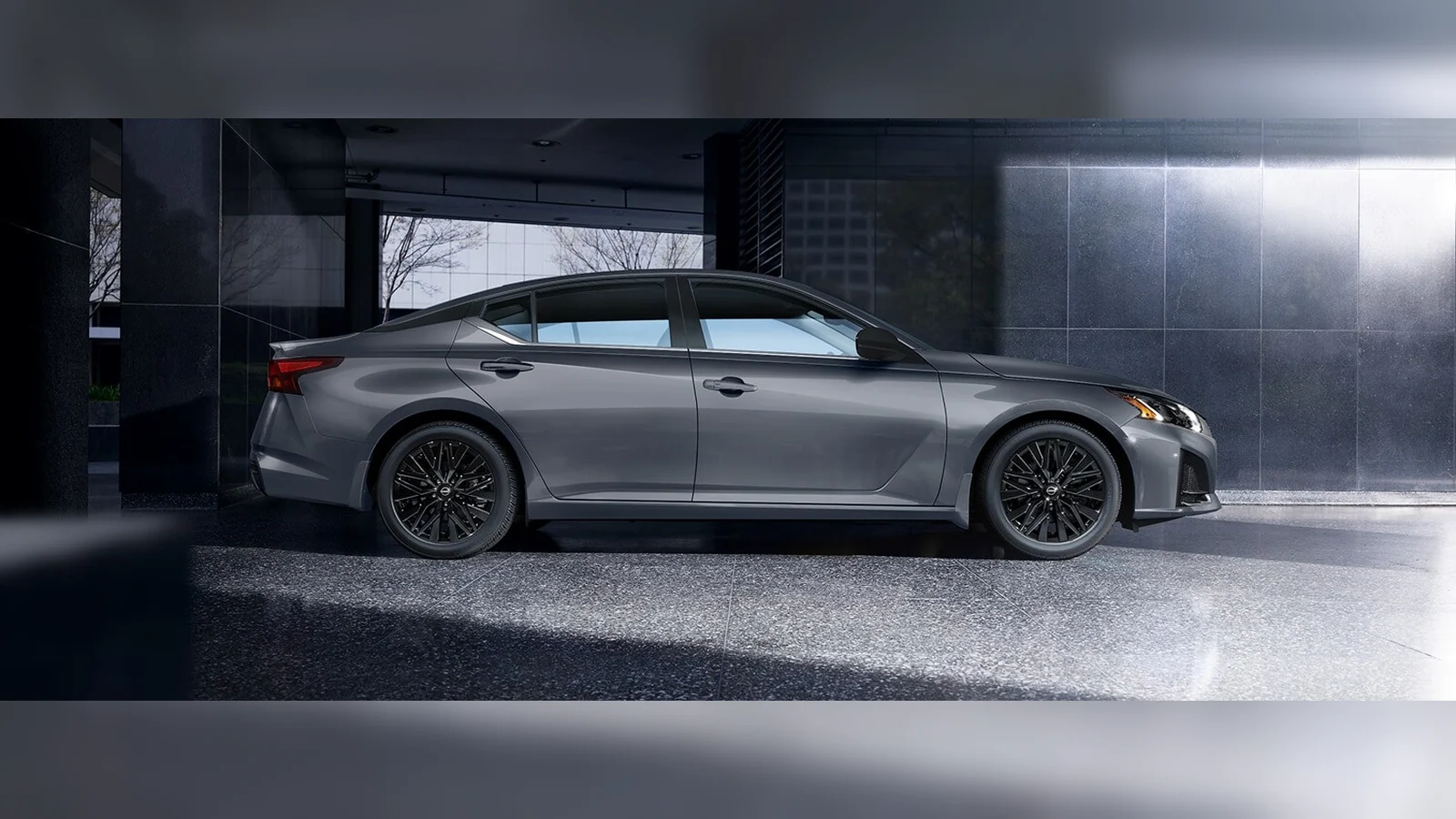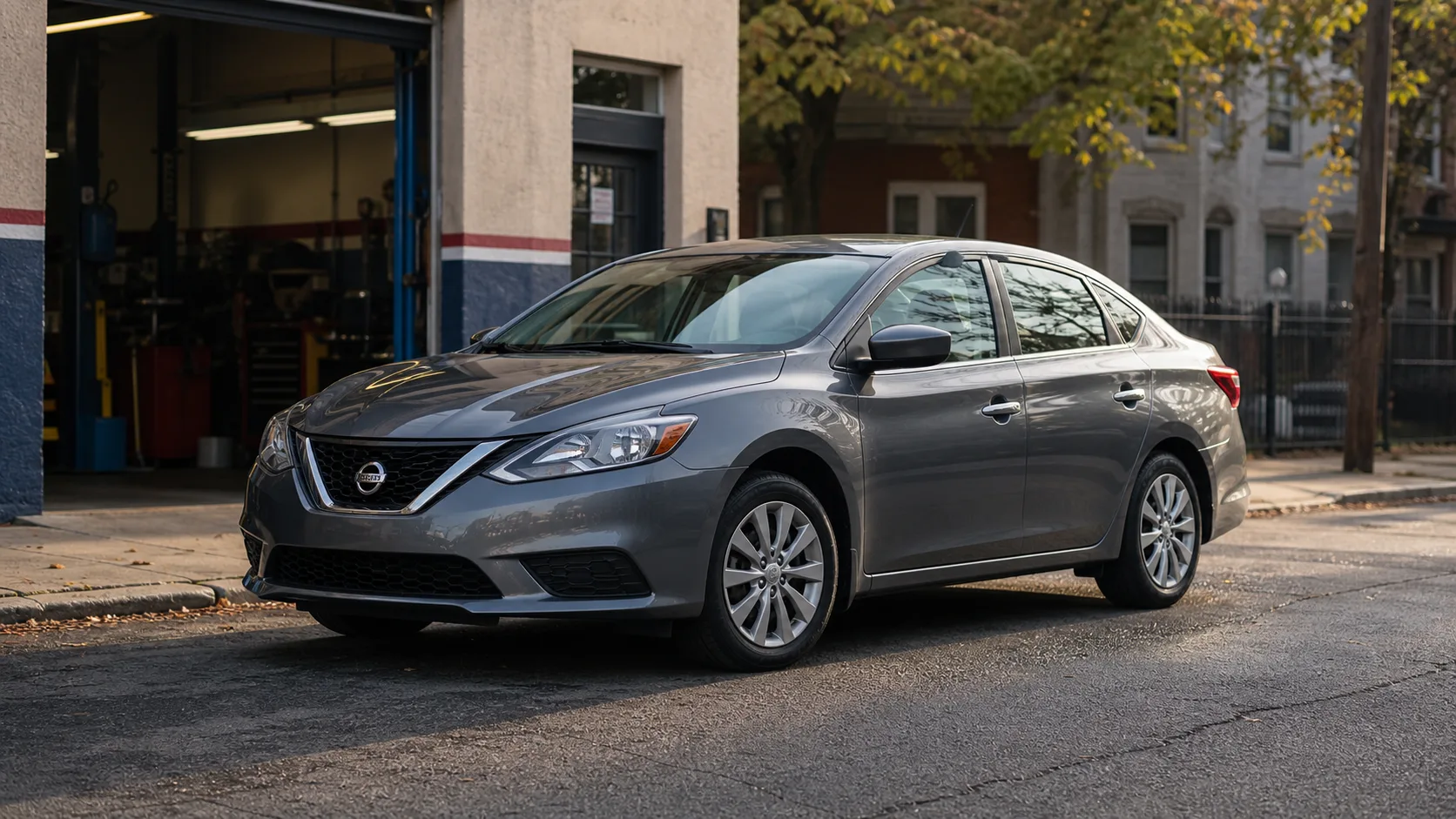
Why the Sentra feels more grown up than it costs
Most Sentra shoppers are not chasing the quickest or the most prestigious compact sedan.
They want a small car that feels calm, roomy, and a little upscale without a Civic-sized payment, and the Sentra is built to answer exactly that.
The whole case rests on one job.
The Sentra has to make a compact sedan feel a class above its $22,600 to $27,990 price, and the 2026 redesign leans hard into that with sharper styling and a more premium cabin pitch.
That grown-up feel is real, and it carries honest limits.
You get comfort, quiet, and modern screens, and you give up hybrid mpg, quick passing power, and the resale story a Toyota Corolla keeps.
Here is how the Sentra scores on the things a comfort-first buyer actually notices.
Those last two numbers are the catch you should feel on the test drive.
A Sentra trades resale strength and quick acceleration for its low price and its calm cabin, so a buyer who resells fast should weigh that before signing.
The Sentra sits in the compact sedan class, where it parks easily, sips fuel on the highway, and asks very little of a new driver.
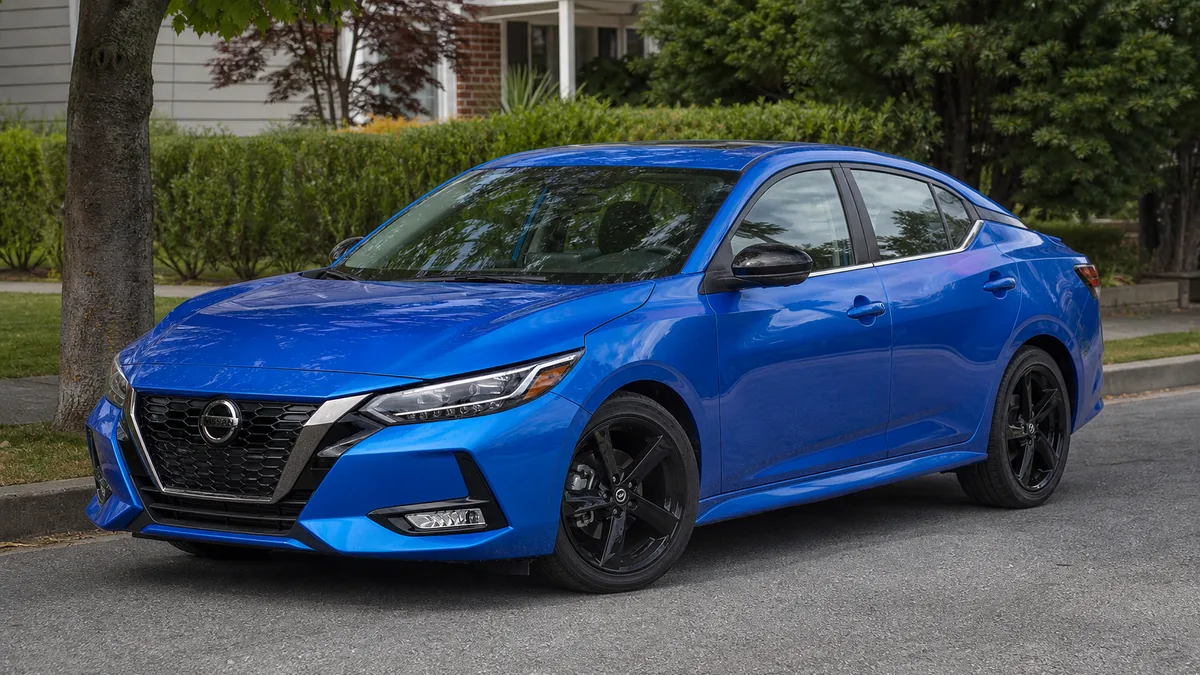
Commuters, new drivers, and budget shoppers all land here for the same reason. They want the calm and comfort of a bigger car without paying bigger-car money.
The 2026 redesign matters because it moves the Sentra out of the stripper-commuter corner it used to sit in.
A nicer cabin does not change the modest engine underneath, so keep the value lens on even when the car looks a grade richer than the price.
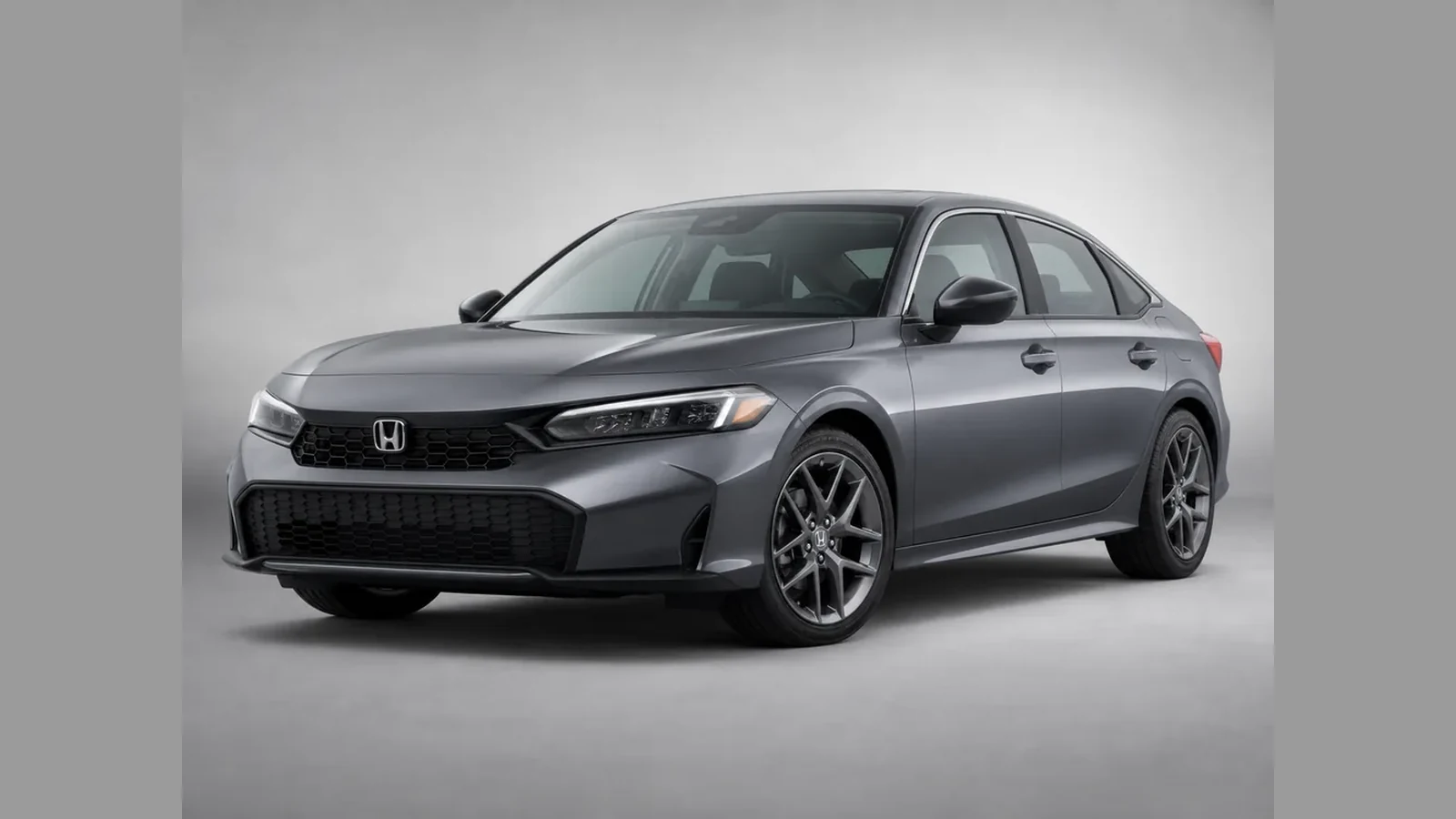
Drive a Honda Civic on the same route before you decide, though.
The Civic wins on driving feel and resale, and the Sentra wins only when the cabin comfort and the discount clearly beat it.
Where the upscale feel actually lives in the cabin
The reason the Sentra feels expensive is what you touch every day, not what moves the car.
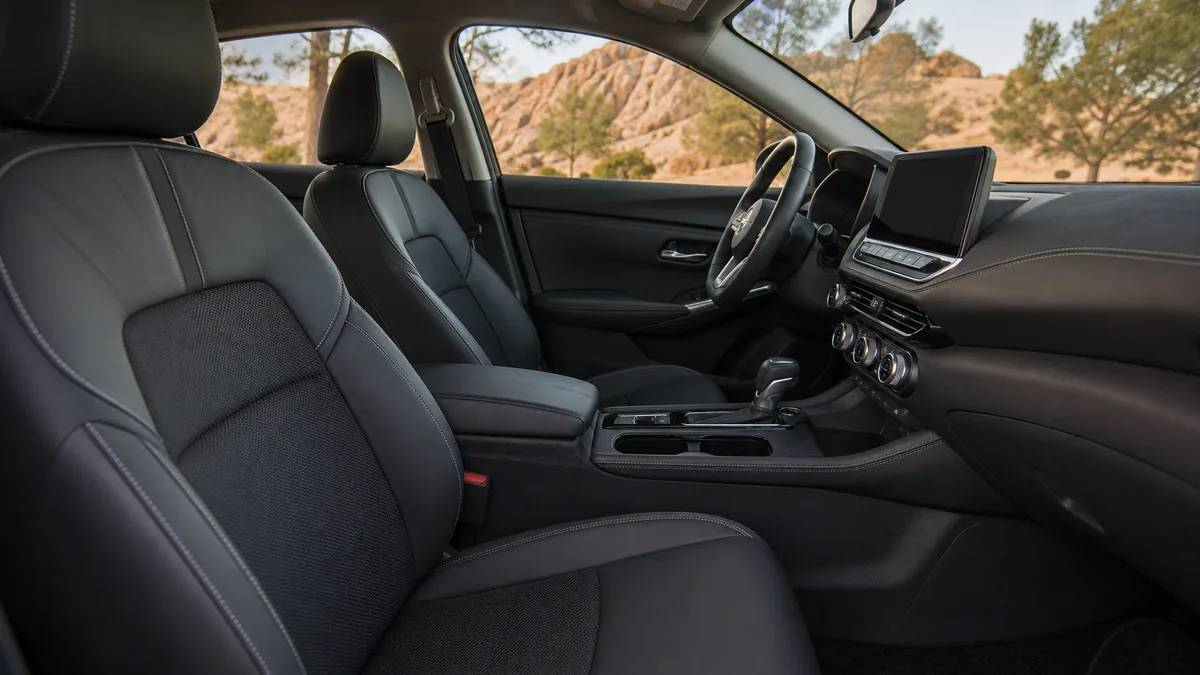
Nissan built the 2026 cabin to read a step above a basic commuter, and that is where the money shows up.
Start with the seats.
Nissan's Zero Gravity seats are shaped to cut fatigue on a long drive, so a 40-minute commute leaves you less worn out than a hard budget-car bench would.
The screens carry the modern feel.
Available dual 12.3-inch displays give the dash a richer look than most cars at this price, and they handle phone mirroring, maps, and audio without feeling cheap.
| Feature | Why it matters |
|---|---|
| Zero Gravity seats | Less fatigue on a long commute |
| Dual 12.3-inch displays | Modern dash look and easy phone mirroring |
| Five real seats | Passenger space without SUV bulk |
| 2026 IIHS Top Safety Pick Plus | A safety data point to verify by trim |
Test the interface before you fall for the look.
Bigger screens only help when the menus stay easy, so pair your phone and run the climate and audio controls while you are still on the lot.
Space is the other half of the grown-up feel.
Five real seats and a usable trunk let the Sentra cover errands, airport bags, and a back seat full of passengers without the bulk of an SUV.
The safety data helps the case. Nissan lists a 2026 IIHS Top Safety Pick+ mention, and you should still confirm the exact driver-assist features on the trim you are buying.
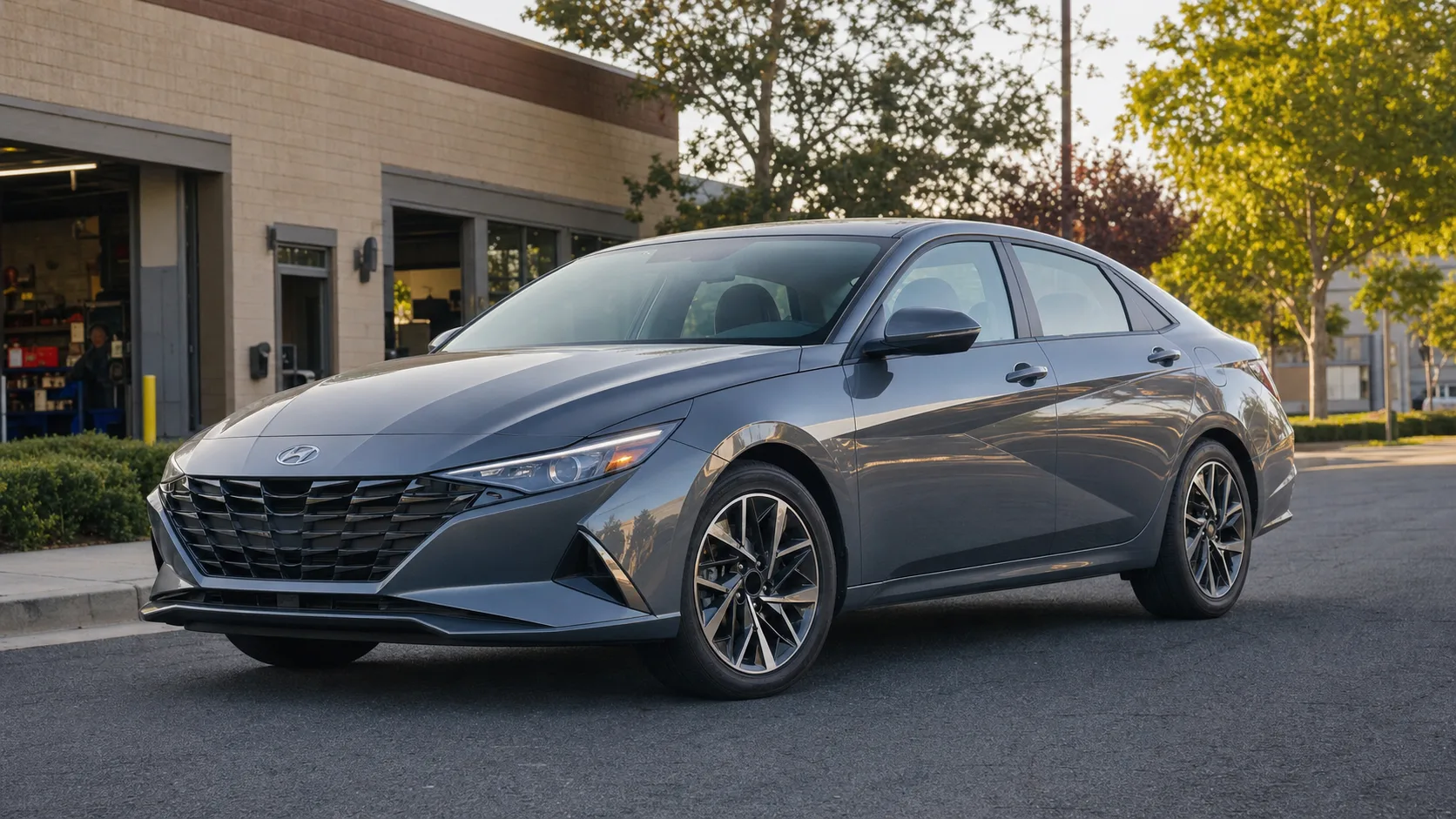
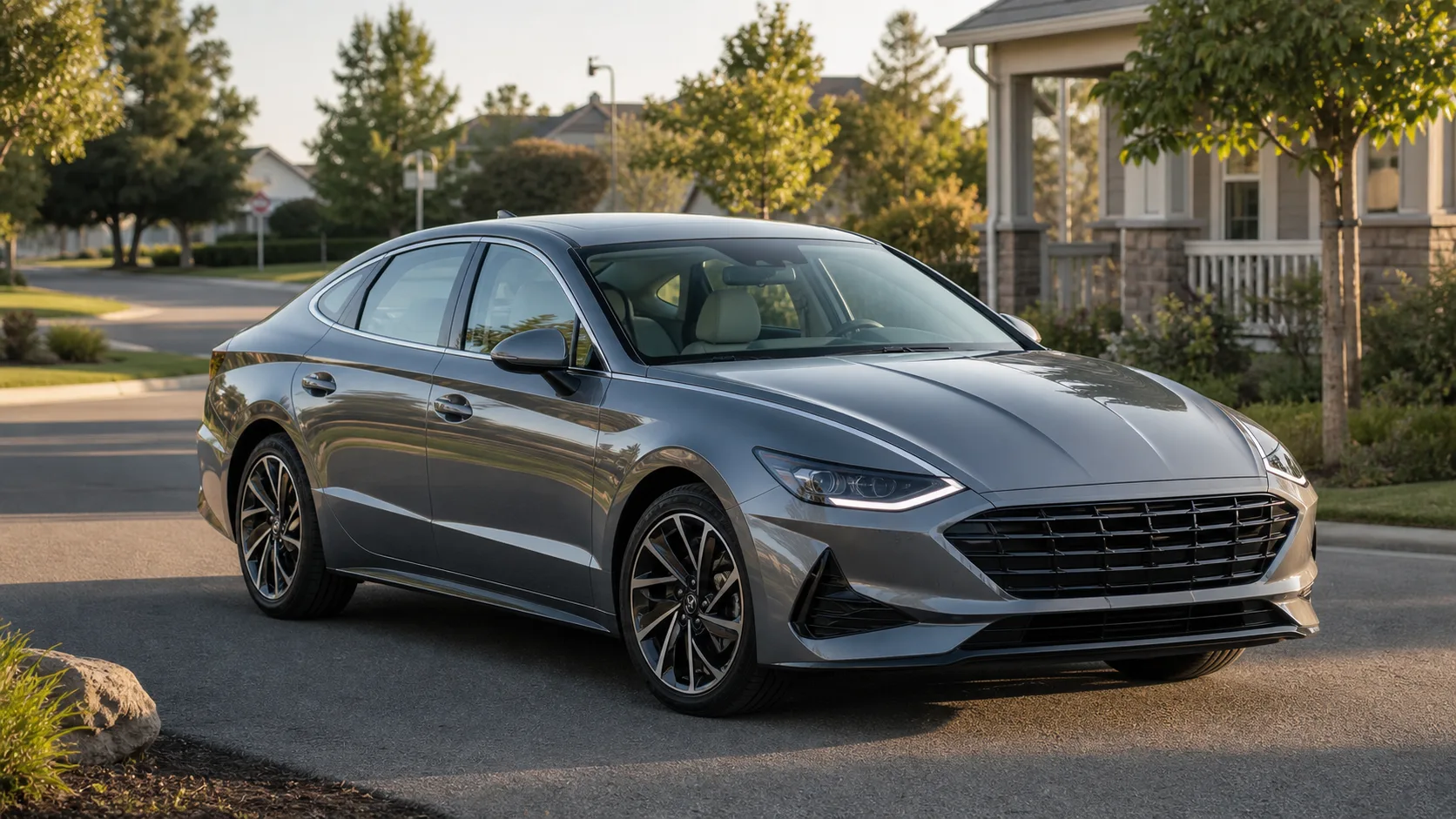
This upscale pitch is the Sentra's answer to the Hyundai Elantra, which chases the same value shopper with its own big screens and long feature list.
The cabin is also why the Sentra reads as more than a plain budget car.
Judge the seats, the screens, and the quiet first, because comfort is the real reason this compact earns its price.
A CVT tuned for calm, not for quick
The Sentra's drivetrain matches the cabin's mission, which is calm rather than quick. The 2.
0L four-cylinder makes 149 hp and 146 lb ft of torque, and the Xtronic CVT is tuned to keep that power smooth instead of urgent.
That tuning is a feature for the right buyer.
In city traffic and steady highway cruising the CVT holds engine speed low and quiet, so the car feels relaxed on a normal commute.
The ceiling is real, and you should accept it before you buy. Passing power and mountain grades need patience, because 149 hp through a CVT is adequate for errands rather than eager.
The 146 lb ft of torque arrives smoothly rather than in a shove, which is exactly why the car feels calm around town.
That same trait is what makes a quick highway merge ask for a longer runway than a turbo compact would.
A driver who wants a quicker compact should shop elsewhere.
A Civic Hybrid, a turbo Elantra, or a used Forte GT all feel stronger, and cars like those land on our fun to drive list rather than a comfort-first budget.
The Sentra rewards the driver who values a calm, quiet mile over a fast one.
Fuel economy fits the same calm story.
Up to 30 mpg city and 38 mpg highway is efficient enough for a gas compact, though it will not match a hybrid in heavy traffic.
That gas-only setup is the honest gap. A buyer who covers heavy city miles should price fuel against the hybrid choices before settling on the Sentra.
The engine is not the reason to buy this car, and it is not a dealbreaker either.
Accept the modest power as the price of a calm, comfortable commuter, and the Sentra starts to make sense.
The discount is the whole Sentra argument
The Sentra's value only holds when the price is right, so the discount is the number that decides the whole car.
Buy it cheap and it makes sense, and pay near Civic money and the math falls apart.
Weaker resale is the reason to stay strict. The Sentra loses value faster than a Corolla or Civic, so a small saving up front can disappear at trade-in if you overpay.
| Cost area | What moves the bill | Buyer move |
|---|---|---|
| Purchase price | The discount is the main value lever | Compare out-the-door price with the Corolla and Civic |
| Fuel | 2.0L CVT is efficient, not hybrid-cheap | Do not expect hybrid mpg |
| Resale | Trails the class leaders | Keep the car longer or buy a bigger discount |
| Tires | SR wheels can raise the cost | Price tires before you pick the sporty trim |
The trims give you levers to protect that discount.
The S and SV trims keep the price low, while the SR adds a sportier look and larger wheels that cost more without adding power.
Financing can quietly undo the savings.
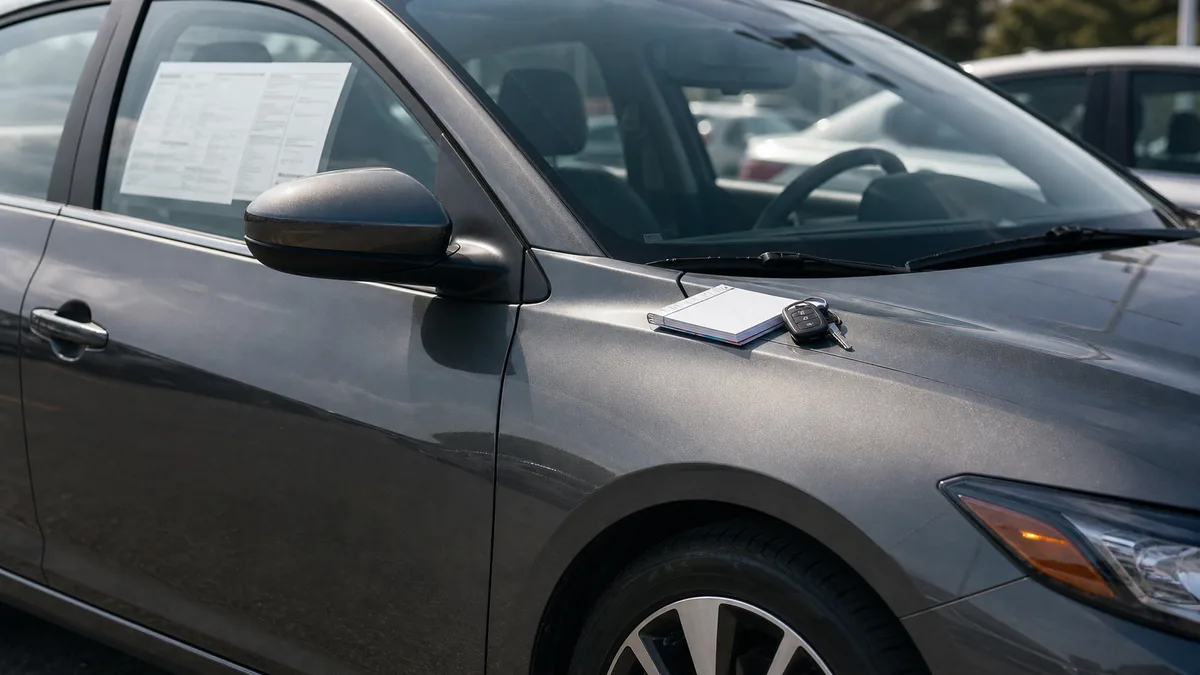
A low sticker with a high rate or dealer add-ons can cost more than a fairly priced Kia Forte or Corolla, so read the out-the-door number rather than the online teaser.
Set aside a small reserve for the parts a cheap compact still needs.
Tires, brakes, a battery, and an alignment can arrive early on a used car, and budgeting for them keeps the discount honest instead of erasing it in the first month.
The trim trap is spending your way out of the reason you chose the car.
Once a loaded SL climbs toward mainstream sedan money, a roomier or higher-resale car starts to make more sense.
Run the lease versus buy math when a low monthly payment is nudging you toward a pricier trim.
The Sentra earns the sale by staying clearly cheaper, so protect that gap or buy a different car.
The one used-Sentra test that protects your money
A used Sentra lives or dies on one part, the transmission.
The CVT reputation is the reason a cheap Sentra can turn expensive, so the test drive matters more here than it does on a Corolla.
Nissan has improved these small-car CVTs over the years, and that history does not excuse you from checking.
A new Sentra under warranty is a very different risk than a high-mile used car with no fluid records.
Build the drive around the transmission.
Start the car cold, shift from park to reverse and back to drive, creep through a parking lot, then merge and hold a steady highway speed with one firm pass.
The CVT should feel smooth and predictable through all of it.
A faint whine alone is not always a failure, though harsh or delayed engagement needs a diagnosis before you talk price.
Run the rest of the inspection like any compact car:
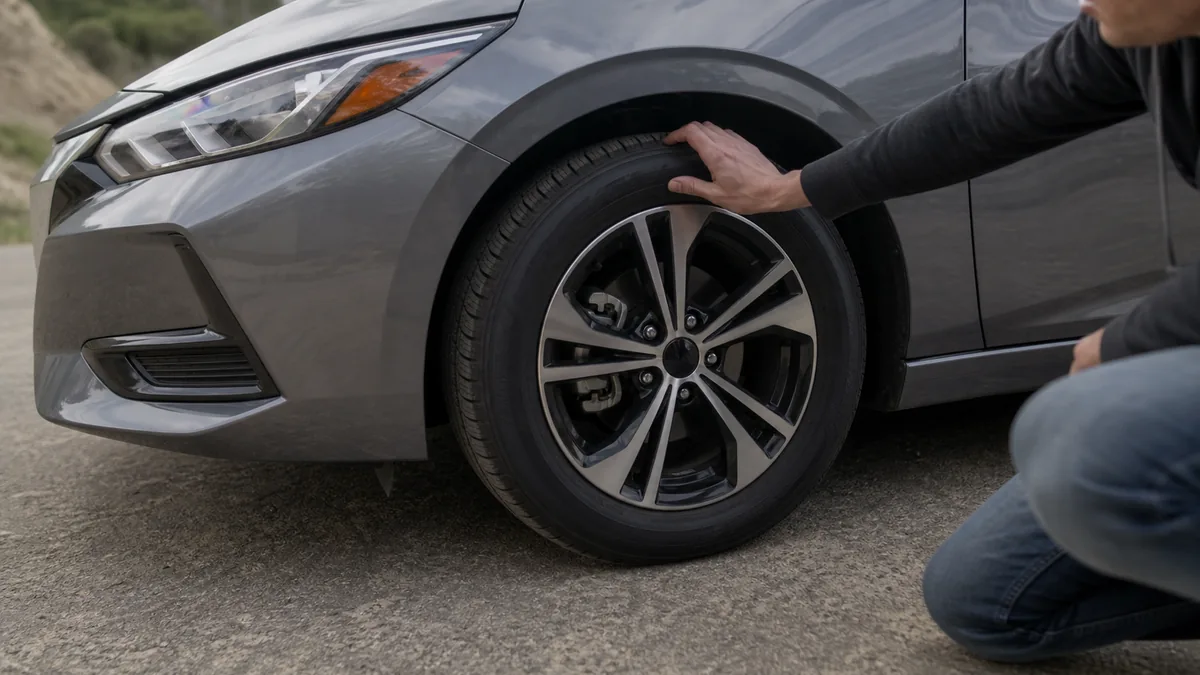
- Check tire wear, wheel rash, and alignment clues
- Listen for suspension clunks over rough pavement
- Test the screens, the backup camera, and phone pairing
- Confirm open recalls and service history by VIN
Service history beats a seller's confidence. Ask whether the CVT fluid was changed when appropriate, whether the car ever had transmission work, and price the uncertainty when nobody knows.
Weigh new against used with the money in mind, because our new versus used guide lines a warranty up against a cheaper price.
Simple habits protect the car after you buy, starting with on-time oil changes.
Keep the tire pressure correct and the tread checked before every long drive, since a cheap car turns neglected fast.
Confirm the car will jump start cleanly too, because an aging battery can throw odd warnings on a modern compact.
The whole Sentra value case rests on avoiding one expensive CVT repair, so make the boring test drive prove it.
When the Sentra is the wrong compact for you
The Sentra is honest about who it does not fit, and naming those buyers saves you a bad purchase. Two gaps send shoppers elsewhere, and both are easy to spot early.
The first gap is fuel.
The Sentra has no hybrid, so a driver stuck in heavy city traffic will burn more than a hybrid rival and should compare an Elantra Hybrid or a Corolla Hybrid first.
The second gap is weather and space.
The Sentra is front-drive only, so a buyer who needs winter traction or a taller cargo area is asking a compact sedan to do a job it cannot.
For weather and space, the answer is a different Nissan or a different body.
The Nissan Altima steps up to available all-wheel drive and a midsize cabin, and it is the natural move when winter roads worry you.
When cargo height is the real problem, an SUV or wagon answers it better. A Honda CR-V gives you the tall trunk a sedan cannot.
A Subaru Outback adds all-wheel drive and rough-road clearance, so weigh one of those before you force a sedan to haul what it was never shaped to carry.
That choice deserves a real comparison, not a guess, and our how to choose an SUV guide is a cleaner tool than another sedan spec sheet.
The Sentra stays the right call when calm commuting and a low price are the point.
If your week is traffic-heavy miles, snow, or bulky cargo, the honest move is to shop past the Sentra, not to stretch it.
Buy the Sentra only while it stays the cheaper car
The Sentra earns the sale by staying the cheaper, calmer choice, so the buying rule is simple. Keep the price gap over the stronger rivals wide, and the car makes sense.
Start the trim choice from what you use, not from the sporty badge.
The SV covers most daily needs at a low price, the SR adds looks and larger wheels, and the SL stacks on comfort features that can push the payment toward rivals.
| Trim | Choose it when | Watch for |
|---|---|---|
| S | Price is the only priority | Basic equipment |
| SV | You want daily comfort at a low price | The value sweet spot |
| SR | You want the sportier look and tech | Larger wheels raise tire cost |
| SL | You want the most comfort gear | Payment can near stronger rivals |
The smartest trim is usually the SV or SL, chosen on the features you touch every day rather than the aggressive SR styling.
Seats, visibility, safety tech, and phone integration matter more than a bolder wheel.
Bring your real life to the test drive.
Fit a child seat, load the biggest bag you carry, and hold a long highway stretch, because seat comfort and CVT behavior show their true colors well past the block around the dealer.
New buyers should lean on warranty and price as the reasons to proceed. Used buyers should be stricter, because the lower price has to pay for the CVT uncertainty.
Keep the loan short enough that depreciation never traps you in the car.
A Sentra financed over too many years turns its low price into a long tail of payments that outlast the discount that justified it.
If the payment still feels tight, scan the best first cars list before you stretch, since a safer budget beats a nicer screen.
The final filter is easy.
If you are explaining away a rough test drive or a payment that crowds a stronger rival, it is the wrong Sentra, and if the car is smooth, comfortable, and clearly cheaper, buy it and stop second-guessing.