Rugged wagon or compact SUV, which one fits your week
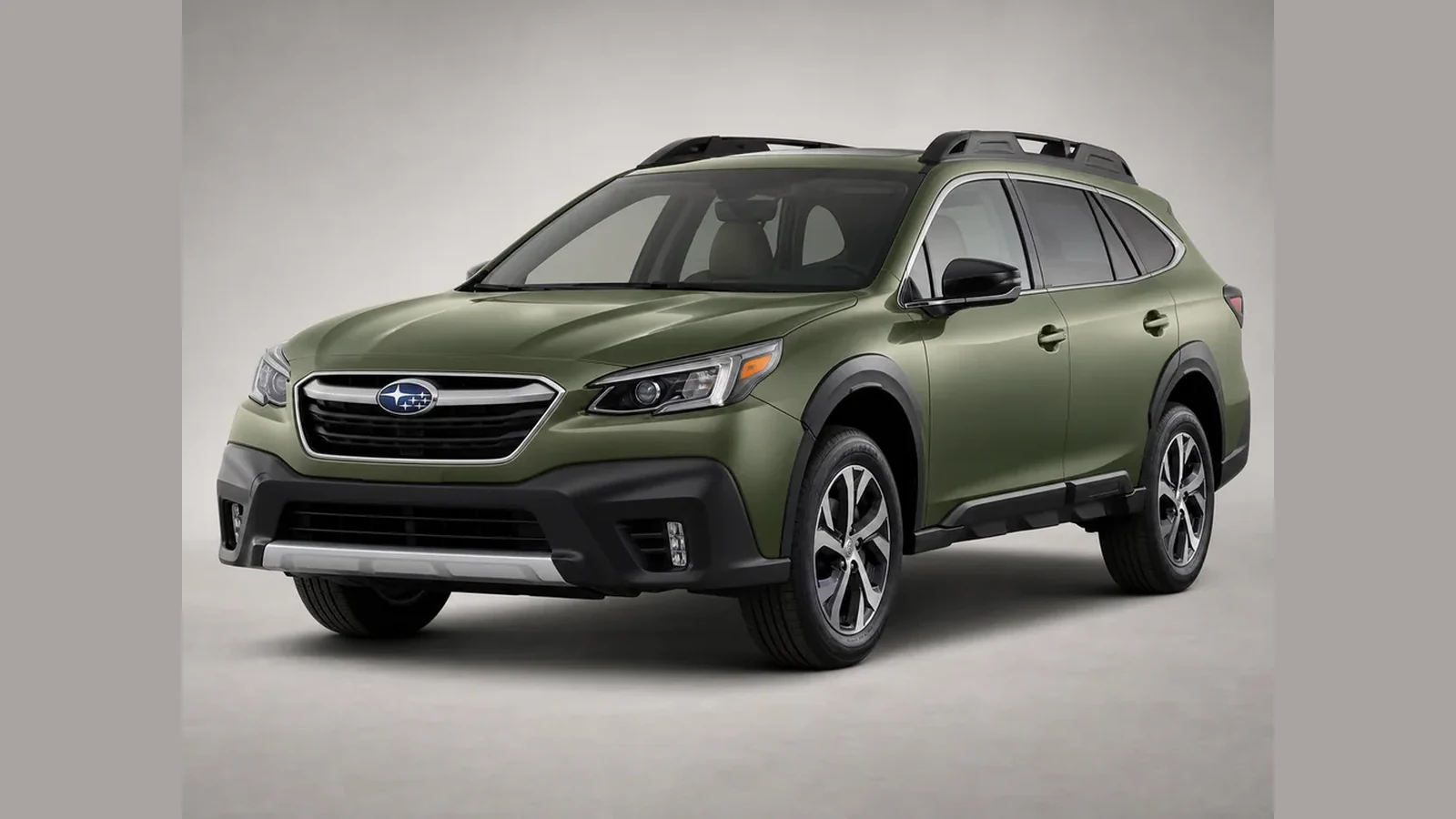
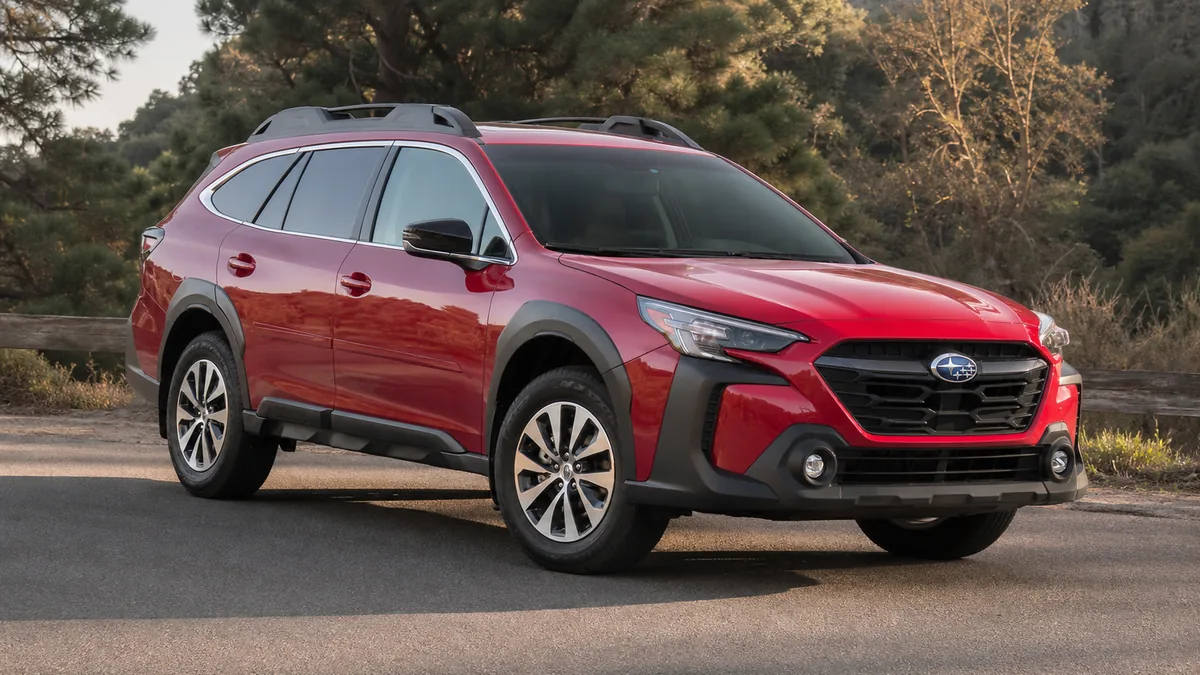
The Outback is a wagon that acts like an SUV, and that is the first thing to settle before you shop trims.
It hands you standard all-wheel drive, a low cargo floor, and roughly the clearance of a crossover without the tall, bulky body.
Its real job is narrow.
The Outback suits a buyer who wants grip in bad weather, easy loading, roof-rack space, and enough ground clearance for snow, trailheads, and rough rural roads.
That is why it sits between a normal wagon and a compact SUV.
You get a car that loads low and drives like a sedan, with the traction and clearance most families only expect from a taller vehicle.
Priced from about $30,000 to $43,000, the Outback overlaps a loaded compact SUV, so the money argument is close.
The real choice comes down to how you load, drive, and park, not the sticker.
The buy-or-skip answer is simple. Buy the Outback if your week includes weather, pets, bikes, muddy gear, or long highway runs to the outdoors.
Skip it if you only want tall seating and city styling. A Honda CR-V feels more like a traditional SUV and can be easier to shop.
A Toyota RAV4 Hybrid does the same and cuts your fuel bill, so both are worth a look if the wagon shape leaves you cold.
It also asks for a different test drive than a sedan.
Take it over rough pavement, up a highway ramp, and up a hill, because the base engine feels fine when lightly loaded and less convincing with people and cargo aboard.
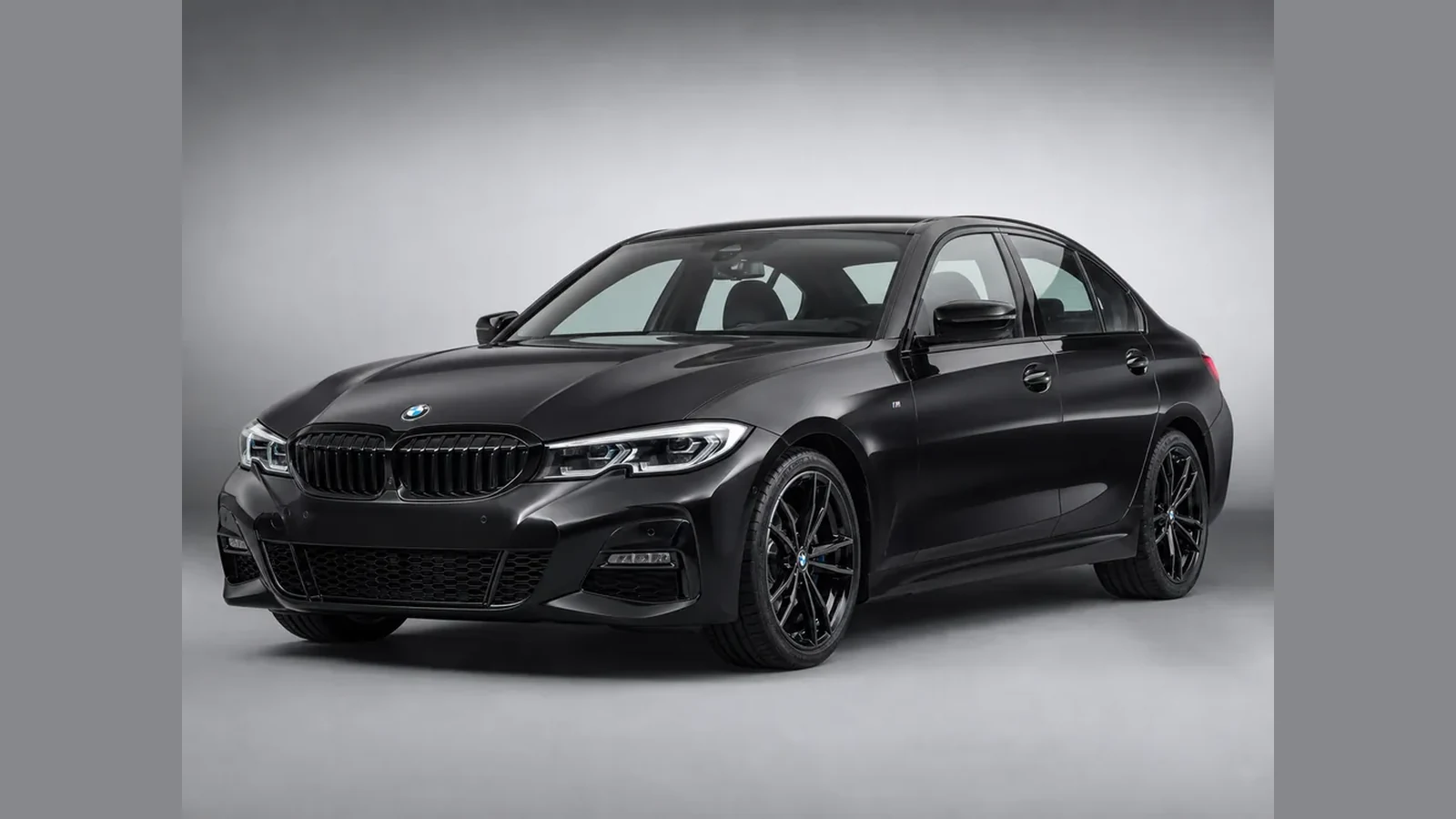
Against a BMW 3 Series the Outback gives up steering sharpness and cabin polish. It cannot match a pickup for payload either, so what it sells is daily utility without truck size.
Buy the Outback for the middle ground, not because you want the tallest or the sportiest car on the lot.
What standard AWD and 8.7 inches of clearance really do
Every Outback comes with symmetrical all-wheel drive, so grip is built in rather than an option box.
That pays off most on snow, rain, gravel, and steep driveways, where power reaches all four wheels without you thinking about it.
The 8.7 inches of ground clearance is the other half of the story. It clears snowbanks, rutted campground roads, and the bad rural pavement that scrapes a normal sedan.
Put together, the AWD and clearance are why Outback shoppers often trade in from sedans, older wagons, and compact crossovers.
They want winter and trailhead ability without moving up to a big SUV, and the all-wheel drive hub shows how few cars split that difference.
Subaru has carried this recipe since 1994, so the all-weather wagon idea is proven rather than a new experiment.
That long history is part of why used Outbacks hold value in cold states.
Tires decide how much of that capability you actually feel.
Standard AWD helps the car move, but a cheap all-season tire still makes it stop and turn poorly, so a snow-state buyer should price winter tires from the start.
A Wilderness-style setup pushes the same idea further with more tire and rougher-road hardware.
It earns its keep at trailheads and on rough roads, at the cost of more tire noise and lower mpg, so choose it only if you truly leave the pavement.
Give the car the right test drive before you sign.
Drive rough pavement, a highway on-ramp, and a hill, then keep the tire pressure check as a monthly habit once the car is yours.
The AWD and clearance are real, but only good tires let you use them.
Base flat-four, turbo XT, and life with the CVT
The engine choice is really a choice between two flat-fours. The base 2.
5L makes 182 hp and handles commuting, snow, and light cargo, but it feels slow when you load it up and ask for a highway pass.
The 2. 4L turbo makes 260 hp and tows up to 3,500 pounds, which adds real punch for mountains, passing, and a small trailer.
It costs more to buy, drinks more fuel, and wants premium, so it only pays off when your week actually uses the power.
| Choice | Best use | Tradeoff |
|---|---|---|
| 2.5L flat-four | Commuting, snow, pets, light cargo | Slow passing when loaded |
| 2.4L turbo | Mountains, towing, faster highway passes | Higher fuel use and higher price |
| Standard AWD | Snow, rain, gravel, steep driveways | Tire matching matters more |
| Wilderness-style setup | Trailheads and rough roads | More tire noise and lower mpg |
| Roof rails | Bikes, kayaks, cargo boxes | Adds wind noise with gear mounted |
Both engines run through a CVT automatic, and it behaves differently from a stepped gearbox.
It keeps fuel use reasonable, but under hard throttle it holds revs and sounds busy, which is normal Subaru behavior rather than a fault.
Most weeks do not need 260 horsepower. If your driving is school runs, groceries, and city commuting, the base 2.
5L saves money at the pump and at the register.
The turbo makes the most sense at altitude, where thin air saps a normal engine, or when you carry a full load and still want a confident highway pass.
Drive it hard once before you buy so the CVT drone is a known quantity, not a surprise a month in.
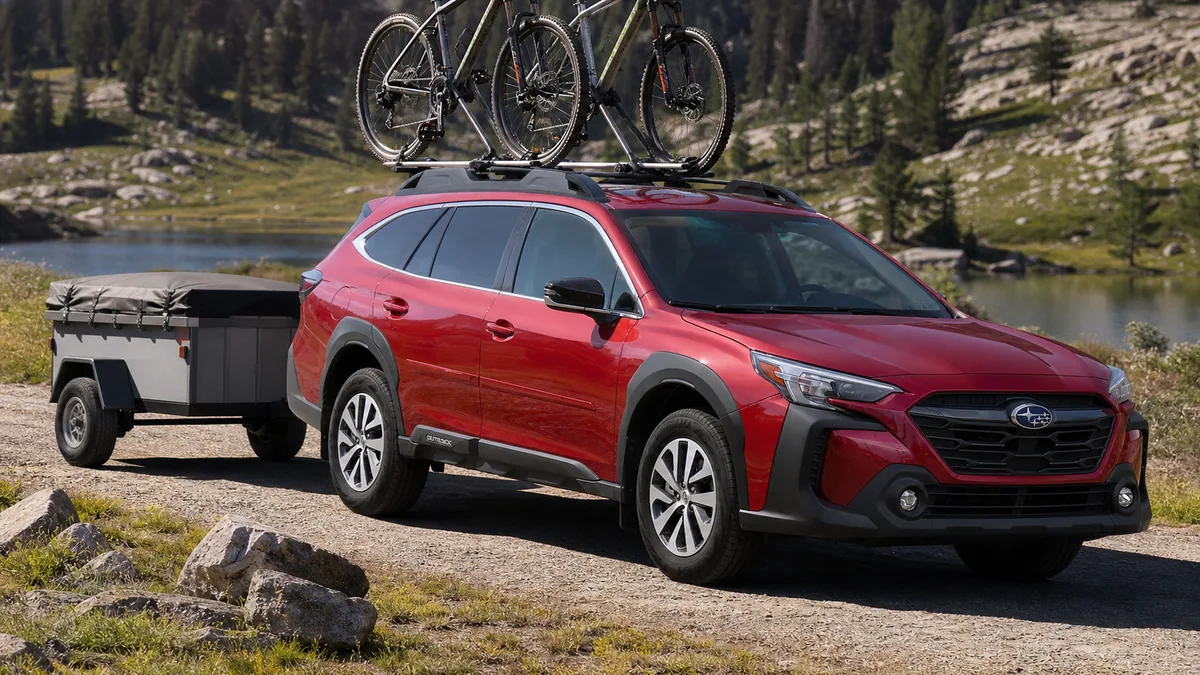
That 3,500-pound tow rating is useful, not a blank check.
Trailer weight, tongue weight, passengers, roof load, and hills all eat into it, so weigh the real trailer you own against the number.
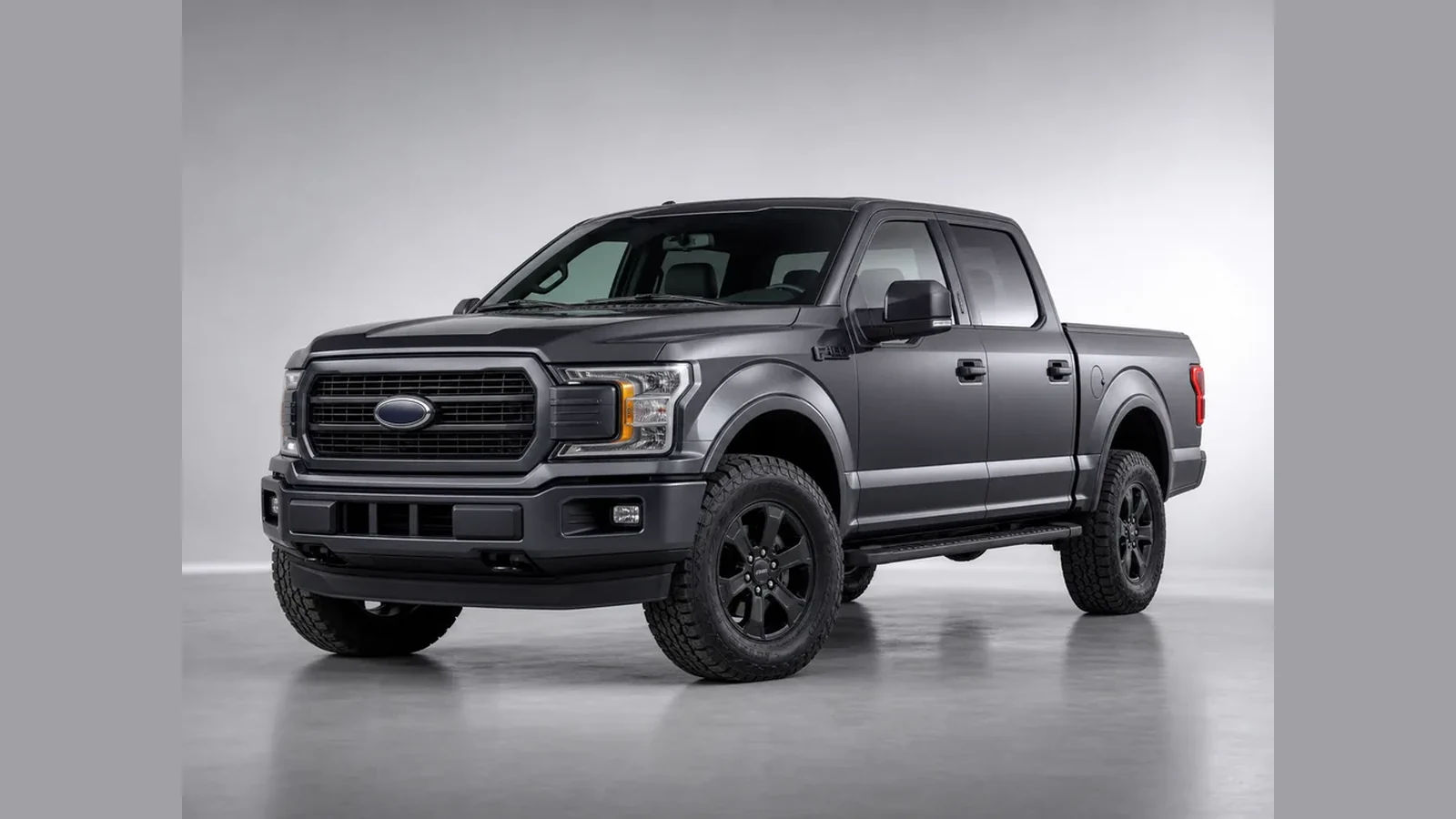
If you tow most weekends, be honest and cross-shop a Ford F-150 or a larger SUV before you commit.
Measured against the gas car hub, the Outback's fuel cost is ordinary, and its value is towing a little without moving up to a truck.
Start with the 2. 5L and step up to the turbo only when towing or grades are part of your normal drive.
Cargo, dogs, and gear the Outback loads low
Cargo is the Outback's quiet advantage, starting with 32.6 cubic feet behind the rear seat.
The load floor sits lower than many SUVs, so dogs, coolers, and storage bins go in without a heavy lift.
The long wagon roofline helps with bulky, flat gear that a short SUV cabin fights.
If you mostly haul tall boxes, a squared-off SUV still wins, but for skis, lumber, and camping loads the wagon shape works better.
Everyday capability
- Cargo behind rear seat
- 32.6 cu ft
- Seating
- 5
- Max towing, turbo
- 3,500 lbs
- Basic warranty
- 3 yr / 36,000 mi
Roof rails turn the Outback into a bike, kayak, and cargo-box hauler, which is a big reason outdoor buyers pick it.
Mounted gear adds wind noise and shaves a little fuel, so run the rack empty when you are not using it.
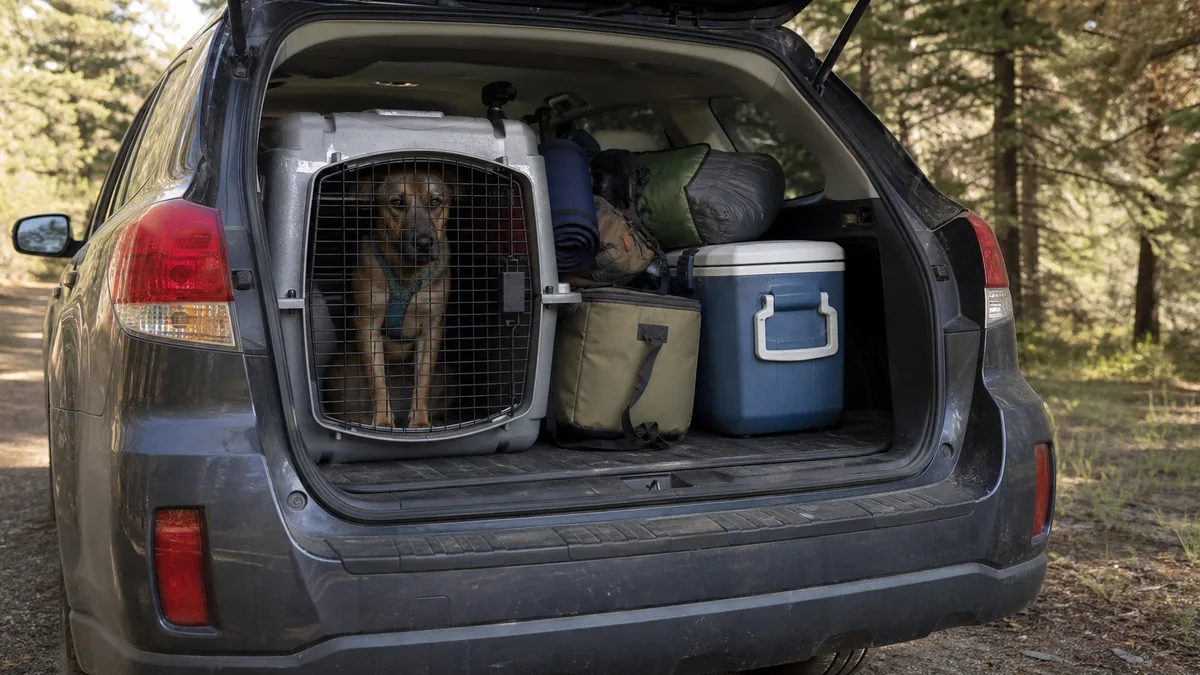
Do one check the brochure will not do for you.
Open the hatch at the lot, measure the exact gear you carry, and sit behind your own driving position before you trust the spec sheet.
Roof load has a catch at home, too. A tall cargo box or a roof bike can foul a low garage, so measure the door with the rack attached.
A wagon gives you lower loading and a better highway feel, while a compact SUV gives a taller, chair-like seat.
Neither is automatically right, so let the driver, the road, and the cargo pick.
Shoppers weighing the Outback against a wagon body style should sort cargo shape first, because that is what the middle-ground wagon really sells.
A three-row Toyota Sienna carries far more people and gear, so cross-shop it if seats, not clearance, are the real need.
Reliability, the old boxer reputation, and used checks
Reliability lands average to above average, with the flat-four and CVT proving dependable in daily use.
The bigger truth is that condition matters more than the Subaru badge, because AWD, tires, suspension, and the electronics all interact.
For wider model-family history, the Subaru brand hub fills in the background, though this car's question is narrower.
You are deciding whether this specific Outback is a clean all-weather wagon, not whether every Subaru story applies to it.
Older boxer engines earned a reputation for oil consumption and head-gasket worry, and that history still spooks used shoppers.
The current generation has largely resolved the oil-use complaints, so do not paste old fears onto a clean recent car, but still check oil level, leaks, and service rhythm.
- 2020 to 2024Sixth-generation Outback, familiar wagon-crossover shape, big-screen cabin, strong used supply
- 2025Transition period for shoppers comparing the old wagon look with the incoming redesign
- 2026Redesigned Outback moves more upright, making identity and body-shape expectations important
A stock Outback with service records, matching tires, clean fluids, and no warning lights is a sensible long-term car.
A neglected one gets expensive fast, because the AWD, tires, suspension, and electronics all lean on each other.
The problems owners actually report are rarely dramatic.
Expect infotainment lag or the odd reboot, windshield cracks, tire wear, suspension noise, and battery drain on some cars, plus CVT manners that feel strange coming from a normal automatic.
Test the screen the way you will live with it.
Pair your phone, run the navigation audio, and change the climate settings, because so many controls live there that a laggy unit turns into a daily complaint.
A roof-rack car needs extra eyes.
Scratches near the rails, a noisy cargo box, bent crossbars, or water marks around the hatch tell you how hard the car lived outdoors.
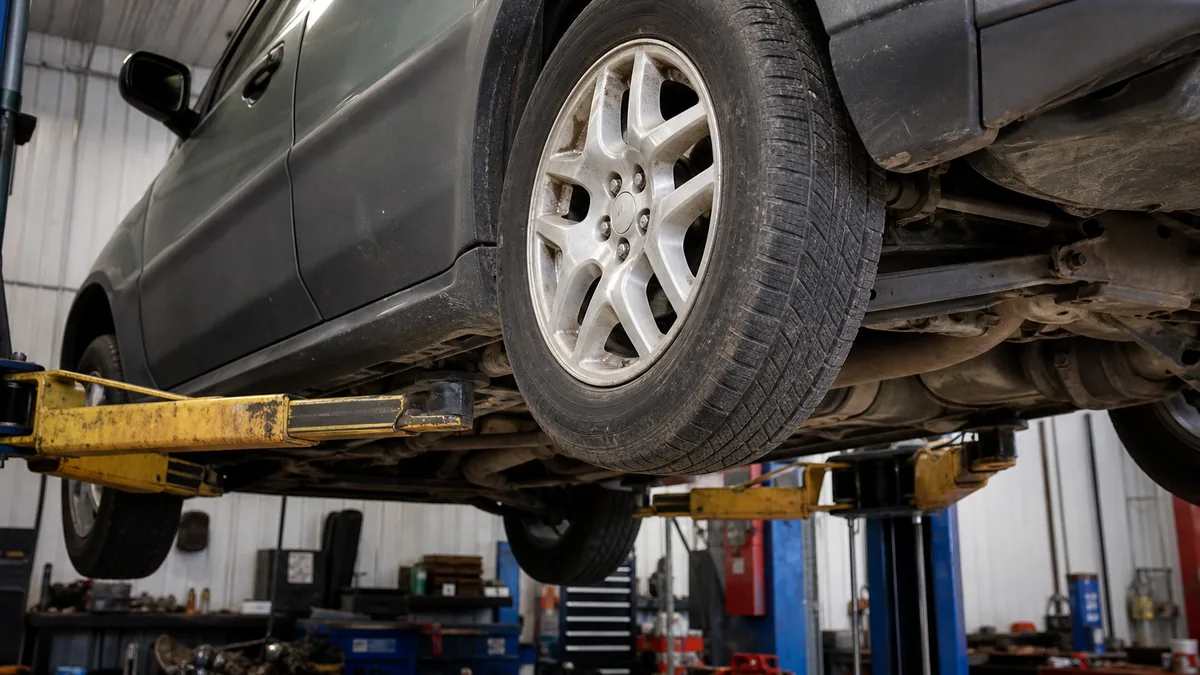
A turbo car raises the stakes on maintenance. Listen for smooth power and ask for oil-change history, because a turbo punishes long, neglected intervals and cheap oil.
Keep the change engine oil records as proof of care.
On a high-mile car, ask about CVT fluid, differential service, and brake work, since many sellers remember oil changes and forget the rest.
When you weigh a used Outback against a fresh one, let the new vs used math make the call.
What an Outback really costs to keep
The Outback runs cheaper than a luxury wagon and dearer than a basic sedan, and tires are the first line of the budget.
AWD wants four matched, quality tires, so a single damaged tire can force a matched replacement or a shaved tire to keep rolling diameters close.
Fuel cost tracks the engine and how you drive. The base 2.
5L is the practical pick for most buyers, while the turbo only earns its premium fuel when you tow, climb grades, or hate slow passes.
Resale is strongest where winter is normal, which is good for your total cost but bad for used prices.
A clean Outback can be priced high, so weigh it against a Toyota Camry if you are stepping down from a sedan, not only against another Subaru listing.
If the Outback is replacing a small SUV, compare cargo access and winter use against the SUV body hub before you assume every crossover shape costs the same.
The value is plain. You get AWD and useful cargo without stepping up into a larger, thirstier vehicle.
Insurance is usually manageable, but get a quote on the exact VIN, because windshield, camera, and driver-assist repairs raise claim cost.
If the car has EyeSight, make sure the camera areas are clean and the calibration history is not a mystery.
The smart money buys a mid-trim 2. 5L with matched tires and records, then adds the turbo only if the driving calls for it.
Hold yourself to the mainstream trims and add accessories slowly, because a cargo box, hitch, mats, winter tires, and roof carriers can add thousands in the first year.
Price the boring numbers before you chase a discount.
Quote insurance, price winter tires, check the windshield deductible, and ask whether the roof gear is included, since those four figures move a deal more than a small price cut.
Whether you lease or buy shifts the monthly number as well. The cheapest Outback to own is a fairly priced 2.
5L with good tires, not a loaded turbo with uneven ones.
Who the Outback fits, and the verdict by use case
The Outback fits a buyer who can name weather or gear as the reason.
Snow states, gravel roads, dogs, trailheads, bikes, ski trips, and long highway drives all point to it, as do drivers who dislike tall SUVs but need more room than a sedan.
It is a weaker pick if you want a quick base engine, a hushed luxury cabin, or a true off-road rig.
It is also not the cheapest family answer, since a minivan carries more people and a taller SUV feels more familiar from the driver seat.
Pros
- Standard all-wheel drive
- High ground clearance
- Comfortable and practical
- Strong resale in snow states
Cons
- Base engine is slow
- CVT drone under hard throttle
- Turbo needs premium fuel
It also makes a smart second car for a family that already owns something thrifty, covering weather, road trips, dogs, and messy cargo without becoming a truck.
If your passengers include older parents, test the seat height in the driveway, because the Outback sits higher than a sedan and lower than many SUVs.
The verdict is strongest when the car stays honest about what it is.
It is a practical all-weather wagon with more clearance than a normal car and less bulk than most SUVs, so it wins on utility rather than image.
Hold any Outback to four checks before you sign.
It should feel acceptable under hard acceleration, stay quiet enough on coarse pavement, pair a phone without infotainment drama, and show tires and underbody that prove careful ownership.
Weigh it against the best family SUVs list first, because that is its most direct competition.
Frame the choice with our guide to choosing an SUV so features drive your pick, not the badge.
If this is a new driver's first car, know the best first cars are usually simpler and cheaper than a weather-ready wagon.
The final deal should match the story. A lightly used 2.
5L with clean tires and records is a safe family-weather pick, while a turbo with towing hardware, roof gear, and uneven tires needs a tougher inspection.
Same badge, different risk. Buy the Outback for bad-weather utility and wagon practicality, not because it is the trendiest SUV shape.