Minivan or three-row SUV, the honest family answer
Most Sienna shoppers start with one question: does a minivan beat a three-row SUV for a growing family. For the jobs that repeat every single day, the van usually wins.
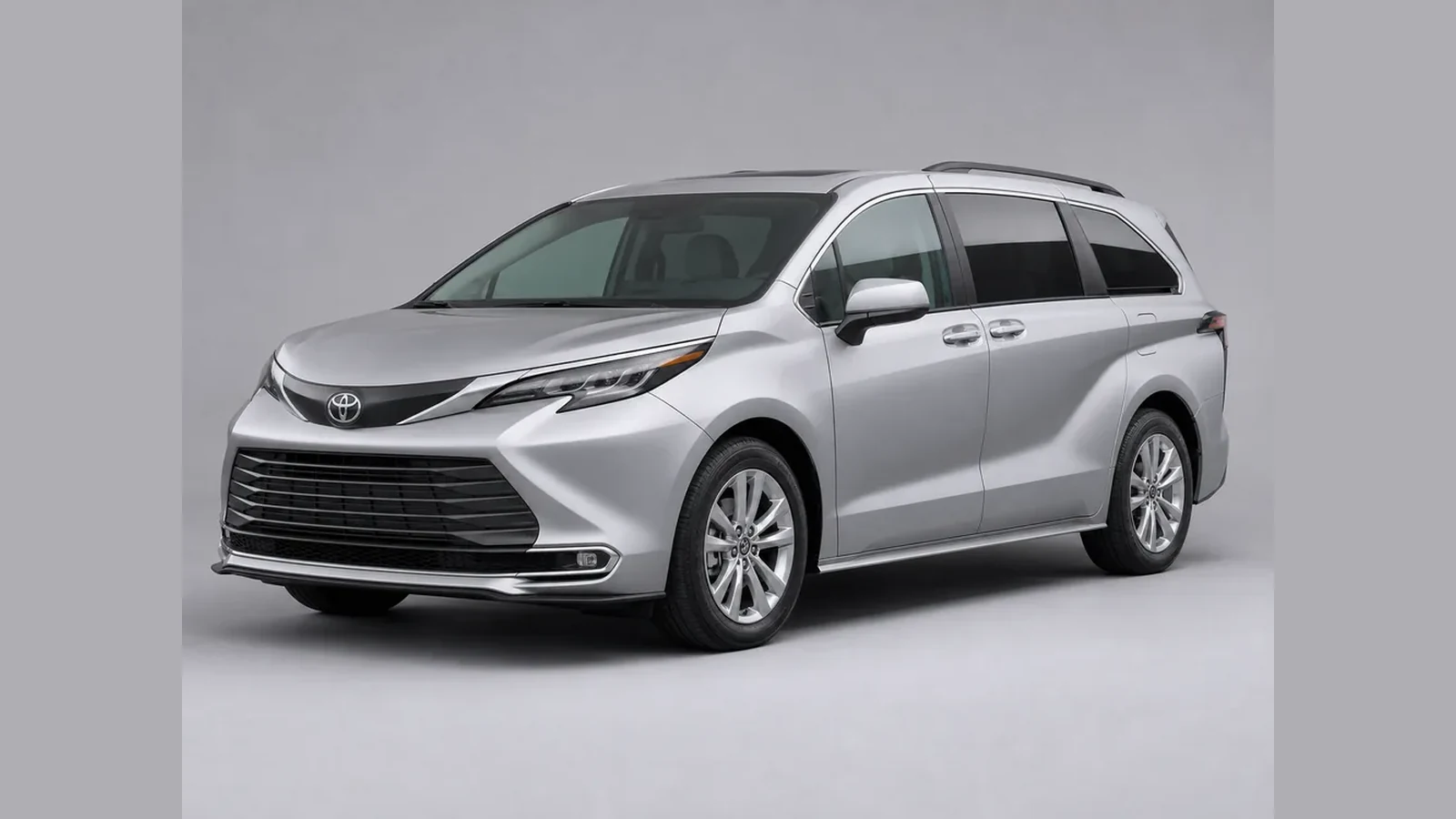
The Toyota Sienna trades a rugged look for space you can actually use. It gives you sliding doors, a low floor, and room for up to eight people.
Those doors solve school pickup, tight parking, and child-seat loading in a way a swing-out SUV door never can.
A crossover looks tougher in the driveway, but the sliding door wins at the curb where children actually climb out.
The Sienna is the efficiency king of minivans, and it is the answer many SUV shoppers do not want to admit is better.
If you need room for kids, adults, bags, strollers, and road-trip mess, a low floor and sliding doors solve more problems than a tough-looking crossover.
Sliding doors, available all-wheel drive, and a huge interior make it one of the most sensible family vehicles on sale.
It stays the practical pick even for the shopper who walked in wanting a crossover.
Buy the Sienna when people and cargo matter more than a tough stance. Skip it if you tow heavy, need real ground clearance, or carry two people most weeks.
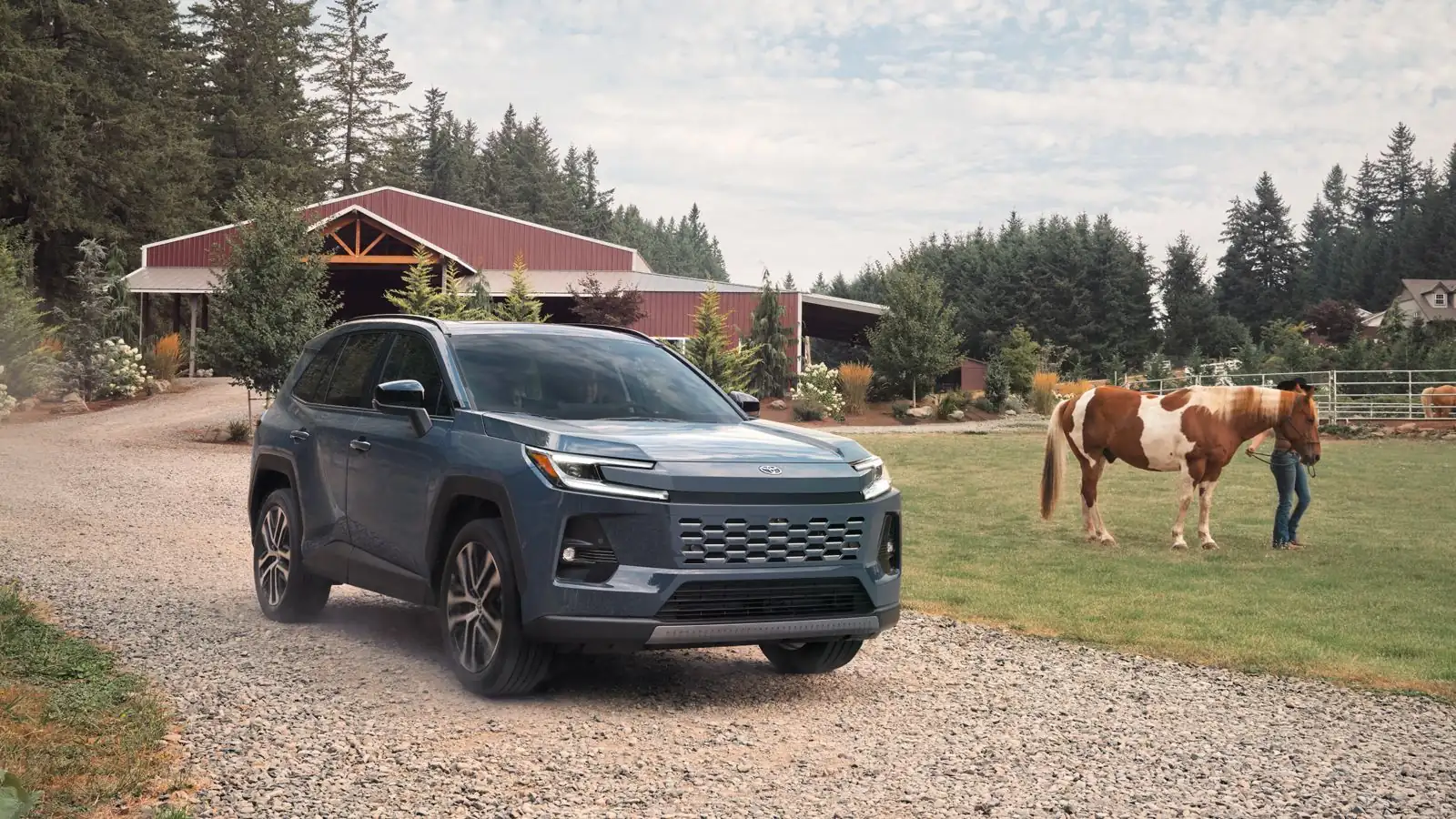
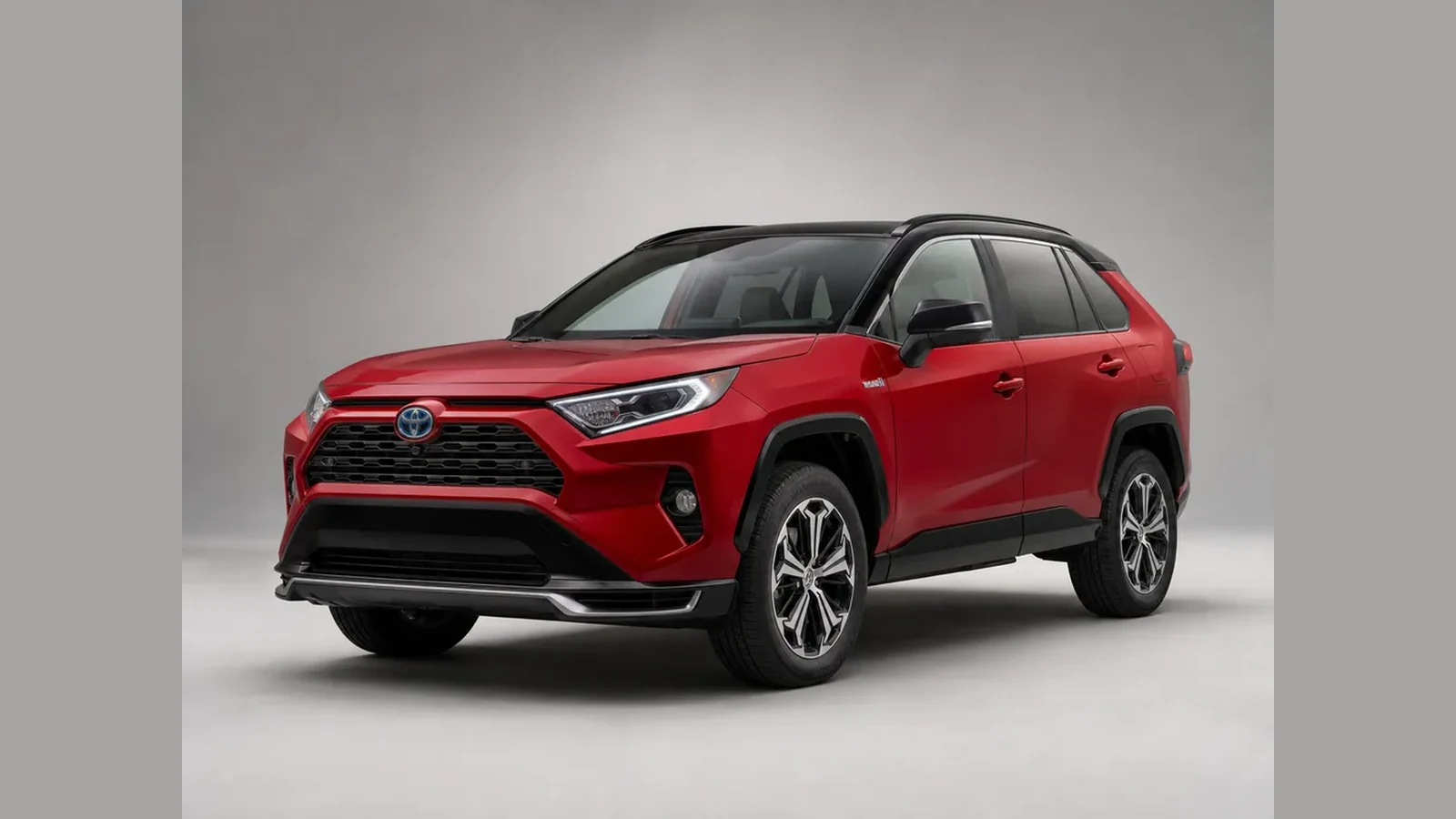
A Toyota RAV4 Hybrid parks easier and sips fuel too, so it earns a look if the van shape leaves you cold.
A Honda CR-V feels more like a normal SUV, yet its cargo hold cannot match what the Sienna swallows.
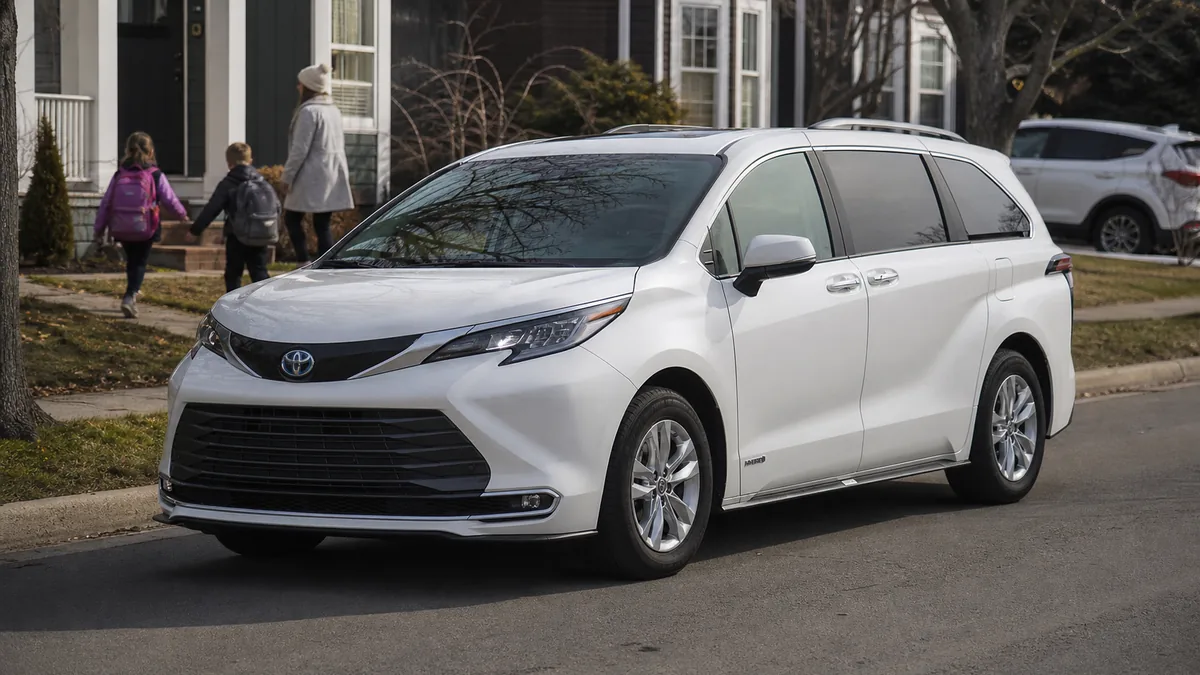
Do not shop it by trim name, because seating layout, door access, cargo routine, and AWD need decide whether it fits your life.
The smart shopping order is seating layout first, then AWD need, then trim. That keeps a luxury package from deciding a family logistics problem.
Many buyers land here after comparing the best family SUVs and finding the stroller still will not fit behind the third row.
The Sienna keeps showing up on those shortlists because the practical answer sometimes wears a van body instead of a crossover shell.
Choose the Sienna when daily access and family space beat showroom styling.
Why hybrid-only changes the minivan math
The Sienna comes only as a hybrid, and that single choice is why it can compete with SUVs at all.
A 2. 5L four-cylinder works with electric motors to make 245 combined horsepower through an eCVT automatic.
The payoff is 36 mpg combined, a number no gas minivan or gas three-row SUV can reach.
Hybrid at a glance
- Engine
- 2.5L four-cylinder hybrid
- Combined power
- 245 hp
- Transmission
- eCVT automatic
- Combined MPG
- 36
- Hybrid battery warranty
- 10 years
Older vans were roomy but thirsty, so a big fuel bill used to be the price of family space.
This one flips that trade and drives more like a smaller hybrid vehicle at the pump.
Think of the eCVT as a fuel-first gearbox, calm at a cruise and happy to trade drama for savings.
It stays smooth and efficient without trying to feel like a V6 Odyssey chasing a stoplight.
The hybrid brings a second advantage beyond the mpg number: far fewer fuel stops than a gas three-row SUV on a long drive.
For a family running school routes, errands, and weekend practices all year, those saved gallons add up quickly.
Toyota has built hybrids for two decades, and the battery carries a 10-year warranty that calms the worry stopping many buyers.
Your real fuel savings depend on a few things:
- The gas vehicle you would actually buy instead
- Your yearly miles across school, errands, and road trips
- Local fuel prices where you drive most weeks
- Whether you add AWD, which trims the mpg a little
Run those numbers against a thirsty gas SUV and the gap is large. Run them against a gas Toyota RAV4 and the gap narrows, so start from family size instead.
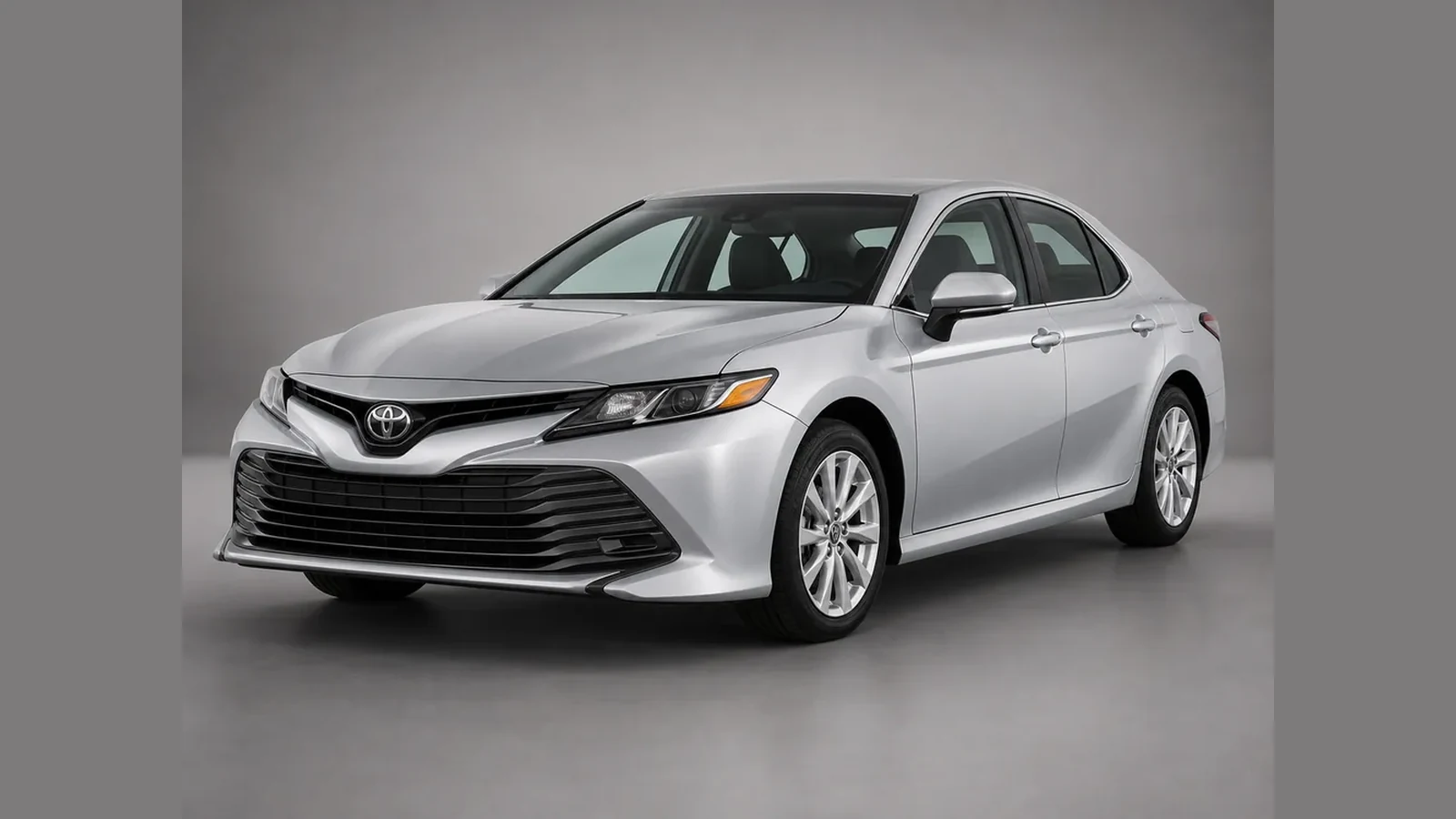
Against a fuel-sipping Toyota Camry the van naturally drinks more, yet it hauls three rows the sedan cannot touch.
Skip the Sienna's fuel case only if you barely drive, because a low-mileage owner recovers less of the hybrid premium.
The fuel gap is the whole argument, so measure it across a full year of your real driving rather than one tank.
The hybrid-only setup is what lets a full-size family van sip fuel like a compact.
Sliding doors, captain's chairs, and a cabin that adapts
Sliding doors are the feature families notice first, and they change how you live with the car every day.
They open in tight garages, at packed school curbs, and beside other cars without banging paint into the vehicle next to you.
Loading a car seat through a sliding door beats leaning around a wide SUV door jammed into a narrow spot.
They also make garage life easier, since you never wrestle a wide door against a tight wall.
Inside, you choose between a 7-seat layout with second-row captain's chairs or an 8-seat layout that adds a middle spot for carpools.
| Choice | Best use | Tradeoff |
|---|---|---|
| 7-seat captain's chairs | Easier second-row access | One fewer seat |
| 8-seat bench | Carpool and bigger families | Tighter middle spot |
| Front-wheel drive | Lowest price and simplicity | Less winter grip |
| All-wheel drive | Snow and steep driveways | Higher cost |
| Mid trim | Best value for most families | Fewer luxury extras |
| Top trim | Long road-trip comfort | Price nears a luxury SUV |
Captain's chairs give older kids their own space and make it easy to reach a rear-facing seat.
A bench works better when you carpool or bring grandparents along with the children.
Neither layout is better for everyone, so match it to who rides with you every week.
Kids fight less when each has a defined spot, and the second row is where that peace is usually won or lost.
A Honda Odyssey drives a little sharper and offers a roomier third row, yet it has no hybrid answer to the Sienna's fuel bill.
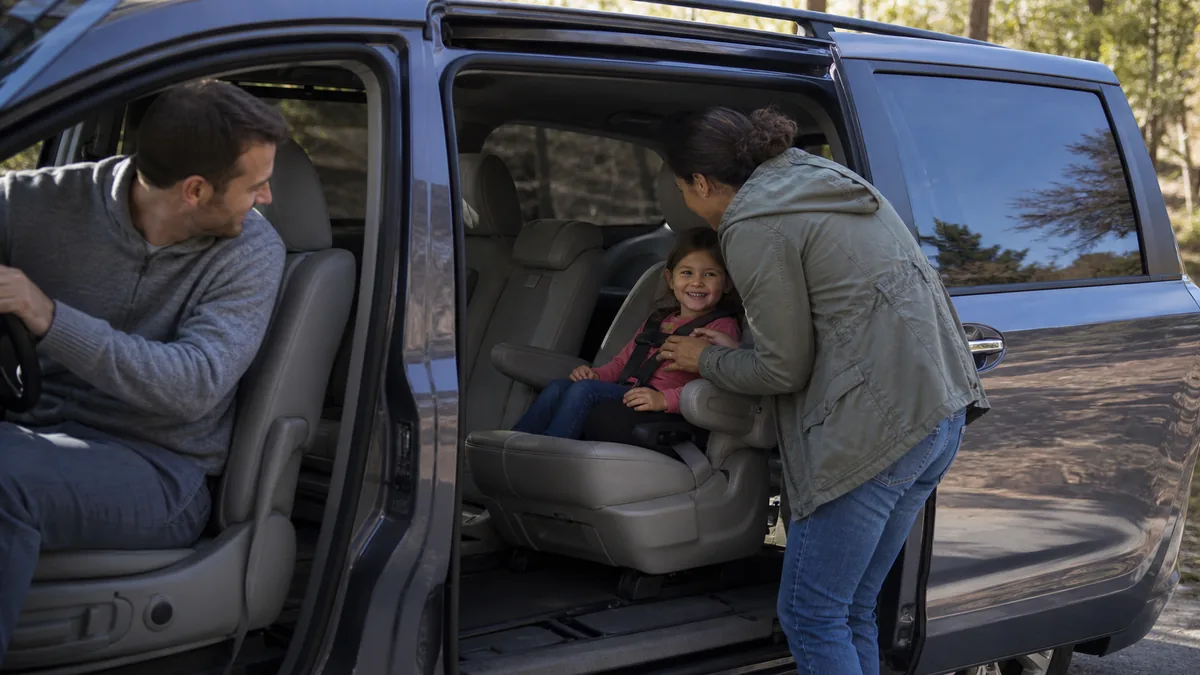
The second-row choice deserves more thought than the horsepower number, because it shapes every trip.
Plan for the family you will have in eight to ten years, when rear-facing seats become boosters and strollers become sports bags.
Short school runs today turn into highway tournaments later, and the cabin adapts through those stages better than most rivals in the minivan class.
Families who keep circling back after a guide to choosing an SUV often fail the same cargo test, then find the van solves it.
Let the seating layout and door access pick the trim, not the badge on the screen.
People and cargo, what the Sienna really swallows
Space is the core reason to buy this van, and the numbers back it up.
You get 33.5 cubic feet behind the third row and up to 101 cubic feet with the seats folded or moved.
A stroller, a full grocery run, and three passengers at once is the honest test, and this is where an SUV usually runs out of room.
- Behind the third row: 33.5 cubic feet for daily bags and gear
- Seats folded: up to 101 cubic feet for moving days and road trips
- Second-row rails slide for legroom or longer cargo
- Low floor means no heavy lift for coolers and bins
Because the floor sits low, kids and older parents step in without a tall climb.
Behind the third row you still have real trunk space, so you are not forced to fold seats just to fit a weekly shop.
Slide the second-row seats forward and you free up length for bikes, boxes, or flat-pack furniture.
The third row seats real people, though tall adults will find it tight on a long drive.
On a long trip the seating lets everyone spread out, which keeps the peace better than a packed crossover.
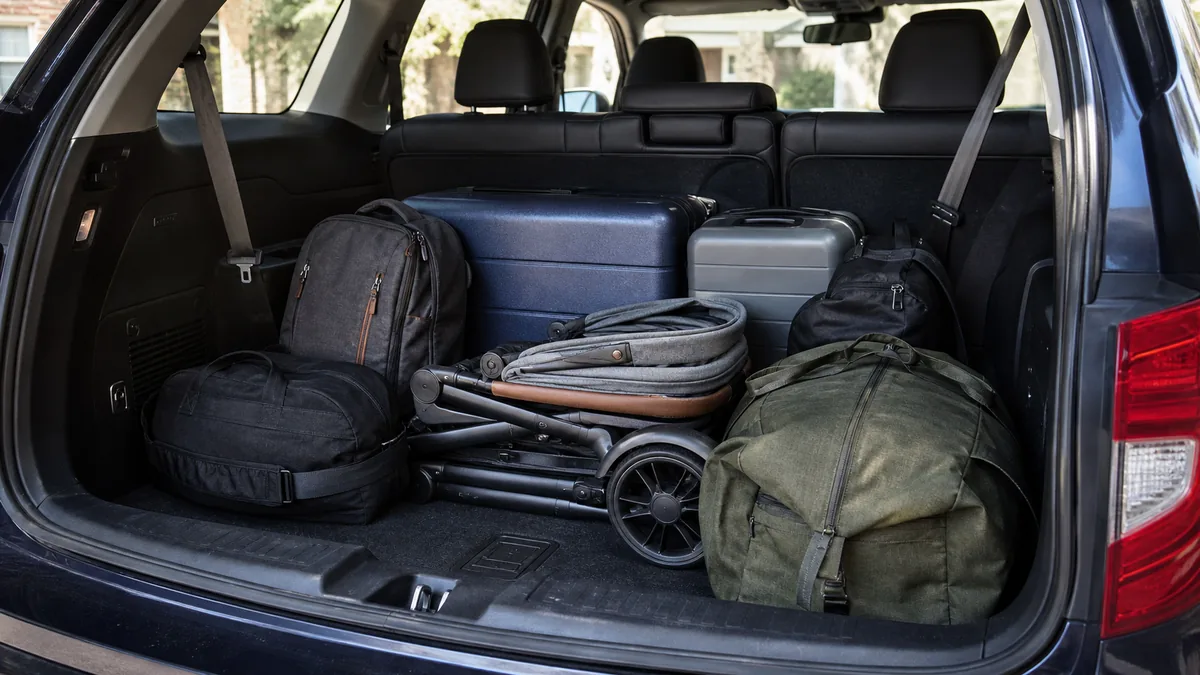
Fold and slide the seats yourself at the lot, because the way space changes matters more than the biggest figure on paper.
The cargo routine is what you will notice long after the new-car smell fades, so test it against your real weekly load.
Test that load with your own gear, not the showroom's, before you trust any spec sheet.
The real win is getting people room and cargo room in the same vehicle.
Boxes, bins, and a folded stroller stack neatly once the rear seats drop down.
Pros
- Huge, flexible interior
- Sliding-door access every day
- Room for eight people and their gear
Cons
- Third row is tight for adults
- No gas-only version for towing power
- Top trims climb into luxury pricing
If seats are the real need, the Sienna carries far more than a Subaru Outback or any two-row wagon.
Buyers stepping down from a big SUV body style usually find the van loads lower and holds more.
Test how the seats fold and slide, because usable space beats the biggest number on paper.
AWD, winter grip, and how the Sienna drives
All-wheel drive is optional, and it runs through an electric rear motor rather than a heavy driveshaft.
That setup helps you pull away on snow, rain, and steep driveways, but it is not built for trails or rock crawling.
If your worry is a snowy suburb, AWD makes sense. If your worry is a rough trailhead, you are shopping the wrong vehicle.
Treat AWD like insurance for traction, worth the money on steep snowy roads and skippable in a mild, flat climate.
The system adds grip, not clearance, so deep snowbanks and rough trails stay an SUV or truck job.
The all-wheel drive hub shows how few family vehicles split traction and price the way this one does.

On the road the Sienna feels calm and quiet, tuned for comfort instead of quick corners.
The cabin stays hushed enough that long highway trips feel easy, and the fuel range means fewer stops with restless kids aboard.
It has enough power for daily family driving, though a full load of people, luggage, and a highway grade can make the engine sound busy.
That busy note under a load is normal for an efficient hybrid rather than a sign of trouble.
Its job is to keep a family moving in bad weather, not to chase corners the way a sport sedan does.
Keep a monthly tire pressure check as a habit, because a loaded van works its tires hard.
Add AWD for real winter roads, not as a personality upgrade you will rarely use.
Reliability and the used-Sienna family-wear checklist
Reliability lands above average, helped by Toyota's long-proven hybrid system.
There is no widespread failure pattern on the current generation, and the drivetrain has stayed trouble-free.
The complaints that do surface are about the cabin, mainly occasional infotainment lag and a few interior rattles.
- 2021Hybrid-only Sienna arrives and replaces the old V6 formula
- 2022 to 2024Families prove the 36 mpg minivan case in real use
- 2025 to 2026AWD and trim packaging stay the key shopping calls
A used van lives a harder life than a commuter sedan, because kids spill, doors cycle daily, and seats move constantly.
That wear is normal, but broken latches, damaged rails, and missing trim cost real money to fix.
Small broken features matter here more than on a sedan, since a family touches doors, latches, and screens dozens of times a day.
Check every USB port and the rear climate controls as well, because a full van leans on them on every trip.
Because the Sienna is a heavy family hauler, add a few wear checks a sedan buyer might skip:
- Brakes and tire wear from carrying weight all year
- Alignment after years of loaded school and trip driving
- Matching tires if the van has AWD, since mismatched tread strains the system
- Battery cooling paths kept clean like any Toyota hybrid
Ask about recall completion and service history too, because a documented van is a safer bet than a merely detailed one.
A dirty family car is not automatically a bad car, but one with ignored warning lights usually is.
Listen for odd hybrid noises and read the warning lights before a clean listing photo wins you over.
Road noise and acceleration deserve a real test as well, since a fully loaded van behaves differently than the empty one sitting at the lot.
A used van with stains, tired tires, and no service history can cost more over time than a fresh mid trim at a fair price.
Test the sliding doors and liftgate like daily tools rather than party tricks, because weak struts or grinding sounds reveal a hard life.
Ask for oil-change history and keep the change engine oil records as proof of steady care.
For wider model background the Toyota brand hub helps, though this van's question stays narrower.
When you weigh a worn used van against a fair-priced new mid trim, let the new vs used math make the call.
A clean cabin with working doors and full records beats a low sticker on a tired van.
What a Sienna costs, and who should buy it
For a vehicle this size, the running costs stay low, and the fuel math leads the way.
A 36 mpg van saves real money over a gas three-row SUV across school runs, errands, and long road trips.
The trap is trim creep, because top trims pile on screens, audio, and luxury touches that push the price toward a luxury SUV.
The best value usually sits at a fair-priced mid trim inside mainstream car pricing, with the seating layout you truly need.
Strong resale is the other half of the math, since Toyota hybrids hold value and clean used vans are hard to find.
That resale rewards the owner who keeps records and protects the cabin, and it punishes the buyer hunting a cheap, worn one.
Quote insurance on the exact VIN, because glass, sensors, power doors, and hybrid parts can move the premium after the deal is written.
Budget for family wear as a normal line item: floor mats, seat protectors, wipers, cabin filters, and the occasional deep clean.
Price the Sienna like a family tool rather than a normal commuter, because those costs are predictable when kids and gear ride along daily.
Add entertainment screens and luxury touches only when they solve a real road-trip problem, not because the sticker tempts you.
A fair-priced mid trim with the right seats does the same family job as a fully loaded van for less money.
If a tight monthly payment is the sticking point, run a lease vs buy calculation before you sign anything.
The Sienna fits families who stopped pretending a crossover is always smarter, with child seats, dogs, sports gear, and Costco runs to haul.
It also makes sense for rideshare or shuttle work, where low fuel cost and flexible seating pay you back over the miles.
It is the wrong pick for a couple with one child, a tight city garage, or a buyer who tows heavy.
A brand-new driver is served better by simpler, cheaper picks from the best first cars list.
Still torn between crossovers, read the CR-V vs RAV4 Hybrid matchup, then check whether either can hold your real family load.
The Sienna is the most rational big-family vehicle in the Toyota lineup, easy to live with after six months of school runs, airport pickups, and muddy weekend gear.
It is not exciting in the sports-car sense, and that is fine, since it earns its keep by being simple to live with once the newness fades.
Before you commit, park the van where it will live, open both sliding doors, and load the gear you actually carry each week.
Buy the Sienna when space, sliding doors, and 36 mpg matter more than SUV image.