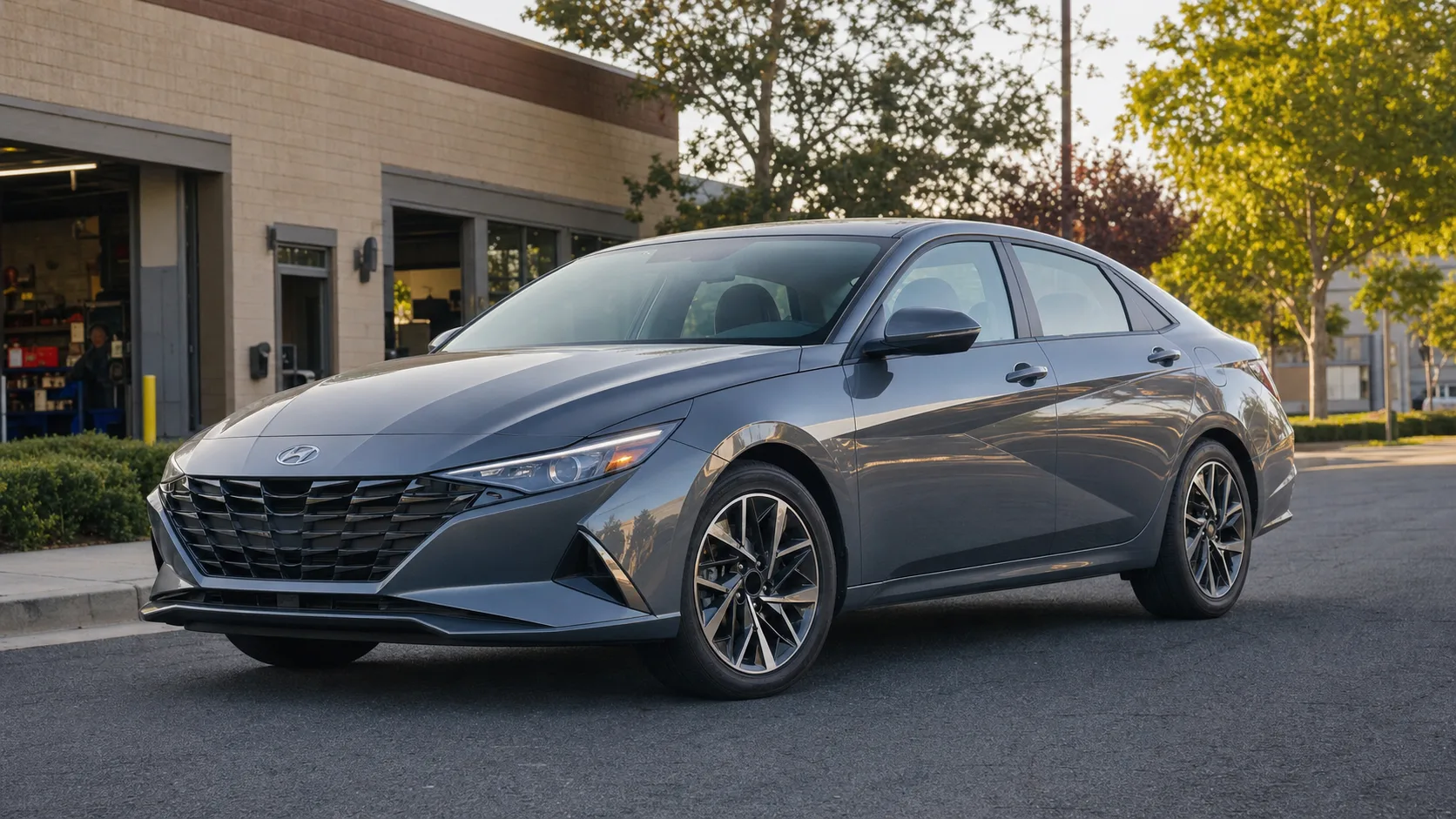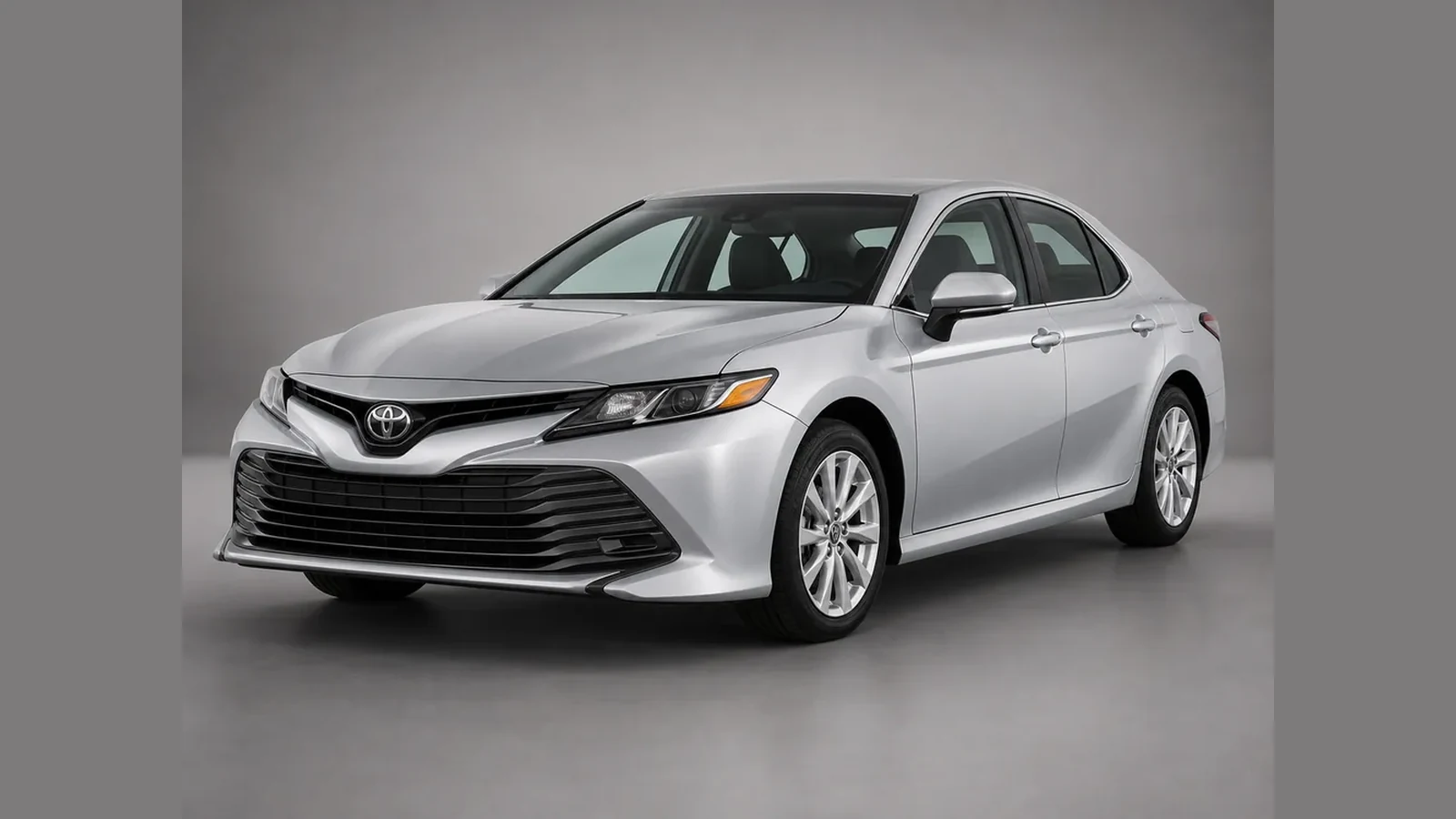
What hybrid-only really changes for Camry buyers
The Camry's biggest change is the one a shopper can miss on an old spec sheet.
Toyota moved the U.S. car to a hybrid-only lineup for 2025, so every trim now runs a 2. 5L engine with electric assist.
That single move turns the Camry from a plain midsize sedan into the low-fuel-cost pick in its class. The reason to care is the fuel bill, not the styling.
The buyer decision starts with mileage.
If you drive 8,000 miles a year, the fuel advantage is pleasant, and if you drive 18,000 miles a year, it can change the monthly math enough to beat a cheaper non-hybrid sedan.
You still get the practical Camry underneath. There are five real seats, a 15.1 cubic foot trunk, and simple controls that keep this midsize sedan easy to live with.
The Camry also has a simpler job than a crossover.
It gives you a lower seating position, better highway efficiency, easier tires, and a quieter ride for less money than many compact SUV picks.
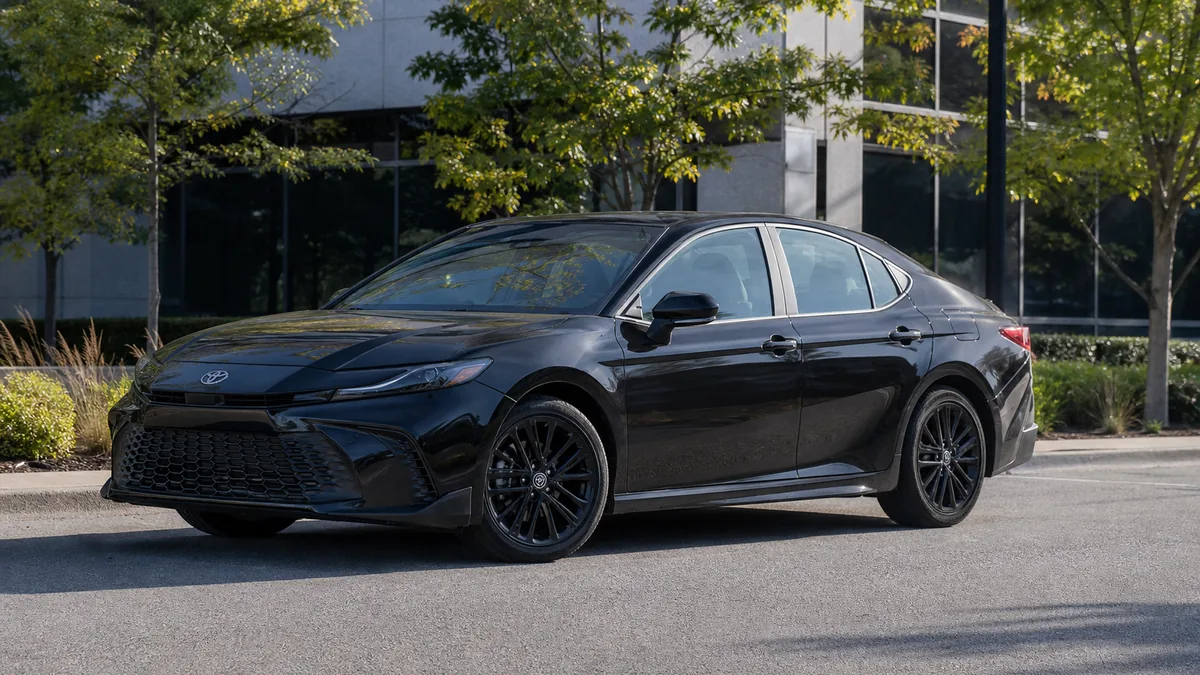
For buyers who never use SUV height, that trade is a cleaner fit, not a downgrade.
If you want one efficient sedan that asks for zero new habits, the hybrid-only Camry is built for exactly that.
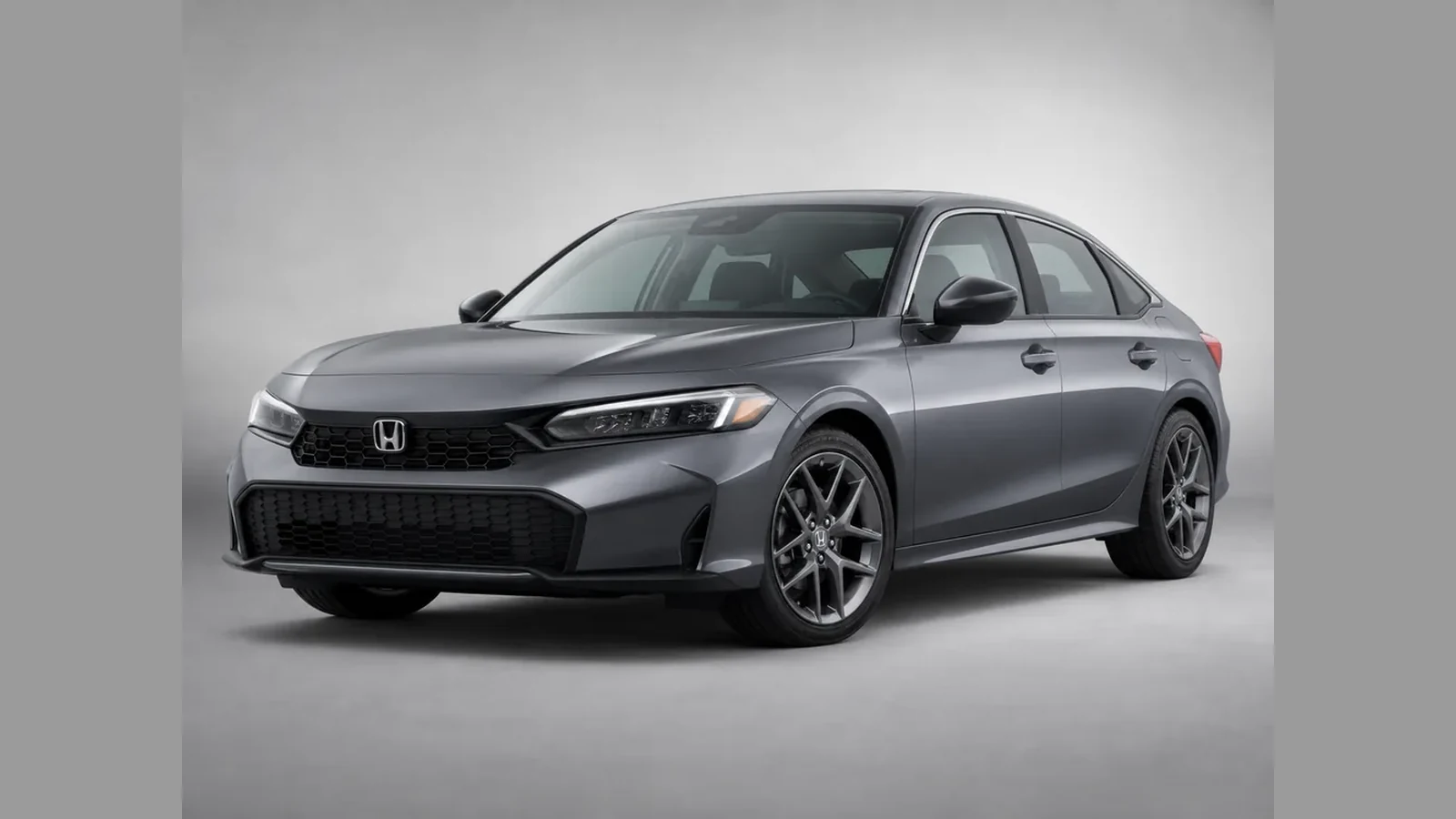
The Honda Civic is the main cross-shop, and our Camry vs Civic comparison covers that split.
What sets the Camry apart first is standard hybrid power in a full midsize body, so the efficiency comes without asking you to plug in.
How much the hybrid mpg actually saves you
Fuel is where the new Camry changes the bill.
A driver moving from a low-30s mpg gas sedan to a Camry that reaches the high-40s or low-50s in mixed driving can save real money every month.
That saving grows if you commute, rideshare, or keep the car past the loan term. The more miles you cover, the faster the hybrid pays back its small price premium.
Front-drive trims make 225 hp, and all-wheel-drive trims add a rear electric motor to reach 232 hp. Both feel relaxed in traffic because the electric motor covers gentle starts.
Match the payoff to how you actually drive.
- Heavy city or stop-and-go miles let the hybrid recover the most fuel
- Long steady highway weeks shrink the gap but still beat an old gas sedan
- Short annual mileage makes the savings pleasant rather than decisive
The Camry is quick enough for the class at 7.4 to 7.8 seconds to 60 mph, so the efficiency does not come with a slow car.
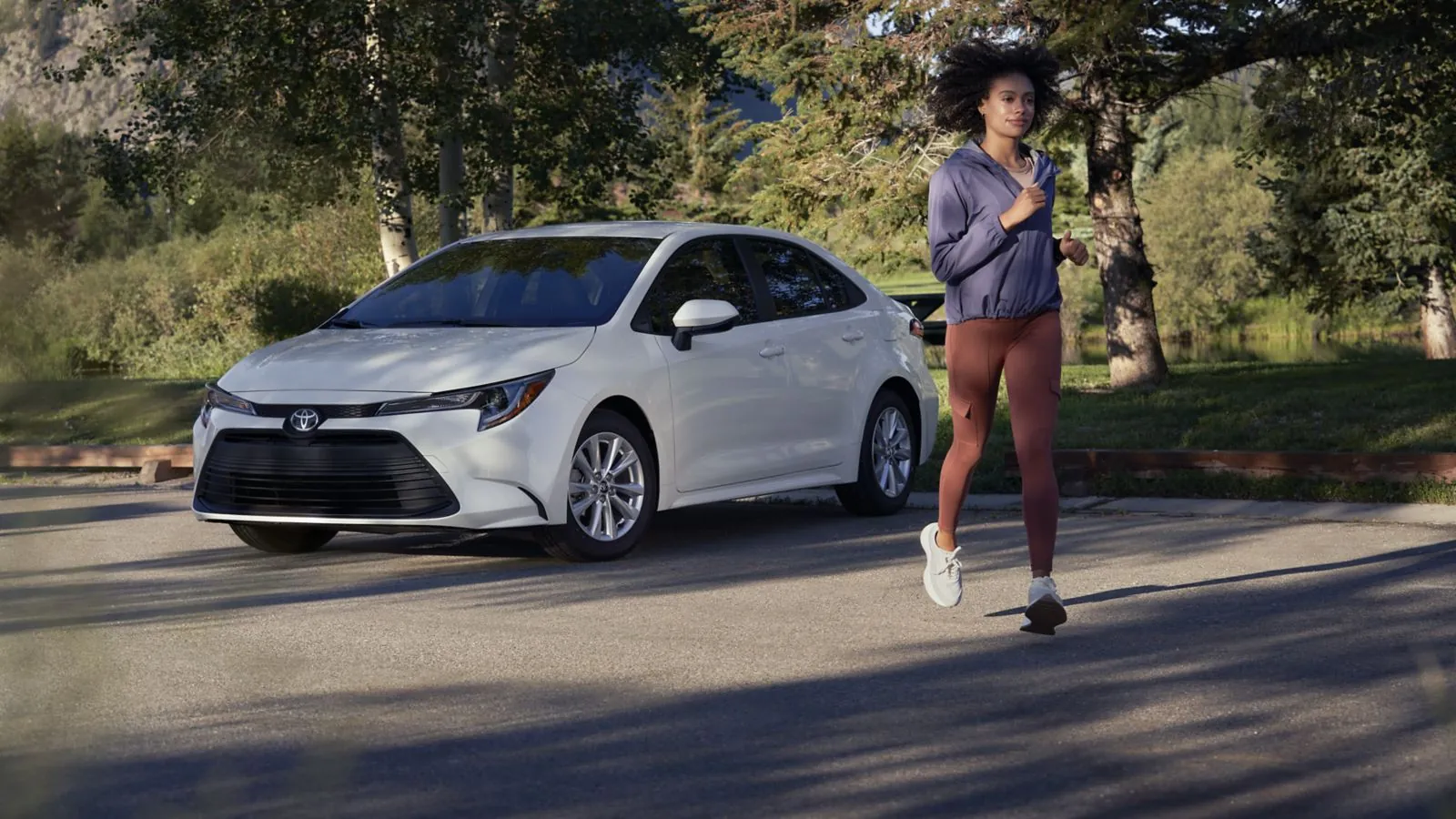
If a cheaper hybrid tempts you, the Toyota Corolla trades rear-seat room and comfort for a lower price.
Before you choose new against used, our new or used guide lines up the price gap against the fuel savings.
For high-mileage drivers, the mpg is the single strongest reason to pick this Camry over a cheaper non-hybrid.
The quiet, resale-heavy case for paying Camry money
The Camry asks more money than a compact sedan, and the payback shows up every day rather than on the window sticker.
You get a wider cabin, a calmer ride, and strong resale that a cheaper car often cannot match.
Resale is the Camry's hidden advantage.
A cheaper sedan can win on purchase price and still cost more if it loses value faster, which matters most if you sell after four to six years.
The low excitement score is honest. The Camry feels composed and calm, not playful, so buyers who want steering feel should look elsewhere.
What it does deliver is a car that suits highway commuters, rideshare drivers who want fuel control, and parents with one or two kids.
It is also a smart pick for someone leaving an older crossover they never loaded to the roof.
Buyers who hate shopping for cars often prize that predictability, because a well-kept Camry rarely forces a surprise decision.
With regular maintenance, many reach 200,000 to 250,000 miles, so the car keeps paying off long after the loan ends.
Against a Honda Civic, the Camry earns its price with more rear-seat width and a quieter highway ride.
The tradeoff is size and cost, because the Civic parks easier and feels lighter on its feet.
The pricier a Camry climbs, the more it fights roomier cars at the mainstream price level, so buying past your needs weakens the value case.
The Camry is worth the premium when quiet, resale, and low fuel cost matter to you every week.
The rest of the Toyota lineup only steps up in price from here, which keeps a mid-trim Camry looking sensible.
Picking between LE, SE, XLE, XSE, and AWD
Trim choice changes the Camry more than most shoppers expect, so start with the reason you are buying.
The LE is the economy play because it uses smaller wheels and less sporty tuning, which protects both ride comfort and mpg.
Every Camry includes Toyota Safety Sense 3.0, so the safety basics are not locked behind a luxury trim.
That lets you shop on comfort and wheels rather than fear of missing driver aids.
| Trim | Main reason to choose it | Tradeoff |
|---|---|---|
| LE | Lowest fuel cost and lowest price | Fewer comfort upgrades |
| SE | Sportier look without luxury pricing | Firmer ride and lower mpg than LE |
| XLE | Quietest, most comfort-focused Camry | Costs more than the value trims |
| XSE | Best-looking interior and exterior mix | Pays for style more than usefulness |
| AWD trims | More winter traction | Slight mpg and price penalty |
All-wheel drive helps in snow, but most commuters in warm states do not need it. Add it for weather or steep roads, not for the badge.
The eCVT does not shift like the older 8-speed automatic, and that is normal.
Under hard throttle it can hold the engine at a steady rpm, which some drivers read as noise, so test that before you buy if you are used to a traditional automatic.
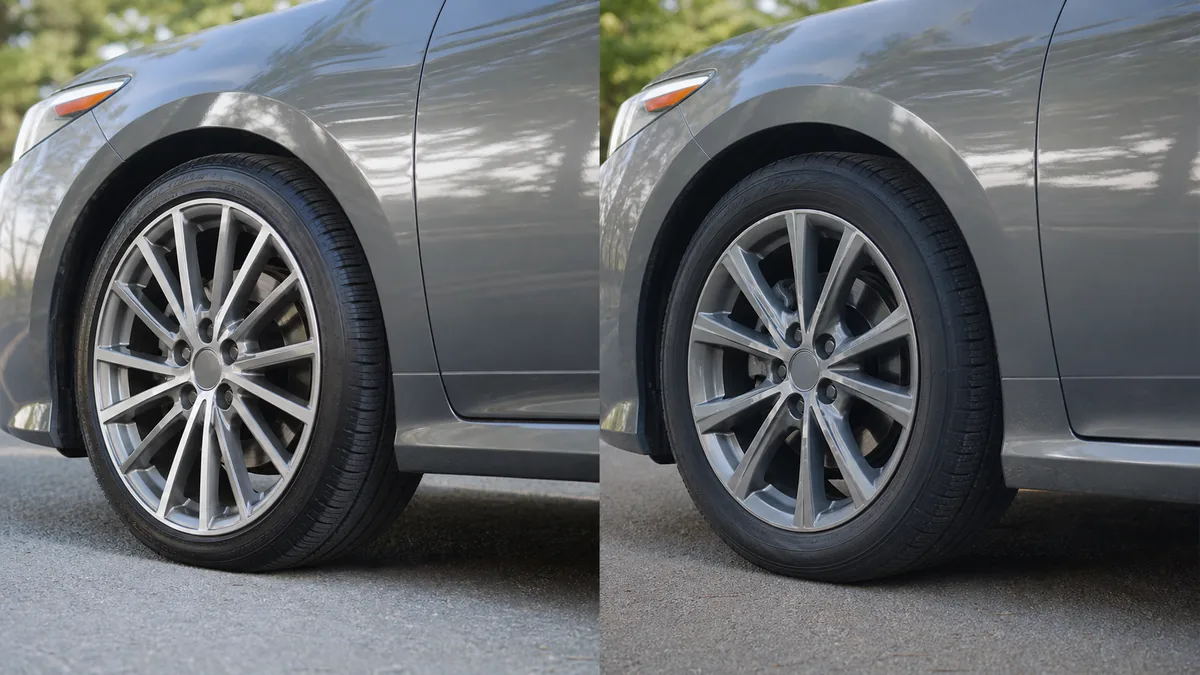
Shoppers drawn to the SE or XSE look often cross-shop the sportier Kia K5, which sells style at a lower price.
Pick the smallest wheel and lowest trim that still gives you the seat, audio, and safety features you use every week.
If none of the trims click, our Camry alternatives page lines up rivals worth a look.
Camry against the Accord, Civic, and rivals
Most Camry shoppers weigh two directions, stepping up for driving feel or stepping down to save money.
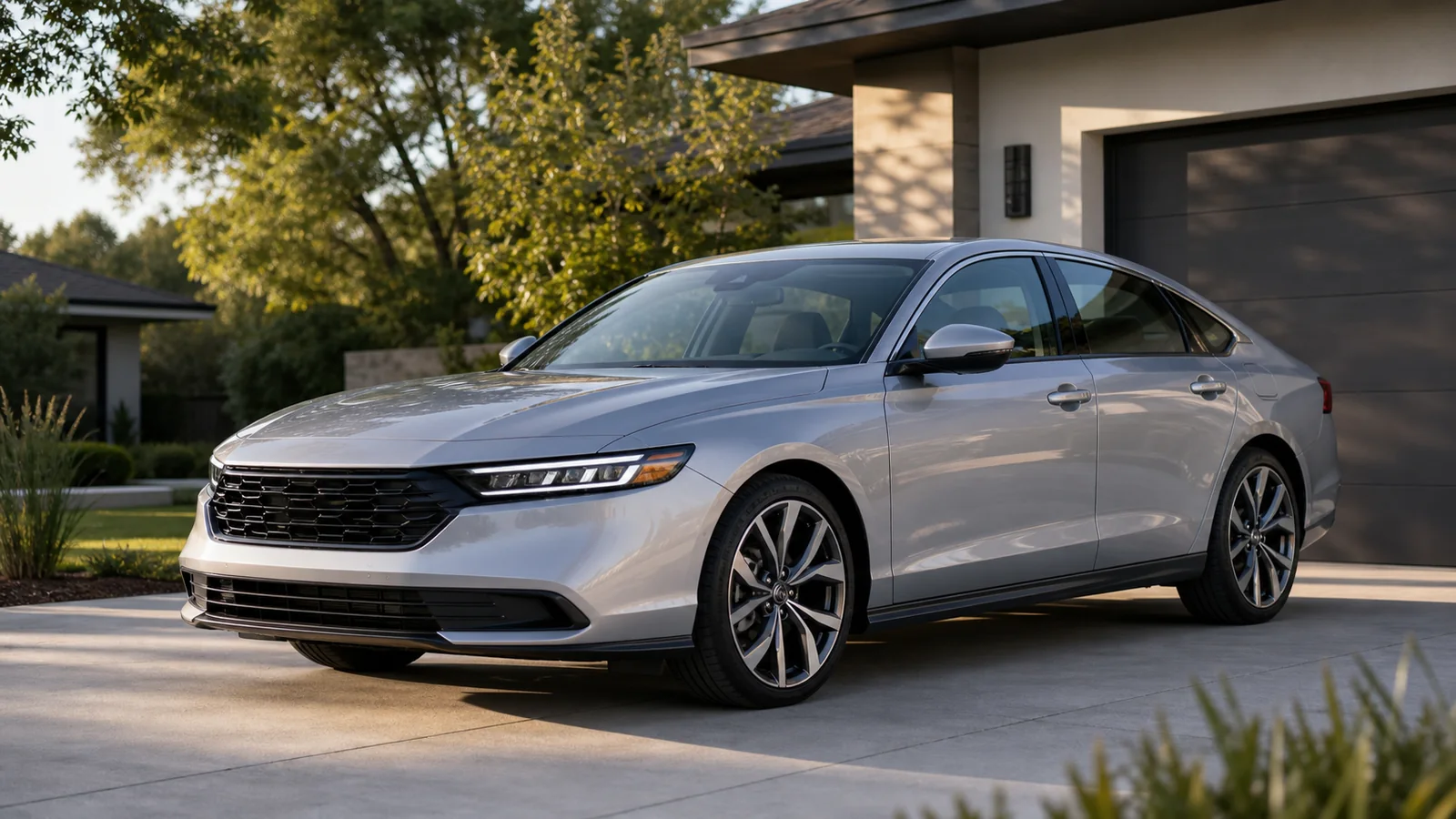
The Honda Accord is the classic step across, and it is more engaging to drive while the Camry answers with optional all-wheel drive and stronger resale.
The smaller Honda is the step down. A Civic brings more personality for less money, so a tight payment can make the compact car the smarter buy.
Pros
- Hybrid-only lineup cuts fuel cost
- Strong resale value
- Quiet cabin and easy controls
- Available all-wheel drive
Cons
- Not exciting to drive
- Sport trims trade mpg for style
- No V6 or pure gas option
The rest of the class rounds out the shortlist. The Nissan Altima offers its own available all-wheel drive at a lower entry price.
The Hyundai Sonata leans on styling and a long feature list to win value shoppers, though its resale usually trails the Camry over the same years.
Where the Camry loses is feel. Buyers who want sharp steering, a manual gearbox, or a livelier drive should scan our fun to drive list before they sign.
A quick way to place yourself against these rivals.
- Want the quietest highway seat and best resale, stay with the Camry
- Want the most engaging drive, cross-shop the Accord
- Want a lower payment above all, a Civic or clean used sedan wins
If a lower monthly payment matters more than long-term value, forcing a Camry is the wrong call.
Is the hybrid Camry reliable, and which used year to trust
The Camry's reliability case is stronger now because Toyota's hybrid system has a long record in taxis, family cars, and fleet use.
The Toyota hybrid layout itself is not experimental, even though this body is newer.
A hybrid carries extra parts, but Toyota's basic playbook is proven across the Prius, RAV4 Hybrid, and Highlander Hybrid. The important maintenance habits are boring, and that is the point.
- Keep the cooling paths clean so the hybrid battery stays healthy
- Replace fluids on time rather than stretching intervals
- Never ignore warning lights because the car still drives
The clean buying move is to separate old Camry advice from current Camry advice.
A 2024 car is the last gas generation, and a 2025 car starts the hybrid-only generation, so they are not the same ownership bet.
- 2018 to 2024XV70 Camry uses familiar gas and hybrid choices, with good used supply and early-year infotainment complaints
- 2025XV80 Camry arrives as hybrid-only, which makes old gas-spec advice less useful
- 2026The main shopping question becomes trim, AWD, and real mpg rather than engine choice
Very low mileage deserves care rather than blind trust. A Camry that sat for long periods can still need tires, a battery, fluids, and brake work.
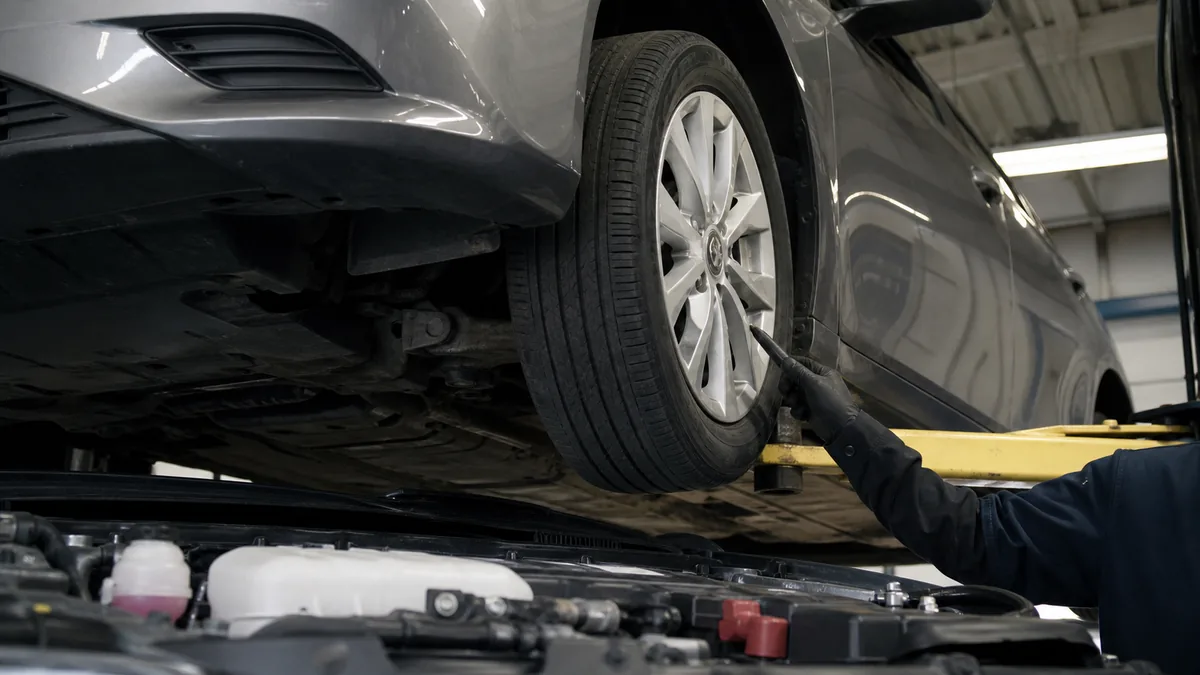
Check the tire date codes, feel for flat-spot vibration on the test drive, and ask whether the 12-volt battery has been replaced.
For the full year-by-year picture, read our Camry reliability breakdown before you narrow by year.
Simple upkeep protects all of this, starting with on-time oil changes and honest service records.
Both the gas and hybrid generations are likely safe bets, but you buy them with different questions.
What to inspect before you pay a Camry premium
Current Camry complaints do not center on one major mechanical failure.
The more useful check is model-year context, because the older XV70 cars and the hybrid-only XV80 cars ask for different inspections.
Run the same short list on every car you look at.
- On 2018 to 2019 cars, test the infotainment screen and Bluetooth before you buy
- On any used Camry, listen for suspension knocks over rough pavement
- On hybrid cars, confirm the battery cooling intake is clean and the service history is boring
- On AWD cars, check matching tire wear because mismatched tires add drivetrain stress
A short test drive can still miss expensive clues, so start cold if you can.
Listen for suspension noise before the cabin warms up, confirm the driver-assist warnings clear normally, and check that every key works.
For dealer cars, ask what was reconditioned before sale. New tires, fresh fluids, and clean brake service add real value, while a quick wash and a cheap cabin filter do not.
Two habits protect you on any test drive. Confirm the tire pressure and tread depth before you pull away.
Make sure the car will jump start cleanly if the 12-volt battery is older. Cheap mismatched tires are often the first sign that a supposedly low-risk Camry was owned cheaply.
The Camry that makes sense for years, and who should skip it
The Camry's old pitch was dependability. The current pitch is dependability plus hybrid fuel savings in every trim, backed by a 3 year / 36,000 mile warranty.
Fuel, tires, depreciation, and insurance decide the real bill, so plan for them before you sign.
| Cost area | What changes the bill | Buyer move |
|---|---|---|
| Fuel | Hybrid mpg is the main savings source | Pick LE or XLE if comfort beats sport looks |
| Tires | Larger sport wheels cost more | Price SE and XSE tires before buying |
| Depreciation | Camry resale stays strong | Keep it longer to use the resale edge |
| Insurance | Usually moderate for the class | Quote your exact trim before signing |
Brakes often last longer on a hybrid because regenerative braking handles part of the slowdown, though tires wear on the normal schedule.
The cheapest Camry to own is usually the one with smaller wheels, clean records, and no accident history.
When you compare offers, look past MSRP to the out-the-door price, the finance rate, the dealer add-ons, and the tire size.
A car with a fair sale price and expensive add-ons can cost more than one that looked higher online.
For a five-year owner, low fuel use and slow depreciation carry the math.
For a ten-year owner, a clean maintenance record matters more than any one-time discount, and a certified used warranty only helps when the price gap over a plain used car stays reasonable.
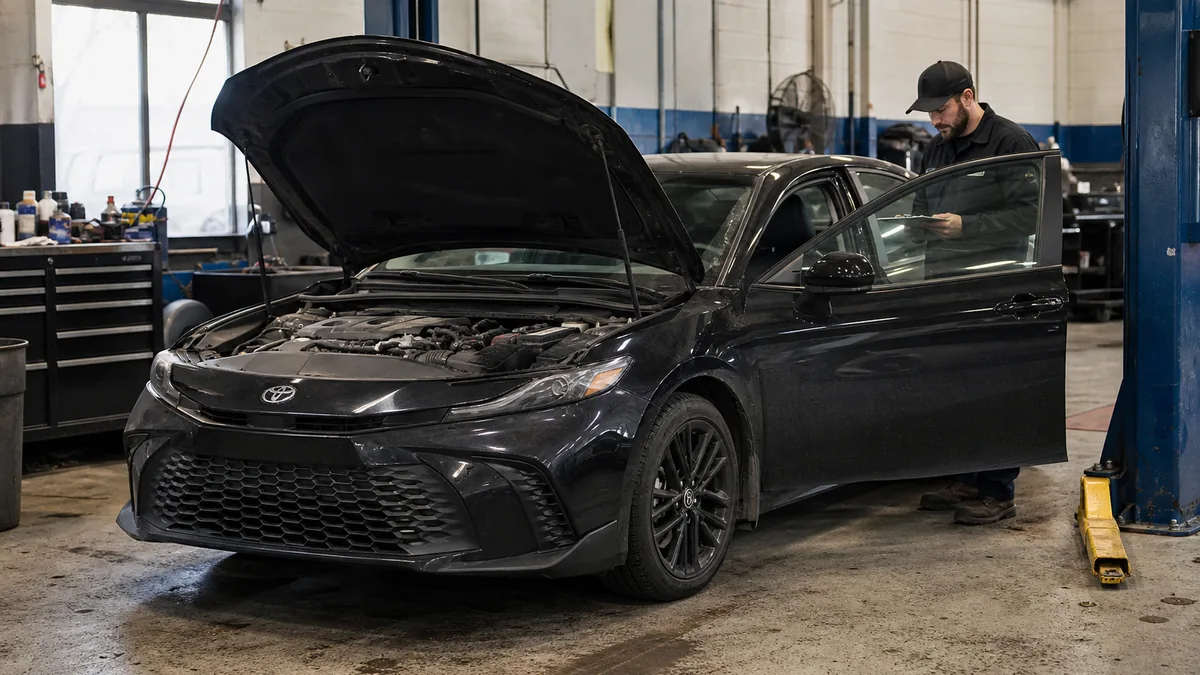
A good Camry deal should pass three tests.
The trim should match your reason for buying, the tire and insurance cost should make sense before you sign, and the service history should be clear enough that you never make excuses for it.
Use the hybrid change as your new-versus-used divider.
Buy 2025 or newer if the hybrid drivetrain is the point, and consider a clean 2018 to 2024 car if price matters more, which our lease or buy guide can help you cost out.
The best Camry for most buyers is the LE or XLE, because mpg and comfort are the reasons this car wins.