
Sedans
Sedans still make sense: they cost less, drive better, and use less fuel than a comparable SUV. Browse our reviewed sedans from efficient compacts to sport-luxury models.
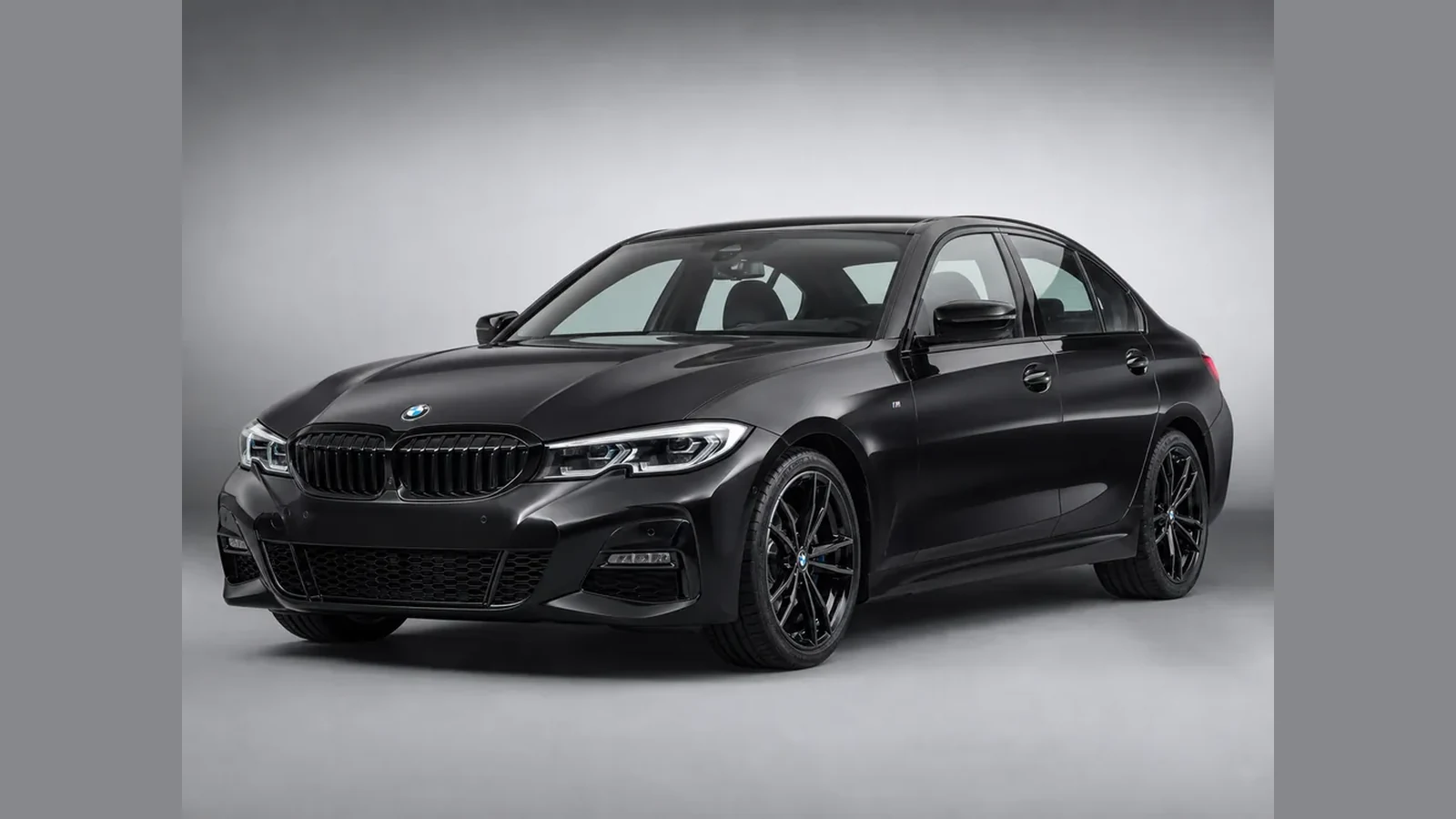
BMW 3 Series
BMW · $45,000 - $60,000The BMW 3 Series is the benchmark sport-luxury sedan: sharp handling, strong turbo engines, and a premium…
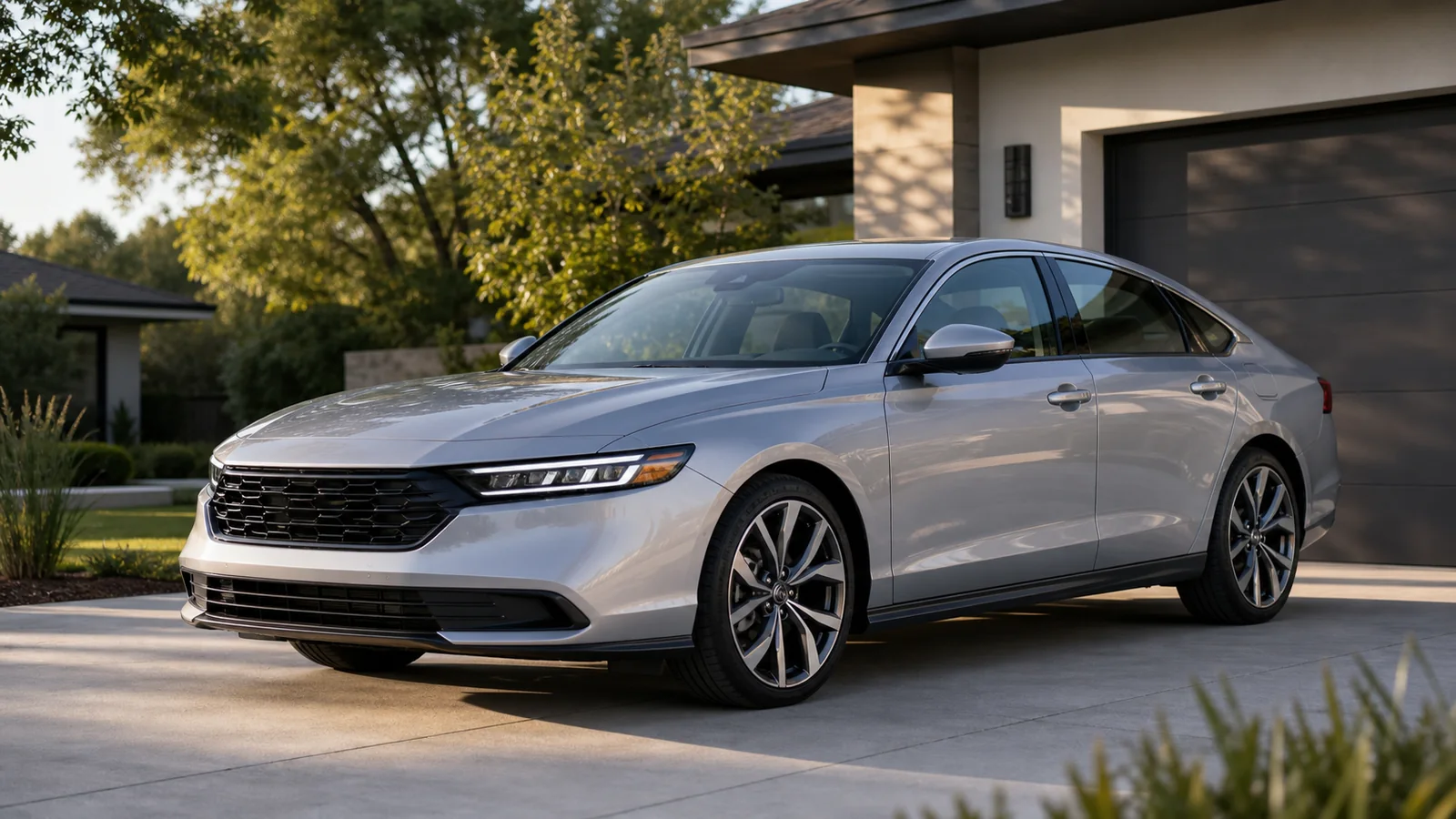
Honda Accord
Honda · $29,000 - $40,000The Honda Accord is the midsize sedan for buyers who still care how a practical car drives. The gas LX and SE…
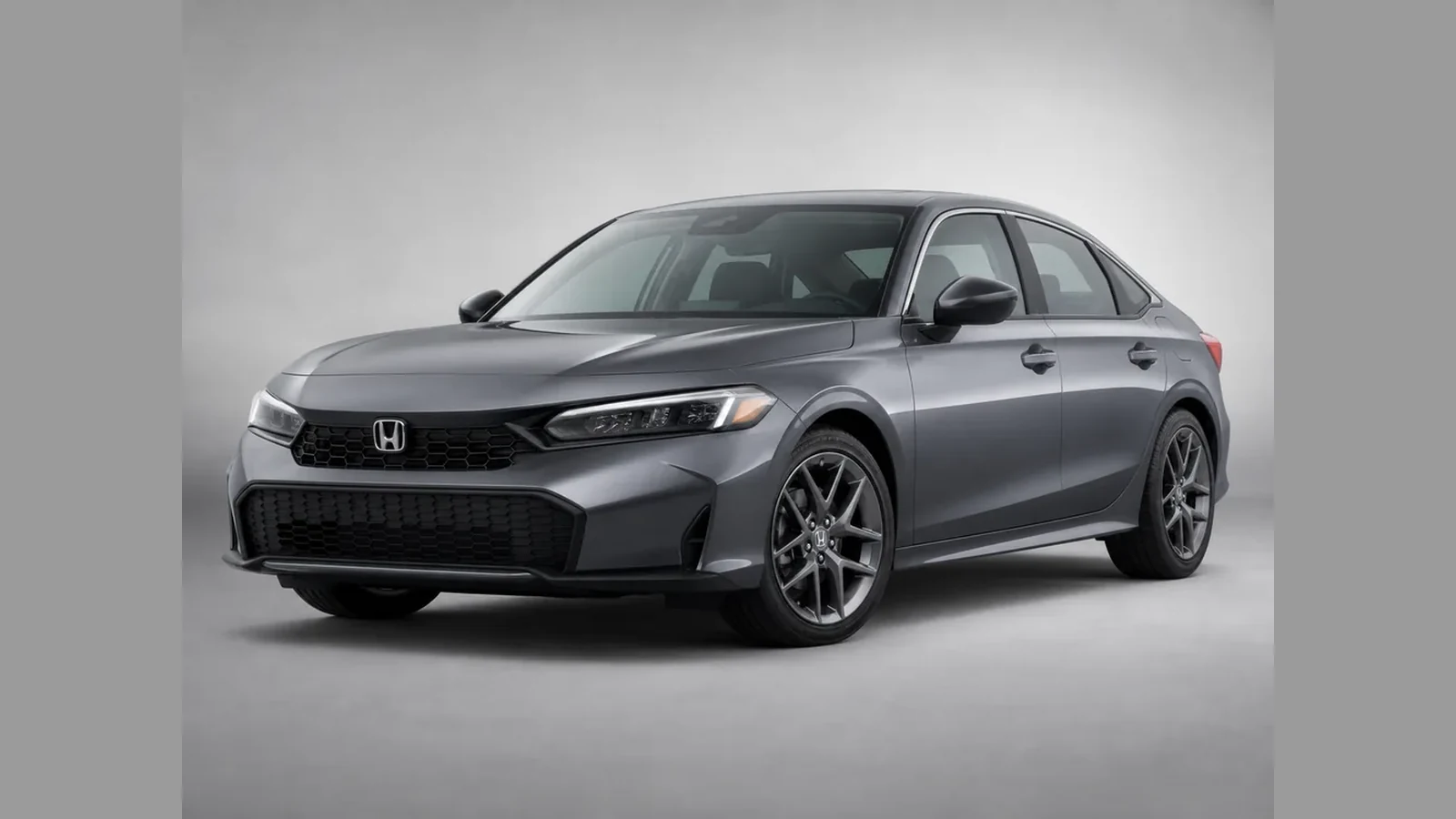
Honda Civic
Honda · $24,695 - $32,395The Honda Civic works because it does not feel like a penalty box. It is affordable, roomy for a compact…
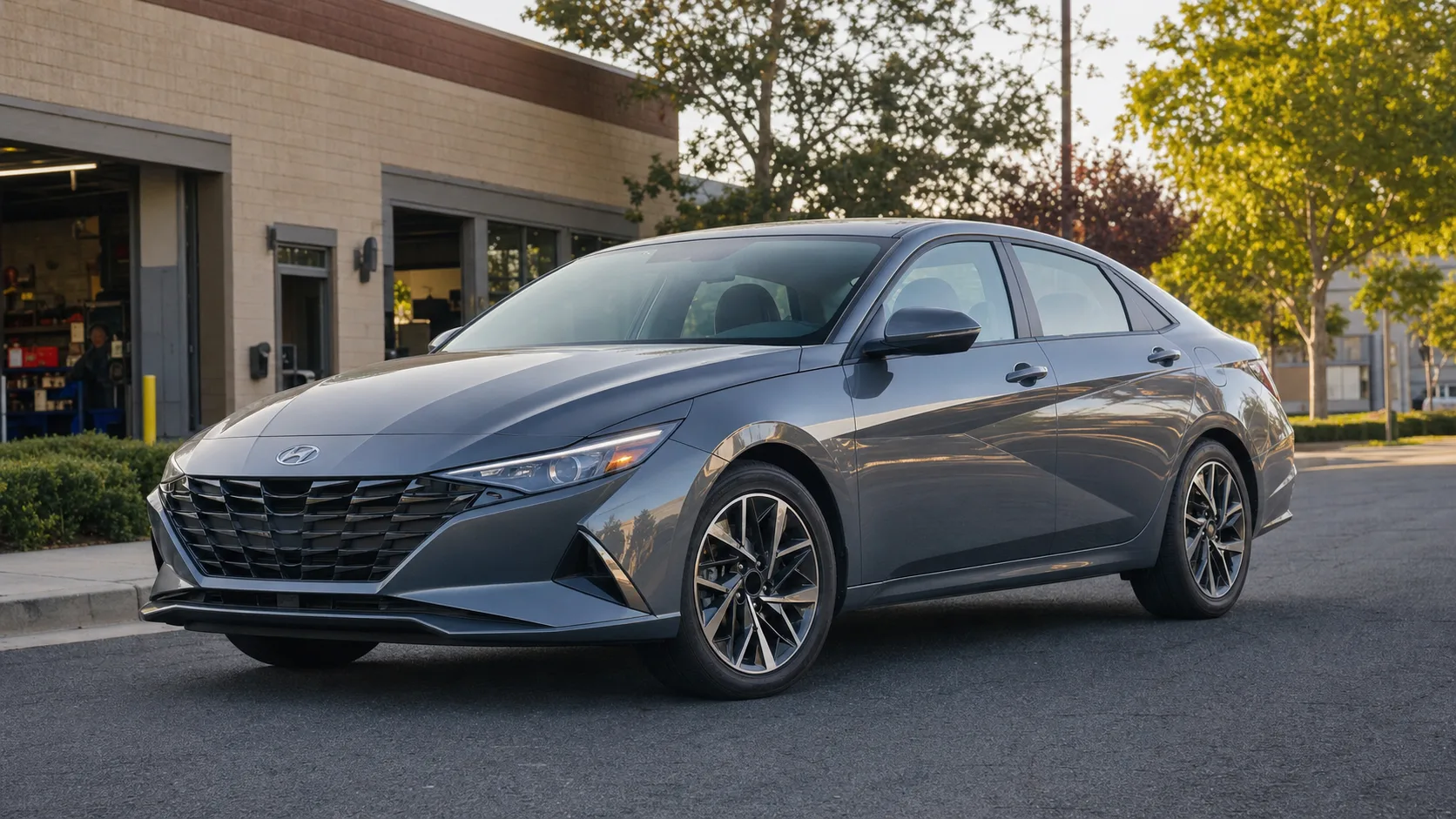
Hyundai Elantra
Hyundai · $22,625 - $35,100The Hyundai Elantra is the compact sedan for shoppers who want a low payment, a long warranty, sharp styling…
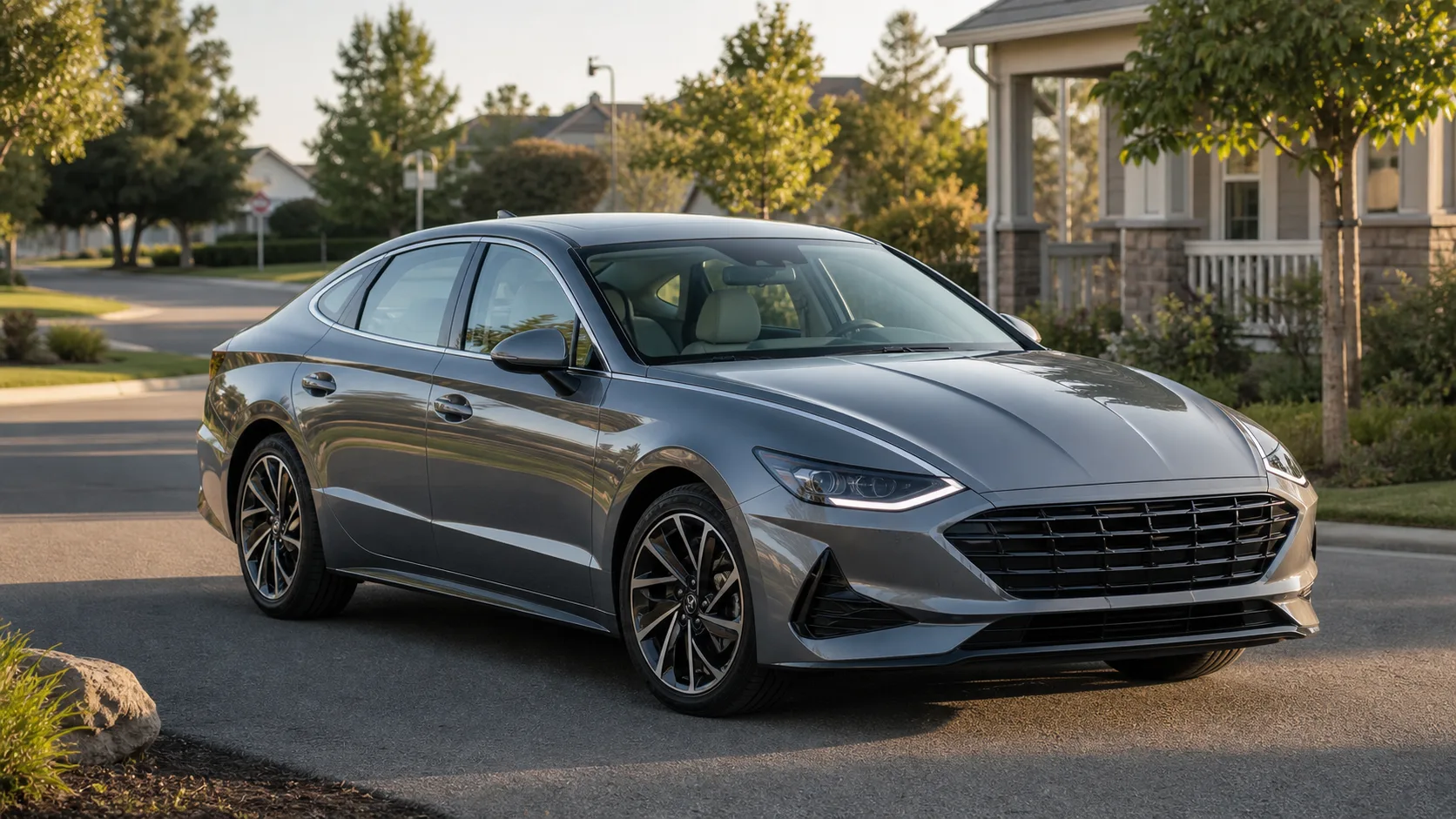
Hyundai Sonata
Hyundai · $27,450 - $38,250The Hyundai Sonata is the midsize sedan for buyers who want space, warranty value, and standout styling…
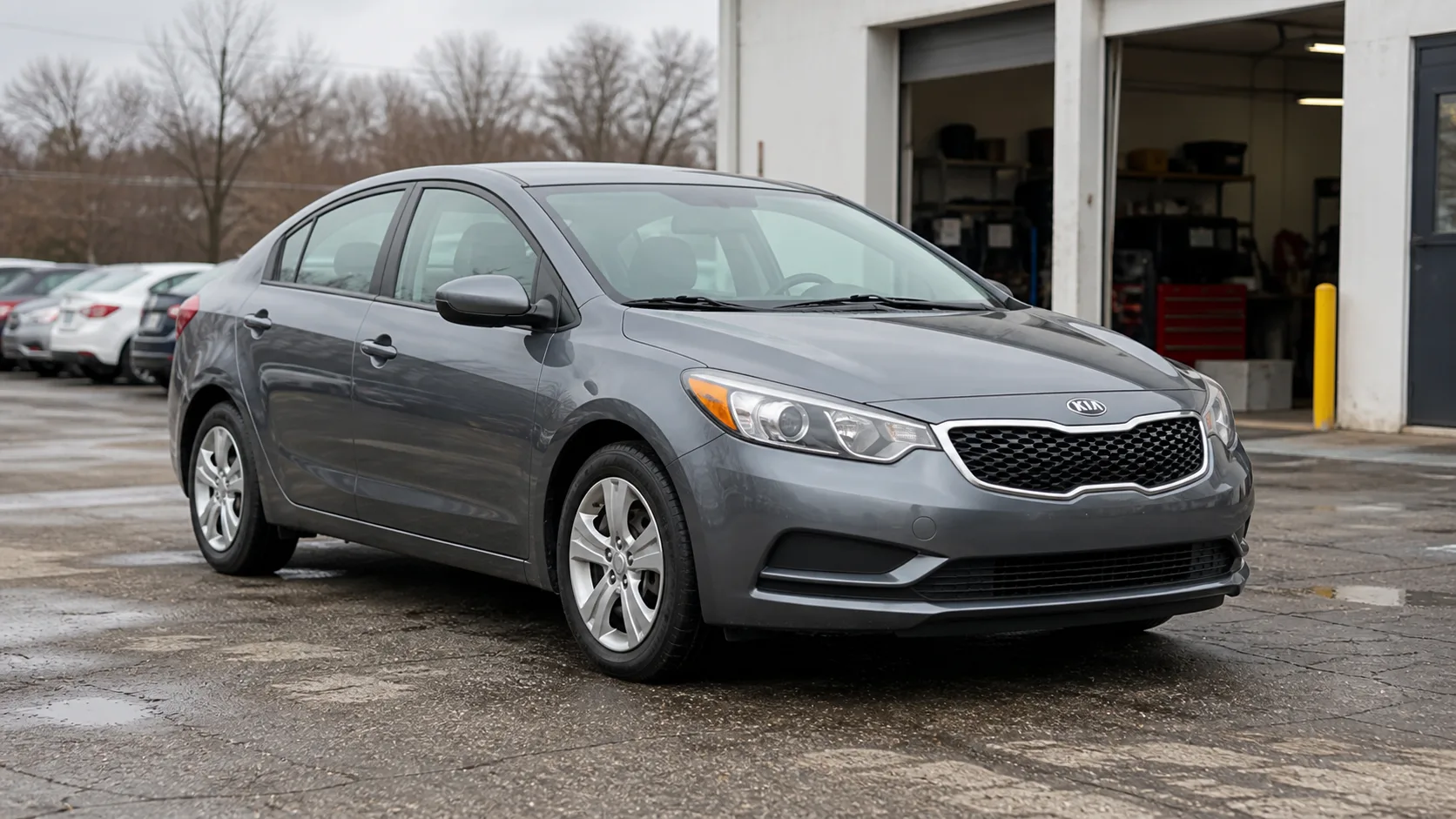
Kia Forte
Kia · $19,990 - $25,390 when newThe Kia Forte is now a used-car question in the U.S., because Kia replaced it with the K4 after the 2024…
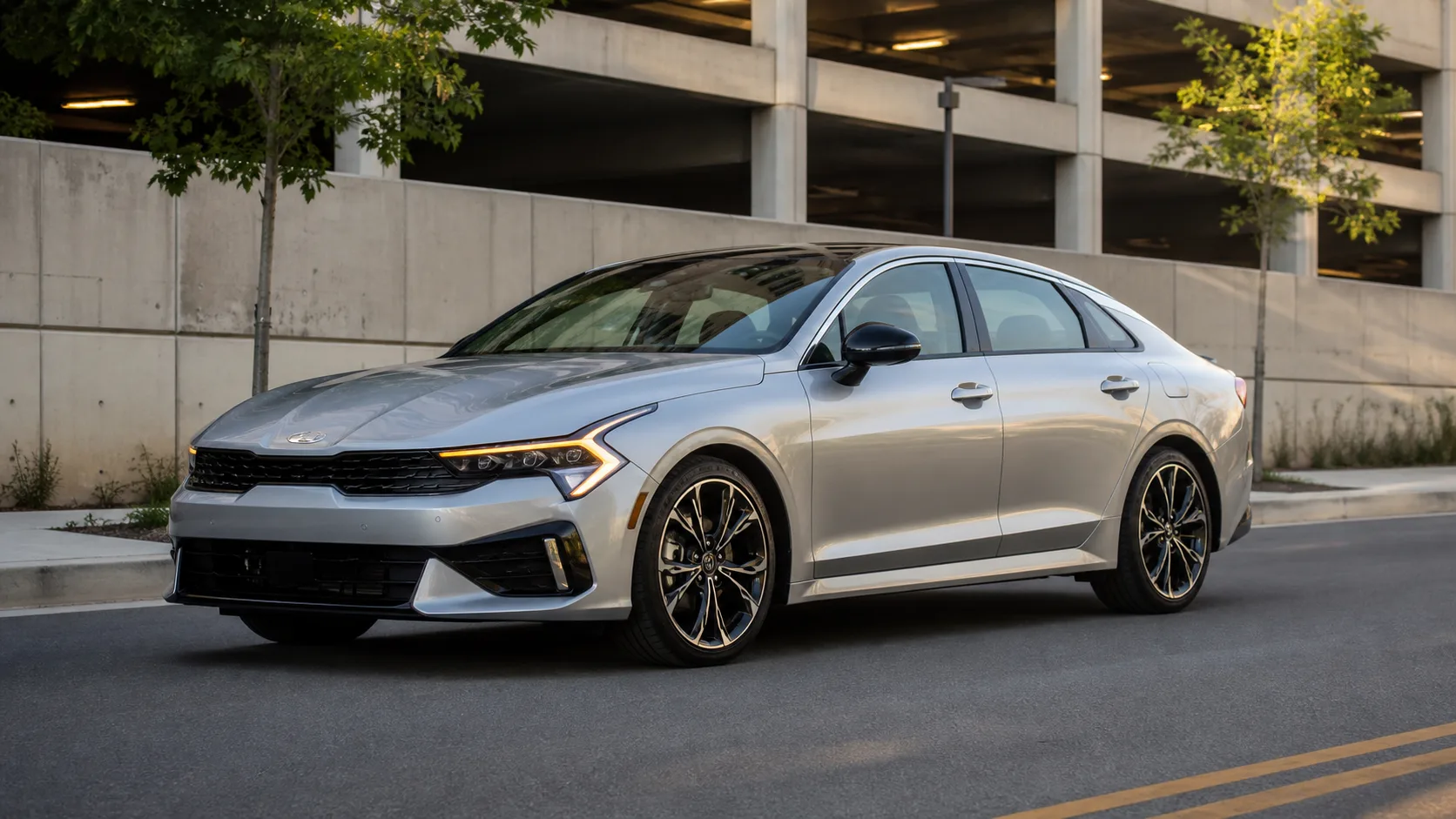
Kia K5
Kia · $27,190 - $34,490The Kia K5 is the midsize sedan for shoppers who want sharper styling and stronger value than the default…
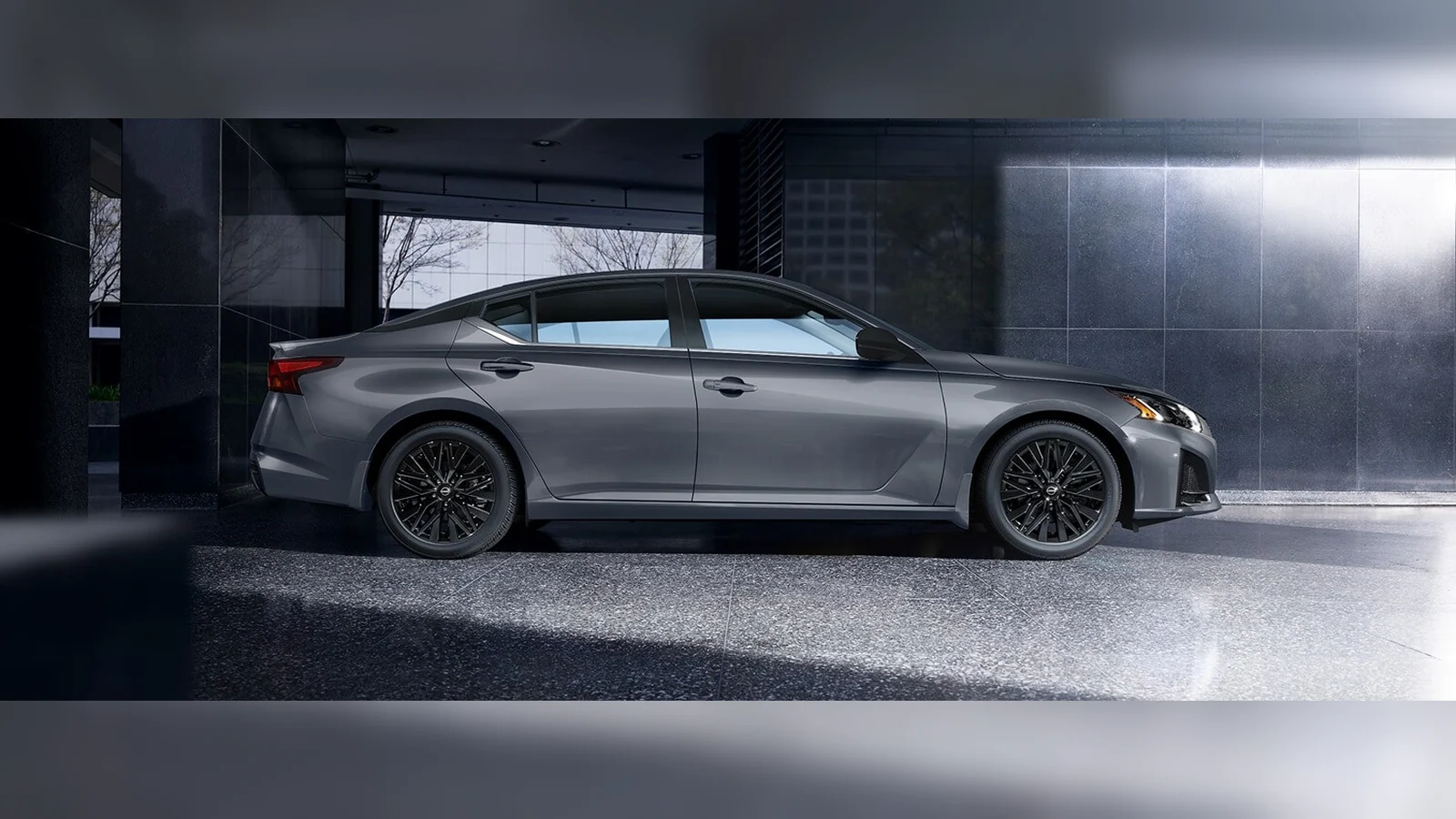
Nissan Altima
Nissan · $27,580 - $30,980The Nissan Altima is a value-minded midsize sedan with available all-wheel drive and a simpler 2026 lineup…
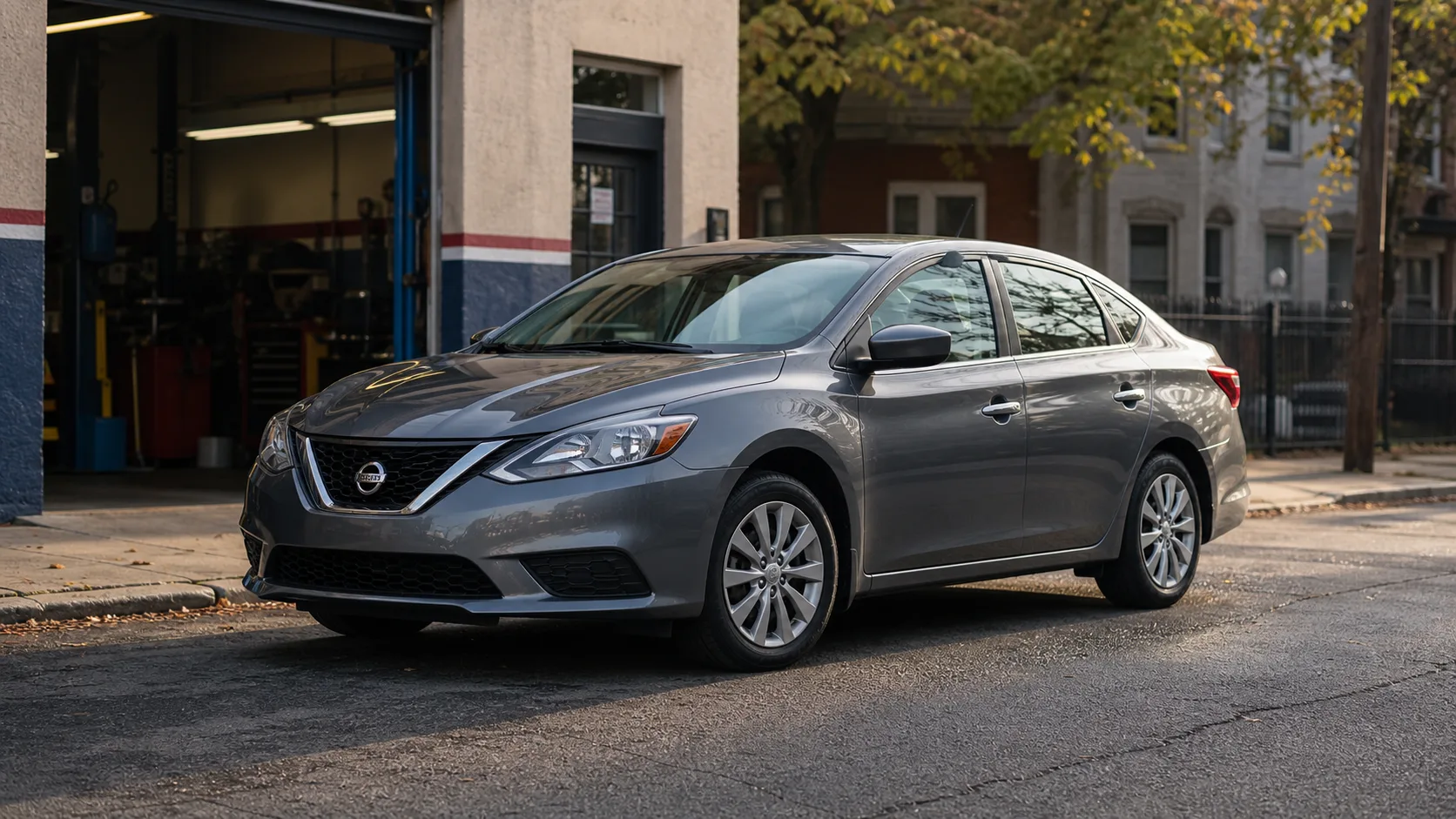
Nissan Sentra
Nissan · $22,600 - $27,990The Nissan Sentra is the compact sedan to consider when you want a low price, a comfortable ride, and a…
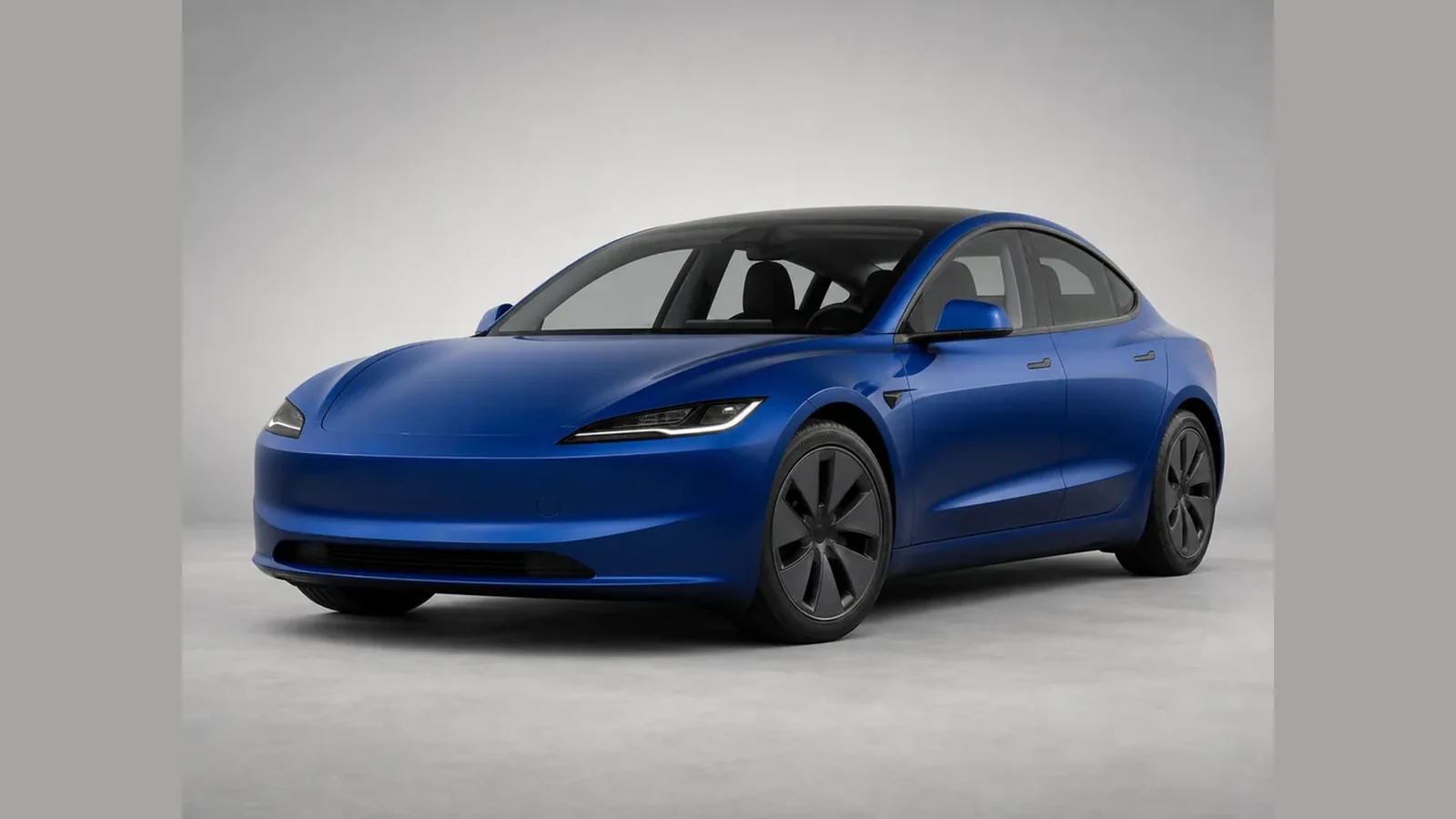
Tesla Model 3
Tesla · $42,000 - $55,000The Tesla Model 3 is the EV that made electric cars mainstream: long range, quick acceleration, and the best…
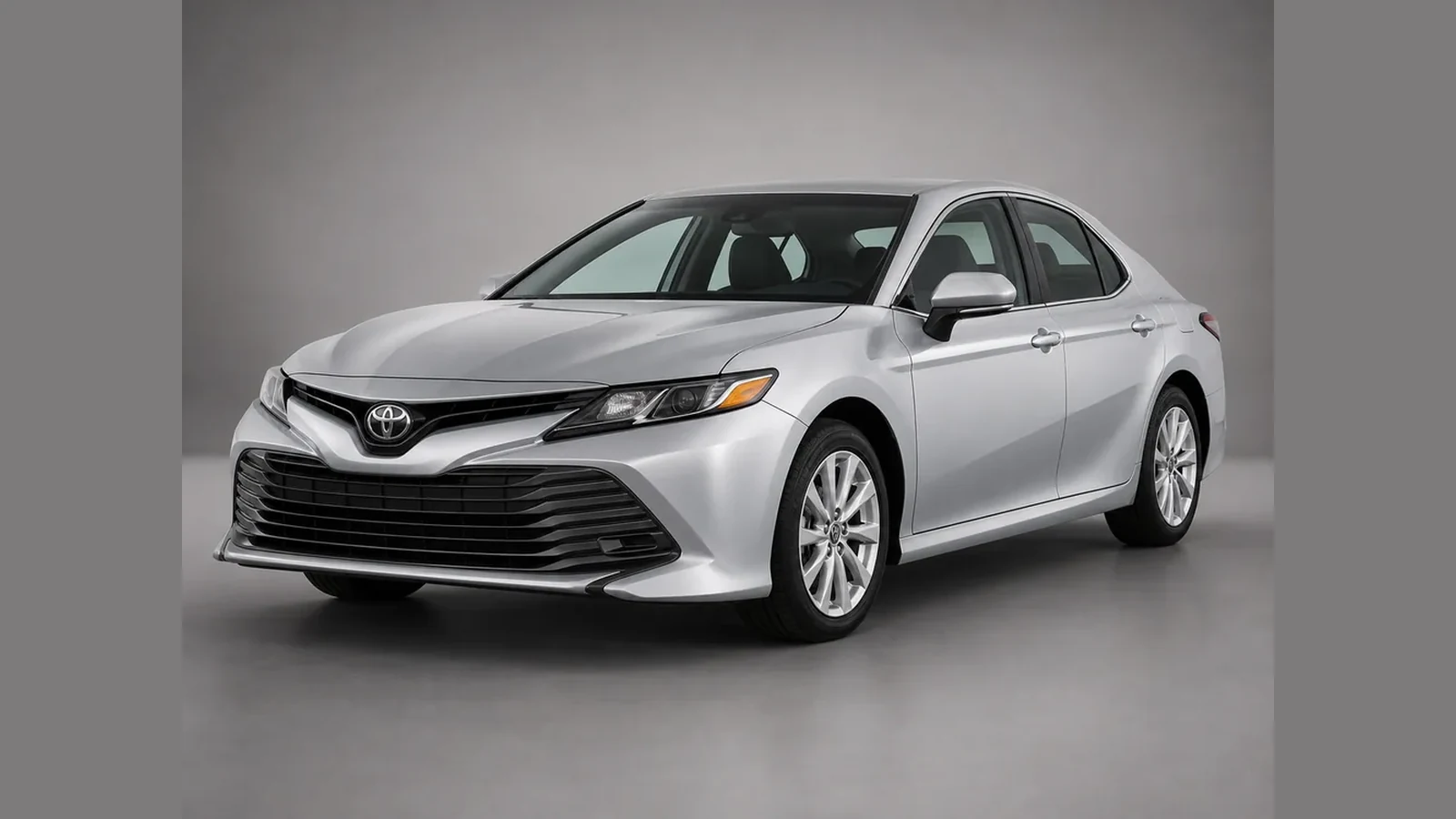
Toyota Camry
Toyota · $29,600 - $36,000The Toyota Camry is no longer just the safe gas sedan. The current U.S. Camry is hybrid-only, with up to 51…
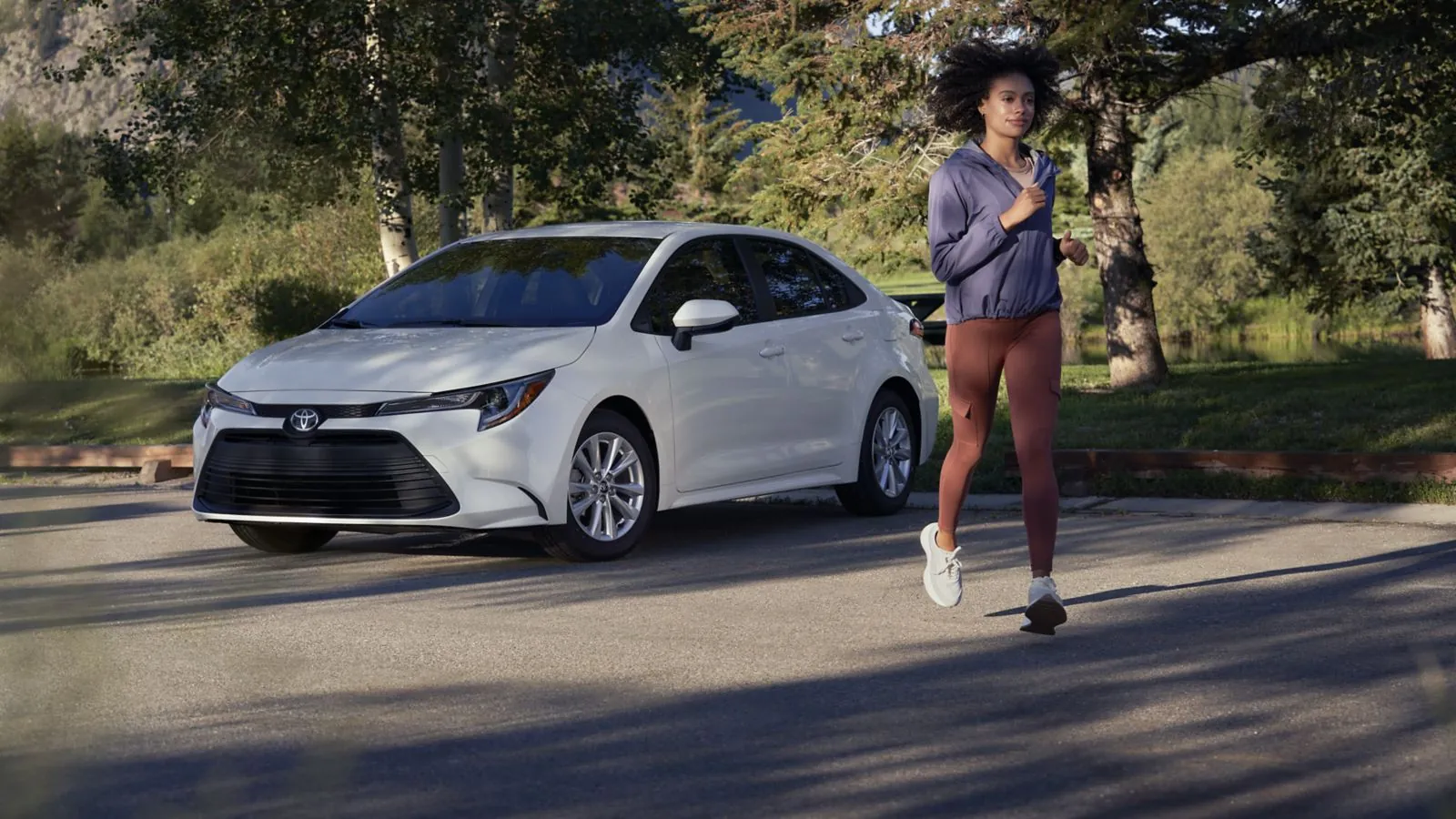
Toyota Corolla
Toyota · $23,000 - $29,500The Toyota Corolla is the compact sedan for buyers who want a low-risk commuter, not a car that tries to feel…
A sedan is the car the crossover was built to replace, and for a large share of buyers that swap cost more than it gave back.
A sedan starts cheaper, burns less fuel, and corners with a composure a tall SUV cannot match.
The trouble is the badge stretches from a $22,000 commuter to a rear-drive sport-luxury car, so the real work is matching the right sedan to how you actually drive.
Here is how the class sorts out.
Where a sedan beats the SUV that replaced it
Carmakers spent a decade steering buyers into crossovers, yet the sedan still wins the three numbers that hit your budget and your commute.
It starts cheaper than the SUV it shares a platform with, it uses less fuel thanks to a lighter body and lower roofline, and it handles better because its weight sits closer to the road.
Pros
- Lower sticker than the equivalent SUV
- Better fuel economy from less weight and a lower roof
- Sharper handling and easier parking
Cons
- Less cargo height for bulky loads
- Lower seat, so entry is harder for some
- Modest towing next to a truck-based SUV
If you rarely fill an SUV's cargo hold or its back seat, a sedan does the same daily driving for less money every month.
The gap in space is real, but so is the gap in price and fuel.
How sedans scale from compact to sport-luxury
The word sedan covers three very different cars, and the size class tells you more than the badge.
Moving up a class buys room and refinement but costs you price and, usually, fuel economy.
| Class | Best for | Examples |
|---|---|---|
| Compact | First car, lowest running cost | Civic, Corolla |
| Midsize | Family space and comfort | Camry, Accord |
| Sport-luxury | Driving feel and status | BMW 3 Series |
Most first-time and budget buyers are best served by a compact, which parks easily and sips fuel.
Families who want a real back seat step up to a midsize without paying the SUV premium.
Drivers who rank the way a car steers above all else look at a sport sedan like the BMW 3 Series.
Gas, hybrid, or electric changes the monthly cost
Powertrain is the biggest lever on what a sedan costs to run, and this class offers all three cleanly. The shapes look similar, but the fuel bills are not.
A hybrid sedan is the easy win for most commuters.
The Toyota Camry now comes only as a hybrid and returns up to 52 mpg in the city, while the Corolla Hybrid climbs to 53.
Browse the full hybrid lineup if a low fuel bill leads your list.
An electric sedan like the Tesla Model 3 skips the pump entirely and covers up to 363 miles on a charge.
Home charging decides the electric case: with it the running cost drops sharply, and without it a hybrid usually makes more sense.
A plain gas sedan such as the Honda Civic still wins on up-front price and simplicity for lower-mileage drivers, so compare every electric option before you commit.
The compact sedan: the cheapest new car that lasts
Nothing puts you in a brand-new car for less than a compact sedan.
The Honda Civic and Toyota Corolla anchor the class on resale, while the Hyundai Elantra, Nissan Sentra, and Kia Forte undercut them on sticker.
These cars carry four adults, return strong highway economy, and cost little to insure, which is why they fill our best first cars shortlist.
For a student, a new driver, or anyone watching the monthly payment, a compact sedan is the lowest-risk new car on the lot.
Start with the budget price band to see the whole field at once.
The midsize sedan: family room without the SUV price
Step up one class and you get a back seat adults will sit in for hours and a trunk that swallows a family's luggage.
The Honda Accord and Camry lead the segment on resale and refinement, while the Hyundai Sonata, Kia K5, and Nissan Altima push value and bolder styling.
A midsize sedan matches a compact crossover for usable interior room yet costs less to buy and less to fuel.
A midsize sedan is the honest alternative to a compact SUV: the same daily space, a lower price, and a better drive. Cross-shopping a commuter against a family car?
The Civic versus Camry comparison shows how the two classes stack up.
When the drive comes first: the sport sedan
Some buyers rank the way a car steers above cargo room or fuel bills, and that is where the sport-luxury sedan earns its premium.
Rear-wheel drive, near-even weight balance, and a firm chassis give a car like the BMW 3 Series a precision no tall crossover reaches.
If cornering feel is the reason you are buying, a rear-drive sport sedan delivers what a raised SUV physically cannot.
These cars ask more at the pump and the service desk, so read up on rear-wheel drive and browse the most fun-to-drive cars before you sign.
How we rank the sedans here
Every sedan profile on this page is scored on the same measures: real fuel economy, back-seat and trunk space, reliability history, and five-year cost to own.
We read EPA mileage figures and NHTSA safety data alongside long-term reliability records, and a reviewing expert signs off on the buying advice before it goes live.
Start with the class that fits your job above, or compare two rivals head to head to see how narrow the gap between them really is.
Frequently Asked Questions
Is a sedan cheaper than an SUV?
Which sedan gets the best gas mileage?
What is the best sedan for a first car?
Are electric sedans worth it?
Do sedans handle better than SUVs?
Compare before you commit
Line up two cars you are cross-shopping side by side, then read the full research-first review before you buy.
Compare cars