How far a Model 3 goes, and where you plug it in
Most Model 3 shoppers ask the same question first, so we answer that before anything else.
The rear-wheel-drive car covers up to 272 miles on a charge, the Long Range all-wheel-drive version reaches 341 miles, and the Long Range rear-wheel-drive trim tops the lineup at an EPA-rated 363 miles.
Read those figures as planning tools, not guarantees. Highway speed, cold air, rain, hills, larger wheels, and cabin heat all pull the real number down.
The charging half of the answer is where this car still leads.
Every trim shares the same fast-charging hardware, and a Supercharger adds roughly 175 miles in about 15 minutes at up to 250 kW.
That 250 kW peak does not hold the whole session.
The battery pulls power fastest when it is fairly empty, so on a road trip the quick, cheap move is a short top-up to keep rolling rather than a long wait for a full pack.
The Supercharger network is the reason a Model 3 road trip feels routine, because the car sends you to open stalls and warms the battery on the way.
That planning is the main gap between it and a Hyundai Ioniq 5, which charges quickly but relies on networks that take more effort to route.
Home charging shapes the daily story far more than any range spec.
With a Level 2 outlet in a garage or driveway, you leave every morning full and rarely think about miles again.
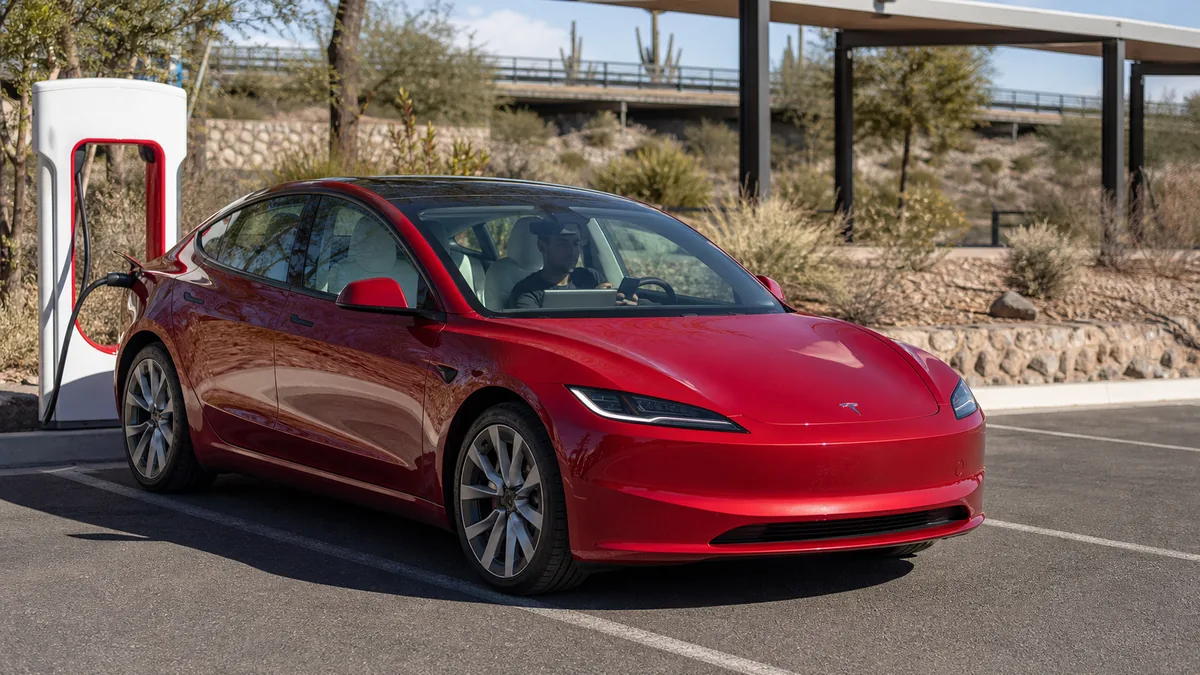
Rent, park on the street, or depend on public chargers, and the same car turns fuel into a weekly chore.
We suggest reading our EV charging basics before you commit, because the plug decides more than the badge.
A longer-range trim buys more than distance.
The extra buffer means fewer stops on a trip, less anxiety when a public stall is busy, and more room to skip a charge on a cold night when range dips.
Charging access should decide the Model 3 before acceleration does.
A driver with a home outlet gets the cheapest and calmest version of this car, while a driver without one fights it most weeks.
New EV shoppers can also scan the wider electric car lineup to see how the Model 3 wins and trails on range and charging speed.
Start from your parking and your weekly miles, then let the trim follow, because the plug and the routine matter more here than the badge on the trunk.
Which Model 3 trim actually fits your driving
Trim choice sets both the range and the speed, so match it to how you really drive.
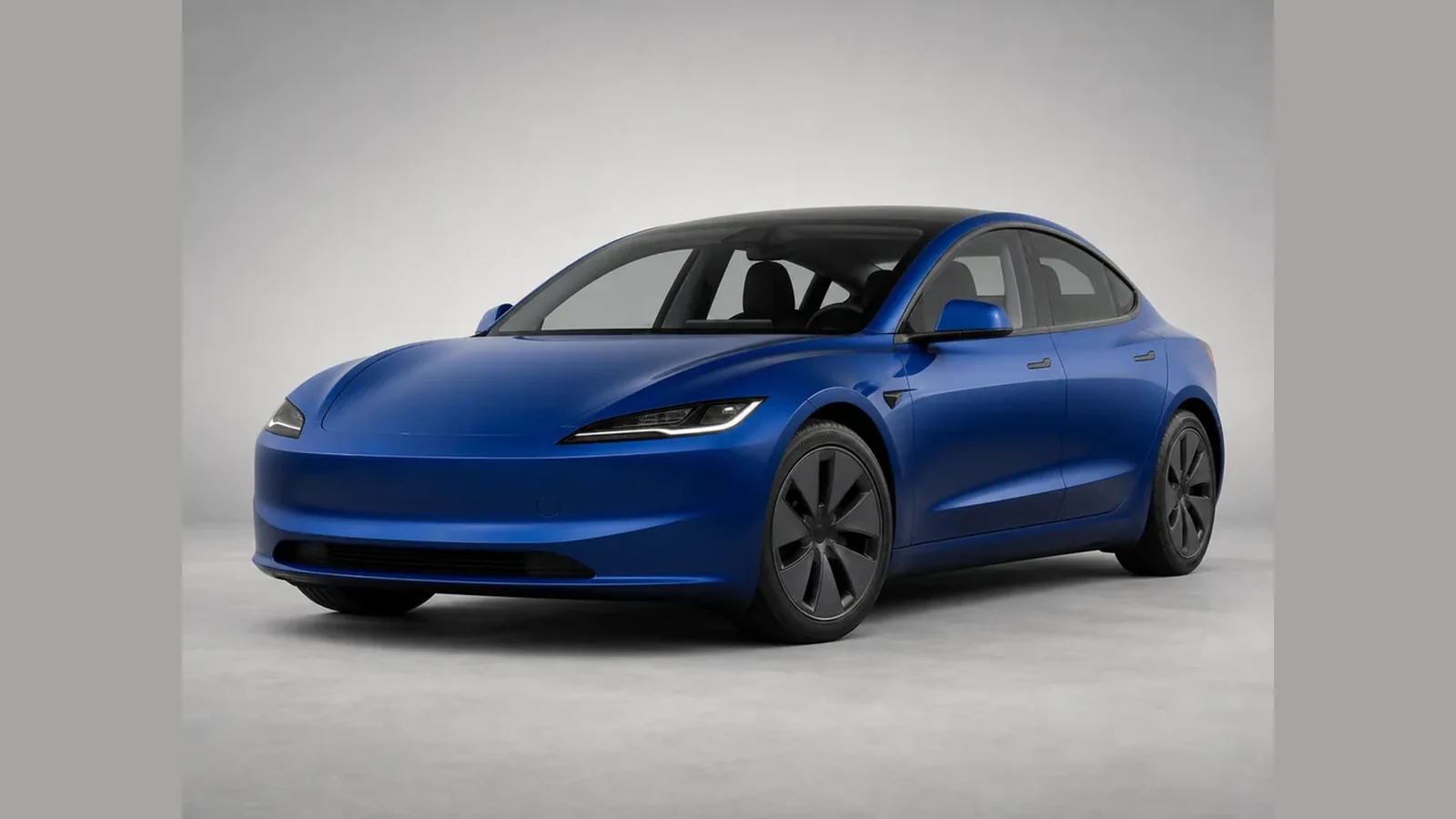
Rear-wheel drive is the value and efficiency pick, Long Range rear-wheel drive is the range play, Long Range all-wheel drive adds traction and quicker response, and Performance chases a 2.9-second run to 60 mph.
Performance looks like the best number, yet it gives up range and comfort for that speed. Firmer suspension, bigger wheels, and faster tire wear come with it.
| Trim | Best reason to choose it | Watch for |
|---|---|---|
| Rear-wheel drive | Lowest entry price | Shorter range than Long Range versions |
| Long Range rear-wheel drive | Most range for commuters and road trips | Still screen-first and minimalist |
| Long Range all-wheel drive | Better traction and stronger acceleration | Higher tire and purchase cost |
| Performance | Serious acceleration | Firmer ride, bigger wheels, faster tire wear |
The range trim usually beats the quick one for daily use, because more miles mean more winter buffer, fewer charging stops, and less pressure to plug in every night.
For most buyers, the smart daily Model 3 is the long-range trim, not the fastest one.
Wheels belong in the trim decision too.
Smaller wheels ride better, cost less to replace, and protect range, while larger wheels sharpen response and raise both tire cost and pothole risk.
Rear-wheel drive earns the value label on more than price.
The single motor sips less energy, so it stretches each charge further and keeps tire and purchase costs down, which is why it fits a low-mileage driver who charges at home.
Cargo is better than the sedan shape suggests, since Tesla lists 24 cubic feet across the trunk and the front trunk.
The opening stays sedan-shaped, so bulky boxes and tall dog crates are still awkward.
A Long Range car on sensible wheels lands in the premium price band, near a Tesla Model Y that trades some efficiency for a taller cargo hold.
Compare the two if you sometimes need a hatch shape, since the sedan opening limits what you can drop in the back.
Drivers who care most about the drive should test the premium electric rivals and read our fun-to-drive cars roundup, because a Model 3 feels quick well before the Performance badge.
Living with a screen-first cabin
The Model 3 asks you to run almost everything through glass, so this deserves a real test, not a glance.
A 15.4-inch center screen handles the speed readout, climate, wipers, and mirrors, an 8-inch rear screen serves back-seat riders, and there is no traditional gauge cluster in front of you.
Few physical controls survive, and there is no Apple CarPlay. Wipers, vents, and the glovebox all live in menus.
Your phone becomes the key, with a plastic card as backup, so a dead phone battery is worth a thought before a long day out.
The 8-inch rear screen hands climate and media to back-seat riders, which helps on longer trips even as it adds one more screen to the car.
Even the drive has a software feel, because regen braking, route planning, and charging stops shape how you use the pedals and the map.
Some drivers enjoy that control, and some find it tiring after a long day.
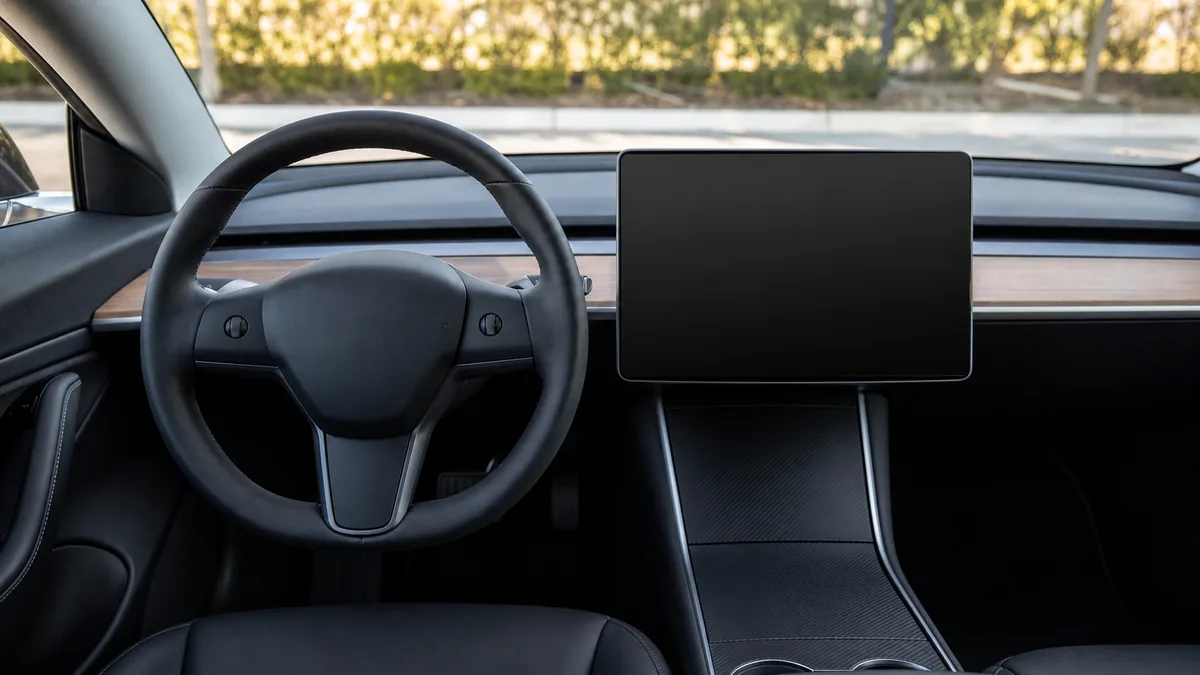
Test the screen against your real commute, not a short acceleration run.
Set the wipers, adjust the mirrors, and change the cabin temperature while you imagine morning traffic, because that is where the layout either clicks or frustrates.
The cleanest way to judge the car is to separate it from the Tesla story.
The Model 3 by itself is a compact electric sedan with strong range, fast charging, and sharp response, while the ownership layer adds phone-key control, Supercharger routing, and updates that arrive overnight.
This is a big reason a Model 3 rewards a different mindset from a normal compact sedan.
Think of it as a charging and software decision more than a leather and trim decision, because that framing predicts whether you will enjoy it.
The Tesla ownership system, with app control and a service model that leans on mobile visits, is part of what you buy, so decide if that suits you before the acceleration wins you over.
A buyer who loves menus and updates fits the car, and a buyer who wants stalks and knobs will keep reaching for controls that moved into a screen.
What a Model 3 costs to run next to a gas sedan
Running costs are the Model 3's strongest card, and the biggest lever is where you charge.
Home electricity often runs the car for the equivalent of about $1.50 per gallon of gas, far below the pump.
There are no oil changes, and regen braking spares the brake pads for years, since the motor does most of the slowing.
That does not make the car free, because tires, insurance, registration, windshield replacement, and any out-of-warranty electronics still count.
Even with the tire and insurance bills added in, the yearly running total usually stays below a comparable gas sedan for a driver who charges at home.
The savings come from cheap electricity and skipped maintenance, not from ignoring the costs that remain.
Tires are the running cost buyers underrate.
Quick torque and battery weight wear them faster, and the Performance trim burns through them fastest, so price a set before you pick that car.
Insurance can surprise you too, since repair bills, glass, sensors, and regional claims all push the quote up.
Get the exact VIN and a real quote before any deposit, the same way you would price the car against a gas Toyota Camry.
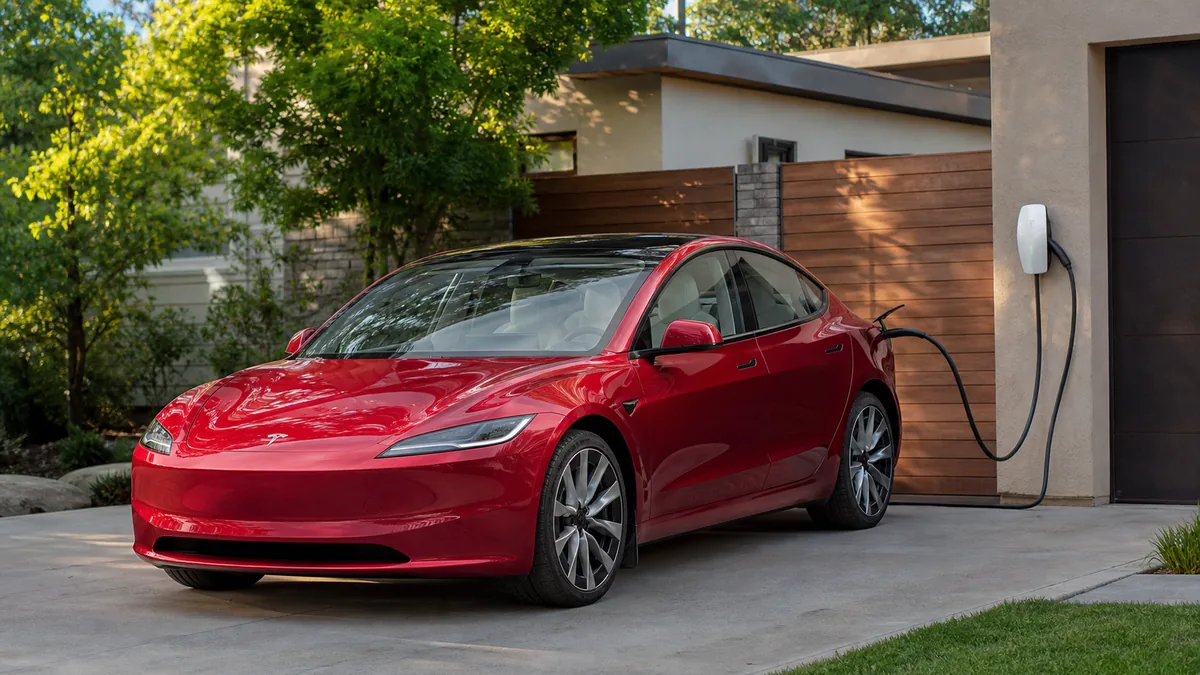
Public fast charging is useful, but it usually costs more per mile than charging at home, so it should back up your plan rather than replace it.
Public Level 2 charging can work if a reliable plug sits near your routine, though that is something to confirm and not assume.
This is why the charging plan belongs before the trim decision.
A cheap Model 3 with no dependable place to plug in can feel worse to own than a pricier car that matches your parking.
Depreciation is one more Model 3 variable, because Tesla price changes move used values fast.
Buying after a price drop helps you, and overpaying for a lightly used car hurts, so compare new, used, and inventory prices on the same day.
Home charging is the lever that makes the Model 3 cheaper to run than most gas sedans. Lose that lever to street parking or costly public charging, and the strongest advantage fades.
If you are weighing the monthly math against a loan or a lease, our lease vs buy guide frames the tradeoff, and the mainstream gas options show what you give up on fuel savings when you skip the plug for a gasoline car.
Reliability and buying a used Model 3
The Model 3 reliability story splits cleanly, so judge it in two halves.
Motors and the high-voltage battery age well, and most packs keep strong capacity well past 100,000 miles under an 8-year battery warranty.
The weaker spots sit in build quality, suspension wear, door hardware, low-voltage 12-volt gremlins, and software behavior.
That risk profile differs from a gas sedan, where the engine is the usual worry.
- 2017 to 2020Early production cars brought more build-quality complaints and interior rattles
- 2021 to 2023Better range, heat-pump gains, and a broader used supply
- 2024 to presentThe Highland refresh improved ride comfort, cabin quietness, and interior feel
- 2026Range and charging remain the reason to start here, while the controls stay the main taste test
Inspect a used Model 3 like an EV and like a normal car at the same time.
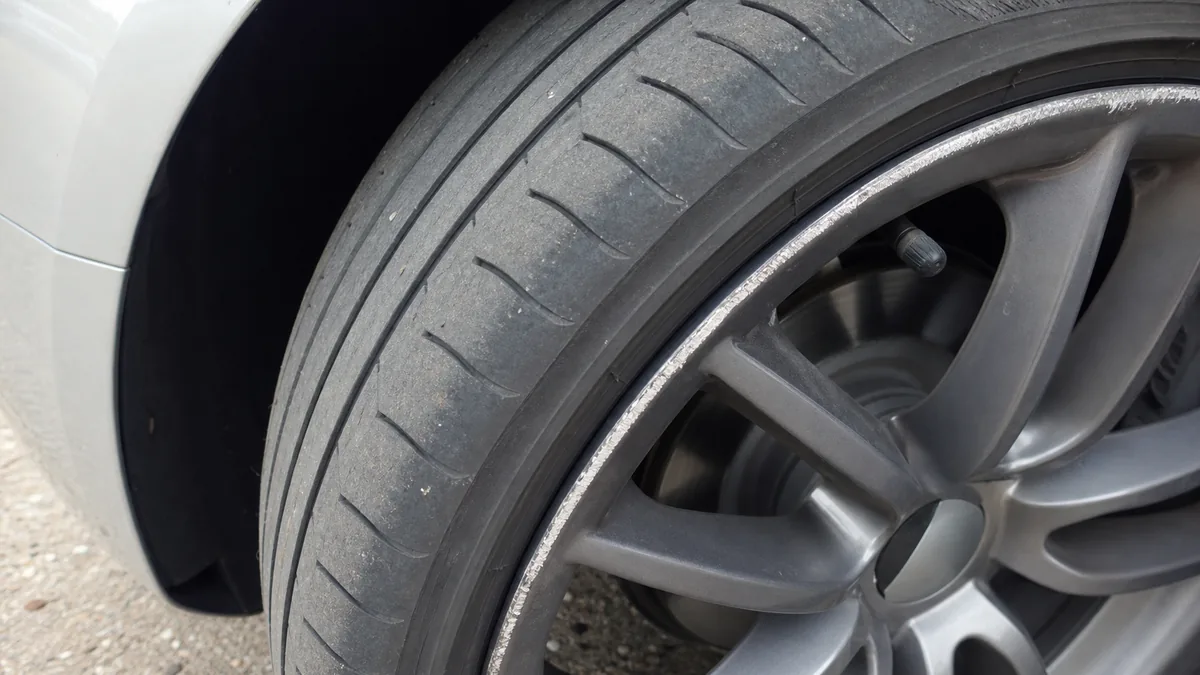
Check tire wear, wheel damage, glass, suspension noise, and seat wear, then confirm the displayed range and service history.
A healthy range number never cancels out worn tires, suspension noise, or a hidden collision repair.
Many first-time EV buyers fixate on battery health and overpay for a car with expensive body damage.
Battery degradation deserves a check, not a panic.
Most packs hold up well when owners charge them normally and avoid constant hard use, so a car with sensible charging habits often shows little range loss.
A clean screen full of green icons does not replace a physical inspection either.
Put the car on level ground, look under it, and drive it before you trust what the display reports.
Service access shapes ownership as much as parts do.
Tesla handles some repairs by mobile visit and some at a service center, and wait times vary by region, so check the nearest center before you buy.
A clean used car drives quietly, tracks straight, charges normally, and shows no warnings.
It also wears a matching set of tires with decent tread, because a mismatched or bald set hints at hard use and a bill waiting for you.
If the seller dodges questions about charging habits or accident history, keep shopping, and lean on our new vs used cars guide to set your inspection bar.
For a head-to-head on the used market, our Ioniq 5 vs Model 3 comparison weighs charging speed against cabin room, and the roomier Ioniq 5 is worth a look if comfort outranks efficiency for you.
The daily annoyances owners actually mention
The complaints owners repeat are rarely battery failures, so plan for the small stuff you notice every day.
These are the items that shape resale value and a test-drive checklist more than any spec sheet does.
None of these faults will strand you on the road, but they pile onto a used car's price and onto your patience, which is why a careful walk-around pays for itself.
- Interior rattles and wind noise, which stand out because there is no engine sound to hide them
- Uneven panel gaps, paint chips, and curb-damaged wheels on cars that live in tight parking
- Faster tire wear from quick torque and battery weight
Drive over rough pavement with the radio off and listen around the dash, doors, rear shelf, and glass roof.
A small rattle is not a deal-killer, yet it should move the price, because chasing it later takes real work.
Cold weather is the other honest annoyance.
Range drops in low temperatures, and short winter trips drain energy fast because the car warms both the cabin and the battery before it can settle.
The heat pump on newer cars softens that hit, but physics still wins on a freezing morning. Budget a little extra charging time in winter and the surprise disappears.
Software is the last ownership habit to weigh.
Updates can improve features and move controls, which some owners enjoy and others find tiring, so decide how you feel about a car that changes under you.
Check the glass roof, door seals, and trunk area for leaks or wind noise, because a quiet EV cabin makes those flaws easy to hear on the highway.
Look for curb rash on the wheels too, since many of these cars live in tight city parking.
Check the front bumper for scrapes from steep driveways, and keep an eye on tire pressure, since our tire pressure how-to shows how quickly low pressure eats both range and tread.
If you want a taller ride that clears driveways more easily, a Mustang Mach-E sits higher while keeping the electric drivetrain.
Who should buy the Model 3, and who should skip it
The Model 3 earns its place when you can name your charging plan and your priorities.
Buy it if you can charge at home, want strong range, and care more about charging access than a plush leather cabin.
It also fits high-mileage commuters who plug in cheaply, because those drivers turn the car's efficiency into real monthly savings.
Pros
- Long range for the price
- The easiest fast-charging network to road-trip on
- Quick even in the base rear-wheel-drive trim
- Low running costs when you charge at home
Cons
- Firm ride on rough roads
- Screen-first controls that suit some drivers and annoy others
- Insurance that runs high in many ZIP codes
Skip the Model 3 if you want a quiet cockpit full of physical buttons, a soft luxury ride, or a car that dodges tire and insurance surprises.
The cabin is calm on smooth roads, yet the car stays firm and hard on cheap tires.
Comfort-first buyers should test a softer EV crossover, and shoppers who need a real hatch or more height can start from the SUV shapes before deciding.
The best used buyer stays patient, checking tire age, wheel condition, charging behavior, service history, and body repairs, and never pays extra for driver-assist promises without knowing exactly what is active on that car.
A comfort-first shopper is better served by a softer electric crossover, while a value-first shopper who drives a lot and charges at home will squeeze the most out of the base car.
Name which of those two you are, and the trim call gets simple.
Treat the Model 3 as the EV sedan to start with, not automatically the one to buy.
Its range, charging network, efficiency, and acceleration all hold up, and its screen-heavy controls, tire cost, and high insurance are just as real, so the interface has to fit you or the numbers will not save the experience.
The right Model 3 fits your charging life first and your speed wish second. That order keeps the car from turning into an expensive tech toy.