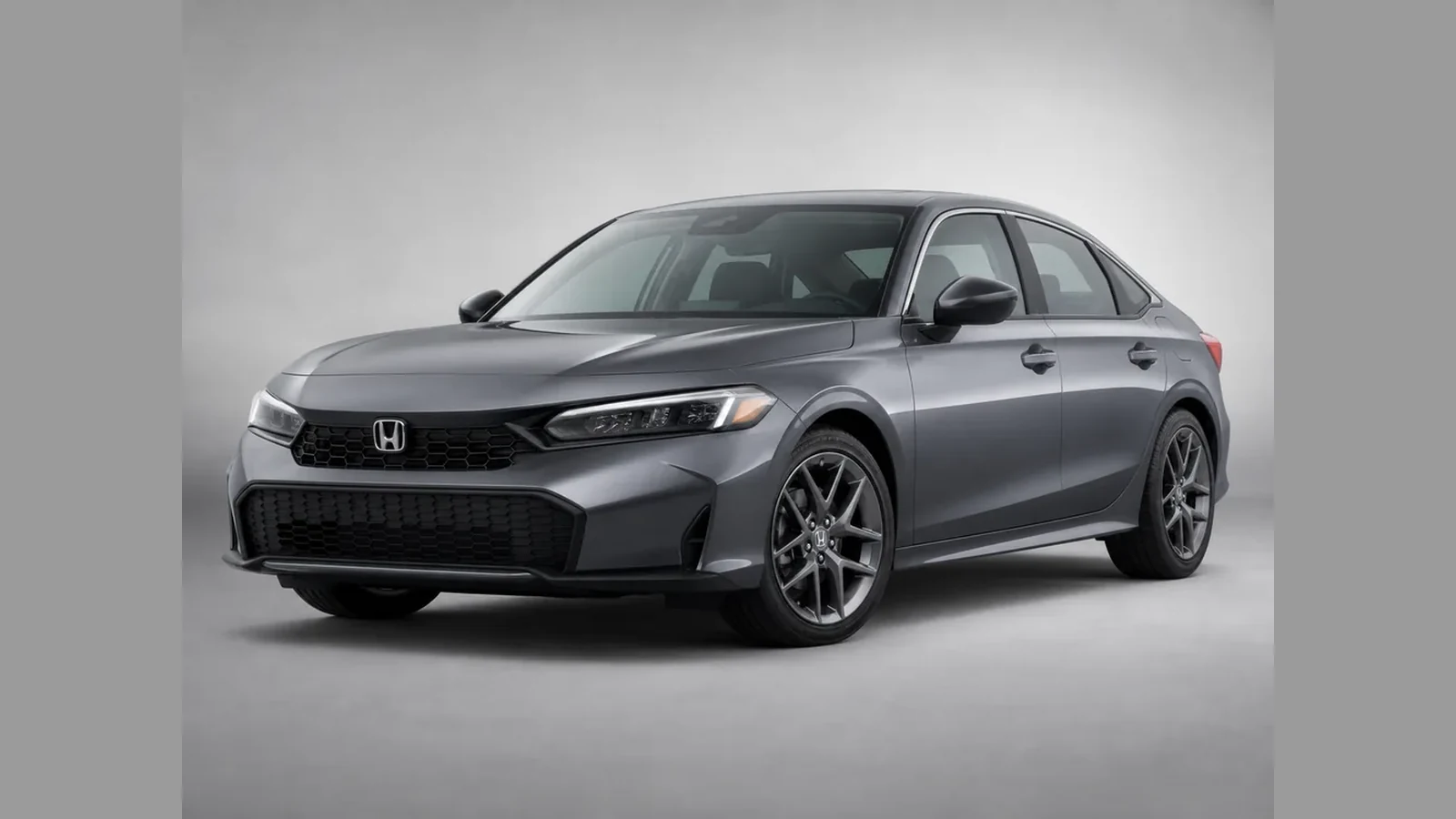
Why the Accord stopped trying to be every sedan
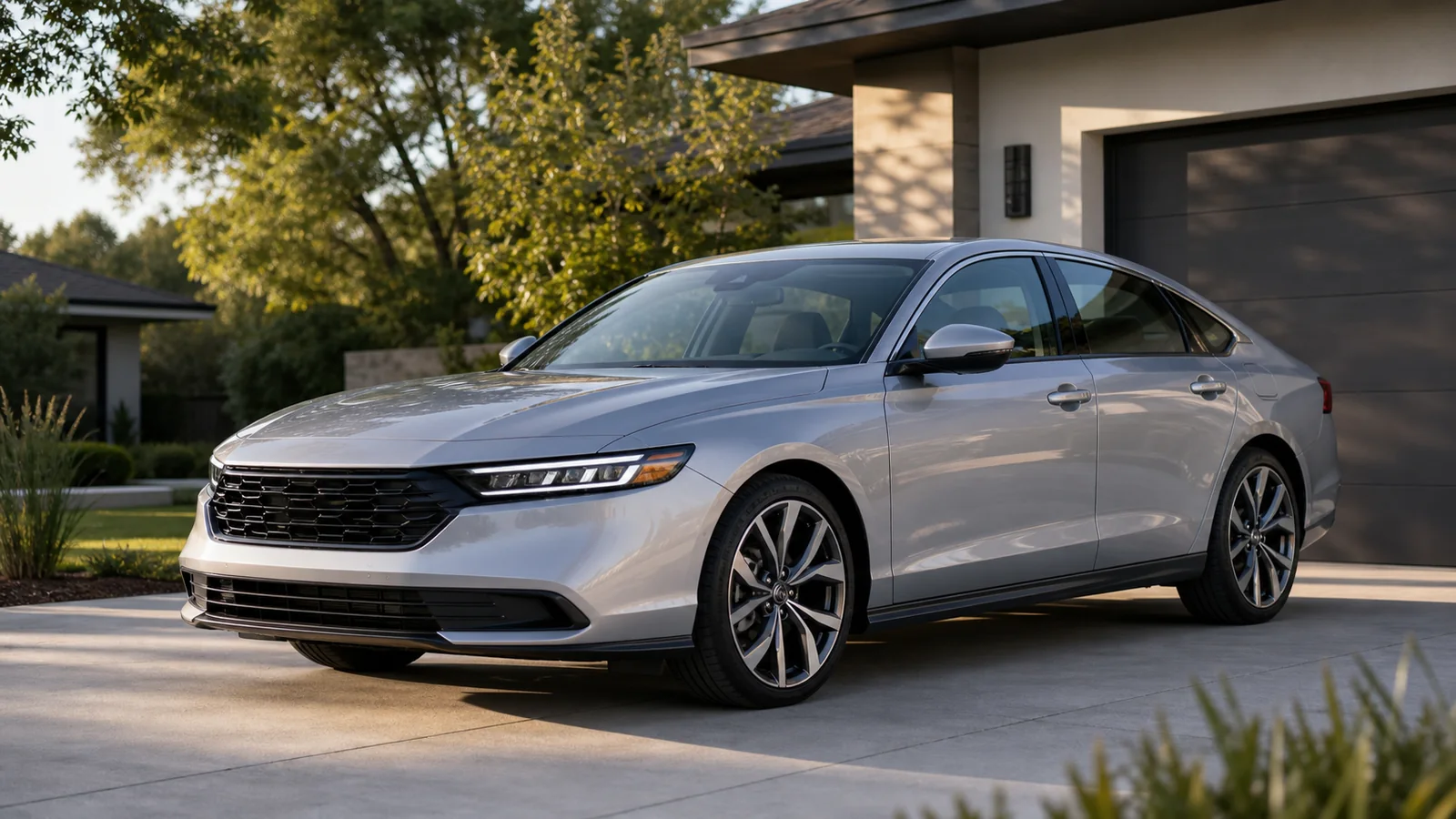
The Accord used to chase every buyer at once. Honda dropped the old V6, skipped all-wheel drive, and pointed the current car at one clear job, a roomy front-drive sedan that still feels awake in your hands.
That focus is the reason to start here. You are not shopping a do-everything car anymore, so the real first question is whether a midsize sedan with genuine steering feel matches how you drive.
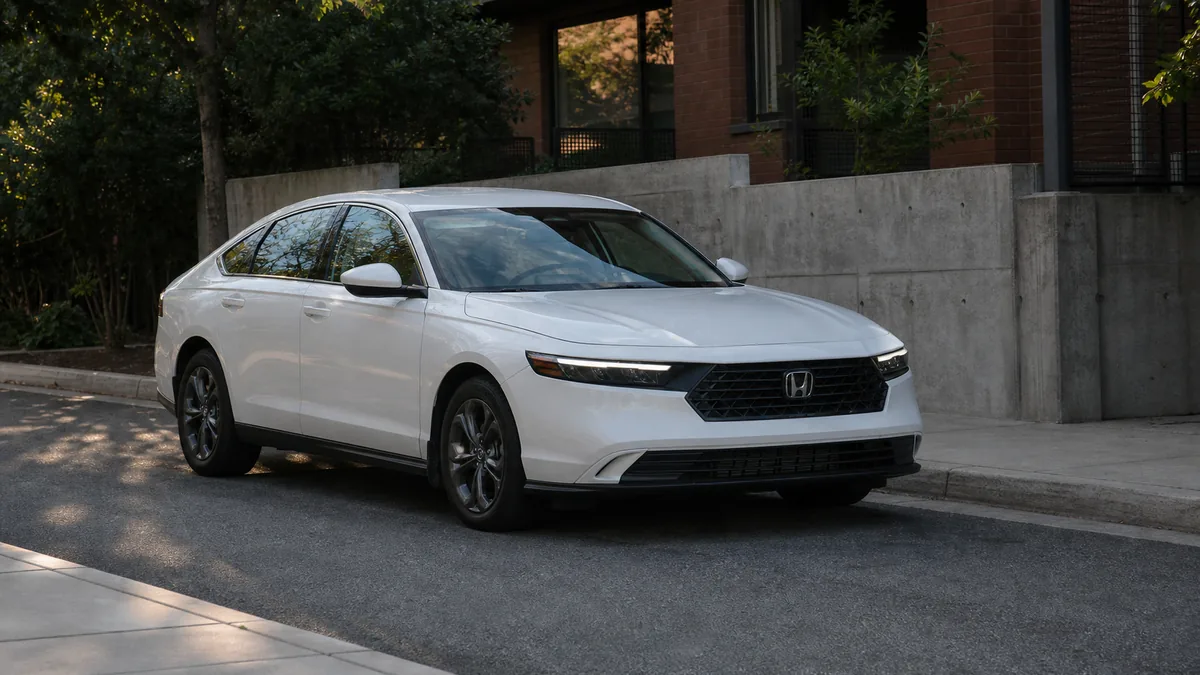
The Accord sits above the Civic in size and price, and below an SUV in seat height and running cost. It is a midsize sedan built for people who never wanted to climb up into a crossover.
It is also longer than a Honda Civic, so adults get a real back seat instead of a tolerable one. That extra length is the everyday reason a Civic owner trades up.
At 195.7 inches long, the cabin feels a size up from a compact without the bulk of a crossover. The price band runs from about $29,000 to $40,000, which keeps the base car within reach and lets a loaded hybrid climb toward small-luxury money.
Steering feel is the trait that sets the Accord apart from most family cars. It stays composed and responds cleanly, so a long ownership run does not turn dull.
Better steering feel than most rivals is a real reason to pick it, and it is not the whole story. The car still has to earn its keep on space, fuel, and price, which is where the powertrain split comes in.
The buyer who benefits most is not chasing a badge or rugged looks. They want a car that makes a 40-minute commute and a weekend highway trip feel easy without paying SUV fuel and tire bills.
If you want a lower car that still feels connected on a back road, the Accord is built for exactly that job. We think it makes the most sense when you care how a practical car drives, not just what it hauls.
Gas or hybrid, and why the stronger engine sits up the lineup
Most Accord shoppers hit the powertrain fork before anything else. The lineup splits cleanly, and the catch is that the better engine lives on the pricier trims.
The gas trims use a 1. 5L turbo with 192 hp and a CVT.
The hybrid trims pair a 2. 0L engine with electric motors for 204 total system hp, stronger low-speed response, and much better city economy.
The hybrid is the better everyday engine because it pulls away from a light with less fuss and needs fewer revs to move the car. It also keeps the CVT from feeling busy in normal traffic.
Zero to 60 mph lands around 6.6 to 7.8 seconds depending on trim, so neither engine feels slow for the class. The hybrid does its extra work quietly, which is why it feels stronger in traffic even though the headline horsepower gap is small.
The gas engine is not bad, and it exists for price first. It works when the lowest payment is the point and you can accept more engine noise when you merge.
This is where the Accord parts ways with its main rival. The Toyota Camry now comes only as a hybrid, so every Camry gets the efficient powertrain, while the Accord keeps a cheaper gas door open and reserves the strong hybrid for the upper half of the range.
If you are lining the Accord up against other cars with the same fuel strategy, the gas powertrain and hybrid powertrain hubs put the rivals side by side.
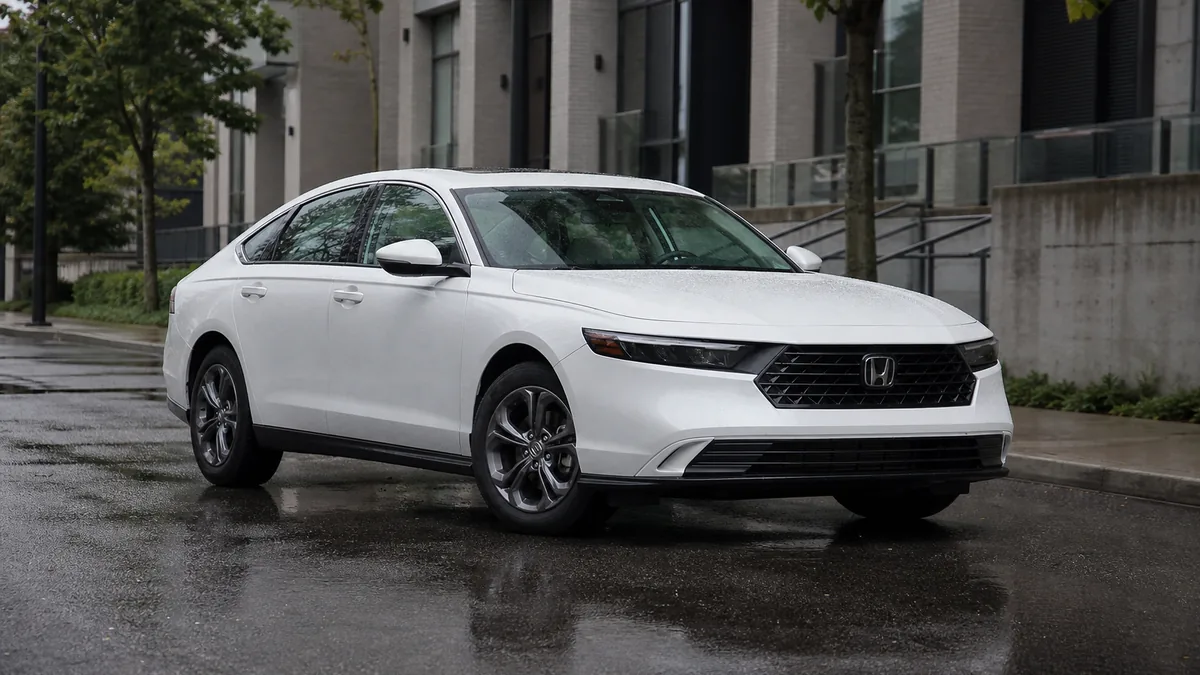
The mpg gap matters most in the city. Stop-and-go traffic lets the hybrid recover energy under braking and lean on the electric motor, so a heavy commute pays back the price premium faster.
On steady highway miles the gap narrows, and a gas Accord uses nearly as little fuel. The money you saved at purchase then stays in your pocket.
Match the powertrain to your week, because city drivers gain the most from the hybrid and pure highway drivers gain the least. Count on the hybrid when miles pile up, and lean gas when the payment is tight and most of your driving is open road.
Which Accord trim earns its price
Trim choice moves the Accord more than the brochure suggests, so start from the job you need the car to do. The names sort into a gas value pair and a hybrid ladder above it.
| Trim | Main spec | Best buyer |
|---|---|---|
| LX and SE gas | 192 hp, CVT, lower entry price | Payment-focused commuter |
| Sport Hybrid | 204 hp, stronger response | Driver who wants the value hybrid |
| EX-L Hybrid | Best mpg rating | High-mileage commuter |
| Touring Hybrid | Most tech and comfort gear | Buyer who keeps a car long enough to use it |
Sport Hybrid is the easy pick for most buyers because it brings the stronger powertrain without pushing all the way to Touring money. It is the value hybrid in the range.
EX-L Hybrid is the quiet choice for high-mile commuters because it chases the best mpg rating. When fuel is your biggest yearly line, this trim earns its place.
Touring Hybrid is pleasant, and it needs a buyer who truly wants the head-up display, ventilated seats, and richer audio. A loaded Touring can drift close to entry-luxury pricing, and that weakens the whole Accord value case.
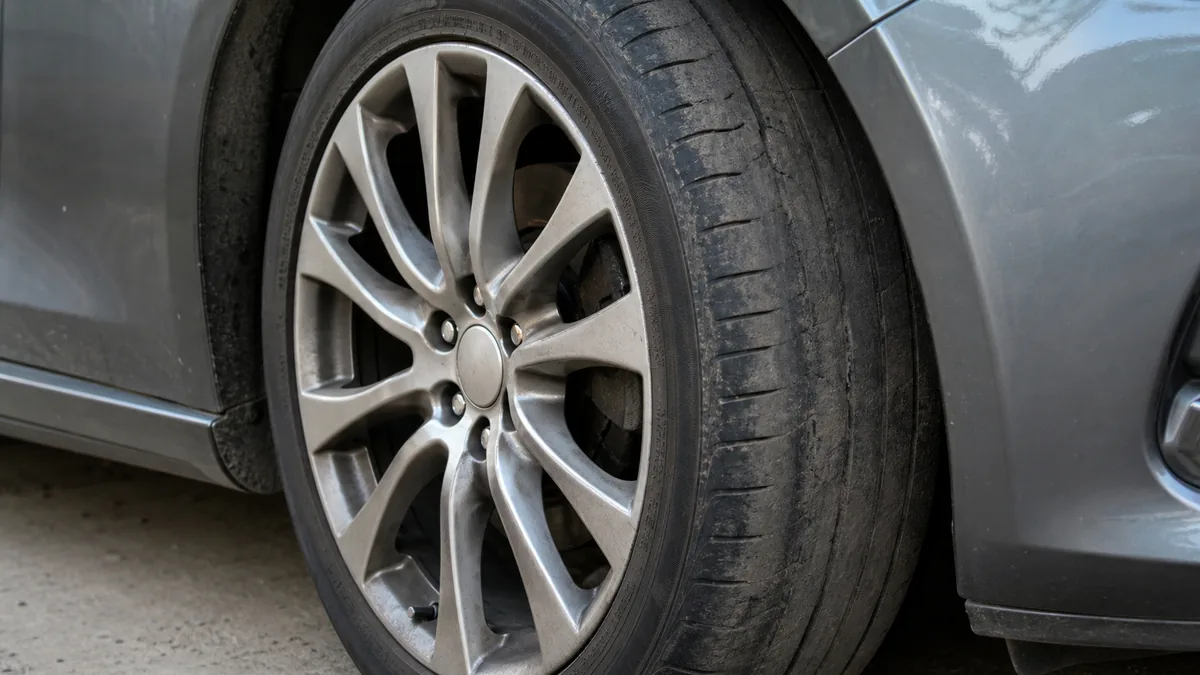
Wheel size deserves an honest look too. Bigger wheels sharpen the styling, and they add tire cost and make broken pavement feel busier, so a rough-road commuter should value ride quality first.
Safety gear is broad across the lineup, so you do not need the top trim just to feel protected. The better question is whether the exact trim has the comfort and controls you will use every day.
The 3-year, 36,000-mile warranty covers every trim the same way, so you are paying for seat, wheels, and powertrain rather than protection. That is one more reason to buy the trim you will use instead of the one with the longest feature list.
If none of the trims click, our Camry alternatives page lines up the wider midsize field worth a look.
Buy the cheapest trim that still fits your routine, because a well-matched Sport Hybrid beats a loaded Touring you bought for the listing photo. The pricier an Accord climbs, the harder it fights roomier cars at the mainstream price level.
Room, comfort, and the all-wheel drive you cannot get
Space is the everyday payoff for choosing the Accord over a smaller car. It carries a 16.7 cubic foot trunk and gives adults more rear legroom than they expect from a sedan.
That lower shape changes daily use. Kids climb into the back without a step up, and highway fuel use stays closer to a sedan than a boxy SUV.
The tradeoff is cargo height. A stroller or a suitcase loads easily, while a tall dog crate, a bike, or a bulky box does not.
When tall cargo is your normal problem, an SUV answers it better, and our how to choose an SUV guide is a cleaner comparison than another sedan spec sheet.
The bigger deal-breaker is drivetrain. Every current Accord is front-wheel drive, which is fine for most buyers on good tires, and it matters if you live on steep snowy roads.

If all-wheel drive is a must-have, the Accord cannot solve that on its own. The Toyota Camry offers available all-wheel drive, and the AWD car hub lines up other bad-weather picks.
The Accord also works as a strong second family car. It can take commuting miles off a larger SUV, use less fuel on school runs, and still carry four adults to dinner without apology.
It is a sensible landing spot after an older large sedan too. Leaving an Avalon or an Impala, you give up some softness and gain fuel economy, modern safety tech, and easier resale, a trade that usually beats jumping straight into a crossover when you still prefer a lower car.
Choose the Accord when space and fuel economy matter more than tall cargo or winter traction. When strollers, dogs, and gear are weekly realities, an SUV is the smarter place to start.
Used Accord risk, from gas turbo to hybrid
Reliability on the Accord is good, and the smarter framing is which risk you are trying to avoid. The current hybrid system is the cleanest long-term bet because Honda has run two-motor hardware across several products, and it eases the low-speed strain that shoppers feel in gas turbo cars.
The 1. 5L turbo deserves more care on the used market.
It is efficient and common, and earlier Honda turbo engines made some owners sensitive to short-trip, cold-weather driving and oil-dilution talk.
A current Accord is not the same car as every old complaint thread, and a used gas Accord still earns a service-record check before you sign.
- 2018 to 202210th-generation Accord, different cabin and infotainment, more turbo-era used inventory
- 2023 to present11th-generation Accord, calmer cabin, leans harder into the hybrid trims
Treat the two generations as related choices, not the same car with new headlights. The older cars give you cheaper entry and more supply, while the newer cars feel quieter and put the hybrid front and center.
Condition matters more than trim on any of them. A base Accord with boring oil-change records and matching tires is a safer buy than a nicer Touring with unclear history.
Simple upkeep protects all of it, starting with on-time oil changes and honest records. Skipped intervals hurt a turbo engine more than they hurt a hybrid.
For the deeper year-by-year picture on Honda's main rival, our Camry reliability breakdown shows how the two brands hold up over the same miles.
Hybrid shoppers should confirm the main battery warranty for the model year, because hybrid hardware is expensive when it fails. A used example with cheap tires on a high trim and missing records should push you toward another car.
The hybrid is the safer used bet for powertrain feel and fewer turbo worries, and a clean gas Accord still works when the records are boring and the price gap is real.
What to check before you pay Honda money
The Accord badge helps resale, and it cannot erase a rough history, so the test drive has to work like a real inspection. Run the same short checklist on every car you look at.
- On gas 1.5L cars, read the oil-change records and listen for rough cold starts
- On any Accord, test the screen, phone pairing, backup camera, and driver-assist alerts
- On higher-mile cars, listen for front suspension noise over sharp bumps
- On hybrid trims, confirm smooth brake feel and clean handoffs between electric and gas power
- On big-wheel trims, check tire wear and replacement cost before you negotiate
Road noise can surprise you if you are coming from a quiet crossover or an old full-size sedan. The Accord is composed, and it is not a luxury car, so drive it on the coarse pavement you use every week.
Hybrid brakes should feel predictable. A slightly different pedal is normal because regenerative braking is part of the system, and pulsing or warning lights need diagnosis before purchase.
A weak 12-volt battery can throw strange warning lights on a modern hybrid even when the main battery is fine, so confirm the car will jump start cleanly if it is older.
A pre-purchase inspection is still worth the money on a clean-looking Accord. Ask the shop to scan stored codes, check suspension bushings and brake wear, read tire age, and look underneath for oil seepage or crash repair.
Open recalls change by year, so check them by VIN rather than trusting a forum summary. After purchase, a simple tire-pressure check is the cheap habit that keeps the car honest.
Price the car on its records and condition, not on the Honda name, because a neglected Accord costs more than it saves.
What an Accord costs to run over five years
The Accord's real cost turns on whether you use the hybrid advantage. A driver stuck in traffic or covering high annual miles makes the hybrid premium look smart, while a light driver may be better off with a gas trim or a clean used car.
| Cost area | What changes the bill | Buyer move |
|---|---|---|
| Fuel | Hybrid mpg helps most in city use | Choose EX-L Hybrid for the cleanest mpg case |
| Tires | Larger wheels cost more and ride firmer | Price replacements before picking Sport or Touring |
| Depreciation | Accord resale is strong, Camry is hard to beat | Keep the car longer to use the value |
| Insurance | Hybrid and Touring trims may quote higher | Check the exact VIN before you sign |
Maintenance is normal midsize-sedan work, oil, filters, brake fluid, coolant, tires, a 12-volt battery, and wipers. Hybrid brakes can last longer in gentle use because regenerative braking handles part of the slowdown, and tires still wear like tires.
The driver-engagement score is the honest reason to pick this car over a Camry. The Accord trades a little resale strength for a chassis that feels awake.
Loan length can quietly distort the math. A 72-month loan on a Touring trim can show a low payment and still keep you paying after the warranty ends, so our lease vs buy math is worth a read before a low payment picks the trim for you.
When the hybrid payment stretches you, a clean used gas Accord can win, and our new versus used guide lines the price gap up against the fuel savings.
A five-year budget should include purchase price, finance cost, fuel, insurance, tires, scheduled service, and expected resale. The hybrid helps most on the fuel line, the gas trim helps most on the purchase line, and resale protects both.
Used buyers should also price the first catch-up service, since even a clean Accord may soon need tires, brake fluid, filters, or a 12-volt battery. A certified used car can be worth extra when the warranty and reconditioning are clear, and it is weaker when the dealer only adds a markup and a cosmetic cleanup.
The cheapest Accord to own is a hybrid you can finance without stretching, or a used gas trim with strong records that clearly beats the hybrid on price. Anything in the middle needs math, not hope.
The Accord to buy, and who should skip it
The Accord is still the driver's midsize sedan, and the best version is not the cheapest one. The hybrid trims give the car the powertrain it deserves, with better response and fuel economy than the gas model.
Pros
- Hybrid trims are quick and efficient
- Roomy rear seat and a large trunk
- Better steering feel than most midsize sedans
- Strong resale and safety reputation
Cons
- No all-wheel drive at any trim
- Gas trims feel like the budget choice
- Top trims get expensive fast
- Road noise is not luxury-sedan quiet
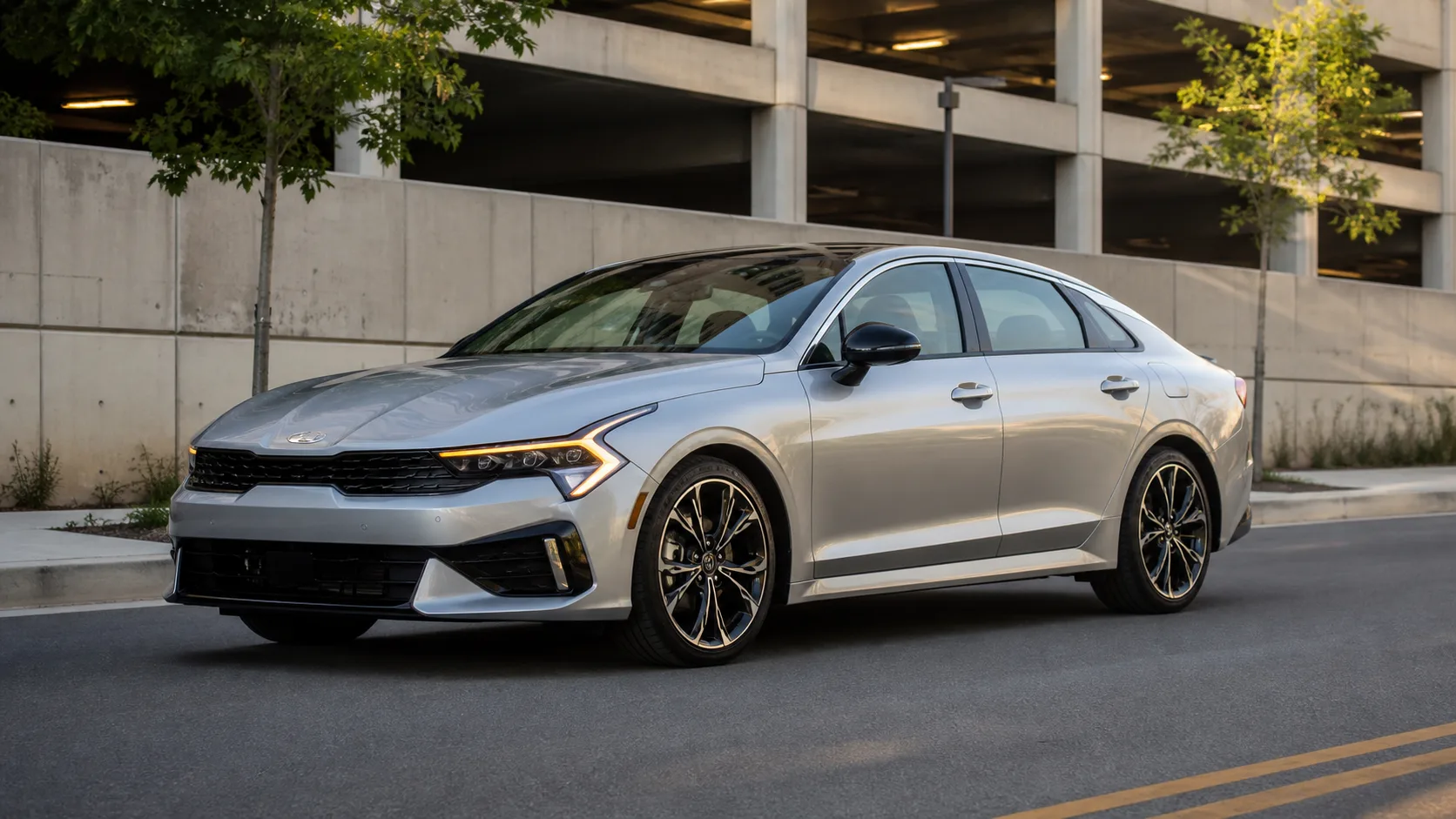
Against the rest of the class, the Accord holds a clear lane. The Honda Civic is the step down when price and easy parking beat rear-seat width, and the Kia K5 is the style play for a buyer who wants a sharper look for less money.
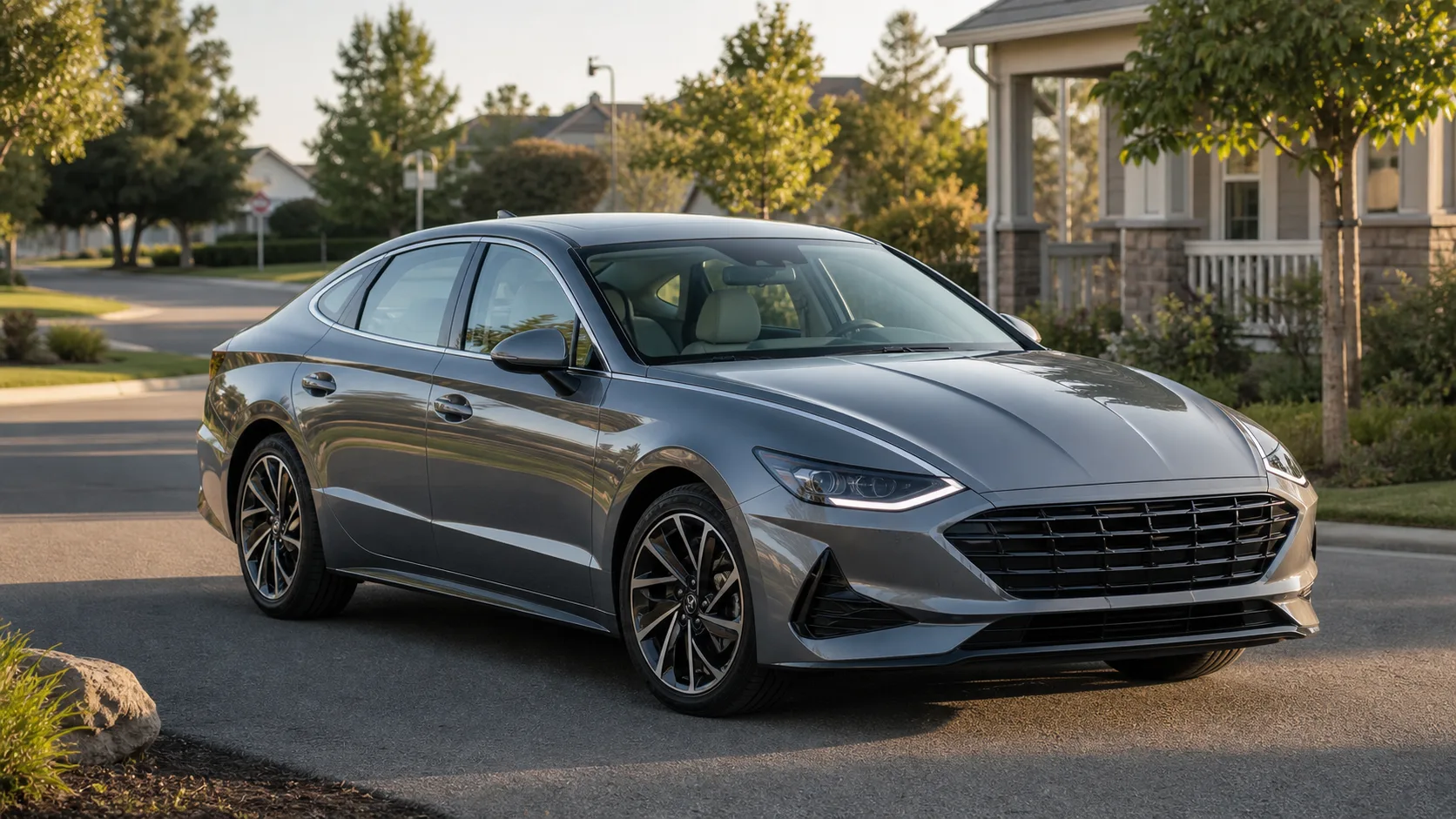
Value shoppers sometimes add a feature-loaded Hyundai Sonata to the list, and drivers who want the sharpest feel can scan our fun-to-drive picks before they sign. The Accord's cons are honest limits rather than deal-breakers for most buyers, and the no-AWD line is the one that sends some shoppers to the Camry or an SUV.
The clean plan is to drive a gas Accord, an Accord Hybrid, and a Camry on the same day. If the hybrid feels clearly better and the payment fits, buy it, and if the price gap feels too large, a gas Accord is acceptable when it wins on numbers rather than hope.
Bring the gear you actually carry to the test drive, load the trunk, and check rear-seat access before you sign. The Accord handles more than its shape suggests, and it still cannot cheat physics on tall cargo or winter grip.
Do not let a discount on the wrong trim decide the car. The right Accord is the one whose powertrain, tire size, payment, and daily feel all point the same way.