
Electric Cars
Electric cars cut running costs and skip the gas station. Browse our reviewed EVs by range and charging speed.
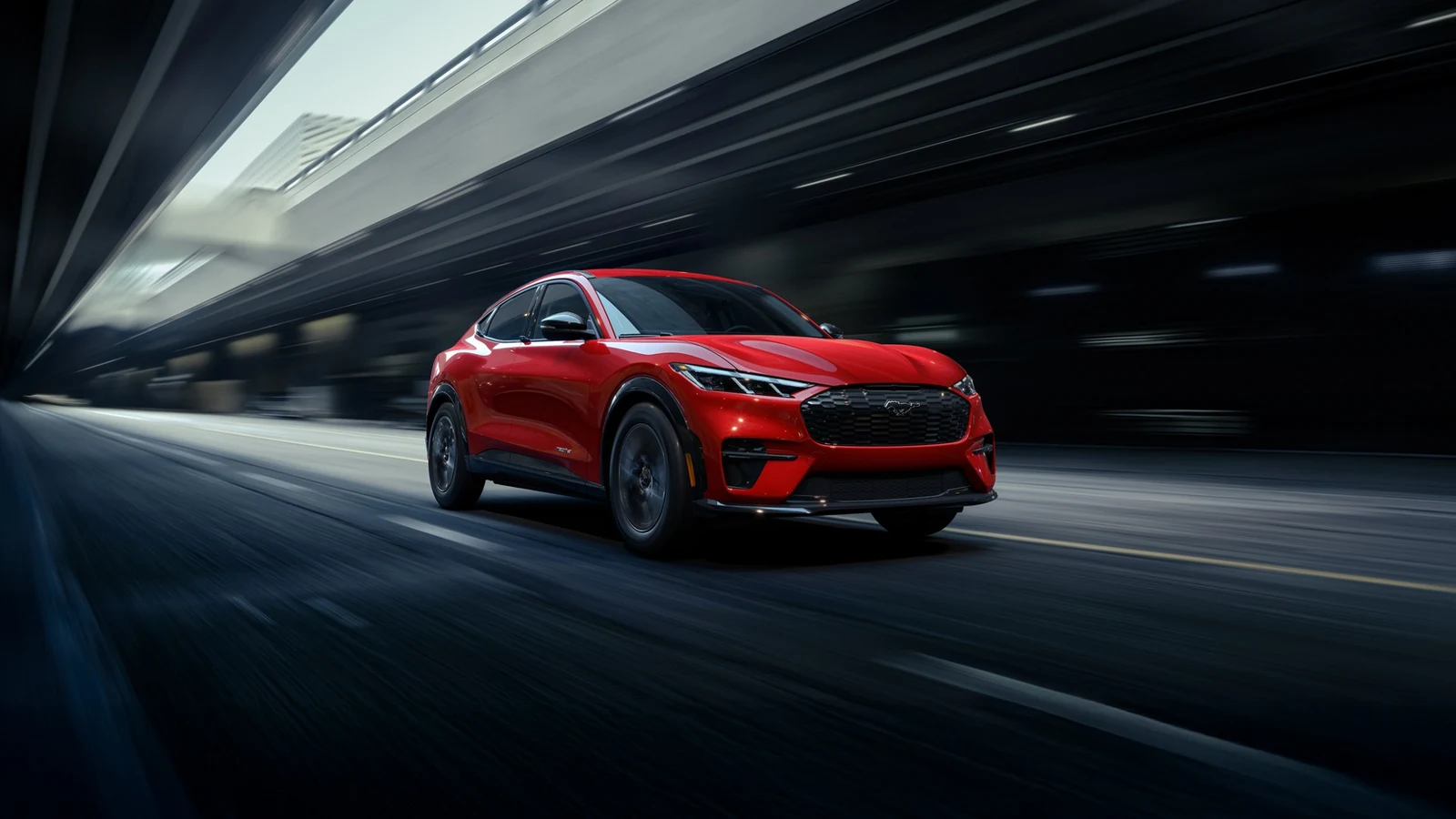
Ford Mustang Mach-E
Ford · $37,795 - $53,395The Ford Mustang Mach-E is the electric crossover for shoppers who want EV range without a Tesla-style cabin…
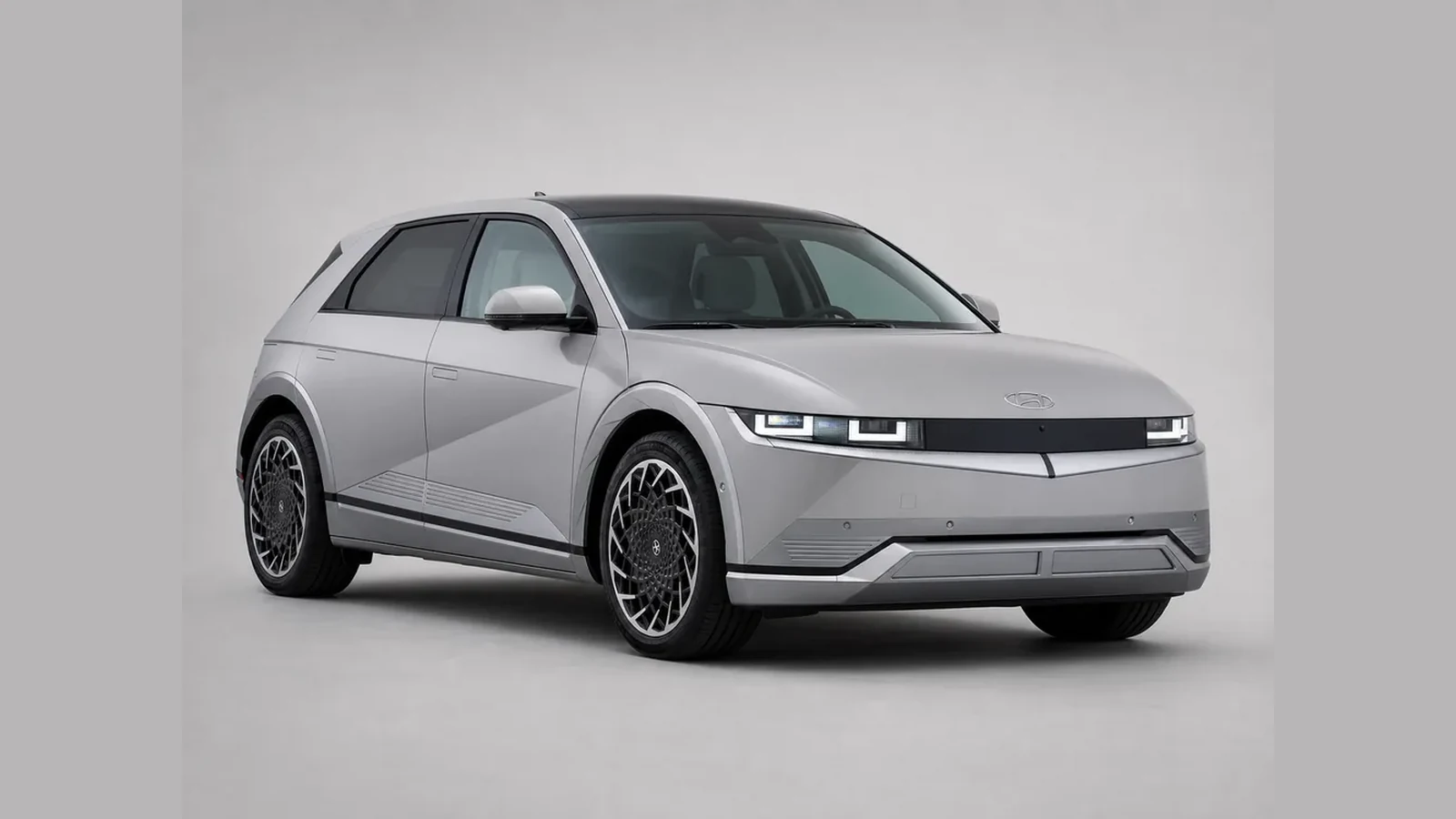
Hyundai Ioniq 5
Hyundai · $43,000 - $56,000The Hyundai Ioniq 5 is the most livable electric SUV in its class: a roomy, comfortable cabin and ultra-fast…
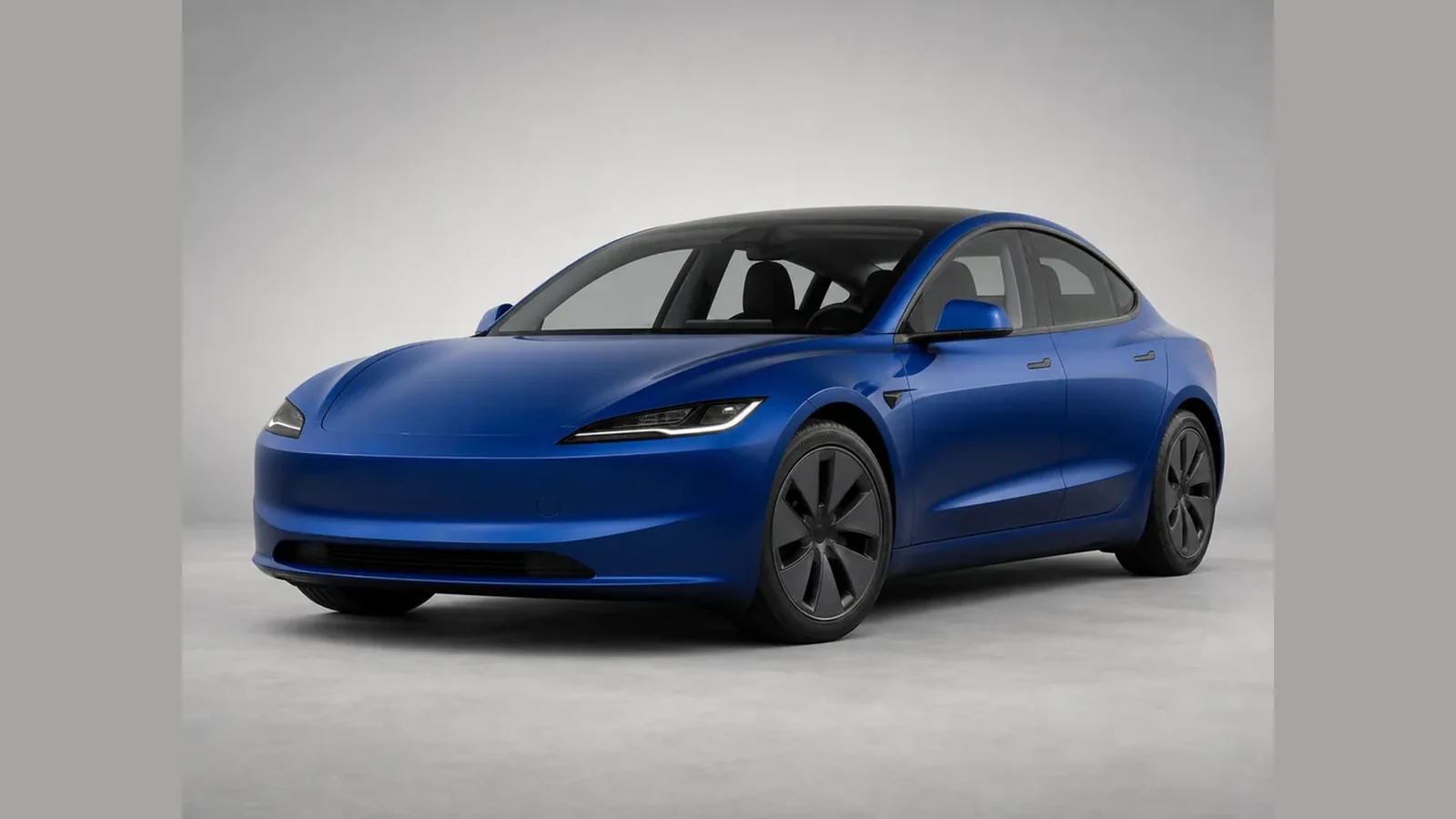
Tesla Model 3
Tesla · $42,000 - $55,000The Tesla Model 3 is the EV that made electric cars mainstream: long range, quick acceleration, and the best…
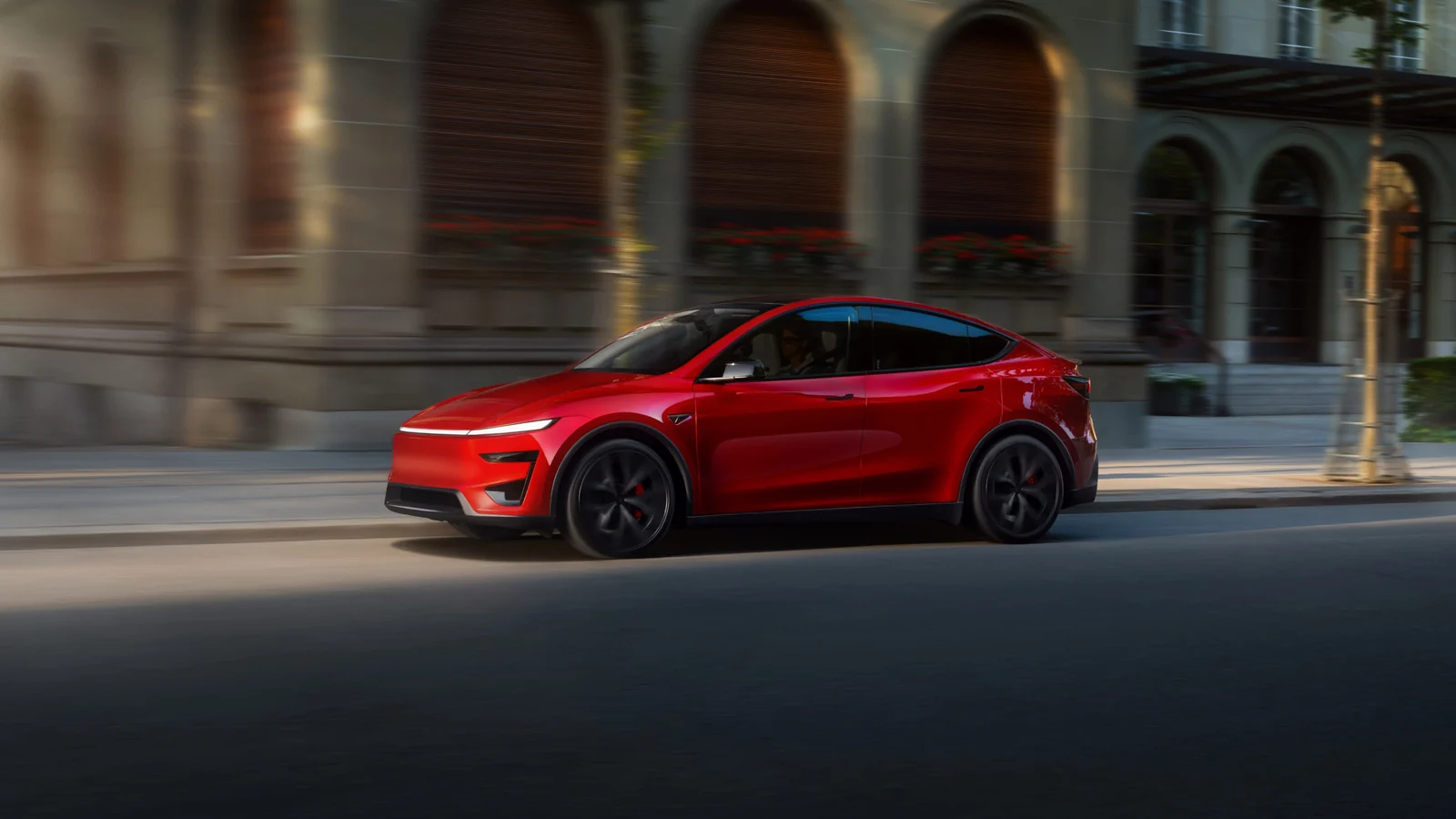
Tesla Model Y
Tesla · $41,630 - $57,000The Tesla Model Y is the easy-mode EV for many U.S. shoppers because the range, cargo space, software, and…
An electric car rewrites the two routines that define ownership: how you fuel and how you maintain.
Instead of a weekly stop at the pump, most EV owners wake to a full battery every morning.
Instead of oil changes and timing belts, the drivetrain is a battery, a motor, and little else to go wrong.
The four EVs reviewed here, the Tesla Model 3 and Model Y, the Hyundai Ioniq 5, and the Ford Mustang Mach-E, cover the mainstream of what that shift looks like today.
Here is how to judge range, charging, and running cost before you sign.
Real range versus the EPA sticker
Every EV wears an EPA range figure, and that number anchors expectations the way an mpg rating does for a gas car.
The Tesla Model 3 reaches up to 363 miles, the Model Y up to 357, the Hyundai Ioniq 5 up to 318, and the Ford Mustang Mach-E between 240 and 320 depending on battery and drivetrain.
Those are best-case figures measured in mild weather.
Your real range depends on three things the sticker leaves out: speed, temperature, and terrain.
Highway cruising at 75 mph drains a battery faster than city stop-and-go, the opposite of a gas car.
A freezing morning can trim range by 20 to 30 percent until the cabin and battery warm through.
Plan around 80 percent of the EPA number for daily use, and closer to 70 percent on a cold highway run, and the car will rarely let you down.
That still covers most driving. The average American drives about 40 miles a day, so even a 240-mile Mach-E handles a full week on a single charge.
The three speeds of charging
Charging is not one thing, it is three, and the gap between them decides how an EV fits your week.
The slowest is a standard household outlet, the fastest is a public station that refills most of the battery over a coffee.
Level 1 uses a normal 120-volt wall socket and adds only 3 to 5 miles of range an hour, fine as a backup but too slow as your only source.
Level 2 runs on a 240-volt circuit, the same kind a dryer uses, and refills overnight.
DC fast charging is the public roadside option that takes most EVs from 10 to 80 percent in 20 to 40 minutes.
The Ioniq 5 stands apart here: its 800-volt architecture accepts a quicker DC charge than most rivals, adding 10 to 80 percent in about 18 minutes at a high-power station, roughly half the time a typical 400-volt EV needs.
Our EV charging basics guide breaks down the plugs and networks.
Home charging is what makes an EV pay off
The one question that settles whether an EV saves you money is where you park at night.
A Level 2 charger in the garage turns refueling into something you stop noticing: plug in, sleep, wake to a full battery, and skip the gas station for months at a time.
Home electricity costs far less per mile than gasoline in nearly every state, so the fuel saving lands every single morning.
Public fast charging costs more and asks you to plan stops, which is workable on road trips but a poor substitute for a home plug day to day.
With home charging the running-cost case for an EV is strong, and without it a hybrid usually makes more sense.
If you rent or park on the street with no outlet, weigh that honestly before you buy.
What an EV saves, and what it costs up front
Beyond the fuel bill, an EV cuts the maintenance a gas car demands.
There is no oil to change, no spark plugs, no timing belt, and regenerative braking does much of the slowing, so brake pads last far longer.
Pros
- Refuels at home for a fraction of the per-mile cost of gas
- No oil changes, spark plugs, or timing belts
- Regenerative braking makes brake pads last longer
Cons
- Higher purchase price than a comparable gas car
- Public fast charging costs more than charging at home
- Cold weather and towing cut range noticeably
The catch sits on the window sticker.
These four EVs carry a higher price than the gas cars they compete with, and most land in premium price territory once you add range and all-wheel drive.
Federal and state incentives can narrow that gap, but the buy-in is still the honest downside.
EV or hybrid: which switch suits you
An EV is not a strictly better version of a hybrid, it is a different tool with a different sweet spot.
The dividing line is charging access and how predictable your driving is.
If you have a home charger, drive mostly local miles, and have either a second car or a reliable fast-charge network for the occasional long haul, an EV rewards you every morning.
If you cannot charge at home, or you take frequent long trips through areas thin on chargers, a hybrid delivers most of the fuel saving with none of the planning.
Match the powertrain to your parking and your trips, not to the badge, and the choice usually makes itself.
Match the EV to how you drive
The four here split cleanly by body and priority. Pick the one that fits your space and range needs rather than the brand on the nose.
| Model | Body | Max EPA range |
|---|---|---|
| Tesla Model 3 | Sedan | 363 mi |
| Tesla Model Y | SUV | 357 mi |
| Hyundai Ioniq 5 | SUV | 318 mi |
| Ford Mustang Mach-E | SUV | 320 mi |
The Model 3 is the sedan of the group and posts the longest range, a fit for commuters who want efficiency over cargo space.
The Model Y stretches that into the most cross-shopped electric SUV in the country.
The Ioniq 5 trades a little range for the quickest charging and a roomy, flat-floored cabin, while the Mustang Mach-E brings Ford dealer service and a familiar SUV shape to buyers new to electric.
To see two of them head to head, read the Ioniq 5 against the Model 3, or start with our best electric cars shortlist.
How we review the EVs here
Every EV profile on this page is scored on the same measures: real-world range against the EPA figure, charging speed at both Level 2 and DC fast, safety data, reliability history, and five-year cost to own.
We read EPA and NHTSA figures alongside long-term reliability records, and a reviewing expert signs off on the buying advice before it goes live.
Start with the model that matches your driving above, or compare a pair head to head to see how close the field really is.
The gap between these four is narrower than the badges suggest.
Frequently Asked Questions
How much range do I lose in cold weather?
Do I need a special charger installed at home?
How long does public fast charging take?
Is an EV cheaper to run than a gas car?
Should I buy an EV or a hybrid?
Compare before you commit
Line up two cars you are cross-shopping side by side, then read the full research-first review before you buy.
Compare cars