Premium Cars
Premium cars add upscale materials and features without full luxury pricing. Browse our reviewed premium models.
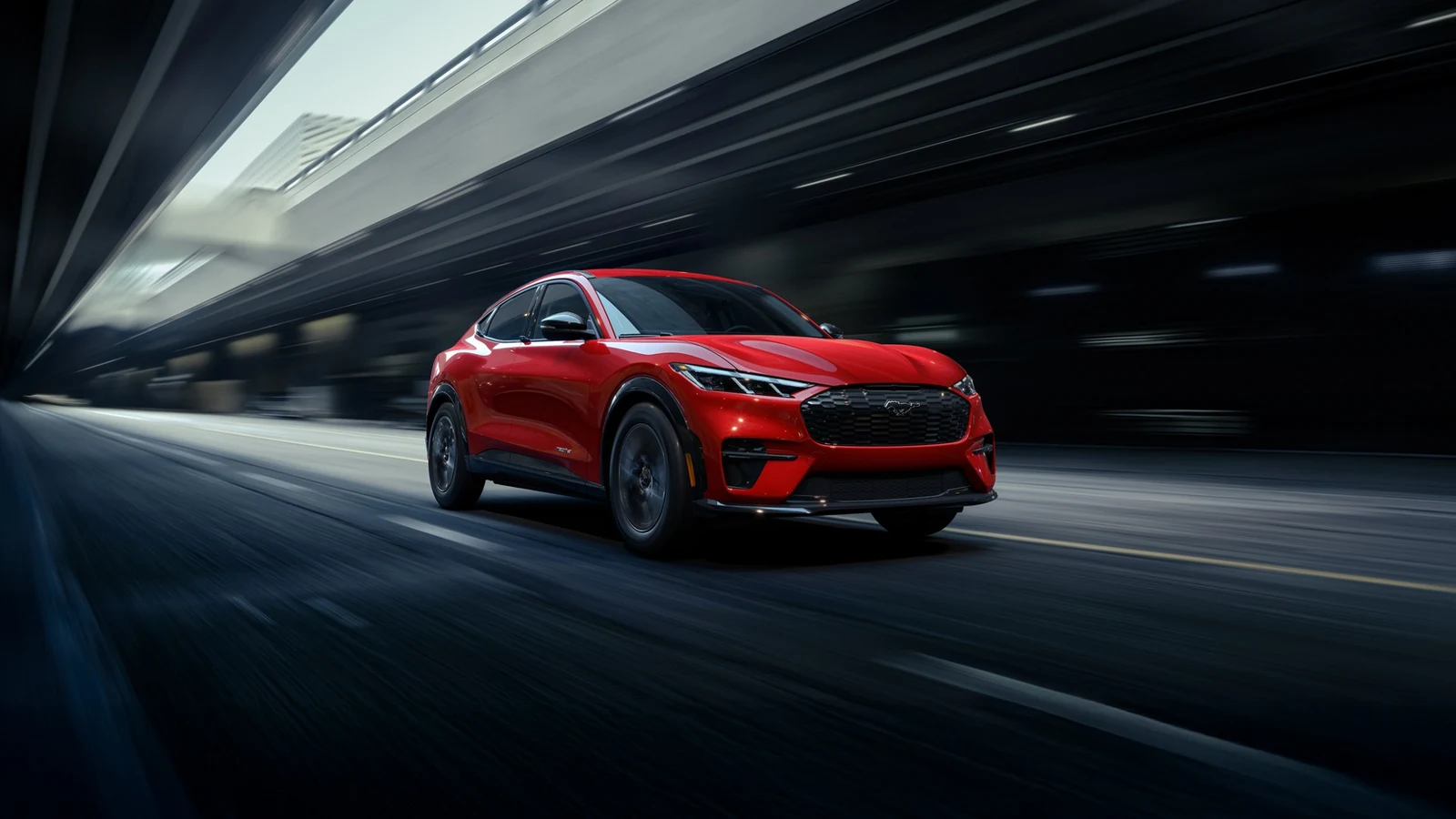
Ford Mustang Mach-E
Ford · $37,795 - $53,395The Ford Mustang Mach-E is the electric crossover for shoppers who want EV range without a Tesla-style cabin…
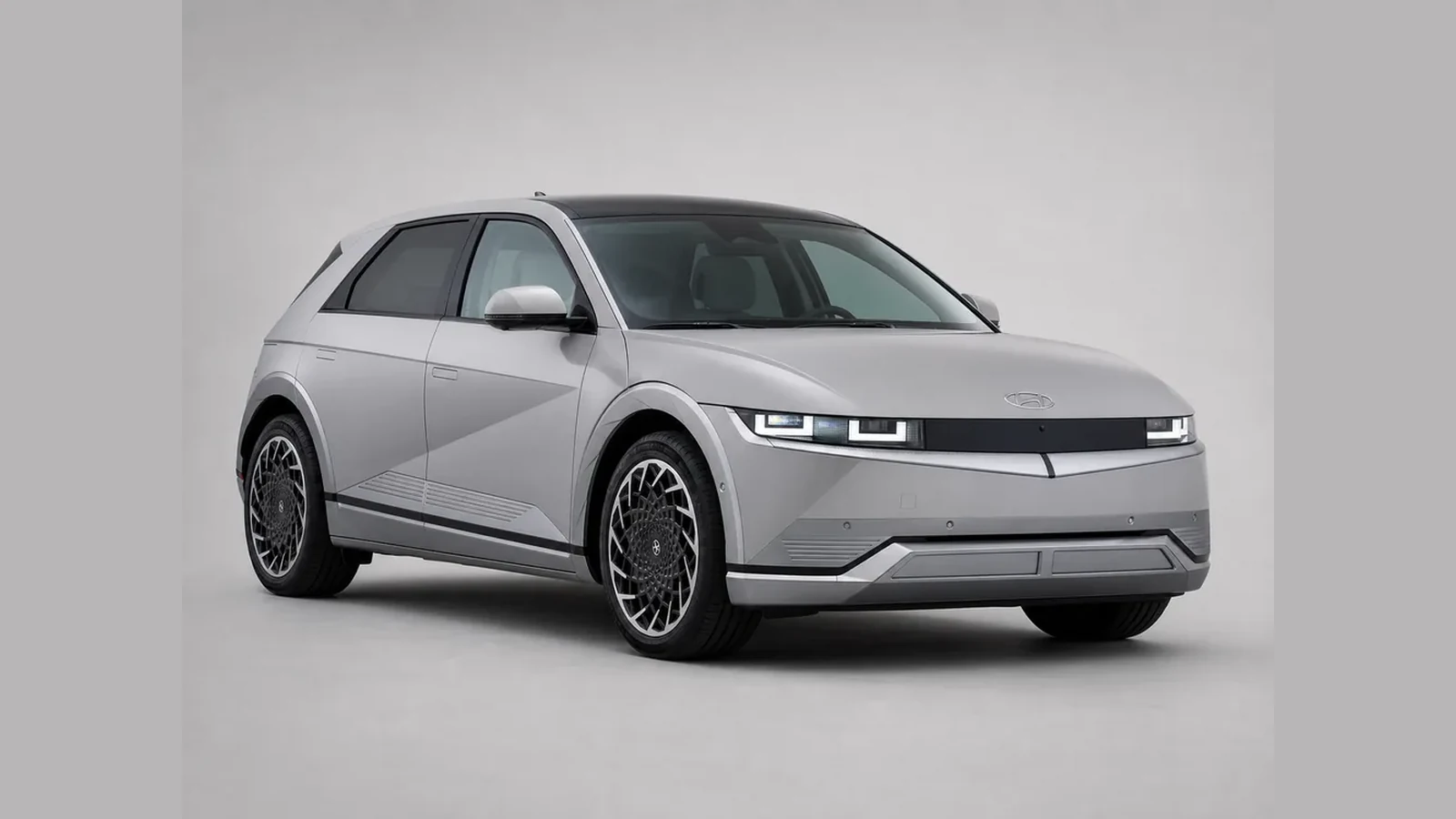
Hyundai Ioniq 5
Hyundai · $43,000 - $56,000The Hyundai Ioniq 5 is the most livable electric SUV in its class: a roomy, comfortable cabin and ultra-fast…
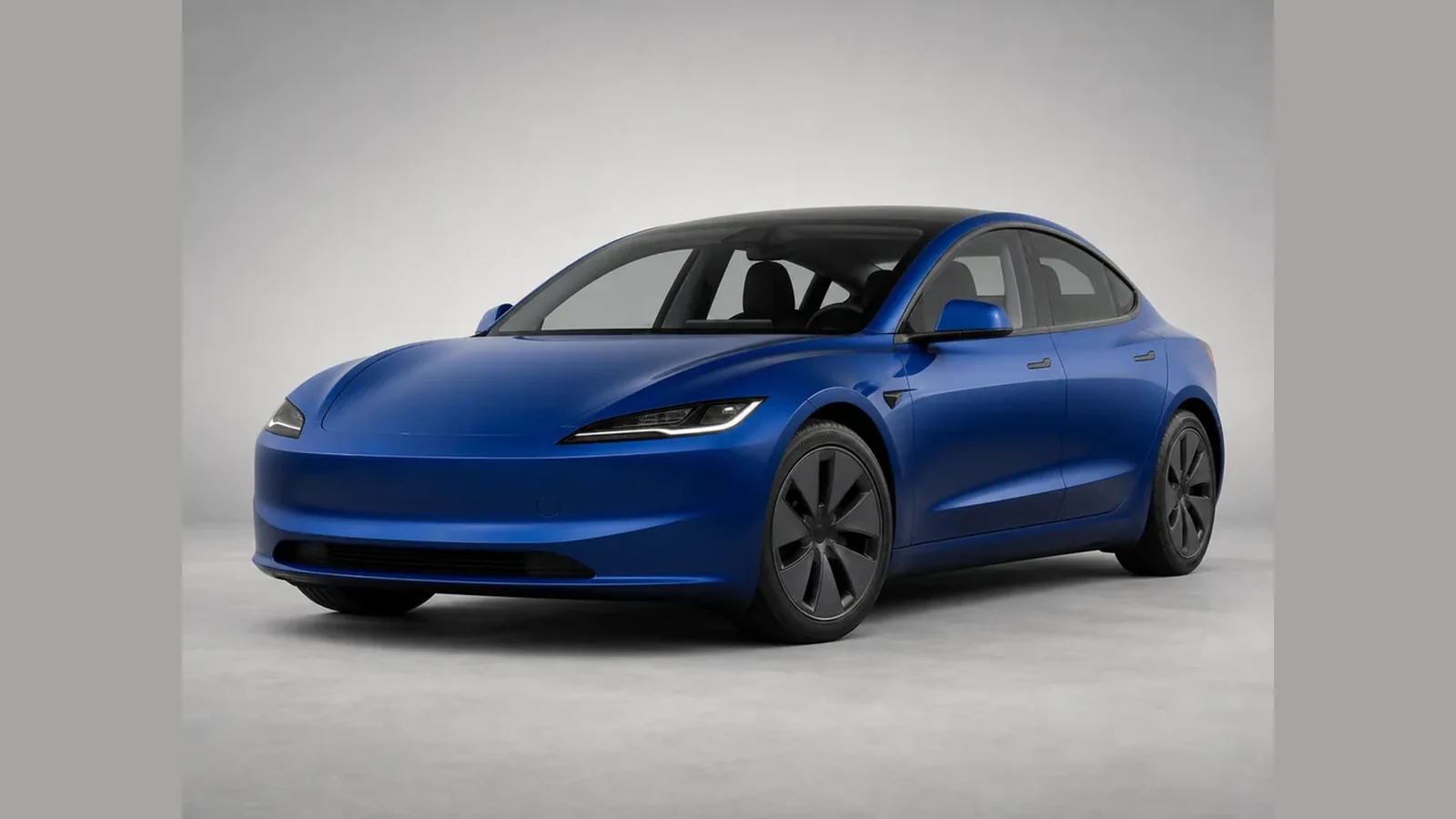
Tesla Model 3
Tesla · $42,000 - $55,000The Tesla Model 3 is the EV that made electric cars mainstream: long range, quick acceleration, and the best…
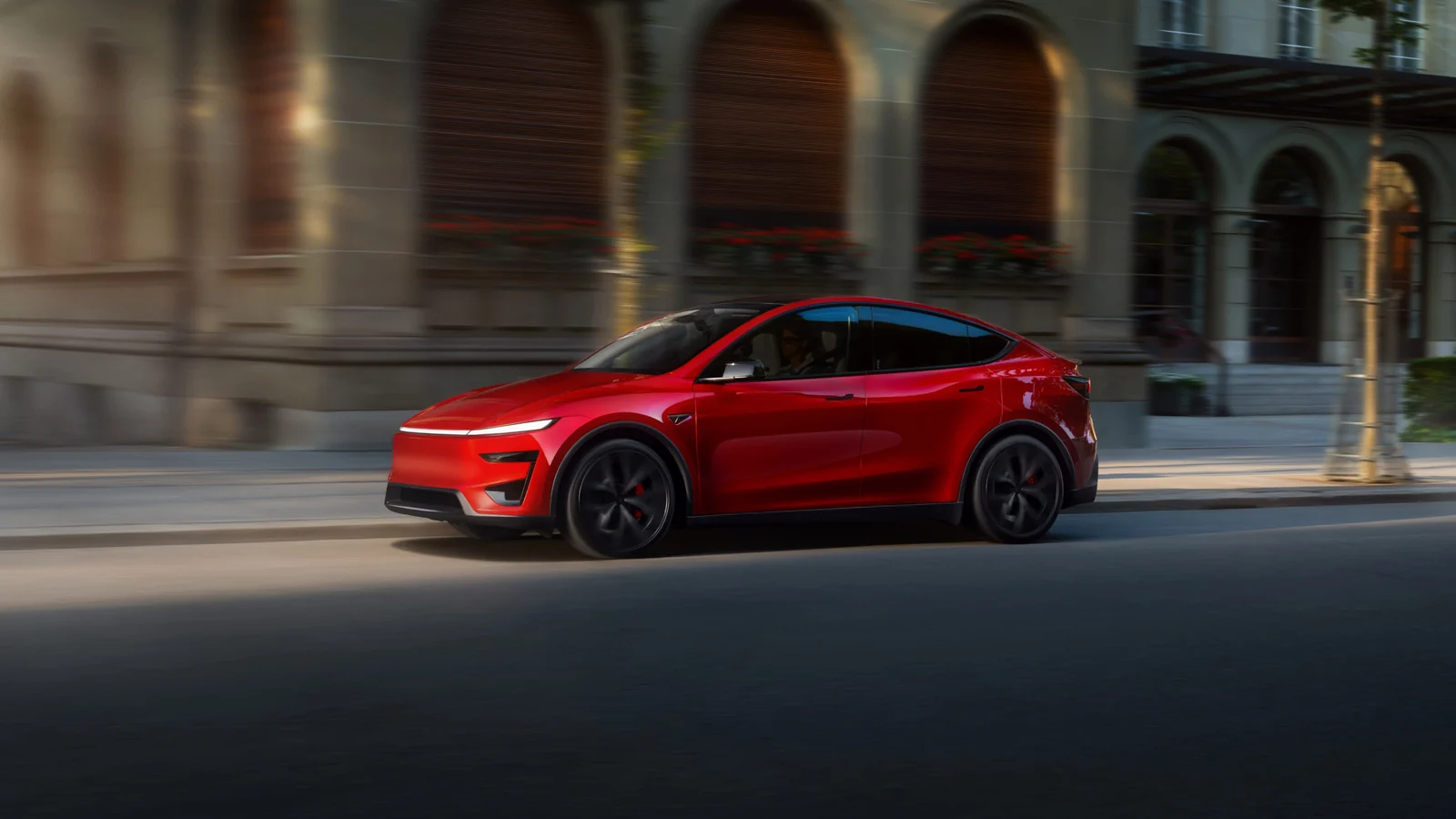
Tesla Model Y
Tesla · $41,630 - $57,000The Tesla Model Y is the easy-mode EV for many U.S. shoppers because the range, cargo space, software, and…
Premium is the price band where a car stops feeling like basic transport and starts feeling special, without crossing into six-figure luxury.
Most cars here run from the high thirties to the high fifties, and right now that band is crowded with electric SUVs and sedans.
Here is what the extra money buys, why so many EVs land at this price, and how to tell a real upgrade from a padded sticker.
What the premium band actually covers
Premium sits one rung above mainstream and one rung below full luxury. A mainstream car covers the basics well and keeps the price low.
A premium car adds better cabin materials, a larger screen, quicker acceleration, and more standard driver aids, while still staying under the price of a badge like BMW or Mercedes.
The four cars reviewed on this page all live in that band.
The Ford Mustang Mach-E opens the tier at $37,795, and the Tesla Model Y, Tesla Model 3, and Hyundai Ioniq 5 all top out between $55,000 and $57,000.
If you are spending high thirties to high fifties on a new car, you are shopping the premium band whether or not the brand calls itself premium.
Why electric cars land in the premium band
Every car reviewed here is an EV, and that is not a coincidence.
A battery big enough for 250 miles of range still costs thousands of dollars, so an electric car starts at a higher price than the gas model it replaces.
That battery cost pushes most mainstream-brand EVs straight into premium territory.
The upside is that the price buys real hardware, not just trim.
Instant torque makes even the base versions quick, the floor-mounted battery lowers the center of gravity for flatter cornering, and a flat floor opens up cabin space.
Browse the full electric lineup to see how the range and price compare across the segment.
What the extra money buys
Step from a mainstream car into a premium one and the upgrades are things you touch every day. The cabin uses softer materials and cleaner design.
The center screen grows and the software responds faster. Acceleration moves from adequate to genuinely quick.
| Model | Body style | Price range | Best for |
|---|---|---|---|
| Tesla Model 3 | Sedan | $42,000 to $55,000 | Efficiency and charging network |
| Tesla Model Y | SUV | $41,630 to $57,000 | The default family EV |
| Hyundai Ioniq 5 | SUV | $43,000 to $56,000 | Fast charging and cabin space |
| Ford Mustang Mach-E | SUV | $37,795 to $53,395 | Lowest entry price, sporty feel |
Body style barely changes the price here, which is why a premium sedan like the Model 3 and a premium SUV like the Ioniq 5 sticker within a few thousand dollars of each other.
Pick the shape that fits your life: the sedan is lower and more efficient, the SUVs carry more gear and sit higher. The Ioniq 5 against the Model 3 is the clearest head-to-head of that sedan-versus-SUV choice.
How to judge value at this level
At this price, the sticker is only half the story. Range, charging speed, and resale swing the real cost more than a few thousand dollars of options do.
Range is the headline number, but charging speed matters just as much on a road trip.
The Ioniq 5 uses an 800-volt system that adds a large chunk of range in under 20 minutes at a fast charger, while Tesla buyers get the widest and most reliable charging network in the country.
Federal and state incentives can also cut thousands off the price of some models, so check what your specific car and state qualify for before you compare stickers.
Our best electric cars list ranks these four on exactly those trade-offs.
Premium is not luxury
It is easy to blur the two, but the gap is real. A true luxury car adds things a premium car leaves out: badge cachet, hand-finished materials, near-silent refinement, a longer dealer-service experience, and a price that often starts where premium ends.
A premium EV gives you most of the daily feel of a luxury car, quick, quiet, and well-equipped, for less money. What you give up is the nameplate and the last 10 percent of polish.
Buy premium when you want the substance of a nicer car without paying the luxury-badge tax, and step up to luxury only when the brand and the finish are the point.
For buyers who would rather save the money, a mainstream model does the core job for thousands less.
How we rank premium cars
Every premium car on this page is scored on the same measures as its rivals: real range and efficiency, charging speed, cabin quality, safety scores, and five-year cost to own. We read EPA range figures and NHTSA safety data alongside long-term reliability records, and a reviewing expert signs off on the buying advice before it goes live.
Start with the model that fits your body-style and charging needs above, or compare two rivals head to head to see how narrow the gap really is at this price.
Frequently Asked Questions
What does premium mean for a car's price?
Why are so many electric cars priced as premium?
Is a premium car worth it over a mainstream one?
What is the difference between premium and luxury?
How should I judge value in a premium EV?
Compare before you commit
Line up two cars you are cross-shopping side by side, then read the full research-first review before you buy.
Compare cars