Luxury Cars
Luxury cars prioritize comfort, technology, and brand cachet. Browse our reviewed luxury models.
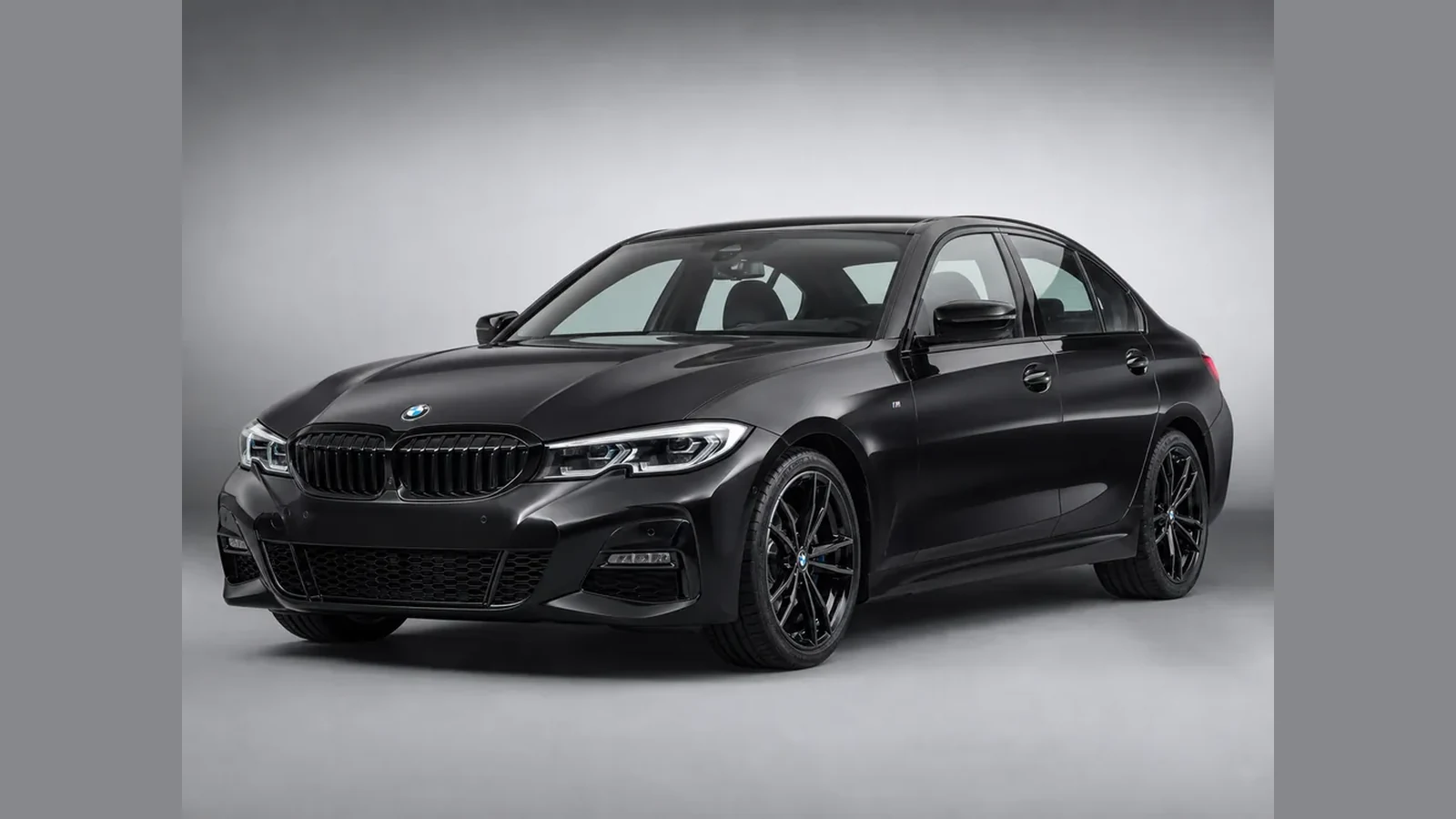
Luxury is the tier where a car stops being only a way to get to work and becomes a place you are happy to sit for an hour.
Moving from premium to luxury does not add seats or trunk space. It buys softer leather, quieter miles, deeper engineering, and a car that drives with real polish.
That polish shows up on your monthly bill too, so the real question is whether the refinement earns what it costs to keep on the road.
Where luxury pulls ahead of premium
The premium tier already gives you a nice cabin and strong equipment. Luxury raises every one of those bars.
The leather is real hide instead of a convincing substitute, the switchgear feels machined rather than molded, and the doors shut with a solid, damped thunk.
The bigger gain is refinement you feel at speed.
A luxury sedan seals out wind and road noise, irons out broken pavement, and holds a straight line at 75 mph with less effort from you.
Luxury money buys quiet, material quality, and driving polish, not extra practicality, so buy it for how the car feels rather than what it can carry.
Technology usually arrives here first as well: adaptive cruise, a head-up display, and better driver assistance tend to reach the luxury tier a model cycle before they trickle down to cheaper cars.
The badge is engineering you can feel
Brand matters more in luxury than in any cheaper tier, and it is not only about status.
A maker like BMW pours development money into the parts you cannot see: the stiffness of the body, the tuning of the suspension, the calibration of the steering.
That effort is what separates a car that merely rides well from one that feels precise at every input.
The trade is that this engineering costs more to build and more to fix. Luxury brands charge a premium for parts and specialist labor, and that follows you for as long as you own the car.
BMW 3 Series: the entry sport-luxury sedan
The BMW 3 Series is the classic on-ramp to the luxury tier, and for decades it has set the bar for how a compact sedan should drive. It pairs a genuinely upscale cabin with handling that rewards a good road, which is why so many buyers cross-shop it against both mainstream sedans and pricier luxury cars.
The lineup runs from the 330i, powered by a turbocharged four-cylinder, up to the M340i and its turbocharged inline-six. The six is the enthusiast's pick, delivering the kind of smooth, urgent pull that a four-cylinder cannot match.
Rear-drive balance is a big part of the appeal, which is worth taking on its own.
Rear-wheel drive and why enthusiasts want it
The 3 Series sends power to the back wheels, the layout most sport-luxury sedans are built around. Rear-wheel drive lets the front tires focus on steering while the rear tires handle power, so the car turns in cleaner and feels more balanced when you press on.
The catch is winter.
Rear-drive needs a set of proper winter tires to match all-wheel drive in snow, and BMW sells an all-wheel-drive xDrive setup for buyers who see real winters.
If you want the sharpest drive and live in a mild climate, rear-wheel drive is the reason to choose a car like the 3 Series over a front-drive rival.
What luxury costs to run
Depreciation is the number most luxury buyers underestimate. A car in the 3 Series price band can shed a large share of its value in the first three years, faster than a mainstream sedan, because the used market prices in the higher upkeep.
Pros
- Cabin materials and quiet a mainstream car cannot match
- Sharper handling and stronger underlying engineering
- Latest safety and comfort tech arrives here first
Cons
- Steeper depreciation in the early years
- Premium fuel, pricier parts, and specialist labor
- Out-of-warranty repairs land harder than on a mainstream car
Fuel is premium unleaded, insurance runs higher, and repairs cost more once the warranty ends. This is where a lease versus buy decision matters, since leasing can shield you from the steepest depreciation years.
Buying used lets someone else absorb that first drop, so read up on new versus used cars before you sign.
Who should stop at premium instead
Not every buyer needs the luxury tier.
If your daily drive is a highway commute and you rarely notice steering feel, a premium sedan delivers most of the comfort for less money to buy and less to run.
Space and reliability track the model, not the price band, so a well-equipped premium car can serve a family just as well.
Step up to luxury when the way a car drives and feels genuinely matters to you, and when the running costs fit your budget with room to spare.
Choose luxury for refinement and driving polish you will use every day, not for the badge on the hood alone. Buyers chasing outright speed rather than polish should look at the performance tier instead.
How we review the luxury tier
Every luxury car profile here is scored on the same measures as its rivals: real fuel economy, reliability history, safety data, and five-year cost to own. We read EPA and NHTSA figures alongside long-term reliability records, and a reviewing expert signs off on the buying advice before it goes live.
Start with the BMW 3 Series as the worked example of an entry sport-luxury sedan, then weigh it against the premium tier to see how much the extra refinement is worth to you.
Frequently Asked Questions
What does the luxury tier get you over premium?
Is the BMW 3 Series a good entry luxury car?
Does the BMW 3 Series come in rear-wheel drive?
Do luxury cars cost more to own than mainstream cars?
Should I lease or buy a luxury sedan?
Compare before you commit
Line up two cars you are cross-shopping side by side, then read the full research-first review before you buy.
Compare cars