BMW
BMW sets the sport-luxury benchmark. Browse our reviewed BMW models.
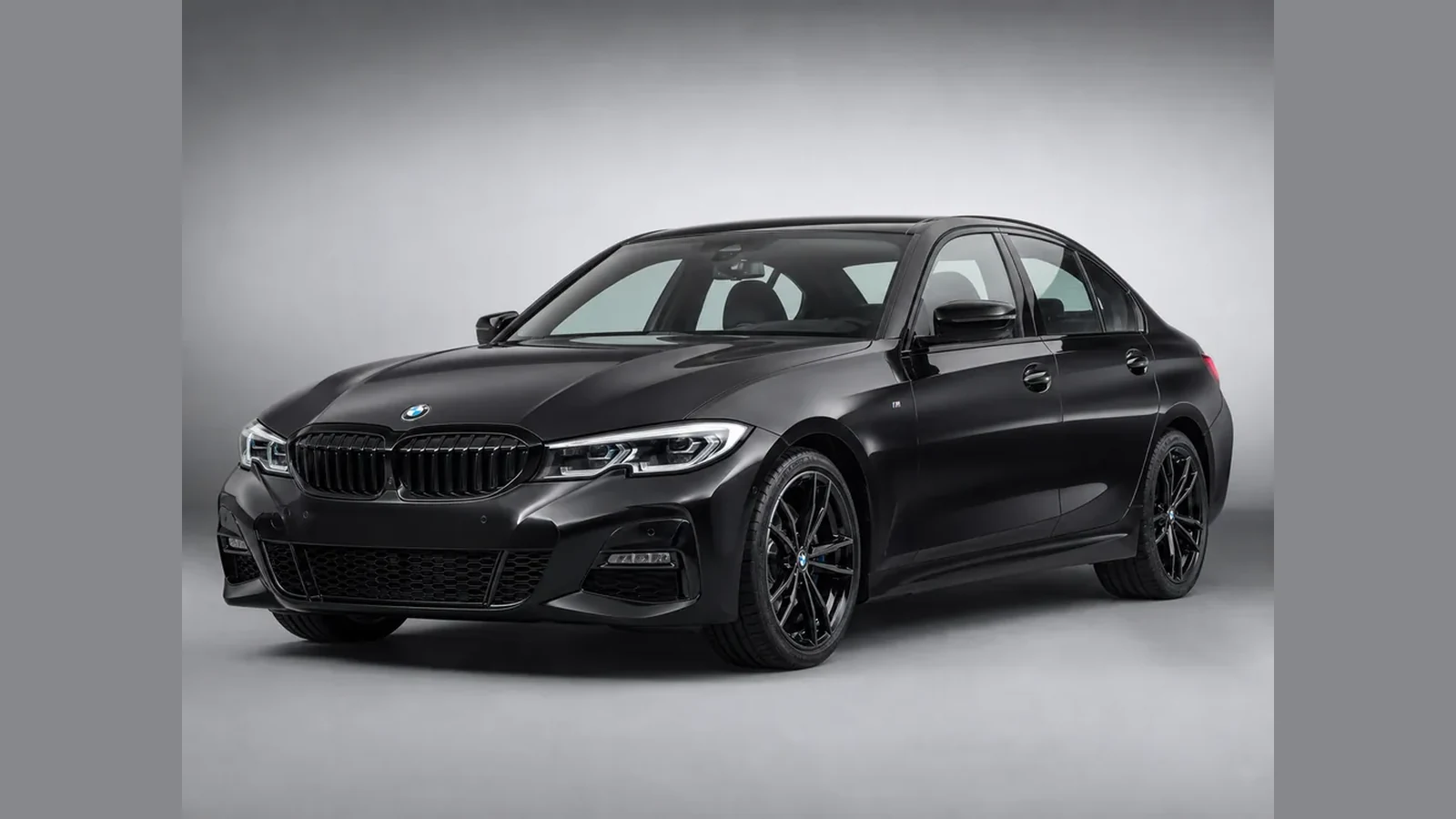
BMW is the brand drivers buy when they want a luxury car that still rewards the person holding the wheel.
For decades the roundel has stood for rear-wheel-drive balance, quick and honest steering, and engines that pull hard and sound good doing it.
The trade is money: a BMW costs more to buy, insure, and service than the mainstream sedan it out-handles.
Here is what the badge gets you, with the one BMW reviewed so far as the worked example, and where a cheaper sporty car might suit you better.
The roundel sells the drive first
BMW built its name as the sport-luxury benchmark, the car other makers are measured against when the subject is how a machine steers, brakes, and holds a corner.
The priorities are set before the styling: near even weight over the front and rear axles, steering that tells you what the tires are doing, and a ride that stays firm without beating you up.
That focus costs BMW some ground elsewhere. Cabins are handsome and well built, but the brand chases the sharpest drive rather than the longest feature list or the lowest price.
If you rank how a car feels through a corner above how many gadgets it lists, BMW belongs on your shortlist.
Cross-shop the wider luxury sedan field before you commit, because the premium here buys handling more than it buys space.
The 3 Series is the brand in one car
The BMW 3 Series is the model that made the reputation, a compact sport-luxury sedan that has defined the class for a generation.
It is the clearest single example of what the badge means: quick, composed, and happiest on a good road.
The range splits into two clear characters. The 330i is the volume car, a four-cylinder turbo that daily-drives calmly and still comes alive when you push it.
The M340i trades up to a stronger six-cylinder for buyers who want real speed.
Both return 26 mpg city and 36 mpg highway on regular commuting, respectable for a car that drives this hard.
| Trim | Character | Best for |
|---|---|---|
| 330i | Balanced daily sport sedan | Most buyers |
| M340i | Quick six-cylinder performance | Drivers chasing speed |
For most people the 330i is the right buy: it carries the handling and the badge without the M340i premium.
Save the step up for buyers who will actually use the extra power.
Rear-wheel drive is the reason it feels right
Most mainstream sedans send power to the front wheels, which keeps costs down and helps in snow. BMW leans the other way.
On rear-wheel-drive trims the front tires only steer while the rears do the driving, which frees the steering from the tug you feel in a front-drive car and lets the 3 Series rotate cleanly into a corner.
The downside is winter traction. A rear-drive 3 Series on all-season tires struggles on snow, so BMW sells its xDrive all-wheel-drive system for buyers in cold states.
If you live where it snows, order xDrive and a set of winter tires rather than fighting a rear-drive car through January.
In milder climates the pure rear-drive setup is the more rewarding choice and it keeps the price down.
What a BMW costs to keep
The sticker is only the start with a BMW.
The running costs sit above what a mainstream sedan asks, and buyers who skip that math get a surprise a few years in.
Pros
- Sharp handling and strong resale on desirable trims
- Turbocharged engines that are quick and refined
- Standard driver aids and a premium cabin
Cons
- Premium fuel is recommended on most engines
- Dealer service and parts cost more than mainstream brands
- Out-of-warranty repairs can run high once complexity adds up
Expect to budget for premium gas, pricier scheduled maintenance, and higher insurance than a comparable Honda or Toyota.
The factory warranty covers the early years, so the real cost question is what happens after it lapses.
Plan to keep a BMW inside its warranty or set aside a repair fund, because the bills climb once the coverage ends.
Who should buy a BMW
A BMW fits the driver who spends real time behind the wheel and notices the difference a good chassis makes.
If your commute has a few corners you look forward to, or you want a luxury sedan that stays engaging on a long trip, the 3 Series earns its keep every day.
It is a weaker fit for a buyer who mostly wants space, the lowest running cost, or a set-and-forget appliance.
Someone who values dependability and cheap upkeep above driving feel is usually happier with a Toyota, which trades the sharpest drive for lower bills and stronger long-term reliability records.
Where a cheaper sporty sedan wins
BMW is not the only path to a fun car.
If you love how a 3 Series drives but the ownership costs give you pause, Mazda builds the closest thing to that feel at a mainstream price.
Its sedans steer with real precision and run on regular gas with normal service bills.
For pure driving joy on a budget, the rear-drive Mazda MX-5 Miata delivers more smiles per dollar than almost anything, though it trades away the back seat and the luxury cabin.
Choose the BMW when you want sport and luxury in one car, and the Mazda when you want most of the fun for thousands less.
Both show up on our most fun-to-drive cars shortlist for good reason.
How we review BMWs
Every BMW profile here is scored on the same measures as its rivals: real fuel economy, handling and performance, reliability history, and five-year cost to own.
We read EPA and NHTSA data alongside long-term reliability records, and a reviewing expert signs off on the buying advice before it goes live.
Start with the 3 Series review for the worked numbers, then weigh it against a mainstream sport sedan to see how much the badge and the drive are worth to you.
Frequently Asked Questions
Is a BMW worth the extra cost over a mainstream sedan?
Which 3 Series should I buy, the 330i or the M340i?
Do I need all-wheel drive on a BMW?
How much does it cost to maintain a BMW?
What is a good cheaper alternative to a BMW 3 Series?
See how BMW stacks up
Put these models against their rivals side by side, then read the full research-first review before you buy.
Compare cars