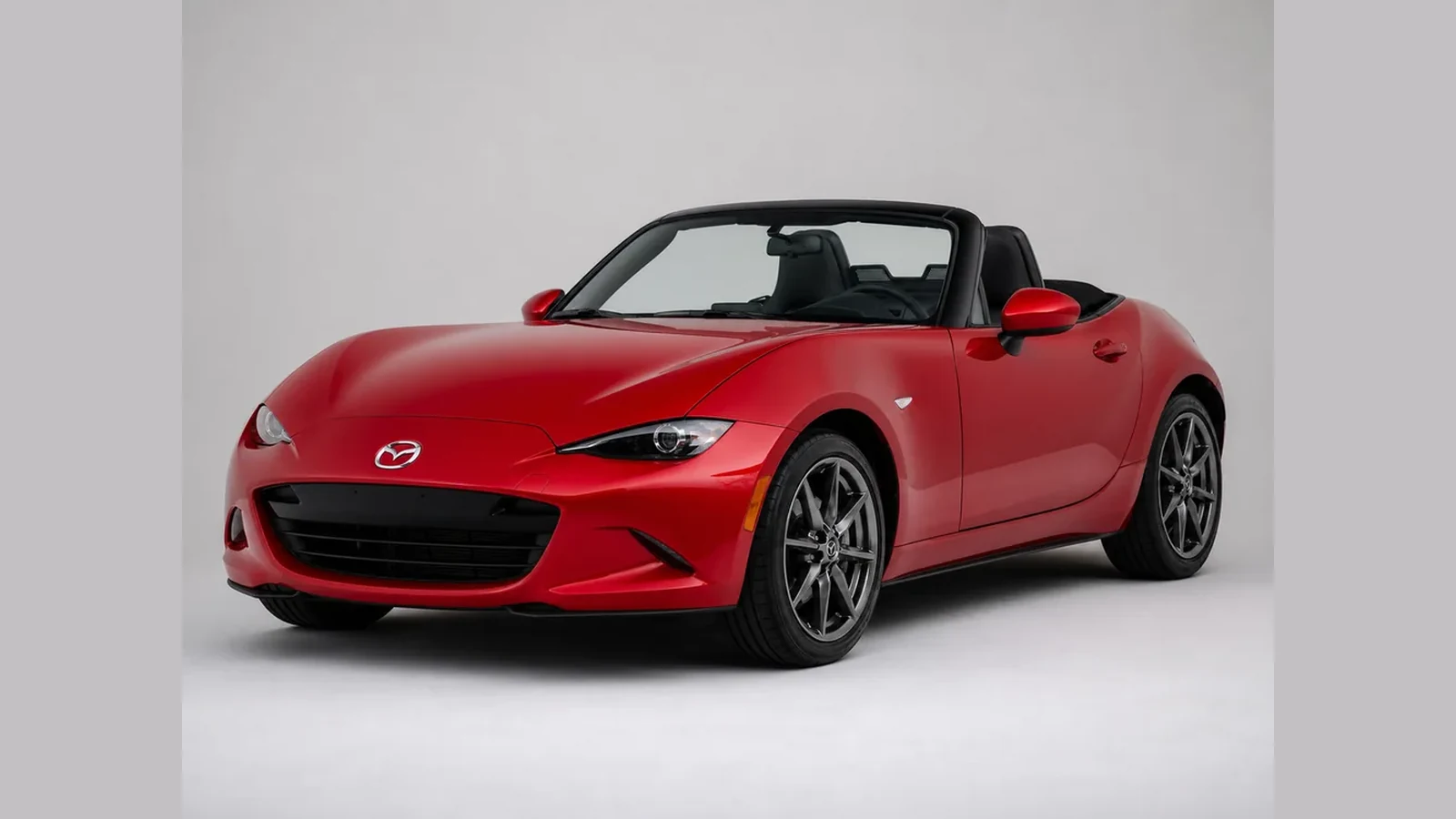
Is a Miata actually fun, or just slow?
The first question every Miata shopper asks is whether 181 horsepower can really be fun. It can, and the reason is weight.
The car tips the scales at about 2,341 pounds, so the small engine never has much to push. That low weight is the whole trick.
It makes the Miata feel quick on real roads even when the spec sheet looks modest.
We rank it at the top of the best fun-to-drive cars because it gives you more driving joy per dollar than anything else on sale.
You feel the balance more than the power. The car rotates gently into a corner and talks back through the steering, so you sense the weight shift without needing track speeds.
That is why you should test a Miata differently from a fast coupe. Do not judge it by a 0 to 60 number alone.
Drive a rough street, a tight ramp, a slow neighborhood, and a short stretch of highway.
If the small size makes you grin on those roads, the car is doing its job.
Good tires matter as much as the drive. A cheap tire dulls the steering more than any small power change ever could, so the Miata rewards proper rubber.
Think of it as the car to buy when you want steering feel, a manual gearbox, a low curb weight, and a roof you can drop without turning every drive into a speed contest.
That mix is why the Miata keeps winning buyers who have already owned faster cars.
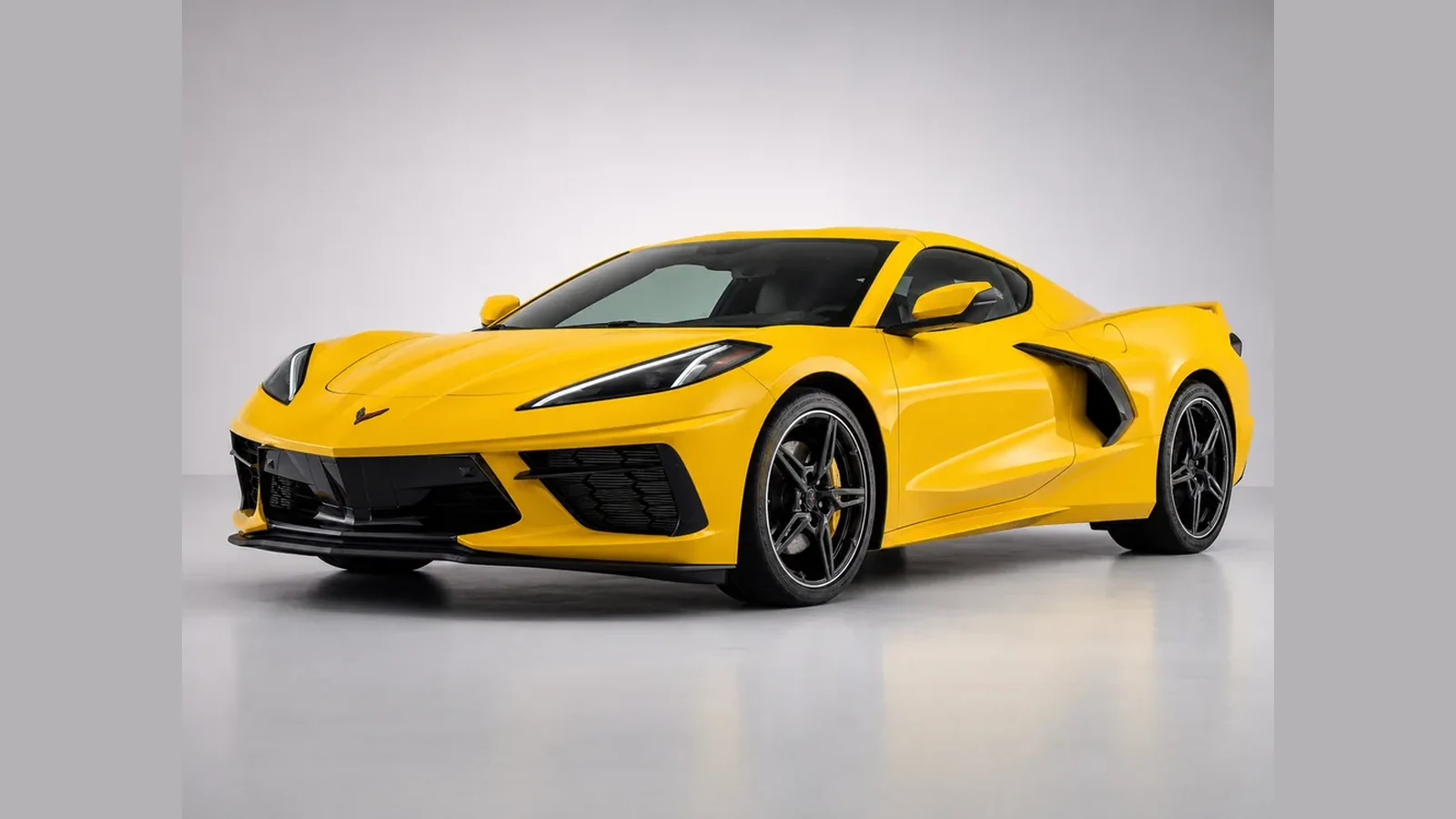
A Chevrolet Corvette is the bigger step when raw speed matters more than simplicity. The Miata plays a different game and lets you use more of the car more often.
If you are coming from a Honda Civic, the Miata feels more alive and less useful within the same five minutes.
Prices start near $29,000 and top out around $37,000, which keeps that feeling within reach.
Soft top or RF hardtop: settle the roof first
Before you argue about trim or color, settle the roof. It shapes how the car sounds, weighs, and drives every single day.
The soft top is the lightest and cheapest option, and you can flip it by hand in a few seconds.
It keeps the car simple and closest to the classic roadster feel.
The RF hardtop adds a retractable roof panel that feels quieter and more secure.
It costs more up front, adds weight, and still lets in more wind noise than a fixed-roof coupe.
| Roof | Best reason to pick it | The tradeoff |
|---|---|---|
| Soft top | Lightest, cheapest, fastest to drop | More wind and road noise |
| RF hardtop | Quieter and more secure | Heavier and pricier |
The soft top works best for drivers who will actually drop it often. If your climate, parking, or security worries keep the roof up all year, the RF earns its price.
A used soft top needs a real look because water leaks and worn seals quietly raise the ownership cost.
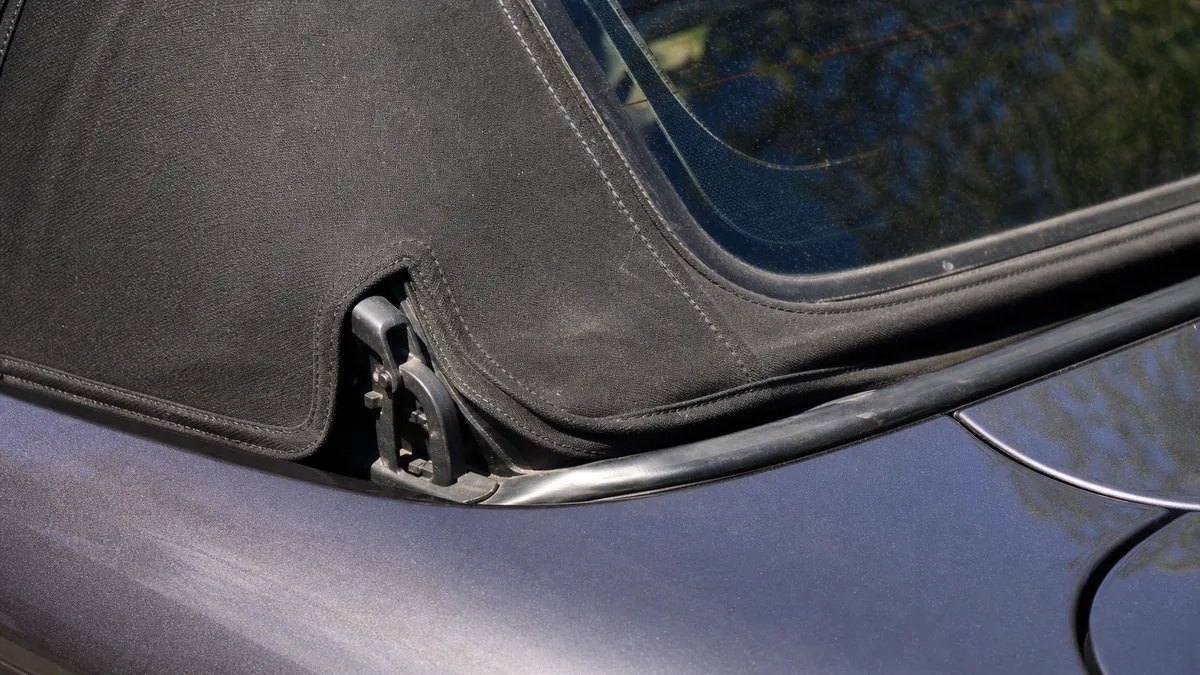
Choose the soft top for the purest version of the car, and the RF only when security or all-season use matters more.
The Miata sits in the convertible cars lane, but it does not behave like a heavy cruiser. It is closer to a tiny rear-drive sports tool with a roof that disappears.
Superb handling and open-air fun are the two things every version keeps, so pick the roof that lets you enjoy them most often.
If a fixed roof suits your life better, a small sports coupe removes the wind noise and the fabric upkeep, though you give up open-air driving to get there.
Manual or automatic changes the whole car
The gearbox decision matters more on a Miata than on almost any other car you can buy. It changes what the car is for.
The 6-speed manual is the version we recommend because the shifter is part of the personality.
It is short, mechanical, and easy to place, so it gives you something to remember after the drive.
The 6-speed automatic is not a bad transmission. It makes stop-and-go traffic easier, but it removes one of the main reasons people fall for this car.
The manual is also one of the best on sale, which is why enthusiasts treat it as the default rather than a niche pick.
Check the clutch weight and second-gear feel when the car is cold, because a worn clutch is the one manual issue worth walking away from.
Gearbox picks
- Manual
- The enthusiast choice, best clutch and shifter feel
- Automatic
- Easier daily driving, less special to own
- Test in traffic
- Check clutch weight and second-gear feel when cold
Buy the manual if you want the full experience and your commute can live with a clutch.
Buy the automatic only when it solves a real daily problem, like heavy traffic or a bad knee.
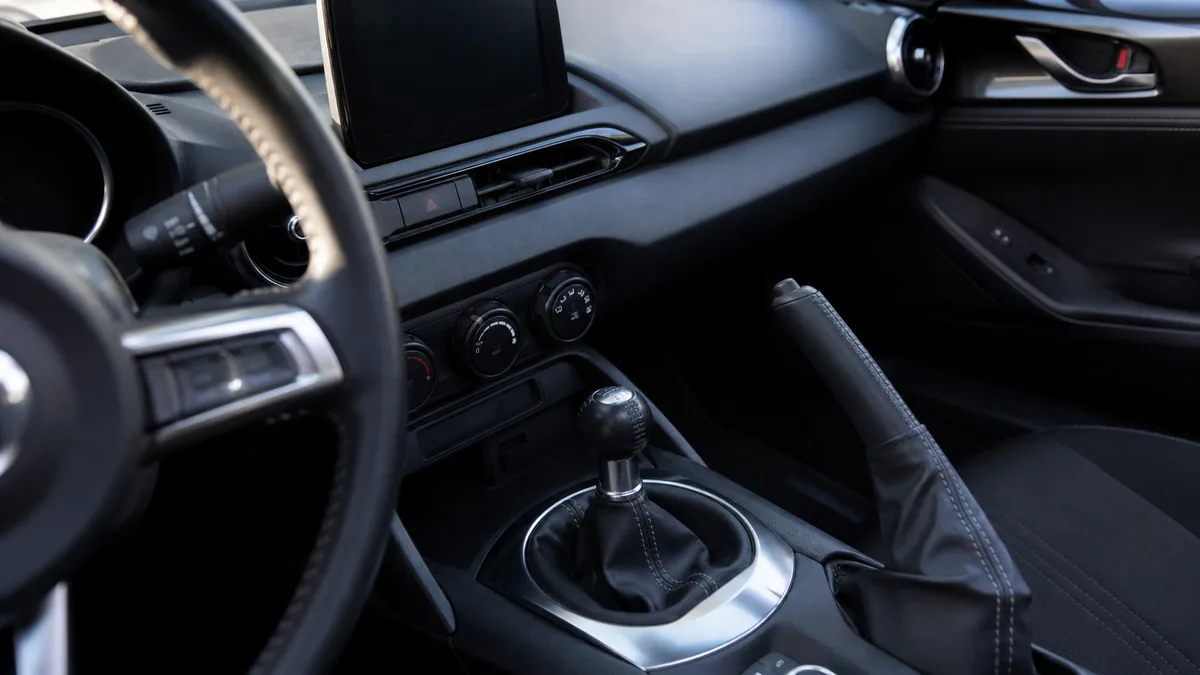
The manual also pairs with the car's rear-wheel drive layout to teach smooth inputs.
You feel the clutch, throttle, and weight transfer work together, which is why some drivers pick a Miata after owning faster cars.
If you have never owned a manual sports car, this is one of the friendliest ways to learn one.
Living with two seats and a 4.6 cubic foot trunk
The Miata asks you to accept two seats and a 4.6 cubic foot trunk before you buy. That space holds a weekend bag, not a family run.
Short trips are where the car shines. A 15-minute errand can feel like a drive instead of a chore.
Long interstate days are less convincing. Wind noise, storage limits, and the narrow cabin all grow more obvious the longer you sit in them.
Cabin fit is part of the answer, not a footnote.
Tall or broad-shouldered drivers should sit with the top up, slide the seat fully back, and check knee, elbow, and shoulder room before falling for the idea of the car.
A Miata that fits your body stays charming, while one that does not becomes tiring fast.
Winter use is the weak spot, so plan for storage or a second car if you live where snow stays for months.
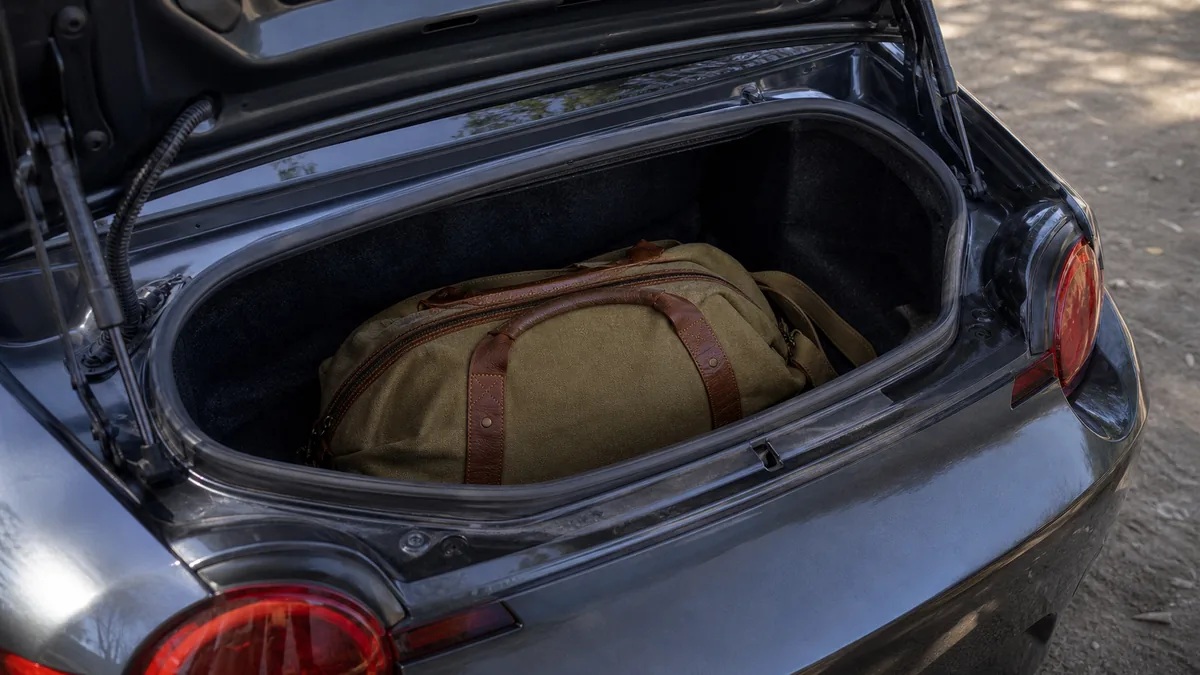
Run one honest test if this will be your only car. Put your grocery bag, work bag, gym bag, and weekend bag next to the trunk and see what actually fits.
The Miata lives in the 2-seater category, which is full of compromises that look romantic online and feel annoying in daily life.
This one is easier than most because it parks simply, sees out well, and costs little to fuel.
The Miata works as an only car only when you buy the smallness on purpose.
It also lands in the performance price tier, where most rivals ask for more money and more running cost to deliver the same grin.
Reliability and the generation worth buying
Reliability is the quiet reason the Miata makes sense. Mazda kept the formula simple, so there are no widespread failures to fear.
The engine is naturally aspirated, the car is light, and the parts are not fighting huge torque or turbo heat. That gives it a lower-stress ownership profile than most performance cars.
- 1989 to 1997NA generation set the lightweight roadster formula
- 1999 to 2005NB kept the small shape and simple feel
- 2006 to 2015NC grew heavier but added daily comfort
- 2016 to presentND returned to a lighter, sharper roadster
The current ND generation has the clearest buyer case. It combines modern safety, strong economy, and the old-school lightweight feel in one car.
Early ND cars used a 155 hp engine and are still enjoyable. Later cars moved to the 181 hp unit and feel stronger above city speeds.
Strong reliability should make you more selective, not careless. Buy the cleanest ND with boring service records rather than the lowest-mile car with an unknown past.
A low-mile car can still be worse than a higher-mile one if it sat outside, leaked water, or ran hard track days without service.
For long-term ownership, check oil-change history, coolant records, brake fluid, tire age, and any sign of water leaks before you commit.
A garaged Miata with boring records is worth paying for, because condition tells you far more than the odometer.
It is a genuine Mazda underneath, so it stays cheap to run in a way most sports cars never manage.
A few boring items protect the fun, so keep them on schedule.
- Oil changes at the recommended interval
- Brake fluid and coolant
- Differential fluid
- Tire age, tread, and pressure
If you do basic care yourself, the rhythm is close to our engine-oil how-to, even when a shop does the work.
Tire pressure deserves more attention than most owners give it.
A light car reacts to a few pounds, so use a real gauge and follow the door placard, the same habit we cover in our tire-pressure checklist.
The Miata is the most concentrated version of the way Mazda tunes its cars, which is why it sits near the top of any fun-to-drive shortlist.
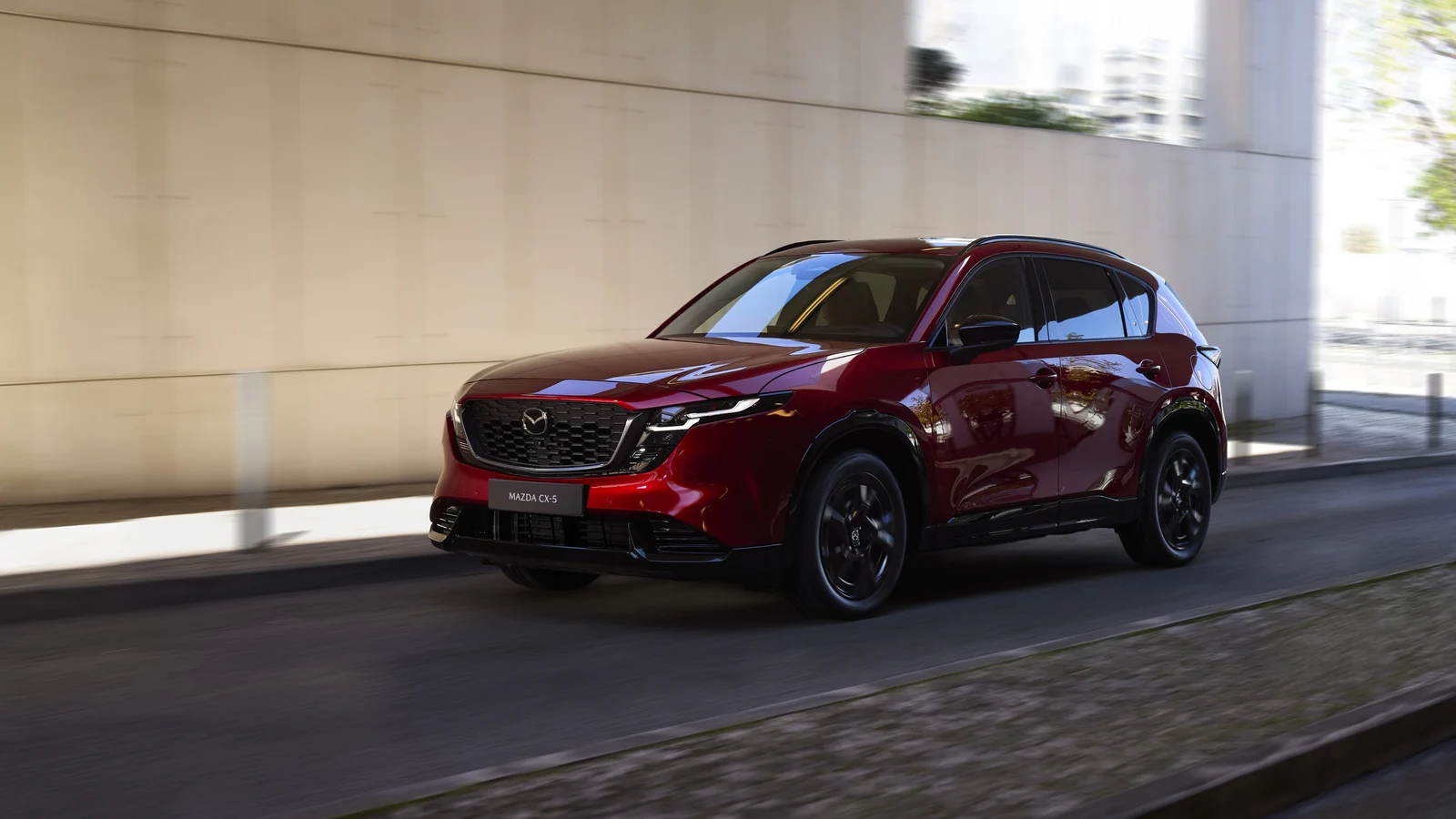
A roomier Mazda CX-5 shares that steering care if you later need doors and cargo without leaving the brand.
What a Miata really costs to run
A Miata stays cheap to own for a sports car because it does not demand supercar consumables.
Fuel use is reasonable, the tires are modest, the brakes are small, and parts support runs deep.
Insurance is the number to quote before you buy. Some owners get normal compact-car pricing, while others pay more because of age, location, record, or convertible risk.
| Cost item | Why it stays low | What can raise it |
|---|---|---|
| Fuel | Small engine and light weight | Hard driving every day |
| Tires | Smaller sizes than many sports cars | Sticky summer tires and poor alignment |
| Brakes | A light car is easy on pads | Track days and cheap parts |
| Insurance | Low power helps the quote | Young drivers or dense cities |
| Soft top | Simple design | Tears, seals, and water leaks |
Fuel stays easy at 26 mpg city and 34 mpg highway, though some years ask for premium, which nudges the yearly number up a little.
Depreciation is friendly too.
Clean manual cars tend to hold value because the buyer pool is loyal and the formula is rare, so pay for condition and records rather than the cheapest listing.
The real hidden cost is adaptation.
You may add a second set of tires, a wind blocker, a better phone mount, or winter storage, and those are signs the car is specialized rather than faulty.
If you plan to daily-drive the car, budget for comfort fixes only after living with it for a while.
Some owners add luggage racks, wind blockers, or audio upgrades right away, then learn the stock car was fine, so drive it for a month before you spend on accessories.
Its efficiency comes from low weight, not a battery.
If you are weighing it against hybrids or EVs in the gas powertrain group, remember that a small engine and modest tires do the work here.
The cheapest Miata to own is a clean one that needs no immediate roof, tire, brake, or clutch rescue.
Leasing usually makes less sense than buying because many owners keep these cars for years and care about condition.
If a short term still tempts you, run the mileage and residual math in our lease versus buy guide before you sign.
Inspecting a used Miata before you buy
A used Miata rarely hides one catastrophic flaw. The job is checking whether the car stayed dry, straight, stock enough, and well serviced.
Most of what goes wrong is small-car, convertible, or previous-owner trouble.
- Some wind noise with the soft top up
- Limited cabin storage on longer trips
- Worn soft-top seals and cloudy rear glass on neglected cars
None of those are engine-killers, but they tell you how the car was treated. Now walk through the real inspection.
- Check the soft top for tears, worn seals, and water stains behind the seats
- Look for uneven tire wear, bent wheels, and cheap suspension parts
- Test clutch engagement and second-gear shift feel, plus any cold grinding
- Inspect the trunk, footwells, and seat rails for water signs
- On modified cars, ask who installed the parts and why
Track use is not automatically bad. A car with quality parts, fluid changes, and a careful owner can be healthier than a neglected garage queen.
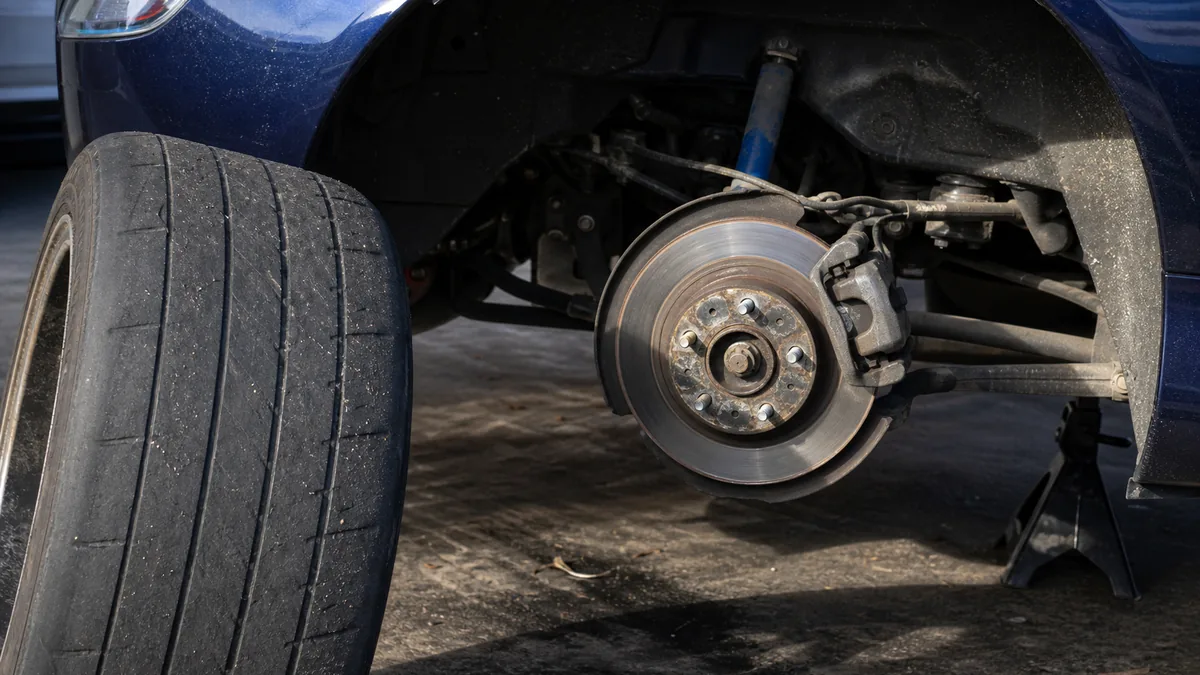
Rust matters more on older NA and NB cars, especially around rocker panels, wheel arches, and underside seams. If you see bubbling paint, inspect deeper before you talk price.
Modified cars are not off-limits, but a cheap build with mystery coilovers, mismatched tires, and no records is the real risk.
Small cabin wear reveals owner habits too, so look at worn seat bolsters, broken trim clips, sticky switches, and dirty top drains.
New versus used is a bigger decision here than the price gap suggests.
A new car gives warranty and known history, while a used one saves money and opens older generations at the cost of more inspection work.
A new example also carries a 3-year, 36,000-mile warranty, one more reason a documented car can beat a mystery bargain.
Pay a little more for a clean, documented car instead of restoring a tired one invoice by invoice.
Weigh that trade in our new versus used guide before you chase the cheapest manual car nearby.
Who should buy a Miata, and who should skip it
The Miata fits drivers who want involvement more than image.
You notice steering weight, shifter feel, seat position, and tire grip, and you care about them more than a big screen or a loud launch.
It also suits a buyer who wants lower risk than an older German sports car. The Miata is usually simpler to inspect and cheaper to refresh than the alternatives.
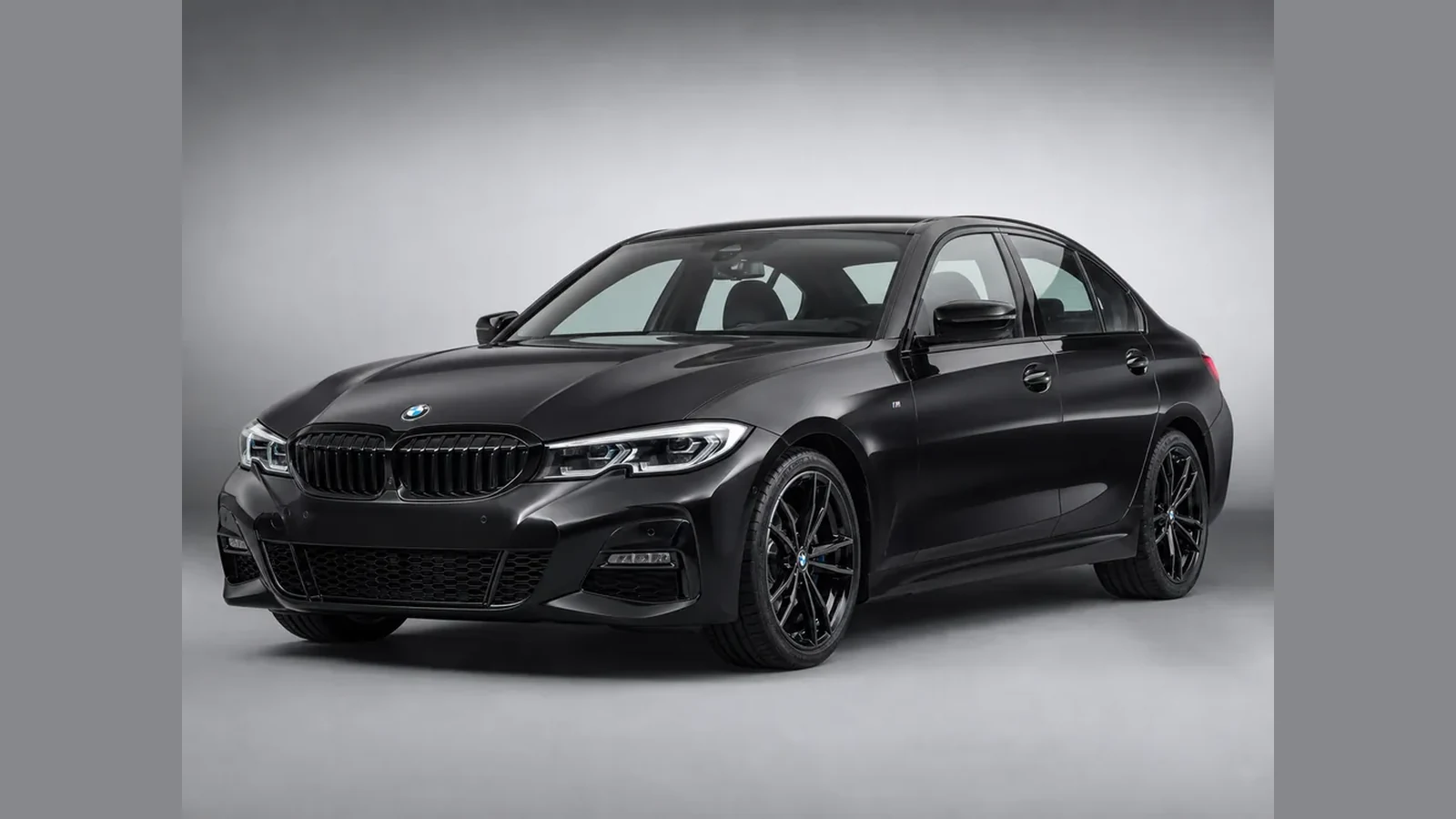
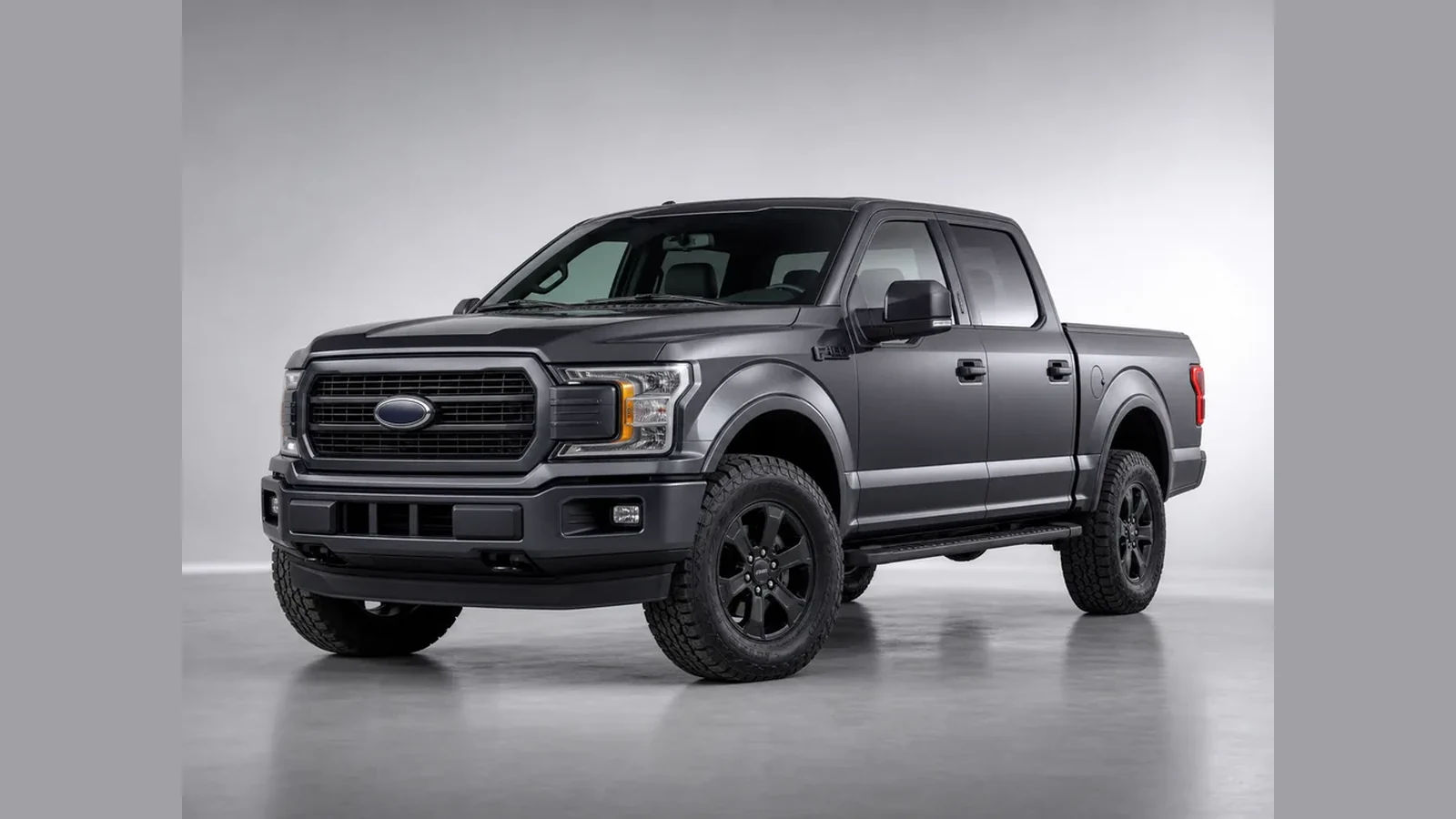
A used BMW 3 Series gives more space and more highway polish, so it is the better fun daily when back seats matter. The Miata trades that flexibility for lightness and feel.
The Miata is also a smart teaching car. It rewards smooth inputs and makes bad habits obvious without huge power under your right foot.
A small roadster is a choice, not a hedge, so it does not pretend to be a family car or chase huge horsepower.
If you may soon need child seats, regular airport runs, or winter mountain trips, make the Miata a second car or a delayed purchase.
It stays the best affordable driver's car because it is honest about the narrow job it does well.
Buy the manual soft-top ND if your budget allows it, and choose the RF only when security or all-season use wins.
Buy the automatic only when it fixes a real daily problem.
Skip the car if you already know two seats will frustrate you. That is the core tradeoff, and no amount of enthusiasm fixes it.
The Miata is the right answer when you want the drive itself, not the bragging rights around it.
The final test is simple.
If the car makes a normal road worth taking, the small trunk, road noise, and tight cabin become fair trades, and if it does not, those same traits turn into daily irritations.