
Coupes
Coupes are built for style and driving feel. Browse our reviewed coupes and sports cars from bargains to exotics.
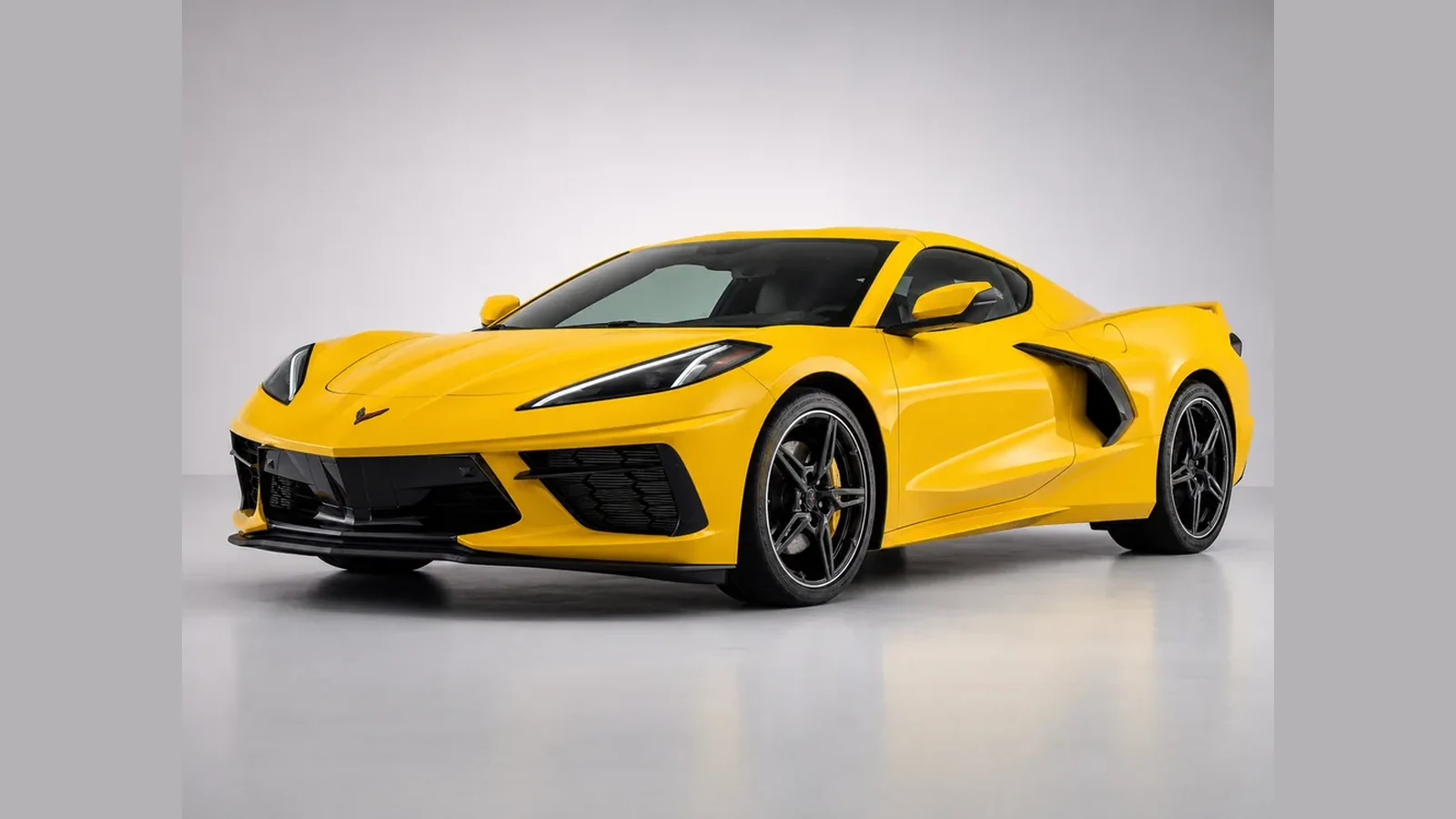
A coupe is the car you buy because you want to, not because the school run demands it.
It trades back-seat room and easy access for a lower roof, a tighter shape, and a driving feel most family cars never chase.
The badge covers everything from an affordable two-door to a six-figure sports car, so the real question is how much practicality you are willing to give up for the way a coupe looks and drives.
What makes a car a coupe
A coupe is a two-door car with a fixed roof and a sloping rear, built around the front seats rather than the rear ones.
The low roofline that gives it that planted stance also eats into rear headroom, so the back seats, when a coupe has them at all, tend to be tight and awkward to reach past the long front doors.
That shape is the whole point. A coupe sits lower and often wider than the sedan it shares parts with, which sharpens both its looks and its handling.
You are buying a coupe for style and driving feel first, and accepting less space and access as the price.
The strictest coupes drop the rear seats entirely and become two-seaters, which frees the design to sit even lower and lighter. That is where the sports car lives.
Who a coupe is really for
A coupe suits a driver whose car does not have to do everything.
If you rarely carry more than one passenger and you notice how a car steers, the coupe rewards you in a way a tall crossover cannot.
If you regularly haul kids, gear, or a third and fourth adult, it will frustrate you every week.
Pros
- Lower, sharper handling than the sedan it is based on
- Distinctive styling that holds attention and often resale
- A cabin built around the driver, not the rear bench
Cons
- Tight or nonexistent back seat and a small trunk
- Long doors that need room to open in tight parking
- Usually costs more to buy and insure than a comparable sedan
Most coupe buyers already own or share a second, more practical car. That is the honest way to run one.
Browse the best fun-to-drive cars if the drive is what you are shopping for, and treat rear space as a bonus rather than a requirement.
The Corvette as a performance coupe
The Chevrolet Corvette is the clearest example of what a coupe becomes when driving feel is the entire brief.
It is a two-seat, mid-engine car with a gas V8 mounted behind the cabin, a layout once reserved for exotics that cost several times as much.
Putting the V8 in the middle balances the car's weight over both axles, which is why the Corvette turns and brakes with the poise of cars wearing far more expensive badges.
The trade is everything a mid-engine two-seater gives up: two seats only, a split trunk you pack around the engine, and 16 mpg in the city when you use the power.
The Corvette proves the coupe bargain at its extreme, world-class handling in exchange for almost no practicality.
At a starting price near $68,000 climbing past $115,000 loaded, it also shows how far a performance coupe sits above the everyday two-door.
For that money you are paying for the driving, not the space.
Rear-wheel drive and the way a coupe feels
Most performance coupes, the Corvette included, send power to the back wheels.
Rear-wheel drive lets the front tires focus on steering while the rears handle putting the power down, which is a large part of why a good coupe feels balanced and alert in a way front-drive cars rarely match.
The cost is traction in snow and rain, where rear drive needs a careful right foot and proper tires.
This is another reason a coupe works best as a second car in a climate with real winters, rather than the one vehicle that has to start every cold morning.
Coupe, convertible, or two-seat roadster
The coupe sits in a small family of driver-first body styles, and the differences come down to the roof and the seat count.
The table below sorts them by what you give up and get back.
| Body style | Roof | Seats | Best for |
|---|---|---|---|
| Coupe | Fixed, fixed rear glass | 2 or 2 plus 2 | Sharp looks with a solid, quiet structure |
| Convertible | Folding soft or hard top | 2 or 2 plus 2 | Open-air driving on clear days |
| Two-seater | Fixed or folding | 2 only | The lowest, lightest, purest sports car |
If open-air driving is the draw, cross-shop the convertible category, which trades some structural stiffness and trunk space for a dropping roof.
If it is pure lightness and focus you want, the two-seater category covers cars like the Corvette that drop the back seat entirely.
Many buyers who start on a coupe end up choosing between these three shapes.
What a coupe costs to run
A coupe usually costs more than the sedan beneath it in three places: purchase price, insurance, and fuel.
Insurers price two-door performance cars higher because they are driven harder and cost more to repair, and a strong engine rarely returns strong economy.
The Corvette's 16 mpg city figure is the honest cost of a V8 you enjoy.
Against that, a well-chosen coupe can hold its value, especially an iconic one with a waiting list.
Run the coupe as a want, not a value play, and check insurance quotes before you buy, because they surprise people more than the sticker does.
If a monthly payment is the deciding factor, weigh a purchase against a lease using our lease versus buy guide.
How we review the coupes here
Every coupe profile on this page is scored on the same measures as the rest of the site: real fuel economy, driving feel, reliability history, and five-year cost to own.
We read EPA mileage figures and NHTSA safety data alongside long-term reliability records, and a reviewing expert signs off on the buying advice before it goes live.
Start with the Corvette profile for the worked example of a performance two-door, or widen the search to the best fun-to-drive cars to see where a coupe fits against everything else that is enjoyable to drive.
Frequently Asked Questions
What is the difference between a coupe and a sedan?
Is a coupe practical as an only car?
Why is the Corvette a two-seater?
Are coupes expensive to insure?
Should I choose a coupe or a convertible?
Compare before you commit
Line up two cars you are cross-shopping side by side, then read the full research-first review before you buy.
Compare cars