2-Seater Cars
Two-seat cars trade back seats for style, handling, or pure driving fun. Browse our reviewed two-seaters, from an affordable roadster to a mid-engine sports car.
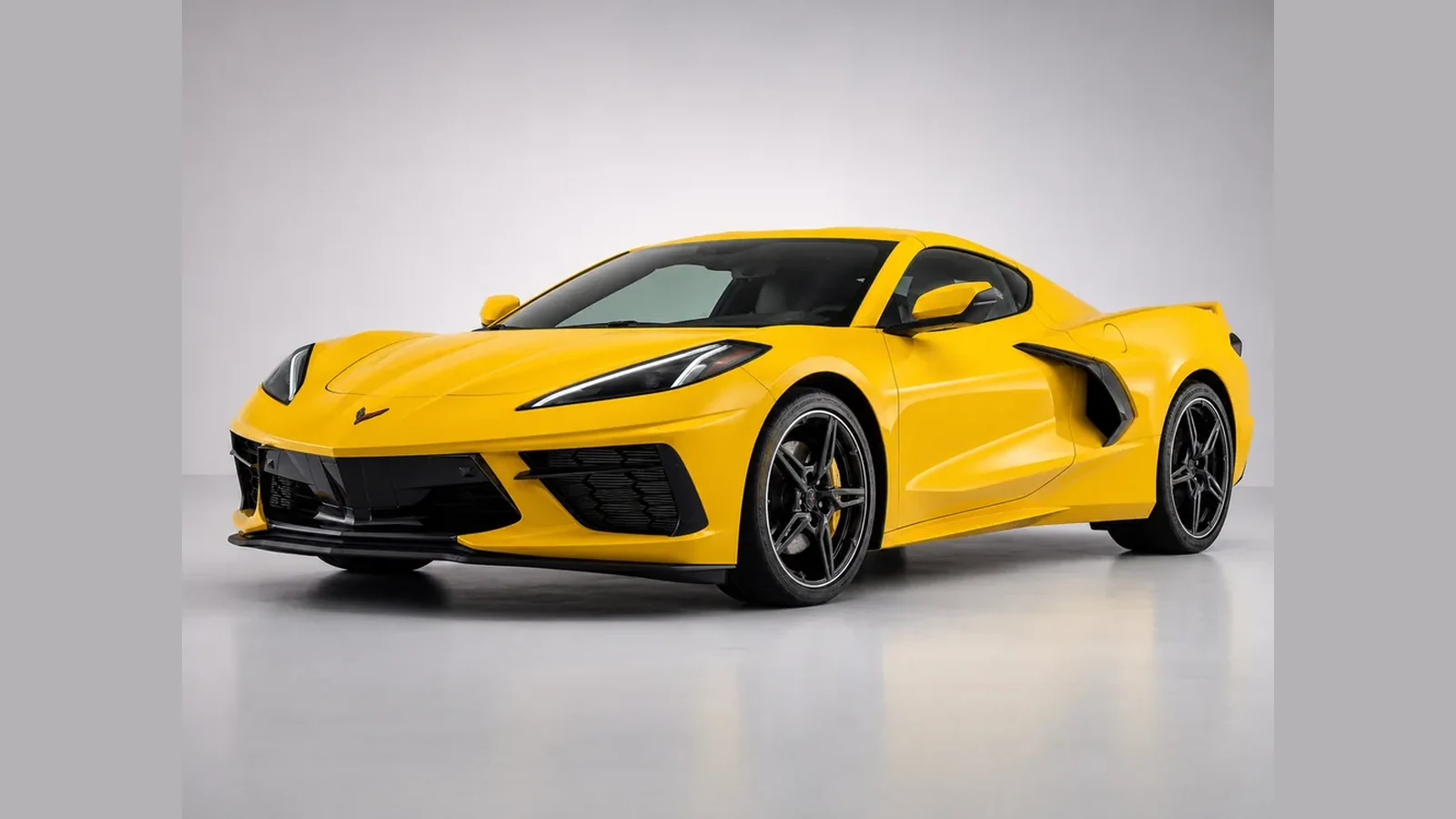
Chevrolet Corvette
Chevrolet · $68,000 - $115,000The Chevrolet Corvette is a genuine supercar bargain: a mid-engine V8 that hits 60 mph in under 3 seconds for…
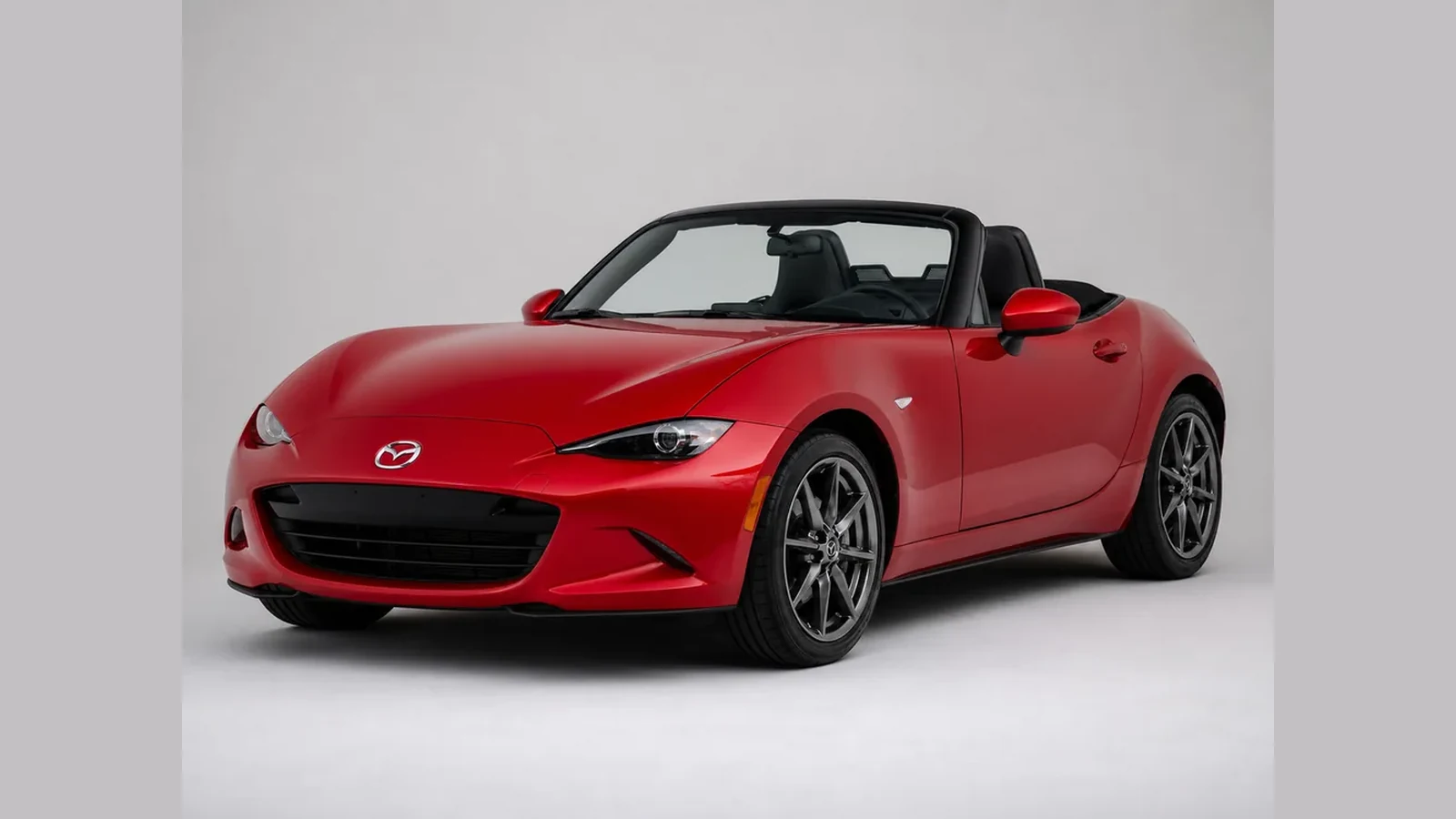
Mazda MX-5 Miata
Mazda · $29,000 - $37,000The Mazda MX-5 Miata is the best-value driver's car you can buy: light, balanced, and endlessly fun, with a…
A two-seat car is the one you buy because you want to, not because the school run makes you.
It holds you, one passenger, and a weekend bag, and in return it sits you low, close to the road, and closer to the machine than any family car can.
The two-seaters here stretch from a $29,000 roadster to a six-figure sports car, so the seat count is the only thing they truly share.
Here is how to pick one and how to live with it.
Who a two-seat car is really for
Almost nobody buys a two-seater as their only car, and that is the honest starting point.
With no back seat and a small trunk, it cannot do the airport pickup, the car-seat years, or the big grocery run.
What it does instead is make an ordinary drive feel like an event.
That makes it a second car or a weekend car for most owners: something to enjoy on a clear Sunday road while a sedan or SUV handles the weekday grind.
Buy a two-seater for the driving, not the errands, and judge it on how it feels through a corner rather than how much it swallows.
If cargo and passengers matter at all, a 5-seater will serve you better every day of the week.
The gulf from roadster to supercar
No other body style spreads this far on price and pace. At one end sits the Mazda MX-5 Miata, a light, simple roadster.
At the other sits the Chevrolet Corvette, a mid-engine sports car that runs with cars costing twice as much.
The Mazda MX-5 Miata makes about 181 horsepower and weighs less than 2,400 pounds, so it feels quick without being fast, and it rewards a smooth driver more than a brave one.
The Chevrolet Corvette starts near 495 horsepower and reaches 60 mph in under three seconds, which is genuine supercar pace for the money.
The MX-5 sells joy at low speed, the Corvette sells serious performance, and knowing which one you actually want saves you tens of thousands of dollars.
The roof sets the character
With two seats, the roof is not a detail. It shapes the whole car.
The MX-5 is a convertible first, built around a cloth top you can drop in seconds from the driver's seat, and open-air driving is most of its appeal.
The Corvette gives you the choice. As a fixed-roof coupe it is stiffer and a touch lighter, and its removable roof panel still lets some sky in.
As a retractable hardtop convertible it trades a little weight for full open-top driving.
Decide up front whether you want the top down as the main event or the quiet, planted feel of a closed cabin, because that choice narrows the field fast.
Rear-wheel drive is the point
Both of these cars send power to the back wheels, and that is on purpose.
Rear-wheel drive lets the front tires handle steering while the rears handle power, which is why a well-sorted sports car turns and balances the way it does.
The trade is that rear drive asks more of you in rain and snow, and neither car is built for a hard winter.
Proper tires matter more here than in almost any other class.
If you drive one year-round in a cold state, budget for a second set of winter tires and expect to leave it parked on the worst days.
Living with a two-seater day to day
The running costs split as widely as the sticker prices.
The MX-5 sips regular gas, returns well over 30 mpg on the highway, and costs about as much to insure and service as a normal compact, which is why it is the rare sports car you can run without wincing.
The Corvette is the opposite kind of ownership. Insurance, tires, and fuel all climb with the performance, and a mid-engine layout means two small trunks instead of one usable one.
Both cars carry roughly a carry-on and a soft bag, so a two-seater works as a daily driver only if your daily needs are small.
| Model | Roughly | Best for |
|---|---|---|
| Mazda MX-5 Miata | $29,000 to $37,000 | Affordable weekend fun, easy to run |
| Chevrolet Corvette | $68,000 to $115,000 | Supercar pace for the money |
Which two-seater fits you
Start with the money and the mission, not the badge.
If you want the most smiles for the least outlay and a car you can enjoy at legal speeds, the MX-5 is one of the most fun-to-drive cars at any price.
If you want real straight-line speed and track-ready grip, and the budget stretches to it, the Corvette delivers performance that used to cost six figures more.
Match the car to the road you actually drive: back-road corners reward the light MX-5, while open track days and long fast highways reward the Corvette's power.
Neither is a wrong answer. They simply answer different questions.
Buyers drawn to open-top driving in general should also browse the wider convertible lineup before deciding.
How we rank these
Every two-seater profile here is scored on the same measures: real fuel economy, driving feel, reliability history, and five-year cost to own.
We read EPA fuel figures and NHTSA safety data alongside long-term reliability records, and a reviewing expert signs off on the buying advice before it goes live.
Sports cars get judged on more than lap times, so we weigh what a car is like to own and insure, not just how it performs on a perfect day.
Start with the model that matches your budget above, or read our best fun-to-drive cars list to see how these two stack up against the wider field.
Frequently Asked Questions
Can you use a two-seater as your only car?
What is the cheapest two-seat sports car worth buying?
How much faster is a Corvette than a Miata?
Are two-seat cars practical in winter?
Coupe or convertible for a two-seater?
Compare before you commit
Line up two cars you are cross-shopping side by side, then read the full research-first review before you buy.
Compare cars