Rear-Wheel-Drive Cars
Rear-wheel drive puts the driven wheels at the back for balance and towing strength. Browse our reviewed rear-wheel-drive cars, from sports cars to trucks.
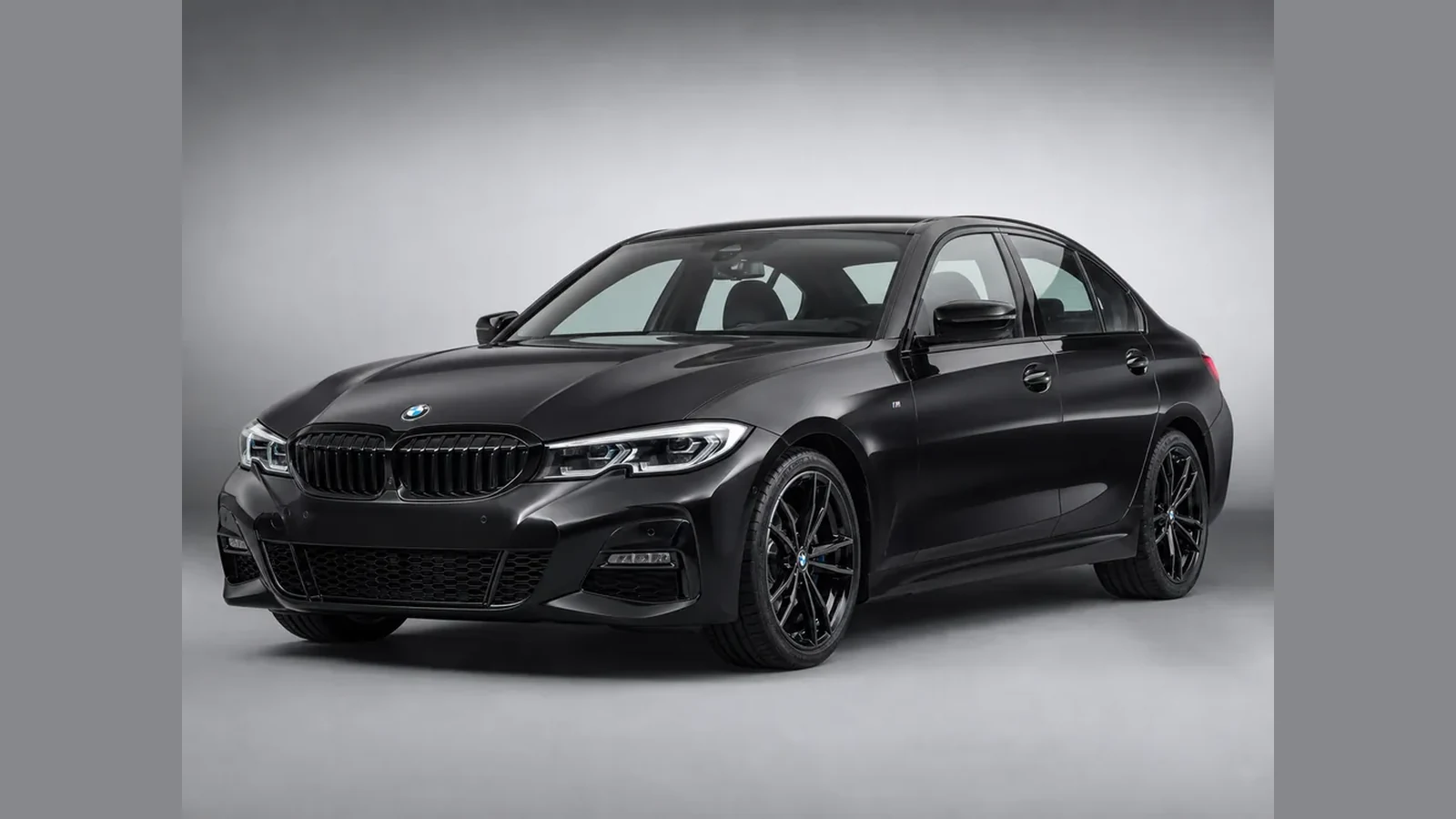
BMW 3 Series
BMW · $45,000 - $60,000The BMW 3 Series is the benchmark sport-luxury sedan: sharp handling, strong turbo engines, and a premium…
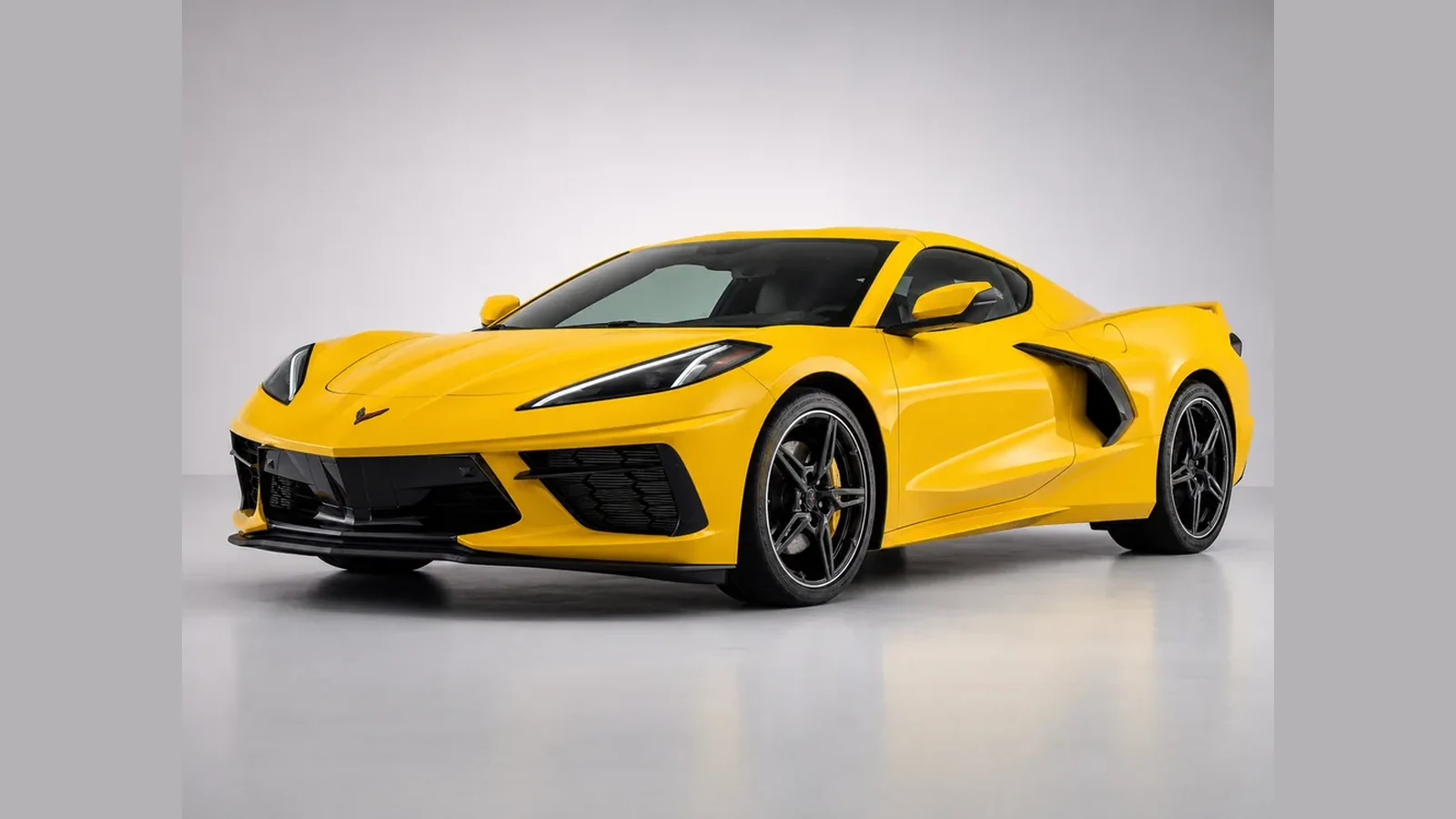
Chevrolet Corvette
Chevrolet · $68,000 - $115,000The Chevrolet Corvette is a genuine supercar bargain: a mid-engine V8 that hits 60 mph in under 3 seconds for…
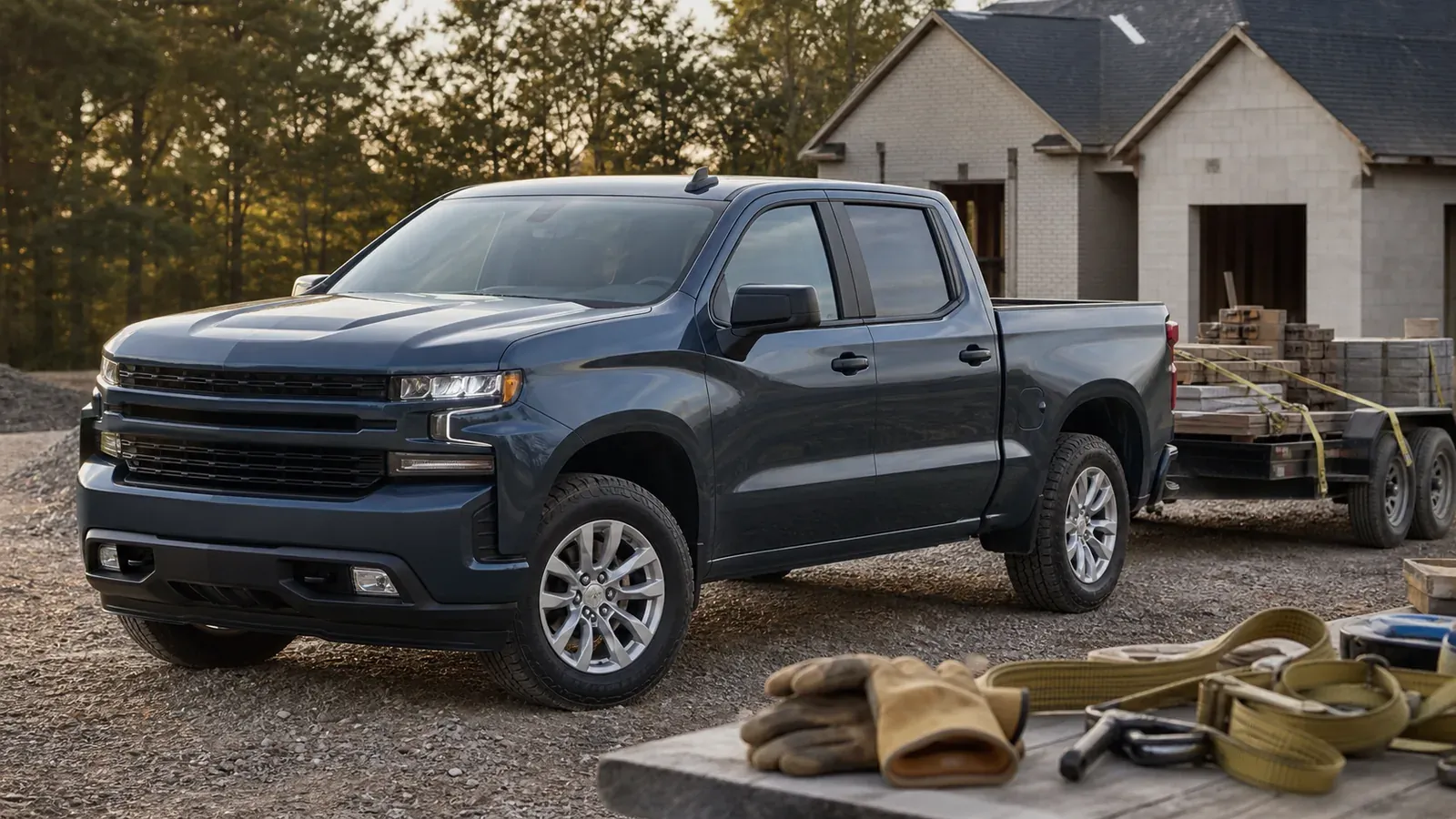
Chevrolet Silverado 1500
Chevrolet · $38,000 - $73,000The Chevrolet Silverado 1500 is a full-size truck for buyers who need real towing, payload, bed space, or…
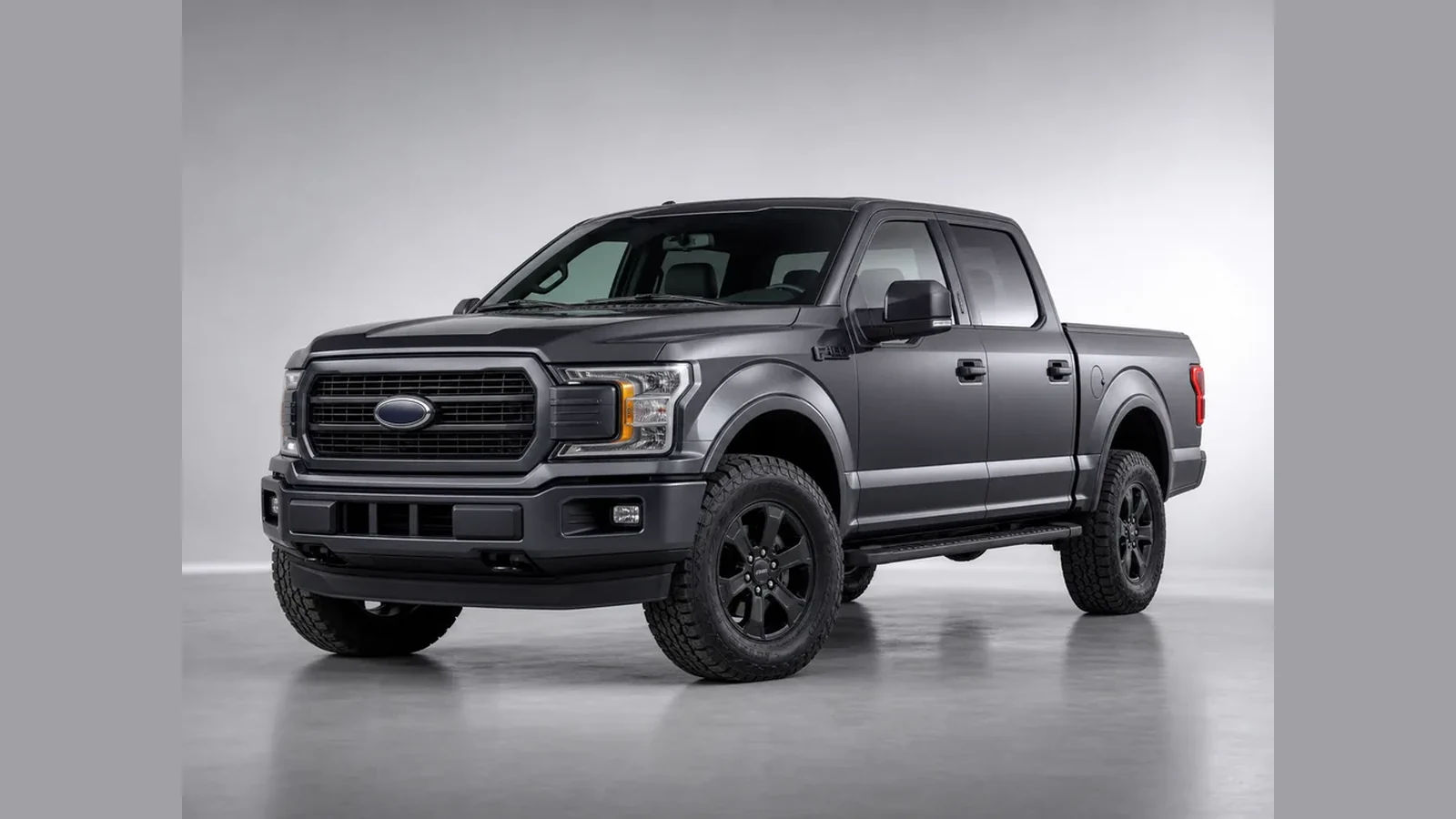
Ford F-150
Ford · $38,000 - $80,000The Ford F-150 is America's best-selling vehicle for good reason: a wide engine lineup, class-leading towing…
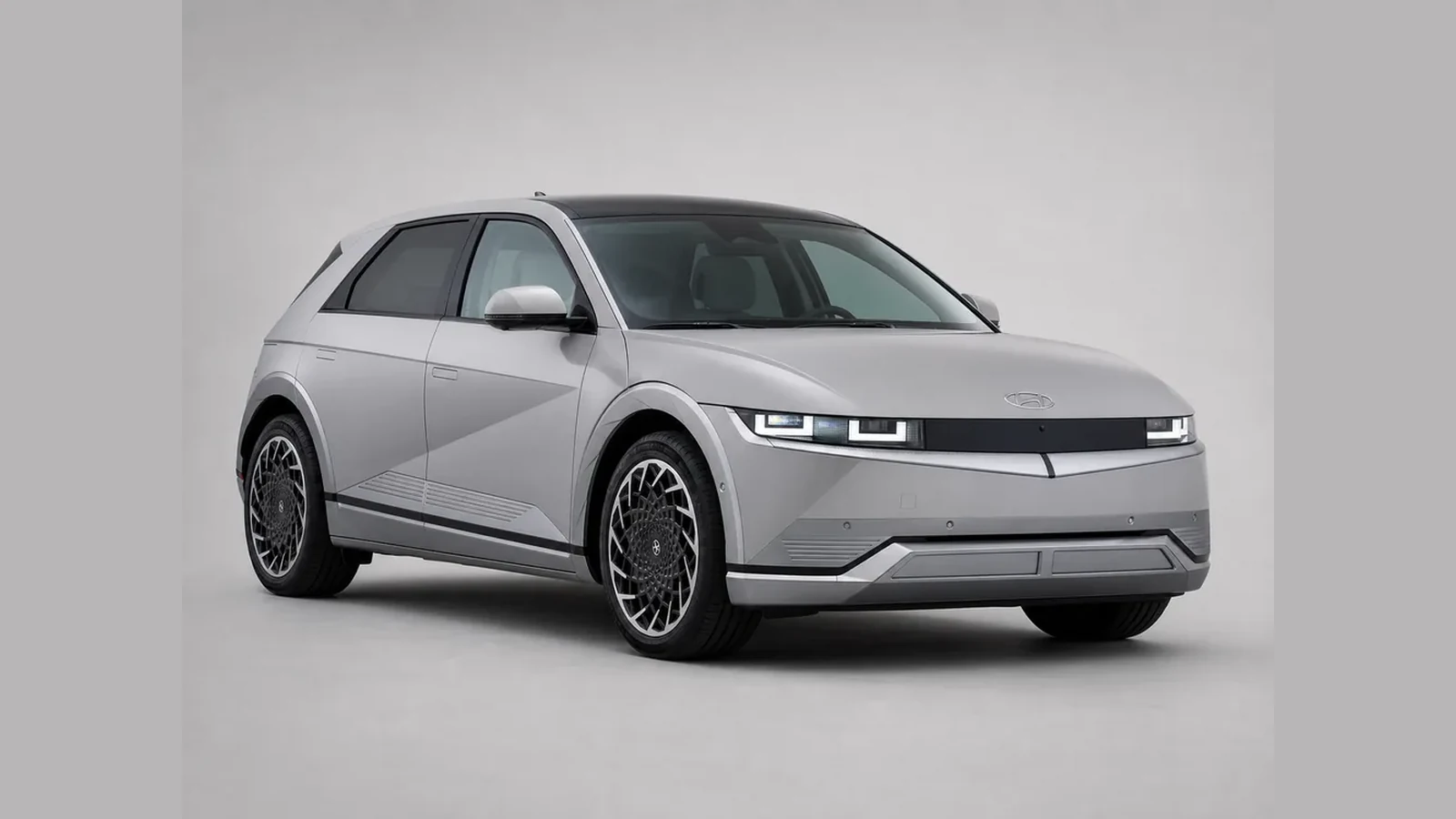
Hyundai Ioniq 5
Hyundai · $43,000 - $56,000The Hyundai Ioniq 5 is the most livable electric SUV in its class: a roomy, comfortable cabin and ultra-fast…
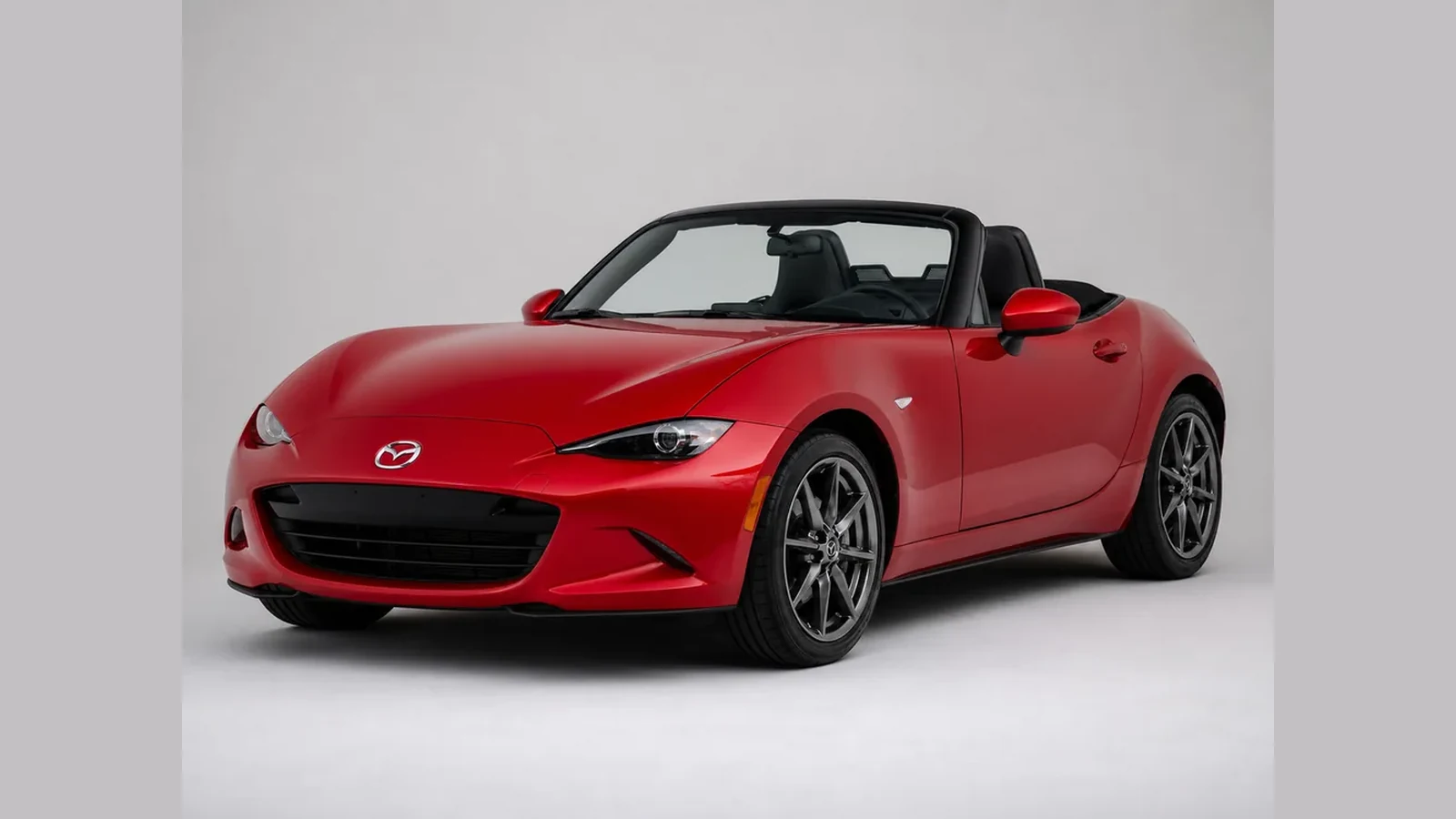
Mazda MX-5 Miata
Mazda · $29,000 - $37,000The Mazda MX-5 Miata is the best-value driver's car you can buy: light, balanced, and endlessly fun, with a…
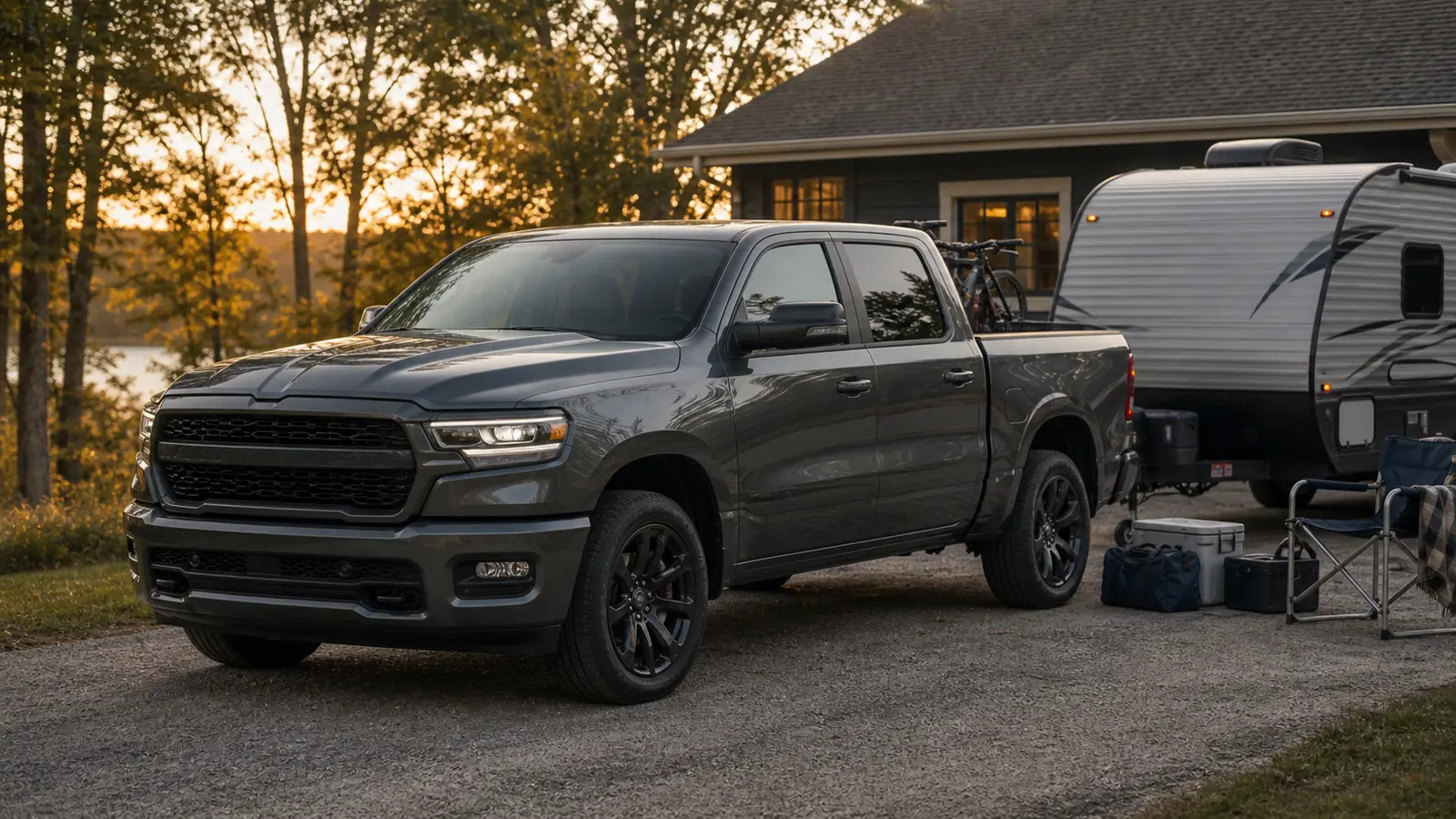
Ram 1500
Ram · $42,000 - $90,000The Ram 1500 is the full-size pickup for buyers who care about ride comfort as much as towing and bed…
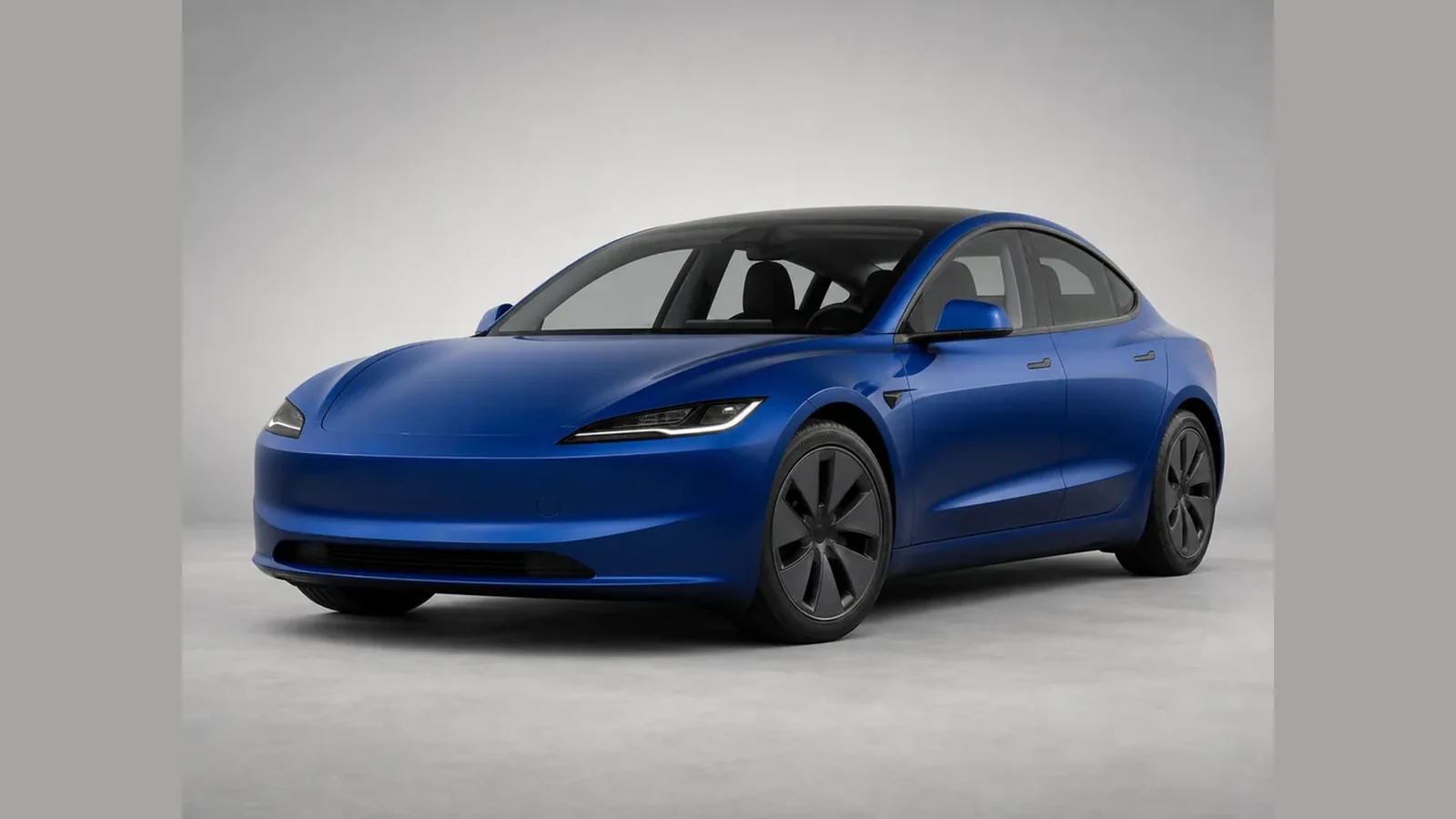
Tesla Model 3
Tesla · $42,000 - $55,000The Tesla Model 3 is the EV that made electric cars mainstream: long range, quick acceleration, and the best…
Rear-wheel drive splits the new-car market into two crowds that almost never shop the same lot.
On one side sit sports cars and sharp sedans that send power to the back wheels so the front pair can concentrate on steering.
On the other sit full-size pickups that drive the rear axle because that is where the weight and the work land. Same mechanical layout, opposite reasons for choosing it.
Here is why rear drive still exists, what it costs you when the roads turn white, and which of those two buyers you actually are.
Why the drive wheels sit at the back
In a front-wheel-drive car the front tires steer and put down power at the same moment, and under hard acceleration you can feel the wheel tug in your hands.
Rear-wheel drive splits those jobs in two.
The front tires only steer, the rear tires only drive, and the car can carry its weight closer to an even split front to rear.
That balance, not raw power, is the real reason enthusiasts and engineers keep coming back to rear drive.
Trucks arrive at the same layout from the opposite direction.
Load a bed or hitch a trailer and the weight presses down over the rear axle, exactly where a rear-drive pickup sends its power.
An empty truck can spin its back tires pulling out of a wet driveway, but drop half a ton of gravel in the bed and the traction shows up with the load.
The sports-car case: balance you can feel
This is the crowd that buys rear drive on purpose.
The mid-engine Chevrolet Corvette puts its 495-horsepower V8 behind the seats and over the rear tires, so it hooks up and steers cleanly at the same time.
The featherweight Mazda MX-5 Miata makes the opposite argument with barely 181 horsepower, proving that low weight and a well-sorted rear axle beat brute force for driving joy.
The BMW 3 Series built its whole reputation on a near even weight balance and rear drive, which is why it still sets the bar for a sport sedan that a family can use daily.
Even the base Tesla Model 3 uses a single rear motor, so an electric commuter inherits the same planted, neutral feel.
Every one of these lands on our best fun-to-drive cars shortlist for the same reason: the layout lets the front tires steer without fighting the engine.
The truck case: traction where the load sits
Full-size pickups run rear drive as standard for a plain reason: the job puts weight over the rear wheels.
The Ford F-150 can tow north of 13,000 pounds when properly equipped, and that trailer tongue presses straight down on the driven axle.
The Chevrolet Silverado and Ram 1500 follow the same logic, sending engine torque to the wheels that carry the payload.
Four-wheel drive is the popular option box on all three, but it is an add-on, not the base setup.
A work truck that spends its life hauling and towing does that job on rear drive alone, and the buyer pays for 4WD only when a job site or a snowy winter demands it.
If a bed and a hitch define your week, start with the full pickup lineup.
The winter trade versus all-wheel drive
Here is where rear drive asks for something back.
An empty rear-drive car carries less weight over its driven wheels than a front-drive car does, so it can step sideways on snow or ice when you ask for power.
The classic light rear end that makes a coupe fun on a dry back road makes it nervous on a slick hill.
Pros
- Sharper steering with no torque tug through the wheel
- Even weight balance that helps a car rotate through corners
- Rear traction that climbs as a truck bed fills with load
Cons
- A rear end that slides on snow and ice when the car is unladen
- Little help pulling away from a stop on a slippery grade
- A real need for winter tires or an all-wheel-drive alternative up north
The honest fix depends on where you live. In a mild climate, rear drive plus all-season tires is no handicap at all.
In the snow belt, a set of proper winter tires transforms a rear-drive car, and many of these models offer all-wheel drive as an option if you would rather not think about it.
Winter rubber on the driven axle matters more than the number of driven wheels.
How electric cars reopened the case
Electric power quietly made rear drive the efficient choice again.
A single motor over the back axle is the lightest, longest-range way to build an EV, which is why the entry Tesla Model 3 and the standard Hyundai Ioniq 5 both drive their rear wheels and post their strongest range figures in that form.
Adding a front motor turns either into all-wheel drive and quicker, but it trims range and raises the price.
For a buyer chasing miles per charge, the rear-drive version is usually the smart pick.
Which of the two buyers are you
Rear drive answers two very different briefs.
If you want steering feel and a car that rotates cleanly, look at the Corvette, Miata, or 3 Series, and read up on the coupe body style while you are there.
If you tow and haul, the F-150, Silverado, and Ram 1500 use the layout for grunt, not grins.
Match the reason to your driving: buy rear drive for balance, or for the load, but know which one you are paying for.
How we review and rank these
Every model on this page is scored on the same measures as its rivals: real acceleration and handling for the sports cars, tow and payload ratings for the trucks, plus efficiency, safety, and five-year cost to own across the board.
We read EPA and NHTSA data alongside long-term reliability records, and a reviewing expert signs off on the buying advice before it goes live.
Start with the model that fits your brief above, or weigh rear drive against all-wheel drive if your winters make the choice for you.
Frequently Asked Questions
Why do sports cars use rear-wheel drive?
Why are pickup trucks rear-wheel drive?
Is rear-wheel drive bad in snow?
Do electric cars come in rear-wheel drive?
Should I choose rear-wheel drive or all-wheel drive?
Compare before you commit
Line up two cars you are cross-shopping side by side, then read the full research-first review before you buy.
Compare cars