Budget Cars
Budget cars focus on value and low running costs. Browse our most affordable reviewed models.
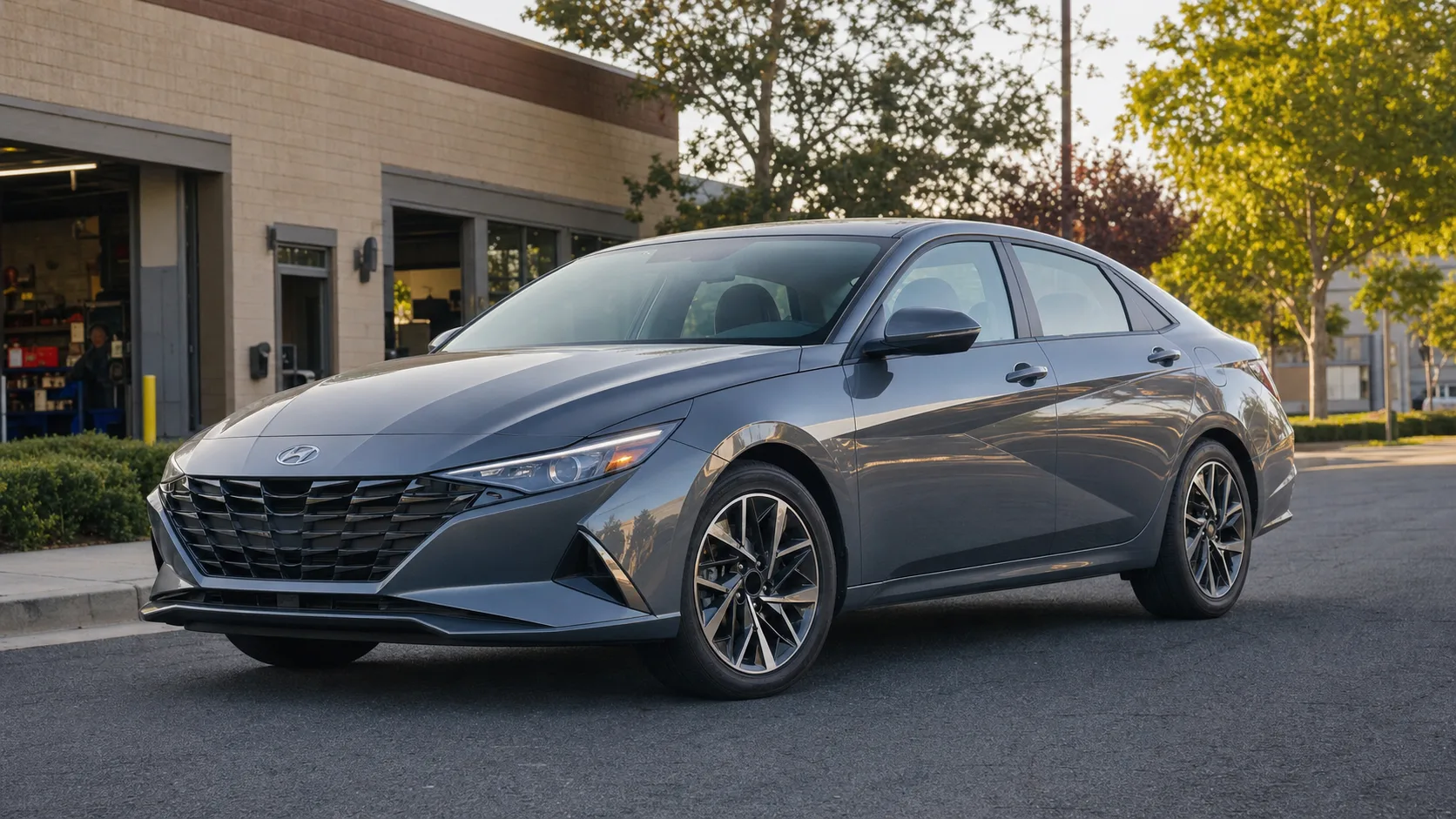
Hyundai Elantra
Hyundai · $22,625 - $35,100The Hyundai Elantra is the compact sedan for shoppers who want a low payment, a long warranty, sharp styling…
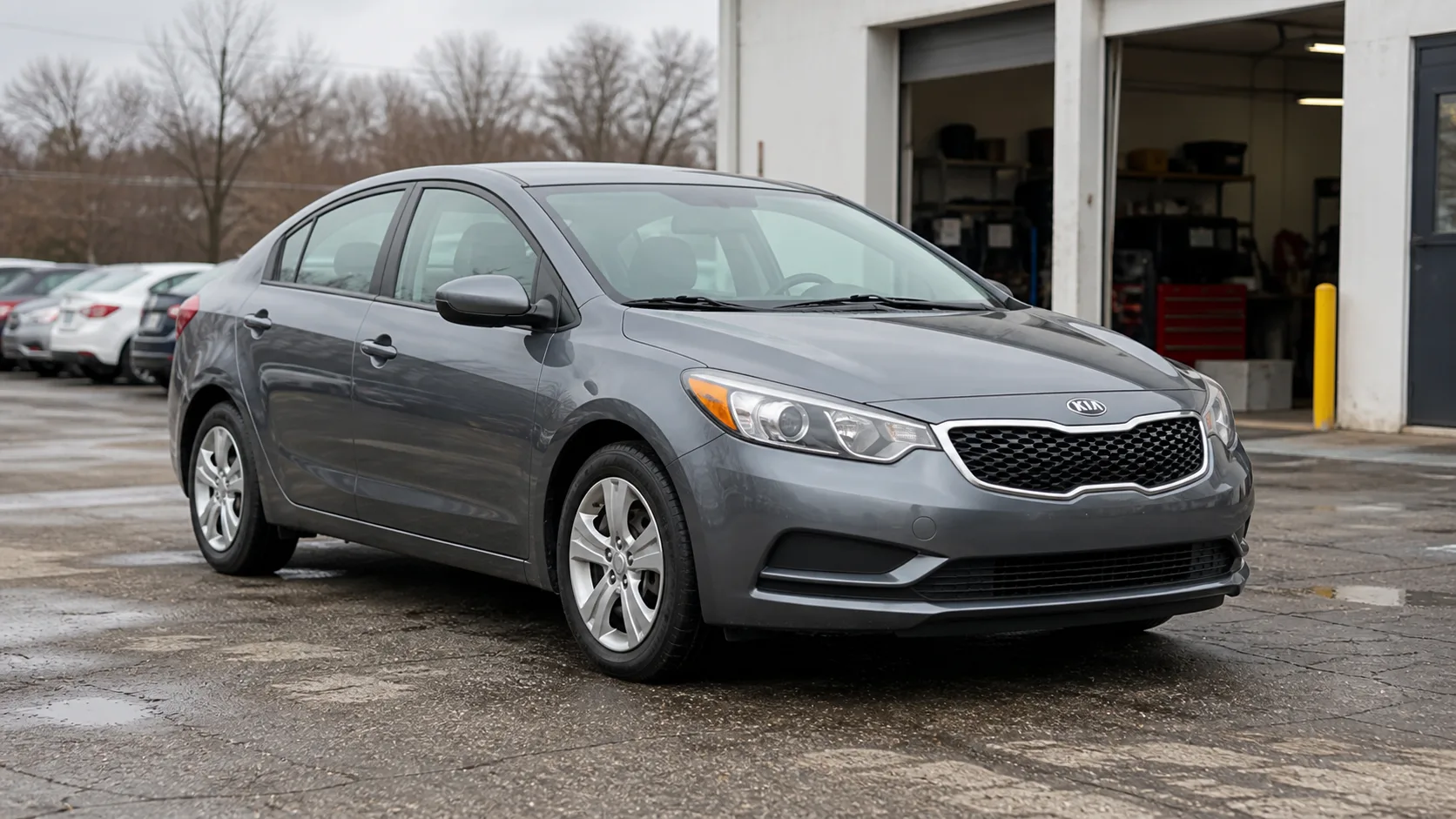
Kia Forte
Kia · $19,990 - $25,390 when newThe Kia Forte is now a used-car question in the U.S., because Kia replaced it with the K4 after the 2024…
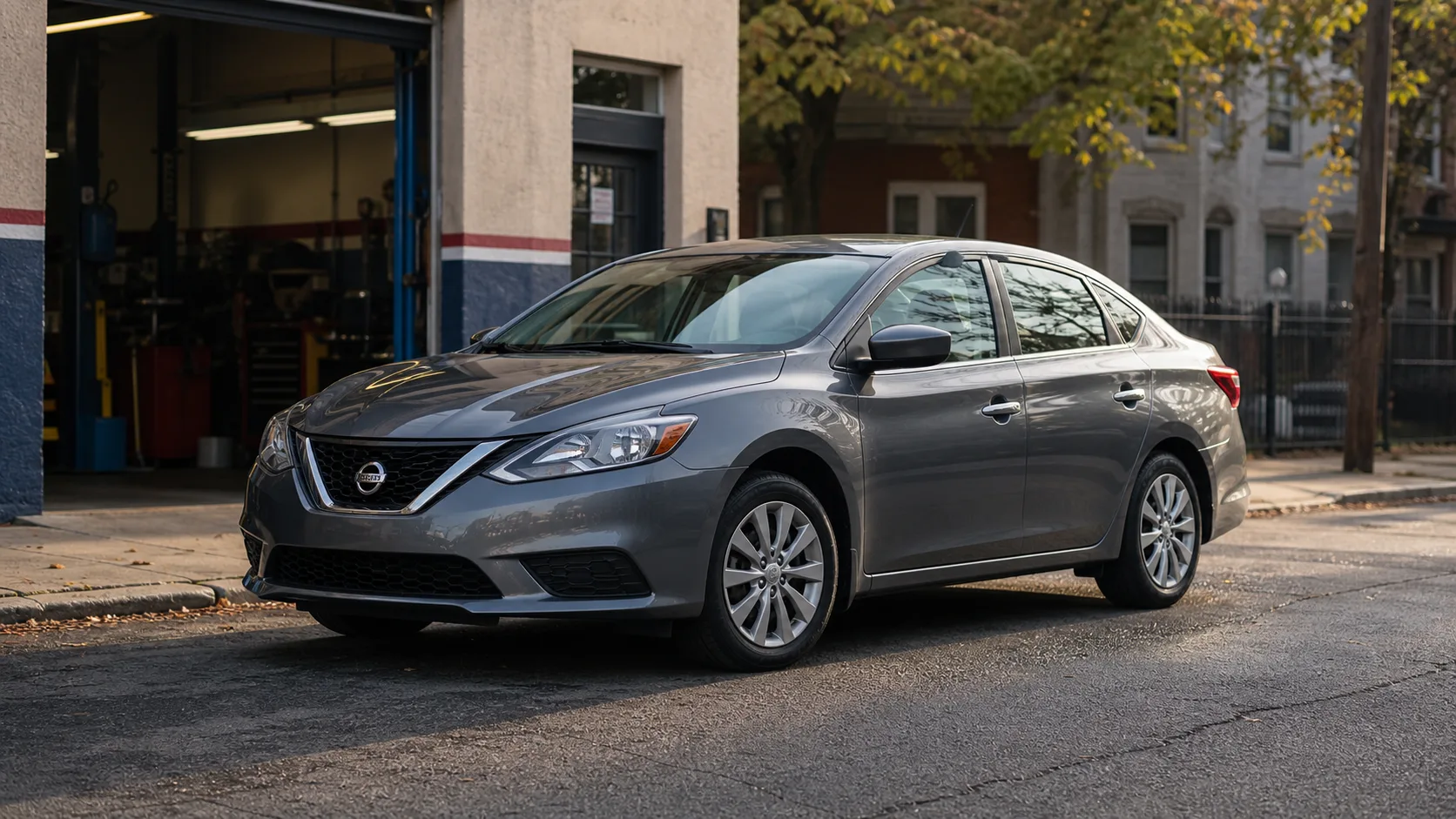
Nissan Sentra
Nissan · $22,600 - $27,990The Nissan Sentra is the compact sedan to consider when you want a low price, a comfortable ride, and a…
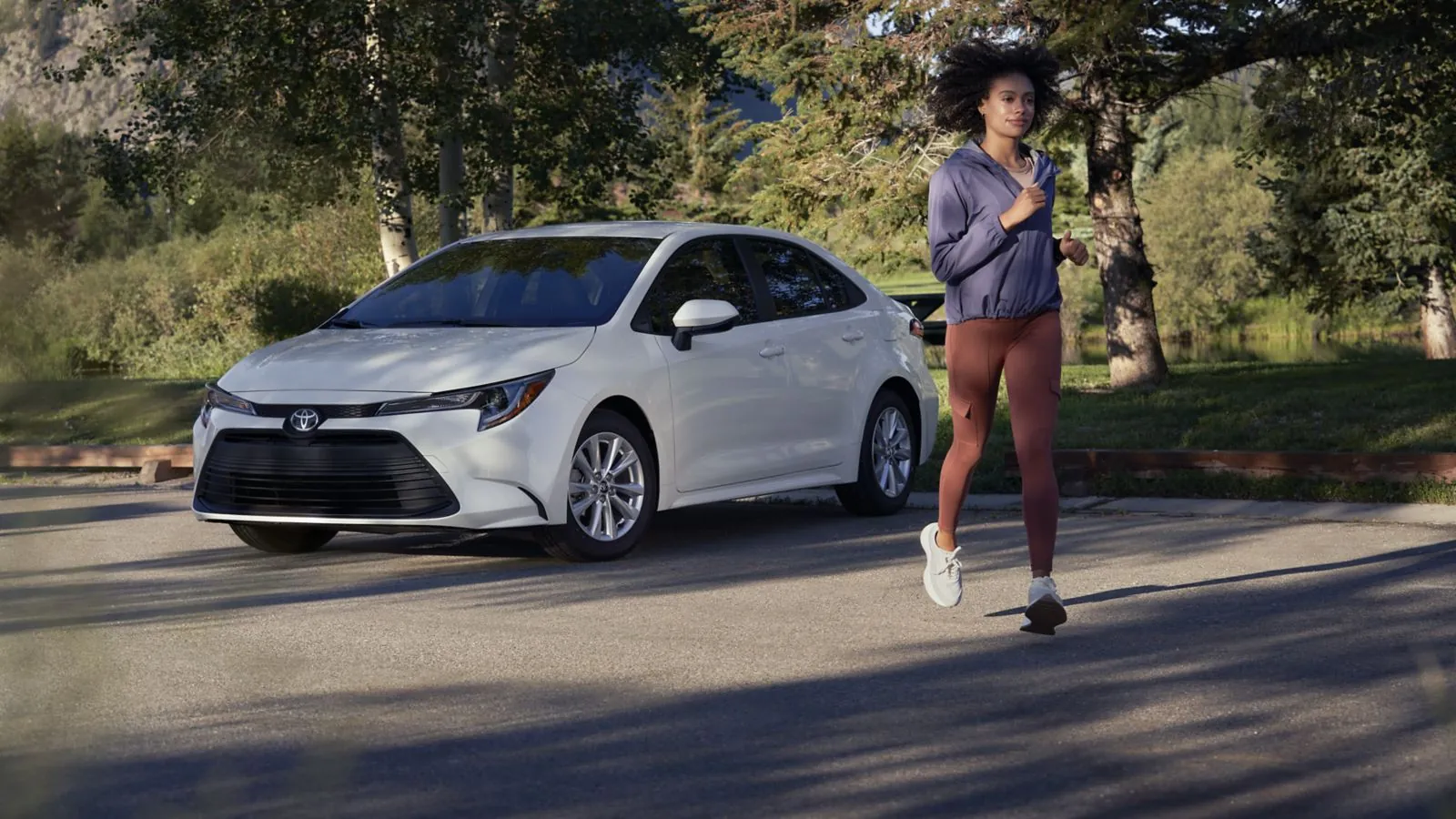
Toyota Corolla
Toyota · $23,000 - $29,500The Toyota Corolla is the compact sedan for buyers who want a low-risk commuter, not a car that tries to feel…
The cheapest car to buy is rarely the cheapest car to own.
A budget sedan wins on the price tag, but the money that actually leaves your account each month is fuel, insurance, and the value the car loses while you drive it.
The four cars here, the Toyota Corolla, Hyundai Elantra, Kia Forte, and Nissan Sentra, are the compact sedans that keep all three of those numbers low.
Here is how to read past the sticker and pick the one that costs you least over the years you keep it.
Sticker price is the down payment on the real bill
A new compact sedan starts in the low twenties, and the Kia Forte spells out the range clearly at $19,990 to $25,390.
That spread, about five and a half thousand dollars, is smaller than what fuel and depreciation will add or subtract over five years.
So the sticker is where the decision starts, not where it ends.
Think of total cost as four buckets: what you pay to buy, what you burn in fuel, what you hand the insurer, and what the car is worth when you sell it.
A car that costs a little more to buy but holds its value and sips fuel can be the cheapest of the group by the time you trade it in.
The Corolla is the classic example, and the Sentra with its lower sticker is the counterweight.
Fuel is where the monthly gap opens up
All four cars are efficient by any historical standard, but the range between them is wide enough to matter.
The gas Nissan Sentra returns 30 mpg city and 38 highway, solid numbers that a hybrid still leaves far behind.
The Toyota Corolla reaches up to 53 city and 46 highway in hybrid form, and the Hyundai Elantra hybrid climbs to 51 city and 58 highway.
Against the Sentra's 30 city, a hybrid roughly halves the gas you buy in stop-and-go driving.
If your miles are mostly city commuting, the hybrid Corolla or Elantra pays back its small price premium in fuel within a few years.
Every one of these runs on regular gas, so nobody here is stung by a premium-fuel surcharge.
If a low fuel bill is the whole point, the wider hybrid lineup is worth a look before you settle.
Insurance and resale, the costs buyers skip
Two numbers never appear on the window sticker but shape the monthly cost as much as the loan payment.
Compact sedans are among the cheapest cars to insure, because they are inexpensive to repair and post strong crash-test results, which is why they anchor our best first cars list for new drivers.
Resale is where the four separate most. A Toyota compact holds its value better than almost any rival, so more of your money comes back at trade-in.
The Nissan Sentra and the value-brand Kia and Hyundai cars typically depreciate a bit faster, which is part of why they undercut on price up front.
You can pay less now and lose a little more later, or pay a touch more now and get it back. Neither is wrong.
It depends on how long you keep the car.
Warranty is the biggest split between these four
On paper the four look alike. The warranty coverage is where they part ways hard.
Toyota and Nissan cover the powertrain for 5 years or 60,000 miles, the mainstream standard.
Kia and Hyundai cover the powertrain for 10 years or 100,000 miles, double the term.
For a budget buyer keeping the car a long time, that is a genuine safety net against the one repair, a transmission or engine, that could otherwise cost more than the car is worth.
If you plan to run the car well past 100,000 miles, the Forte and Elantra warranty is the strongest reason on this page to pick them.
It also transfers in a limited form to the next owner, which softens their faster depreciation.
Reliability: proven versus improving
Warranty length and reliability are not the same thing.
Toyota earns its resale premium with a long record of compacts that simply keep running, which is why the Corolla is one of the most trusted names in the class.
Nissan's Sentra is dependable in normal use, though its CVT automatic is a part to keep an eye on over high miles.
Hyundai and Kia have closed most of that gap over the past decade, and the long warranty is the company backing that progress with its own money.
The honest read: buy the Corolla when a proven record matters most, and buy the Kia Forte or Elantra when you want more car and more coverage for the same budget and are comfortable with a shorter track record.
Match the budget sedan to who you are
These four split cleanly by what you value. Pick the trait that matters most to you rather than the badge.
| Model | Best for | The pitch |
|---|---|---|
| Toyota Corolla | Long keepers, resale | Top resale, hybrid up to 53 mpg city |
| Hyundai Elantra | Efficiency plus warranty | Hybrid up to 58 mpg highway, 10-year powertrain |
| Kia Forte | Lowest price of entry | From $19,990, roomy, 10-year powertrain |
| Nissan Sentra | Comfort on a budget | Easy ride, 30 / 38 mpg on regular gas |
First-time and student drivers should start with the Forte or Sentra for the low entry price and cheap insurance.
Commuters logging heavy miles want the hybrid Corolla or Elantra for the fuel saving.
If you are weighing a new one against a lightly used one, our guide on new versus used cars does the math, and the full sedan lineup shows where these sit against pricier rivals.
How we rank the budget cars here
Every car on this page is scored on the same measures: real fuel economy, insurance and repair cost, warranty terms, reliability history, and five-year cost to own.
We read EPA fuel figures and NHTSA safety data alongside long-term reliability records, and a reviewing expert signs off on the buying advice before it goes live.
The goal is the true cost to keep the car, not the number on the window.
Frequently Asked Questions
What is the cheapest of these budget sedans to buy?
Which budget car saves the most on fuel?
Do Kia and Hyundai really have a longer warranty?
Is a Corolla worth more than a cheaper rival long term?
Which budget sedan is best for a first car?
Compare before you commit
Line up two cars you are cross-shopping side by side, then read the full research-first review before you buy.
Compare cars