Why the CR-V's packaging wins families
Packaging is the reason to shortlist the CR-V, so start where it actually wins.
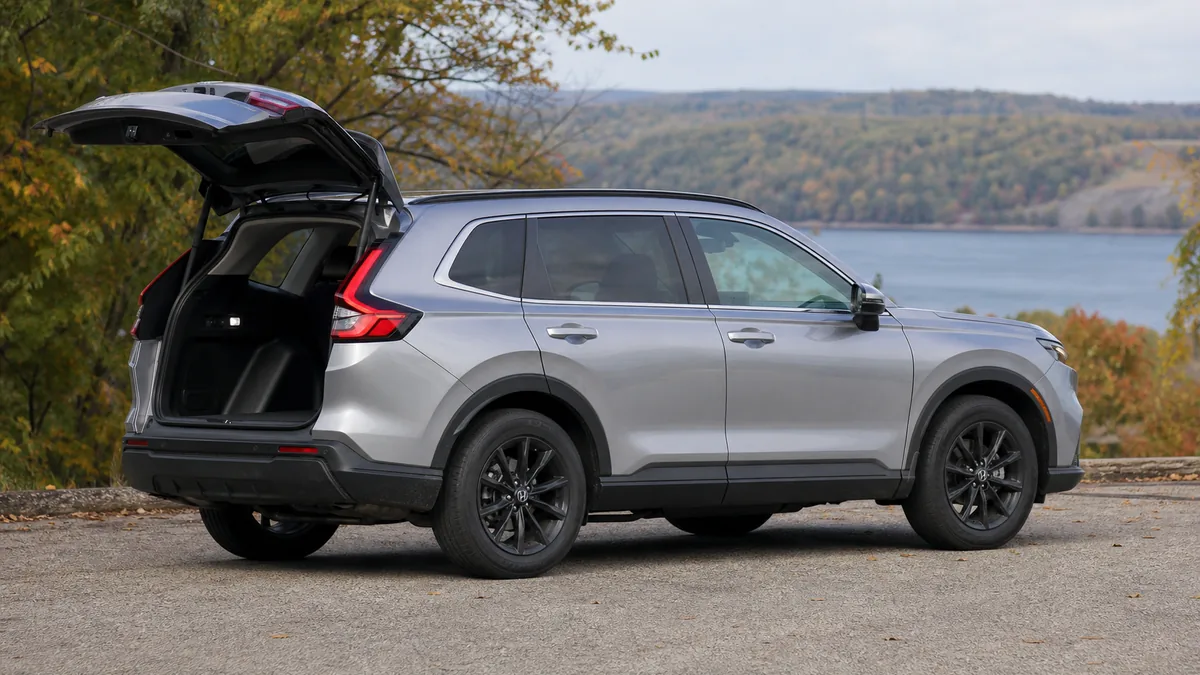
Honda turns a compact footprint into up to 39.3 cubic feet behind the second row and 76.5 cubic feet with those seats folded flat.
The cargo floor sits low, so a stroller, a dog crate, or a week of luggage slides in without a lift.
Rear doors open wide, which makes buckling a car seat far less of a fight in a tight parking spot.
The second row earns its own praise, because adults fit back there for a real trip and not just a short hop.
That mix of easy loading and usable rear space is why the compact SUV keeps landing on family shopping lists.
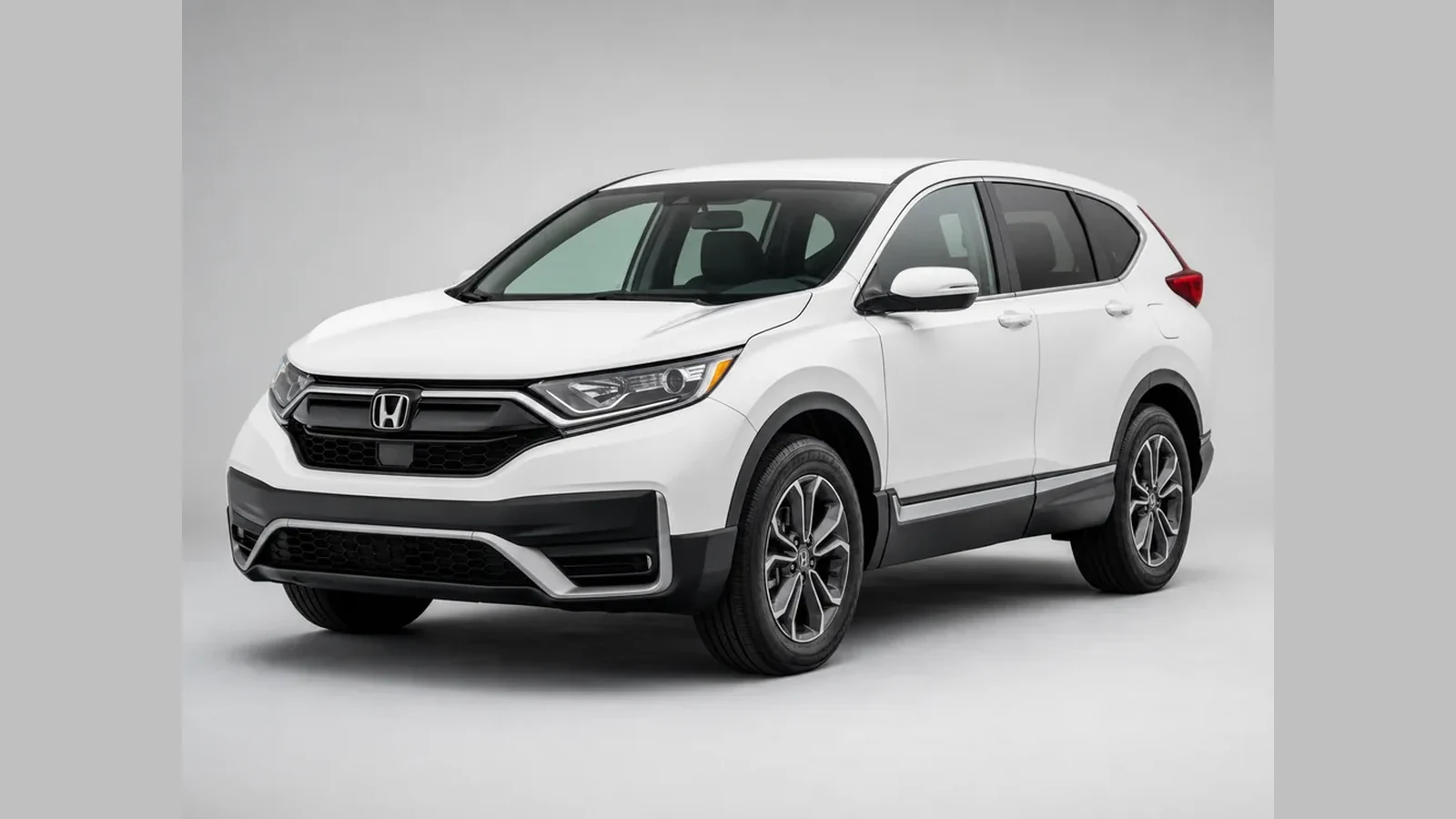
The 6th-generation cabin feels a step above older CR-Vs inside. The dash reads clean, the controls stay simple, and the ride settles enough for school runs and long highway days.
Judge the CR-V like a tool for family logistics and it makes sense fast.
The low floor helps loading, the wide doors help child seats, and the honest shape wastes little space.
It is a weaker pick if you want the toughest-looking crossover or the single highest mpg figure.
The plain styling is the price of that useful box, and for many buyers the trade is easy.
Where cargo is the whole decision, our best family SUVs list shows how the CR-V stacks against rivals.
For the head-to-head most shoppers care about, the CR-V vs RAV4 comparison settles the space-versus-fuel argument. Buy the CR-V first for how it carries your family, then sort out the powertrain.
Gas or hybrid, matched to your week
The CR-V splits into two powertrains, and the choice is simpler than the RAV4's because Honda skips the plug-in step. You pick the 1.
5L turbo gas engine or the two-motor hybrid, and your weekly driving decides which one pays off.
The gas turbo makes 190 hp and returns up to 28 city and 33 highway, which keeps the entry price down and the trim list broad.
The hybrid makes 204 hp and climbs to about 40 city and 34 highway, so it feels smoother in town while it burns less fuel.
| Version | Output and mpg | Best reason to choose it |
|---|---|---|
| 1.5L turbo gas | 190 hp, up to 28/33 | Lower price and the widest trim choice |
| Two-motor hybrid | 204 hp, up to 40/34 | City fuel savings and calmer low-speed driving |
The math turns on where you drive.
A week full of highway miles rarely repays the hybrid CR-V premium, since a steady cruise is where any efficient engine already does well.
A week full of lights, traffic, and school pickup is the opposite case.
That stop-and-go grind is exactly where the electric motor does the easy work and the gas model wastes the most fuel crawling along.
Honda Sensing comes standard on both, so automatic emergency braking and lane-keeping are not a package you chase up the trim ladder.
The hybrid does give up a little maximum cargo room, though it stays roomy enough for normal family loads.
If raw fuel economy is the one number you rank above all, the RAV4 Hybrid tends to post higher figures.
The CR-V answers with cargo access and ride comfort rather than chasing the top mpg line.
Map a normal week before you choose, because the hybrid wins city drivers and the gas car wins highway budgets.
How the CR-V drives on a normal day
Ride quality is the quiet reason CR-V owners stay loyal, so it deserves its own look.
Honda tunes this SUV to feel settled rather than sporty, and that calm is what you notice on a long day of errands.
The cabin stays composed over broken pavement, and the seats suit drivers who spend real hours behind the wheel.
Steering is light and easy, which helps in a parking lot more than it hurts on a back road.
Straight-line pace is adequate rather than quick, with 0 to 60 mph in about 7.6 to 8.5 seconds depending on the powertrain.
That is plenty for merging and passing, and it keeps the CR-V feeling calm instead of frantic when you press on.
The hybrid sharpens that calm feeling in town. Its electric motor pulls the car away from a stop without the busy engine note a small turbo makes when it works hard.
Visibility is another daily win.
The upright glass and tall seat make the CR-V easy to place in traffic, which matters when the driver is one of several people in the household.
If a hushed, near-luxury cabin ranks at the top of your list, a Mazda CX-5 is worth a back-to-back drive.
The CR-V trades a little of that plushness for more room and easier loading, and most families take that deal.
None of this makes the CR-V thrilling, and that is the point.
It removes small daily annoyances instead of chasing excitement, which is the kind of comfort a short test drive can undersell.
Drive it on rough pavement and in traffic, since the CR-V sells its calm best on the roads you actually use.
Do you actually need Real Time AWD
All-wheel drive is available on most CR-V trims, but it should be a choice and not a reflex.
Honda's Real Time AWD sends power to the rear wheels when the fronts start to slip, which helps in snow, on wet hills, and up loose gravel.
Front-wheel drive is lighter, cheaper, and efficient enough for a large share of buyers. Paying for grip you never use just adds weight and shaves a little mpg off every tank.
The drivetrain is one of the first things to settle when choosing an SUV, because it shapes both price and fuel use.
Match it to your climate and your parking spot, then shop trims from there.
The CR-V is not built to crawl a rough trail or wade a river. Its AWD adds everyday traction, not the hardware a Subaru Outback buyer expects for real dirt-road duty.
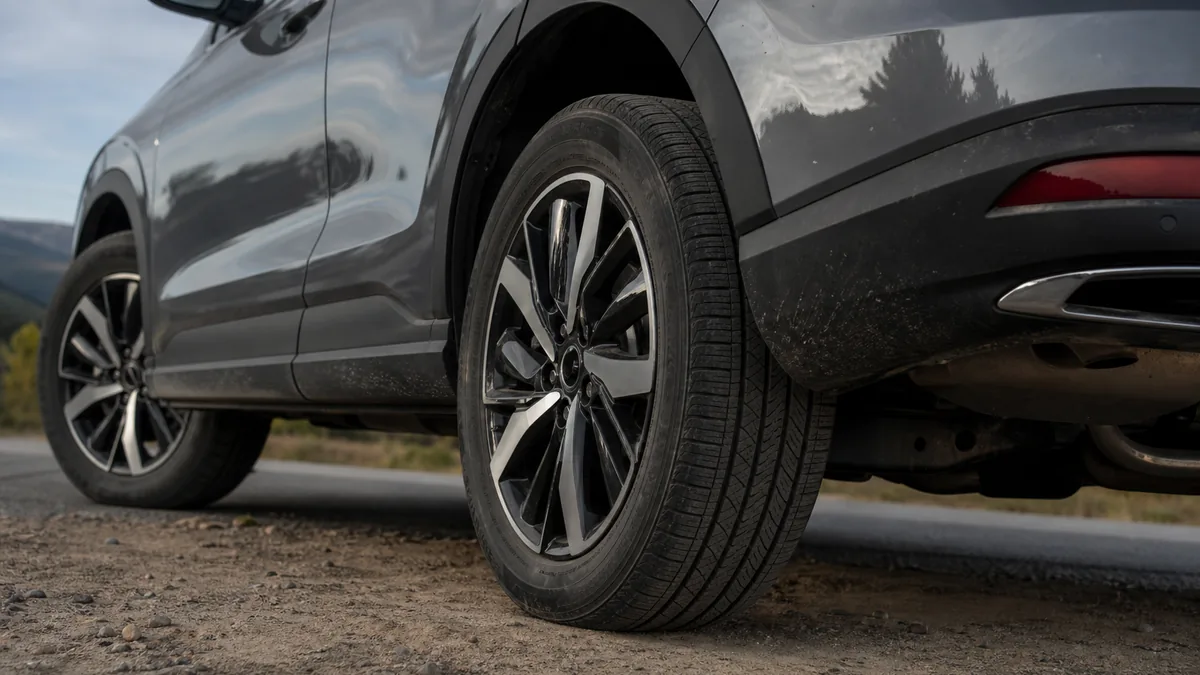
On a used all-wheel-drive car, tires become part of the check.
Mismatched tread can stress the system, so four matching tires are a quiet sign the last owner kept up with service.
If your winters are mild and your miles are mostly pavement, skip AWD and spend the money on comfort or safety features you will use every week.
Buy AWD for the weather you truly face, not for the look of a rugged badge.
Trims from LX to Sport Touring without overpaying
The CR-V lineup climbs from the plain LX through EX, EX-L, Sport, and the loaded Sport Touring, and it is easy to overbuy.
What you configure, not the badge on the tailgate, should set your budget.
Honda Sensing safety tech is standard from the bottom, so a lower trim already carries the equipment that keeps a family safe.
Higher trims add leather, a bigger screen, and hybrid availability rather than any core capability.
Prices span from about $30,920 to $42,550, so the walk from LX to Sport Touring is a real spread and not a rounding difference.
Each rung mainly buys comfort and screen size, which is why the leap to the top trim is the easiest one to regret.
Pros
- Huge cargo area for a compact footprint
- Comfortable, settled ride
- Useful hybrid option for city drivers
- Strong resale that protects your money
Cons
- Top trims climb into pricier SUV territory
- Hybrid gives up a little maximum cargo
- Older 1.5L turbo cars need careful checks
The value usually sits in the middle of the range, where you get room, comfort, and the right powertrain without the top-trim premium.
Hold your search to the mainstream trims and the CR-V stays the sensible buy it is meant to be.
A loaded Sport Touring is a fine car, yet its price can bump into larger SUVs that carry more people.
That is the moment to ask whether the badge is worth crowding your payment.
Honda's wider Honda lineup gives you a sedan escape hatch too, since a family that does not need the height might spend less elsewhere.
For most SUV shoppers, though, a mid-trim CR-V answers the brief. Pick the trim with the features and powertrain you use, and let someone else pay for the top-shelf extras.
Used CR-V checks and the oil-dilution history
A used CR-V rewards a careful buyer, and the checks change by model year. The headline worry is oil dilution on early 2017 to 2019 1.
5L turbo cars, where short trips in freezing weather let fuel mix into the oil.
Honda improved the engine since then, so newer cars are far less defined by that issue.
Separate a cold-climate early turbo from a clean current-generation car and you are looking at two very different risks.
- 2017 to 2019Check cold-climate 1.5L turbo oil-dilution history and confirm software updates
- 2020 to 2022Later 5th-generation cars are easier used buys with records
- 2023 to present6th-generation improves cabin, space, and hybrid appeal
The rest of the inspection should be broad, because family SUVs live hard lives.
Test the air conditioning before the drive ends, listen for suspension clunks over sharp bumps, and lift the cargo floor to look for water stains or sloppy repairs.
Hybrid buyers should watch for smoothness instead. The handoff between gas and electric drive should feel normal, and the brake pedal should stay predictable rather than grabby.

How the car was used tells you more than the odometer.
A tire tread check and a look at uneven rear wear reveal a hard suburban life fast, and clean oil-change records prove the turbo was fed on time.
Weighing an older car against a new one is exactly what our new versus used guide walks through before you commit.
On any older turbo CR-V, treat the oil check as a deal-breaker gate, not an optional step.
What a CR-V costs to keep
The CR-V is rarely the cheapest compact SUV to buy, and it usually earns that back later.
Strong resale and ordinary maintenance costs mean the total picture looks better than the sticker suggests, as long as you keep the car clean and serviced.
Fuel is the swing cost, and it follows the powertrain you chose.
A gas CR-V is fine for highway-heavy weeks, while the hybrid repays its premium fastest for city drivers who idle at lights and crawl through pickup lines.
CR-V cost signals
- Fuel
- Gas for a lower entry price, hybrid for city savings
- Tires
- Normal compact SUV sizes keep replacement sane
- Depreciation
- Strong resale softens the total cost
- Insurance
- Quote EX-L and Sport Touring before you commit
Tires stay affordable because the CR-V runs common sizes rather than oversized wheels.
Insurance moves with trim and ZIP code, so get a real quote on the exact trim before leather and tech tempt you upward.

Family use adds costs a spec sheet skips.
Cargo mats, child-seat mess, short-trip oil life, and parking-lot door dings all land on the owner, and a clean mid-trim usually beats a loaded car that lived a rough suburban life.
Whether you lease or buy shifts the monthly number too, so run both before you sign.
Broadening the search through CR-V alternatives keeps you honest on price when a rival undercuts the payment.
The CR-V can be a low-stress SUV, but only when the payment leaves room for real family wear.
The cheapest CR-V to keep is a fairly priced mid-trim with the powertrain your week actually needs.
Who the CR-V is right for
Buy the CR-V when your SUV has to carry people, bags, pets, and groceries without feeling big.
The honest shape and space-smart cabin make it easier to live with than many flashier crossovers.
It suits families moving out of a sedan who want easier loading and a taller seat, not a giant vehicle.
It also fits older drivers who value the wide doors, the seat height, and the simple controls when several people share the car.
It is the wrong pick for a few buyers.
If you need three rows or real people-hauling, a Toyota Sienna carries more, and if maximum mpg is your single goal, the RAV4 Hybrid still leads on fuel.
Shoppers stepping down from a big vehicle sometimes overspend on a top trim out of habit.
A family coming from a Honda Accord may find a mid CR-V gives the height they want without the loaded price.
The used buyer should be stricter than the new one.
Ask for service records, check cold-start behavior, test the air conditioning, and treat oil condition on older turbo cars as a real gate.
Bring your stroller, a dog crate, or the weekend bins to the test drive so the cargo check is honest.
Close the drive on rough pavement and in traffic, then get a firm finance quote before any deposit.
The CR-V wins when it makes your week calmer without stretching your budget, so buy condition and the right trim over badge confidence.