How much fuel the RAV4 Hybrid really saves
Fuel savings are the first reason most shoppers open a RAV4 Hybrid listing, so start with the numbers.
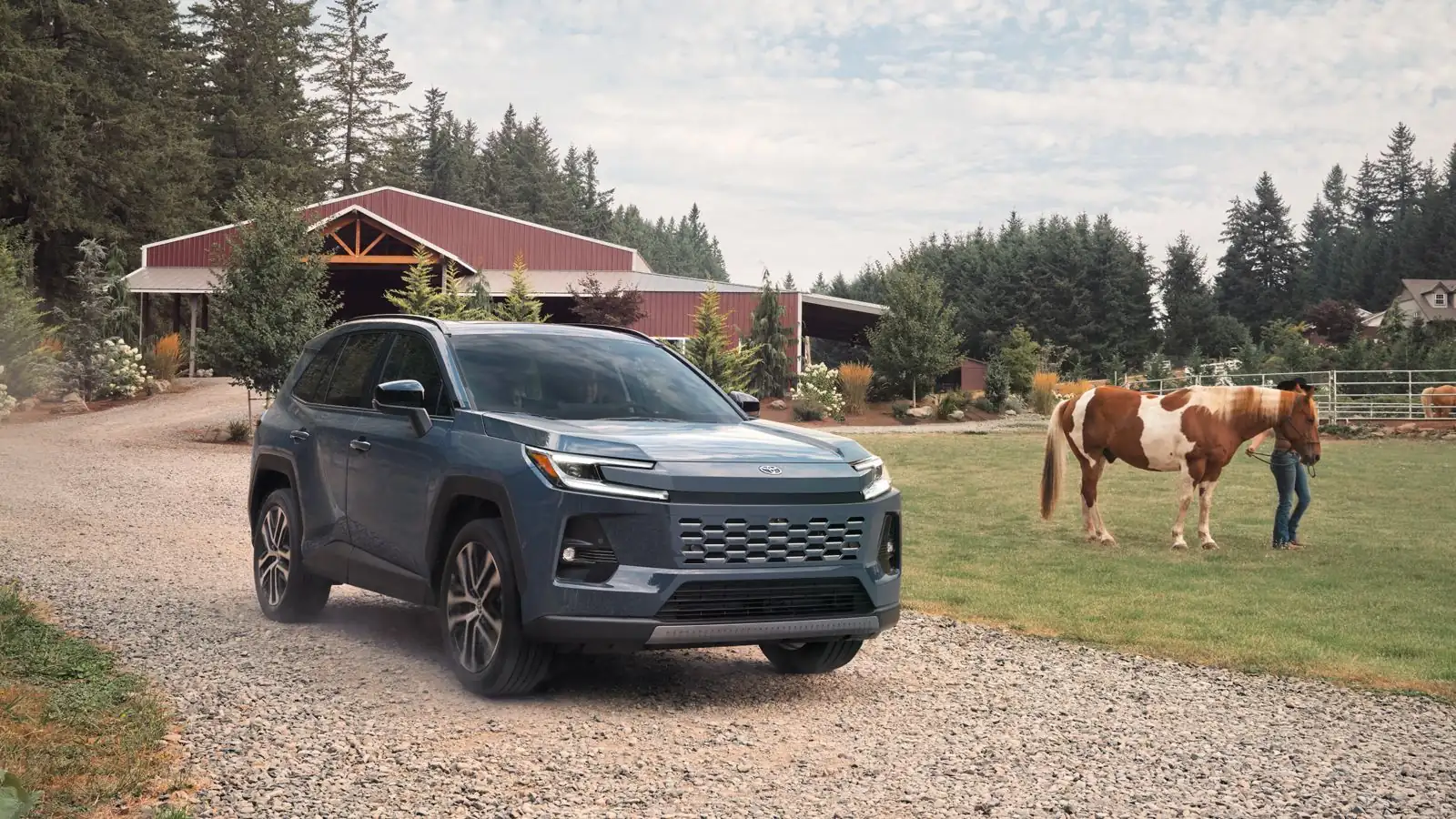
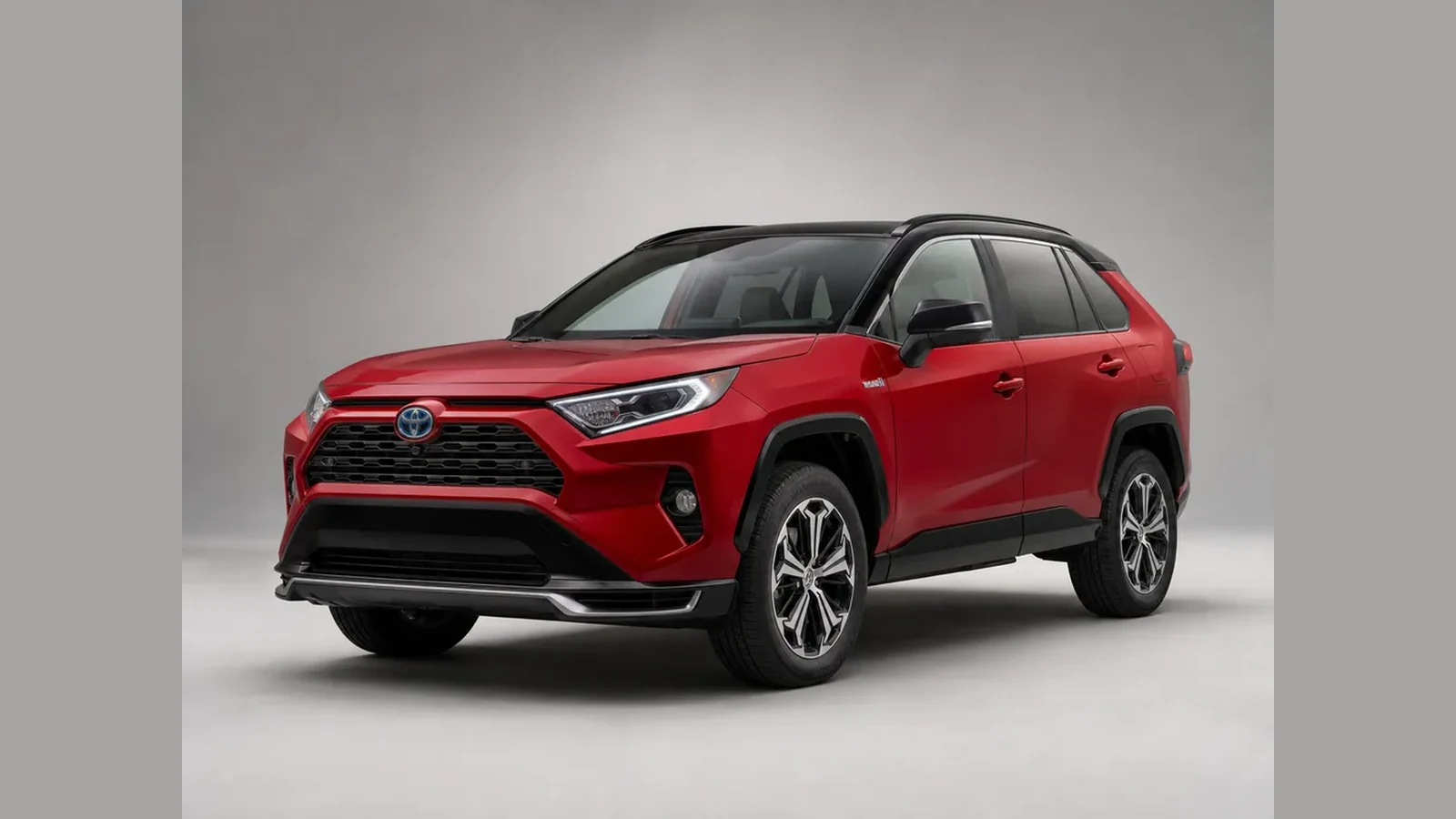
Toyota now estimates up to 47 mpg city and 40 mpg highway on the 2026 car, which is strong for a compact SUV that still holds real cargo.
Earlier fifth-generation models rate about 39 mpg combined, close to 41 in the city and 38 on the highway.
Either way, the hybrid burns far less gas in daily driving than a normal compact SUV.
Your real mileage lands near those figures, not exactly on them.
Trim, tires, drivetrain, weather, and how you drive all move the result, so a heavy off-road trim on big tires trails a plain front-drive car by a few mpg.
The savings show up fastest in city and mixed driving, where the electric motors do the most work.
A short commute full of stops is where the hybrid powertrain pays you back soonest, because a gas engine wastes the most fuel crawling through traffic.
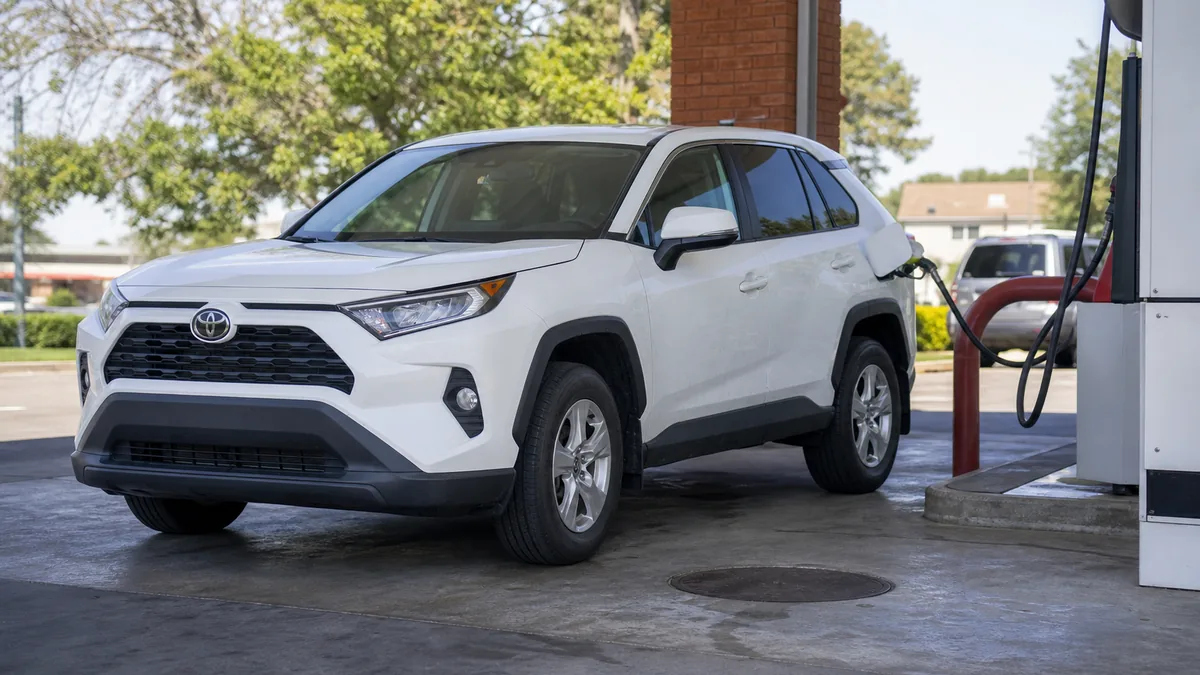
The 2026 jump to a higher estimate also changes the value math.
When a family SUV can approach 47 mpg in town, the fuel gap over a gas rival grows into real money across years of ownership.
City-heavy drivers feel this soonest, since stop-and-go traffic is exactly where a plain gas SUV wastes the most fuel and the electric side of the RAV4 does its best work.
Highway commuters still save, just at a slower pace, because steady cruising is where any efficient gas engine already does well.
Set your expectation by the trim and tires you actually pick, not the headline.
A front-drive car on standard wheels sits near the top of the range, while a rugged grade on chunky tires in cold weather sits lower, and both are still efficient for the segment.
For most buyers the city number, not the highway figure, is where the RAV4 Hybrid earns back its price.
Regular hybrid, plug-in, or the old gas RAV4
The RAV4 Hybrid is no longer just the thrifty version of the RAV4.
For 2026 the whole line moves to hybrid power, so the real question changed from whether to go hybrid to which hybrid setup fits your week.
Toyota builds the system around a 2. 5L four-cylinder and electric motors, good for 226 to 236 combined horsepower and a roughly 7.4 second run to 60 mph.
That makes it both quicker and thriftier than the older gas RAV4, which is why the plain gas engine no longer wins many arguments.
| Powertrain | Best reason to choose it | Watch for |
|---|---|---|
| Regular hybrid | Fuel savings with no charging habit | Nothing unusual, the easy default |
| Plug-in hybrid | Short trips on electricity | Higher price and a real charging routine |
| Used gas RAV4 | Lowest sticker up front | Higher fuel bills over time |
The regular hybrid is the low-effort answer.
It runs on gas, needs no plug, and still cuts your fuel bill, so it suits households that do not want a new routine.
The plug-in hybrid is stronger and can cover local driving on electricity, but the plug-in hybrid path only pays off when you can charge often and avoid overpaying at the dealer.
Power reaches the wheels through an eCVT automatic, which keeps the engine in its efficient range instead of hunting through fixed gears.
The result feels smooth in traffic and pulls harder off the line than the old gas car, so the hybrid is the quicker choice as well as the thriftier one.
Because the whole 2026 line went hybrid, the old gas-versus-hybrid advice new shoppers grew up on no longer fits.
The decision now sits between the regular hybrid, the plug-in, and whatever used gas RAV4 is still floating around the market.
A shopper here is often weighing four cars at once.
A used fifth-generation hybrid, a new 2026 hybrid, the plug-in, and the Honda version in our CR-V Hybrid comparison all target the same driveway.
The plug-in only makes financial sense when you can charge regularly and resist paying a big premium up front. If your charging is uncertain, the regular hybrid removes that whole question.
For most compact SUV buyers the regular hybrid wins, because it delivers the savings without asking you to plug in every night.
What standard all-wheel drive gets you
All-wheel drive comes standard on the RAV4 Hybrid, and it works differently from a normal SUV setup.
A separate rear electric motor drives the back wheels, so the car adds traction without a heavy driveshaft running the length of the floor.
That hardware is genuinely useful if your roads demand it.
Snow, steep grades, muddy trailheads, and wet hills are where the extra grip earns its keep, much like a Subaru Outback buyer expects from a wagon built for weather.
Toyota offers front or all-wheel drive by grade on the 2026 car, and the front-drive versions post the best fuel numbers.
Paying for AWD you never use just adds cost and shaves a little mileage.
The choice matters more than the badge, and it is one of the first things to settle when choosing an SUV.
Match the drivetrain to your climate and parking spot, then shop trims from there rather than the other way around.
The tradeoff is small but real.
Front-drive trims give the highest mpg for the lowest price, while all-wheel drive adds traction and a little more output for a slight mileage and cost penalty.
Neither is the right answer for everyone, so weigh your winters against your fuel budget.
On any used all-wheel-drive car, tires become part of the decision.
Mismatched tread on an AWD system can stress the driveline, so a set of four matching tires is a quiet sign the last owner cared.
If you live somewhere mild and mostly commute on pavement, do not talk yourself into AWD for the image.
That money is often better spent on the comfort and safety features you will use every day.
Cargo, towing, and everyday family fit
Cargo is a real RAV4 strength, not a rounding-error spec.
Toyota lists up to 37.8 cubic feet behind the second row, which swallows groceries, luggage, a stroller, or a dog crate without folding a seat.
The five-seat layout suits small families who need height and cargo but not a third row.
If you regularly haul more people, a larger vehicle makes more sense than stretching this one.
Everyday capability
- Cargo behind rear seat
- up to 37.8 cu ft
- Towing, properly equipped
- up to 3,500 lbs
- Seating
- 5
- Basic warranty
- 3 yr / 36,000 mi
Loading ease is where a rival can pull ahead.
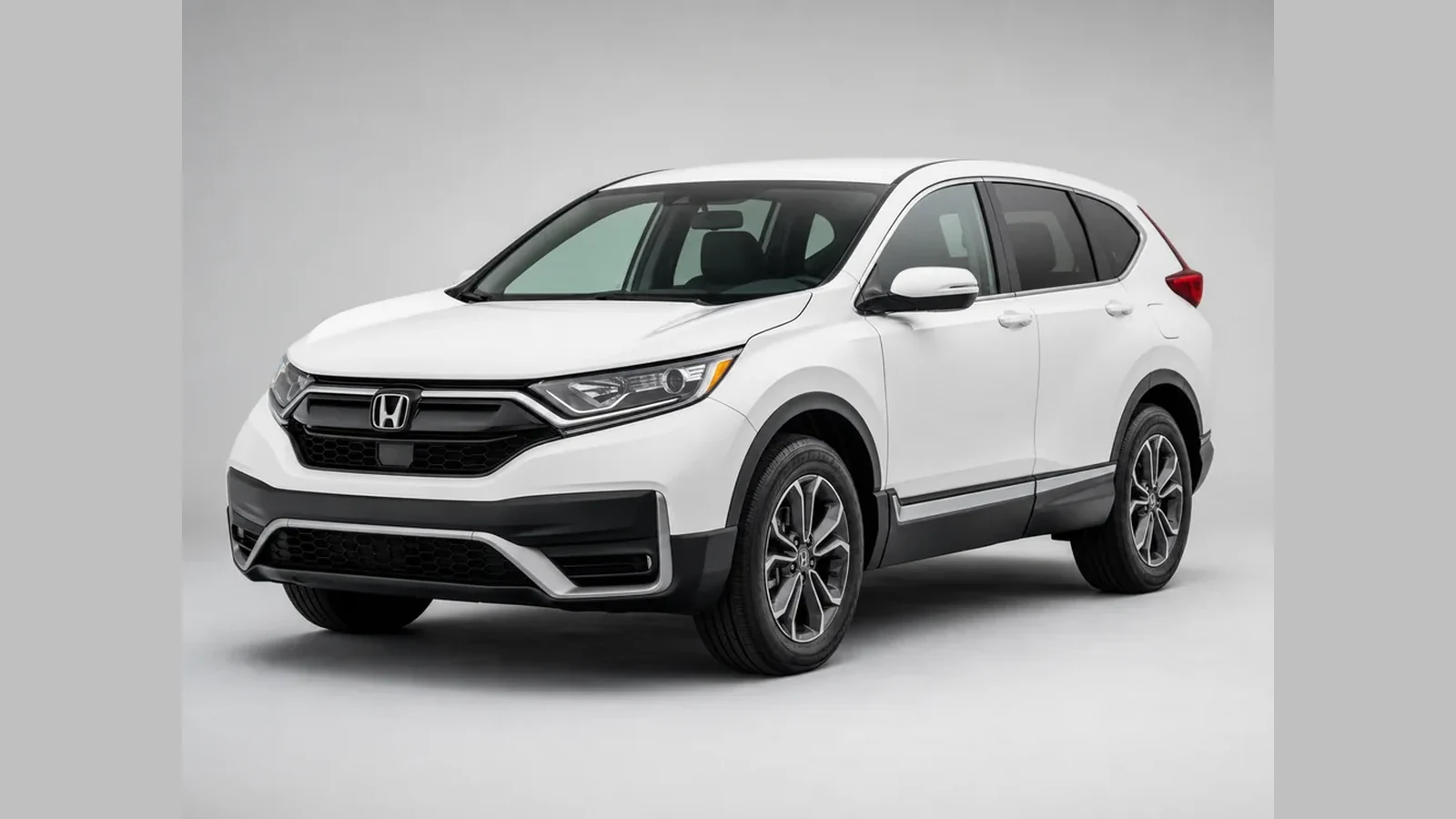
Some drivers find the Honda CR-V easier to load, so test the tailgate opening and floor height with your actual gear before you decide.
Towing up to 3,500 pounds covers a small trailer or a pair of jet skis when the car is properly equipped.
That number does not turn the RAV4 into a truck, because payload, tongue weight, braking, and hills still set the real limit.

Think through your real week before you trust the brochure figure.
Groceries, a stroller, weekend bins, and a dog crate all fit, but the way the floor sits and how wide the opening is matter more than the raw number for daily loading.
If towing or hauling is frequent, step up rather than push this car.
Payload, braking, and long hills wear on a compact SUV in ways a bigger vehicle shrugs off, so a truck or a three-row makes more sense when the trailer comes out most weekends.
A Toyota Sienna carries people better, and shoppers cross-shopping space often start from our best family SUVs list before committing to the RAV4's five seats.
Picking a trim and wheels without overpaying
The RAV4 Hybrid is easy to overbuy, because the lineup climbs from a plain grade to rugged and sporty trims with big wheels and pricey packages.
Configuration, not the badge, should set what you spend.
Front-drive trims post the highest mpg for the lowest cost, while all-wheel-drive trims add traction and a bit more output for a small mileage and price penalty.
Rugged-style grades bring an outdoor look and useful hardware, though their tires and firmer ride can cost you fuel.
Pros
- Strong hybrid mpg across the lineup
- Available or standard all-wheel drive
- Quicker than the older gas models
- Strong resale that protects your money
Cons
- Firm ride on rougher pavement
- Road noise at highway speed
- Popular trims can be hard to find in stock
Sport-style trims sharpen the look and add equipment, but their larger wheels can hurt comfort and raise tire replacement cost later.
The cheapest long-term choice is usually the trim with the traction and features you actually use, held to the mainstream trims rather than the loaded top.
Refinement is the RAV4's soft spot, and it is worth a careful test drive.
Road noise, a firm ride, and some infotainment lag show up more than any mechanical fault, so drive rough pavement and highway speed, not just a quiet neighborhood loop.
Some infotainment lag turned up on early cars, and modest road noise carries at speed on every trim.
None of that is a mechanical worry, but it is the kind of thing that grates after the test drive is over, so notice it while you still can walk away.
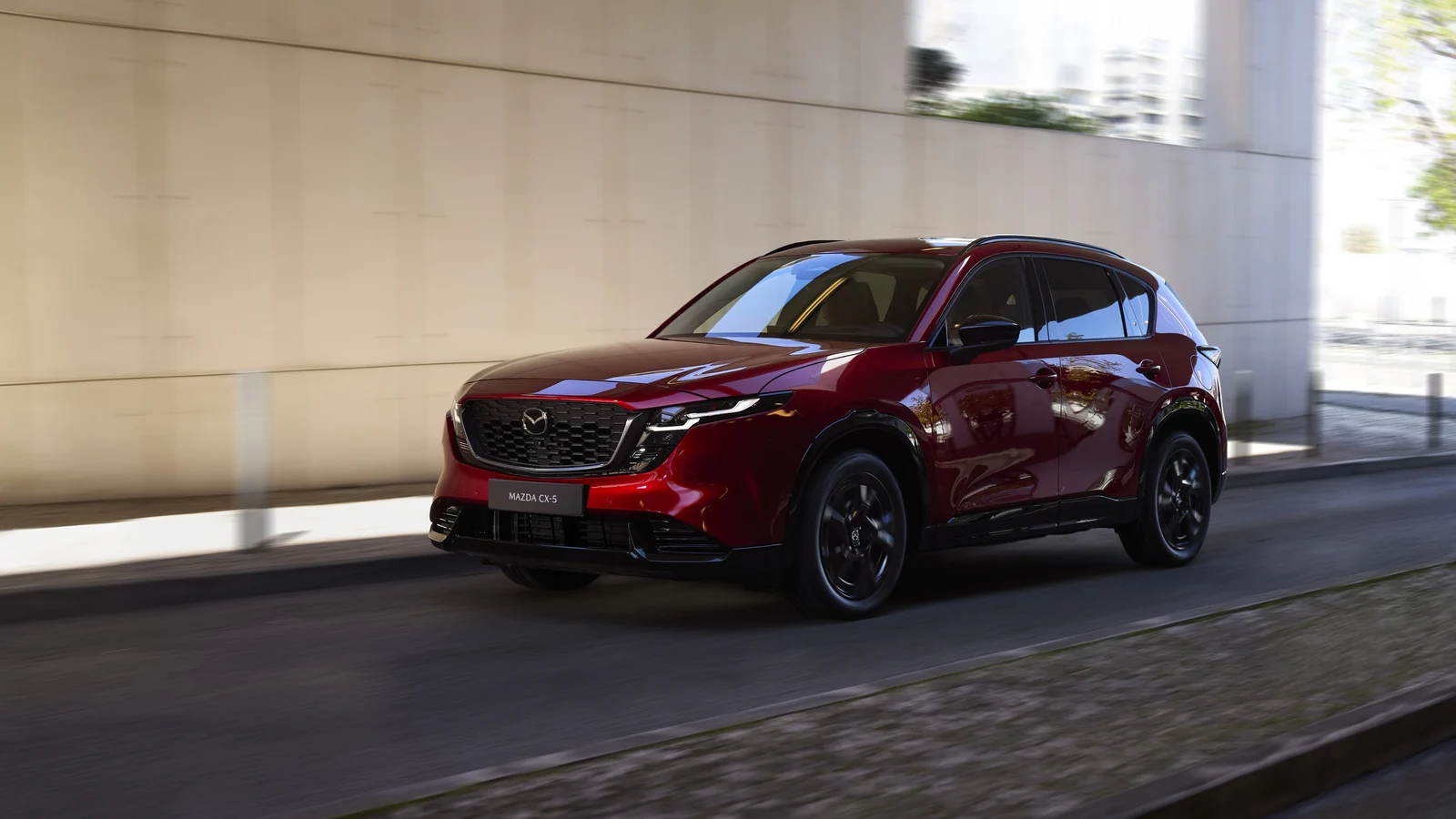
If a hushed, plush cabin ranks high for you, cross-shop a Mazda CX-5 before signing.
A quieter rival can be worth a small mpg trade for the right buyer, so be honest about which annoyances you will live with daily.
Buy the trim that matches your traction and comfort needs, and skip the big-wheel packages that raise cost without changing your week.
Reliability, the 2026 change, and used checks
Reliability is where the RAV4 Hybrid builds trust.
The Toyota hybrid system is one of the most proven drivetrains on the road, and its batteries routinely last the life of the car under a 10-year battery warranty.
The 2026 model is a new generation, but Toyota has sold high-volume hybrid SUVs for years, so the underlying recipe is well understood.
That track record is a big reason shoppers start with the Toyota lineup when they want a low-worry hybrid.
- 2016 to 2018Early RAV4 Hybrid builds the compact hybrid SUV formula
- 2019 to 2025Fifth-generation car becomes the mainstream efficiency pick
- 2026Sixth-generation moves the whole line to hybrid and plug-in power
A new generation still deserves normal first-year caution. Fresh software, new driver-assist calibration, and reworked trims can bring early updates, so keep service records and answer recalls quickly.
Used fifth-generation buyers should focus on condition over badge.
Check accident history, brake feel, service records, and hybrid battery cooling vents, because pet hair and dirt in those vents shorten battery life.
There is no widespread mechanical failure pattern here, which is typical for Toyota hybrids and part of why independent shops know the systems well.
That shop familiarity lowers the fear of a big repair bill down the road.
How a used car was used tells you more than its mileage.
A clean family SUV with records is a very different bet from a rideshare or delivery car that piled on hard city miles, so ask before you fall for a low price.
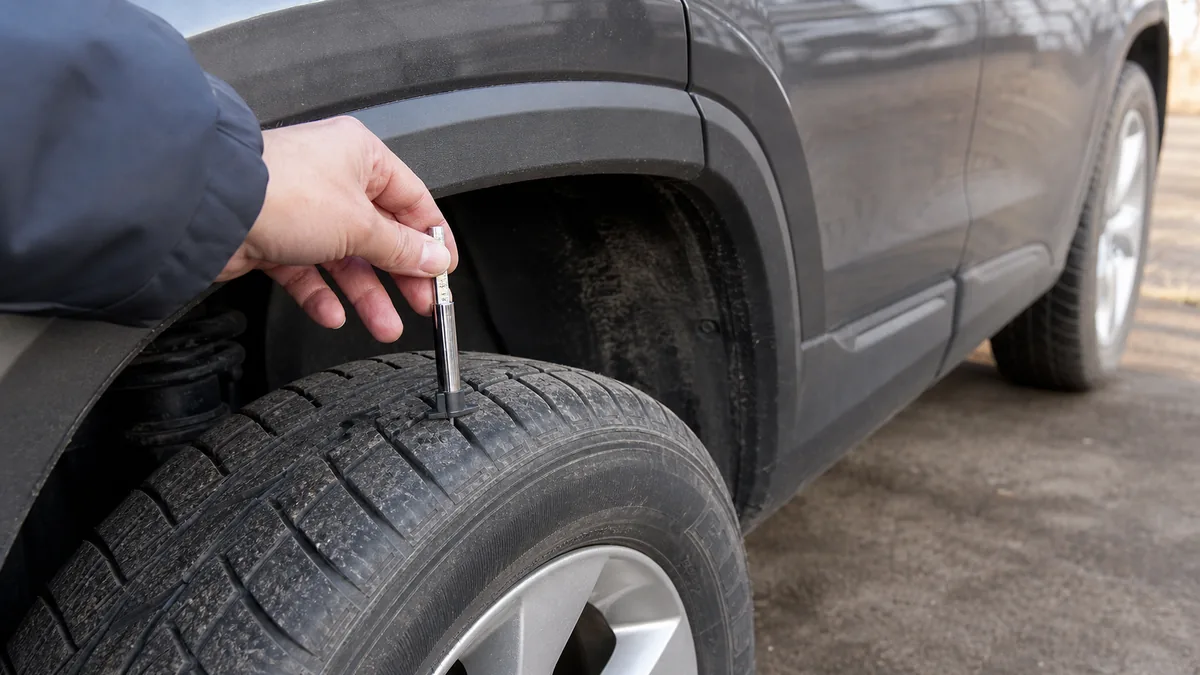
On a used fifth-generation car, look past the badge at brake feel, uneven tire wear, and the rear cargo floor for signs of leaks or sloppy repairs.
On an all-wheel-drive car, matching tires matter, so a quick tire pressure check and a look at tread dates reveal cheap maintenance fast.
Weighing an older car against a fresh one is exactly what our new versus used guide walks through before you commit.
What a RAV4 Hybrid costs to own
The RAV4 Hybrid is one of the cheapest compact SUVs to run, and the math is boring in a good way.
Fuel bills stay low thanks to that 39 mpg combined figure, maintenance runs roughly $400 a year, and resale is the strongest in the class, so depreciation stays small.
The trap is paying too much up front because the badge feels safe.
A dealer markup can erase years of fuel savings, so get the full out-the-door price before you compare trims.
Tires and wheels are the other quiet cost.
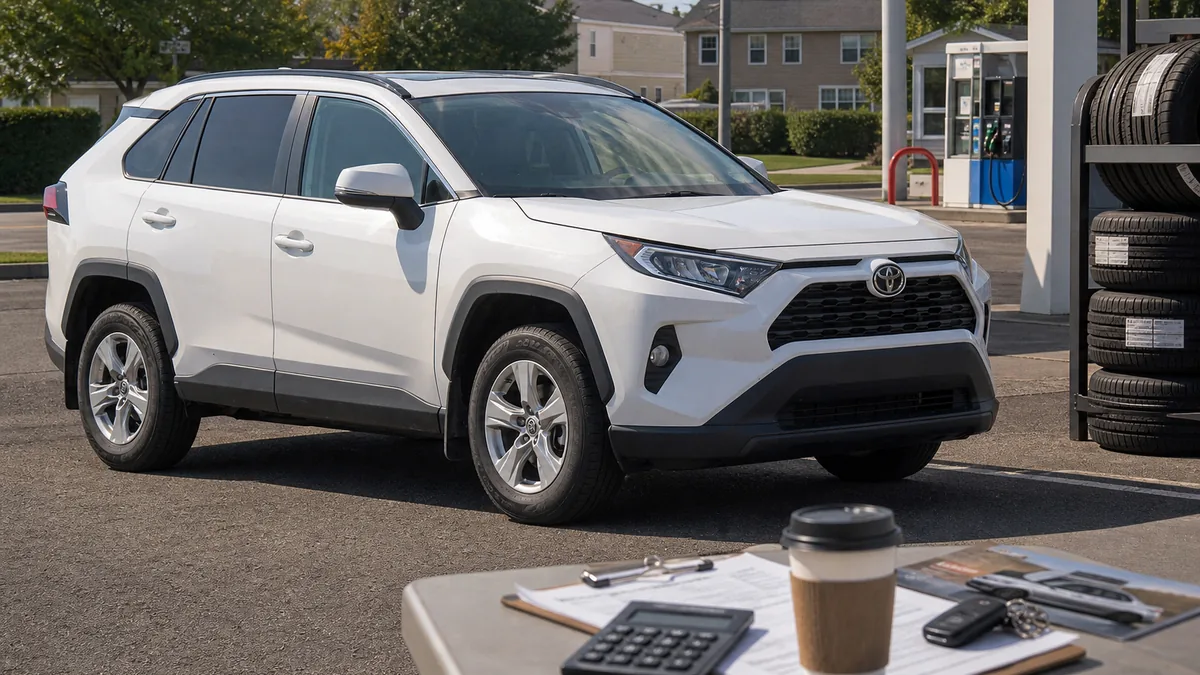
All-wheel drive and larger wheels raise replacement prices, so price a set before you sign and keep those oil-change records as proof of care that protects resale later.
The plug-in hybrid changes the sum only if you charge daily and drive short trips.
You have to weigh purchase price, incentives, electricity cost, and charging access, because a plug-in that never gets plugged in just costs more.
Insurance is worth a real quote, not a guess, because trim and ZIP code both move it.
Get a number on the exact VIN before you leave a deposit so a surprise premium does not undo the fuel savings.
A loaded trim can quietly raise the running bill in two ways.
Bigger wheels cost more to shoe, and a firmer ride comes with them, so the flashiest RAV4 is rarely the cheapest one to keep.
Run a real five-year view against the CR-V Hybrid that counts fuel, tires, insurance, depreciation, and price, not just the sticker.
The RAV4 tends to win on resale and mpg while the CR-V can win on comfort and cargo access, so the cheaper total is not always the cheaper sticker.
Whether you lease or buy shifts the monthly number too, and broadening the search through CR-V alternatives keeps you honest on price.
The cheapest RAV4 Hybrid to own is the fairly priced one with the drivetrain you use and no markup on top.
Who should buy the RAV4 Hybrid
Buy the RAV4 Hybrid if you want a compact SUV with strong mpg, Toyota resale, available all-wheel drive, and no charging routine.
It fits commuters, small families, and anyone who wants SUV height without full-size fuel bills.
It suits drivers moving out of an older gas SUV who want to keep the seating height and cargo shape while cutting fuel stops.
That plain trade is why the car stays popular even as prices climb.
It is a weaker pick for two buyers.
If you want the plushest cabin, the CR-V often rides better, and if you want the cheapest possible payment, the strong resale helps later but the sticker can be high now.
The plug-in fits a narrower group.
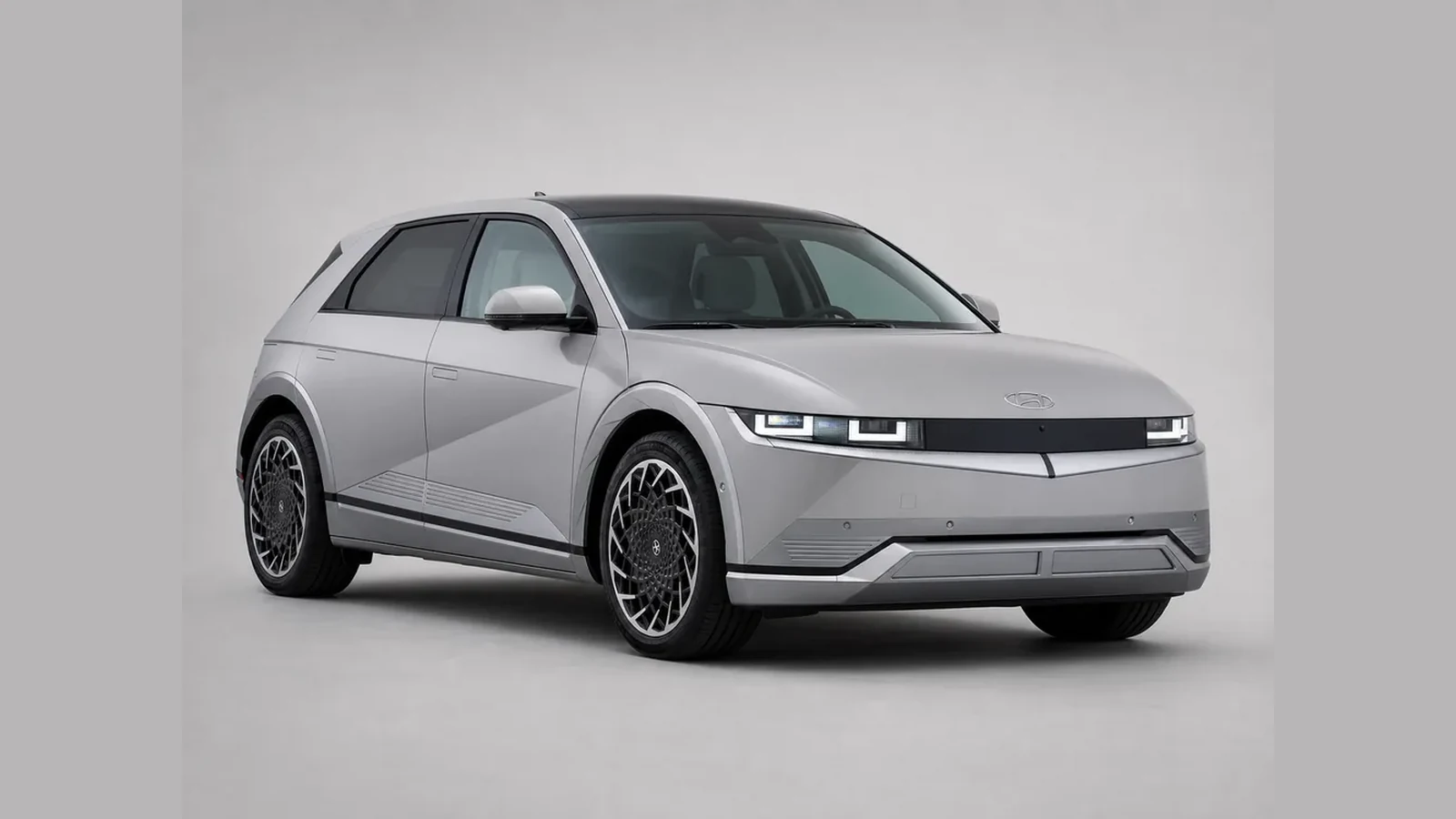
You need charging access, short daily trips, and a price that does not undo the benefit, so learn the home charging basics before you commit, and if pure electric tempts you, price a Hyundai Ioniq 5 too.
Used shoppers should split the search by generation. A 2019 to 2025 car has known strengths and deep supply, while the 2026 is newer and more efficient but asks for early-owner caution.
It also fits buyers who want all-wheel drive available without stepping up into a larger, thirstier vehicle.
You keep the tall seating and useful cargo shape while cutting fuel stops, which is the plain reason the car keeps selling.
The best used one has service records, clean matching tires, no accident history, and a price that reflects its mileage and condition.
Skip anything that fails those tests, no matter how safe the badge feels.
Bring your stroller, dog crate, or weekend bins to the test drive so the cargo check is real, not a guess.
Close every RAV4 Hybrid test the same way, driving highway noise and rough pavement, loading your gear, and getting a firm finance quote, because a reliable SUV can still be the wrong deal at a bad price.
The RAV4 Hybrid wins when you keep the purchase simple and let fuel savings and resale do the work.