
Wagons
Wagons offer SUV-like space with car-like handling and efficiency. Browse our reviewed wagons and rugged crossovers.
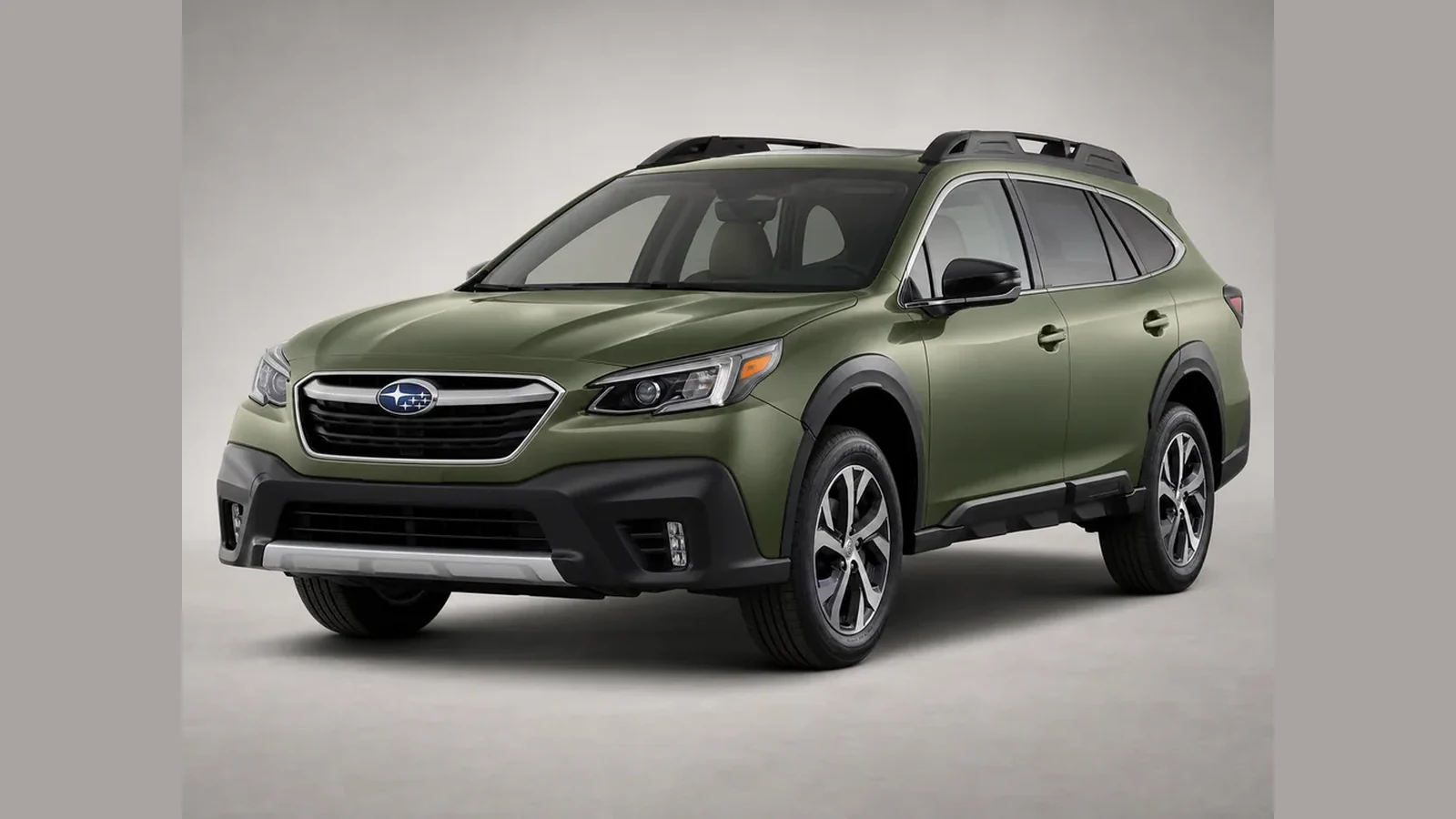
The station wagon nearly disappeared from American driveways, pushed aside by the SUV.
One idea kept it alive: a car that carries like a small SUV but still drives like a car.
A wagon takes a sedan, runs the roofline straight back over the rear seats, and opens the tail into a tall cargo hold.
You get the space without the extra height, the weight, or the fuel bill.
Here is what the body style does well, where it beats an SUV, and why the rugged Subaru Outback is the wagon most Americans still buy.
What a wagon actually is
Strip a wagon back to basics and it is a sedan with the roof carried all the way to the tailgate.
It shares the same platform, the same low floor, and the same seating position as the four-door it is based on.
The difference is the long roof and the upright rear hatch, which turn the trunk into an open cargo bay you load from above.
That shape matters more than it looks. Because the load floor sits low, you lift a suitcase or a dog straight in rather than heaving it up to SUV height.
Fold the rear seats and a wagon opens a flat, square hold that rivals a compact SUV for usable volume.
A wagon gives you SUV cargo space while keeping a sedan's low floor and easy reach.
Why the lower body drives better
The wagon's advantage over an SUV comes down to height.
A wagon sits several inches lower, so its center of gravity is lower, and that changes how it feels on the road.
It leans less in corners, tracks flatter on the highway, and reacts more quickly when you steer.
| Body style | Ride height | Cargo | Handling and mpg |
|---|---|---|---|
| Sedan | Low | Trunk only | Sharpest, most efficient |
| Wagon | Low to mild lift | Large, flat hold | Car-like, efficient |
| Compact SUV | Tall | Large, tall hold | Higher, thirstier |
The lower body also cuts fuel use. Less frontal area and less weight mean a wagon usually returns better mileage than the SUV built on the same bones.
You keep the cargo room but hand back the height most drivers never actually need. If you rarely tackle rough trails, that is a trade worth making.
The rugged crossover-wagon niche
Most plain low-riding wagons left the US market, but one type thrived: the lifted, all-weather wagon aimed at people who drive to trailheads and ski lifts.
These cars raise the ride height, add plastic body cladding to fend off rocks and curbs, and make all-wheel drive standard.
The result splits the difference between a car and an SUV.
The Subaru Outback defines this niche. It carries around 8.7 inches of ground clearance, close to what many SUVs offer, yet keeps a wagon's lower roof and car-like seating.
That clearance lets it handle a snowy road, a gravel forest track, or a flooded gutter without the bulk of a truck-based body.
It is the reason the Outback outsells almost every traditional wagon still on sale here.
The Subaru Outback as the worked example
The Subaru Outback shows what the modern wagon does best.
Every version comes with all-wheel drive as standard, not as a pricey option, so grip on snow and loose surfaces is built in from the base model up.
It runs on gas and returns an EPA-rated 26 mpg city and 32 mpg highway, close to what a midsize sedan manages and well ahead of a comparably sized SUV.
Pricing runs from about $30,000 to $43,000, which covers a plain commuter version up to a loaded turbocharged trim.
That spread puts a well-equipped, all-weather five-seat wagon in the same money as a mid-range compact SUV, but with better mileage and a lower floor.
Pros
- SUV cargo room with car-like handling
- Standard all-wheel drive on every trim
- Better mpg than a same-size SUV
- Raised clearance for snow and gravel
Cons
- Lower roof means less headroom than a tall SUV
- Gas only, so no hybrid or electric option here
- Fewer wagon rivals to cross-shop
Who a wagon suits
A wagon fits a specific buyer better than any SUV does.
If you carry a dog, bikes, camping gear, or a family's worth of luggage but still want a car that drives tightly and sips less fuel, this is your body style.
As a 5-seater with a long, flat load bay, it swallows the weekly shop and the weekend haul without asking you to climb up into it.
It suits people who see snow and dirt roads too.
Standard all-wheel drive plus raised clearance covers real winter and light trail use, which is exactly why outdoorsy buyers pick a wagon over a plain sedan.
If you never leave paved roads and never see snow, a lower sedan does the same job for a little less money.
If you routinely seat six or tow heavy loads, step up to a tall SUV instead. Not sure which way to lean?
Our guide on how to choose an SUV walks through the same size and drivetrain questions.
How we review these wagons
Every wagon profile here is scored on the same measures as its rivals: real fuel economy, cargo and passenger space, all-weather capability, reliability history, and five-year cost to own.
We read EPA mileage figures and NHTSA safety data alongside long-term reliability records, and a reviewing expert signs off on the buying advice before it goes live.
Start with the Subaru Outback for the worked example, read more about the Subaru brand and its all-wheel-drive engineering, or compare the wagon against a compact SUV to see how close the two really are on space and cost.
Frequently Asked Questions
What is the difference between a wagon and an SUV?
Is the Subaru Outback a wagon or an SUV?
Do wagons get better gas mileage than SUVs?
Does a wagon come with all-wheel drive?
Who should buy a wagon instead of an SUV?
Compare before you commit
Line up two cars you are cross-shopping side by side, then read the full research-first review before you buy.
Compare cars