Nissan
Nissan covers value sedans, practical SUVs, trucks, and EVs. Browse our reviewed Nissan models by price, powertrain, reliability checks, and cost to own.
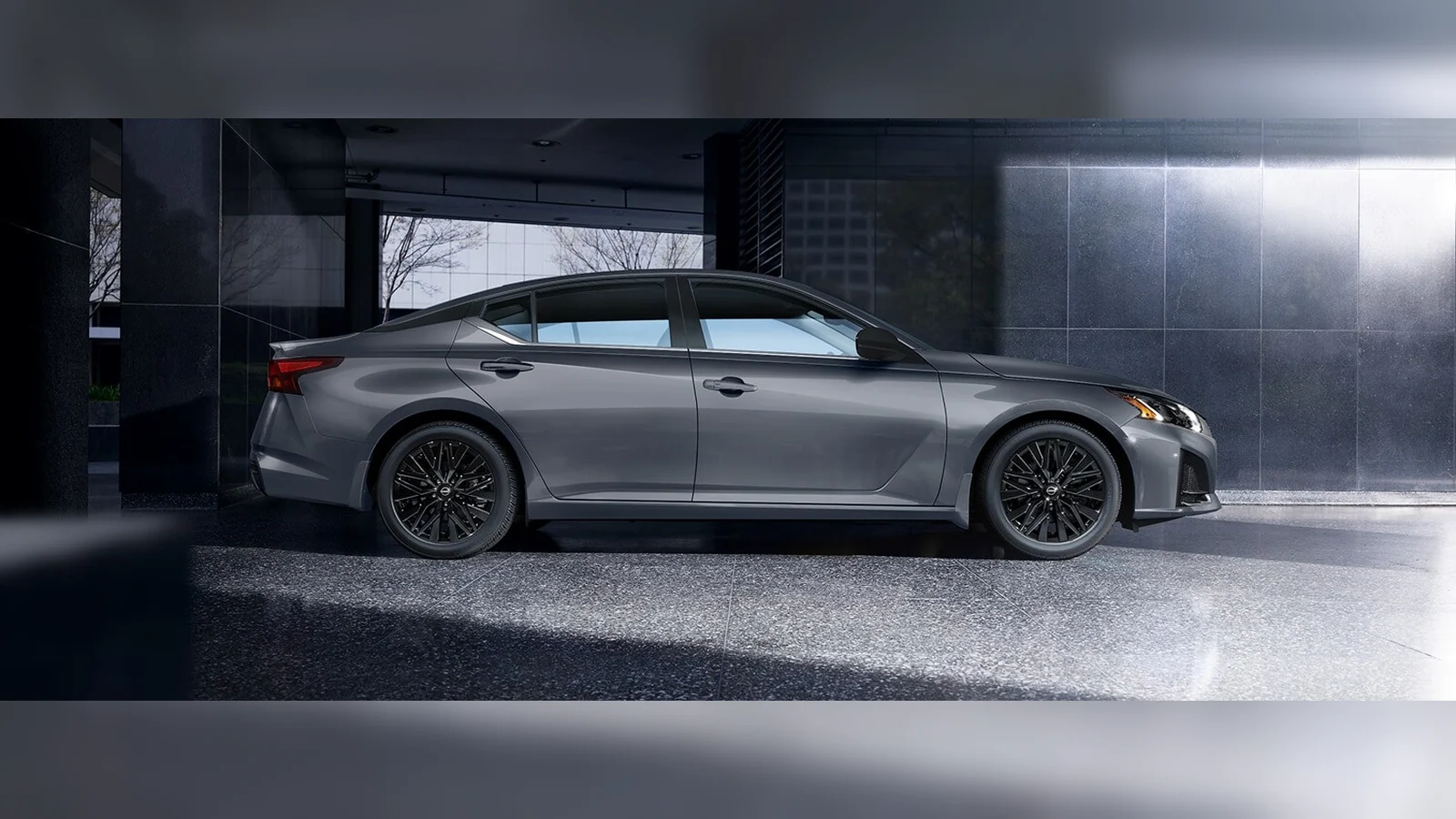
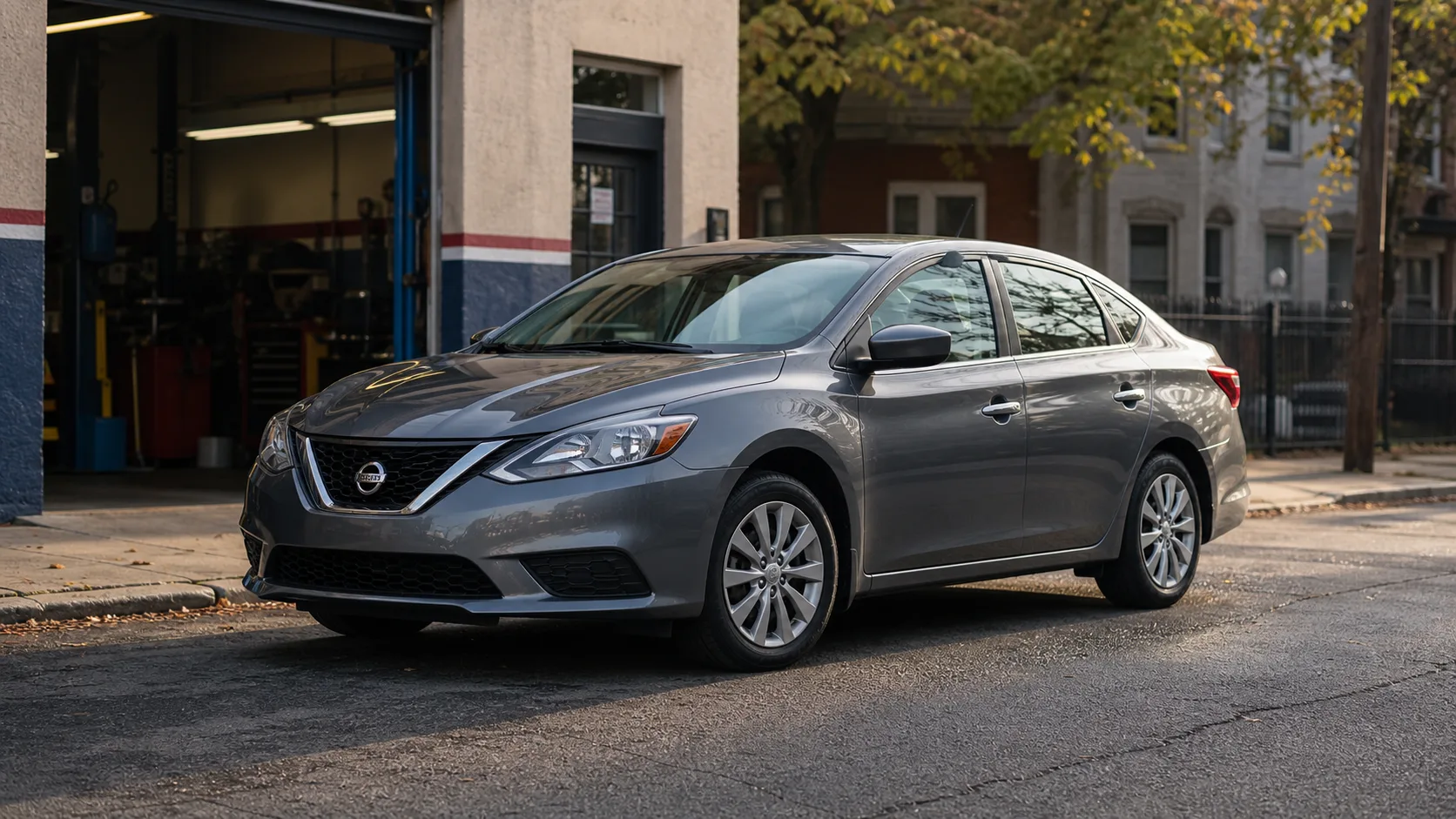
Nissan is the brand for buyers who want a roomy, comfortable sedan without paying Toyota or Honda money.
Its cars ride softly, seat you in wide chairs Nissan calls Zero Gravity, and usually undercut the class leaders by a few thousand dollars on the sticker.
The catch is a continuously variable transmission that carries a mixed reputation and resale that trails the segment.
Here is what the badge gets you across the sedan lineup, and how to buy one so the savings actually stick.
The value case starts with the sticker
Nissan competes on price and comfort rather than badge prestige.
The Sentra opens at $22,600 and the midsize Altima at $27,580, and both come well equipped at the base trim instead of dangling the useful features one rung up the ladder.
That pricing puts a comfortable, full-size-feeling cabin within reach of a tight budget.
A loaded Sentra often costs less than a mid-trim Corolla or Civic, and the Nissan gives you more rear-seat room for the money.
If the monthly payment is the number that decides your purchase, start with the budget-priced sedans and Nissan will show up near the top.
The honest trade is depreciation. A Nissan sheds value faster than a comparable Toyota or Honda, so the low sticker is partly the market pricing in weaker resale.
That fact hurts you at trade-in but helps you buy used, which we come back to below.
Two sedans, two clearly different jobs
The lineup splits cleanly by size and buyer. Pick the one that matches your daily driving rather than stretching for the bigger car because it looks like more value.
| Model | Best for | Starts at |
|---|---|---|
| Sentra | First car, tight budget, easy parking | $22,600 |
| Altima | Roomier commuter, optional all-wheel drive | $27,580 |
The Nissan Sentra is a compact sedan that returns up to 30 mpg city and 38 highway, which makes it cheap to run and easy to place in a small space.
It is a sensible pick among good first cars because it is affordable, simple, and comes with a full set of standard safety aids.
The Nissan Altima steps up to a midsize body with a quieter cabin and up to 26 mpg city and 36 highway.
It tops out at $30,980, still under where the midsize class leaders start once you match the equipment.
Both cars lean toward comfort over sharp handling, so cross-shop a Honda Civic if you want the more engaging drive.
The CVT question, answered straight
The most common worry about a Nissan is the transmission, and it deserves a direct answer rather than a shrug.
Nissan uses a continuously variable transmission, or CVT, on both sedans instead of a conventional automatic with fixed gears.
A CVT holds the engine at its most efficient speed, which helps fuel economy, but Nissan's early units built a poor reliability record that still shadows the brand.
The practical takeaway is about care, not fear.
A current Nissan CVT that is kept cool and gets its fluid changed on time will usually go the distance, and the factory powertrain warranty of 5 years or 60,000 miles covers it while you settle in.
If a used Altima or Sentra shudders under light acceleration or hesitates before it pulls, walk away and find a cleaner example.
All-wheel drive in a sedan, which is rare
Most sedans in this price range send power to the front wheels only.
The Altima is the unusual one that offers all-wheel drive as an option, and that single feature is a real reason to choose it.
For a buyer in the snow belt who wants a car rather than a crossover, an all-wheel-drive Altima is one of the few affordable ways to get four driven wheels in a midsize sedan.
Neither the Camry nor the Accord offers it. Pair that all-wheel-drive Altima with a set of winter tires and it will out-grip most front-drive rivals when the road turns white.
If you never see snow, the standard front-wheel-drive setup is lighter, cheaper, and returns better fuel economy.
Nissan against Toyota, Honda, and the Korean pair
Nissan is the value and comfort choice in a field of strong rivals, so it helps to know where each leads.
Against Toyota and Honda, Nissan gives up resale and long-term reliability reputation but wins on price and ride comfort.
The closer fight is with the Korean brands.
A Hyundai Sonata or Kia K5 matches Nissan on price and undercuts it on warranty, since both carry a 10-year or 100,000-mile powertrain coverage that Nissan cannot match.
Where Nissan answers back is cabin space and the plush, quiet ride that has long been its signature.
Shop the whole sedan class and the decision usually comes down to warranty peace of mind versus a roomier, softer car for the same money.
How to buy a Nissan so the savings last
Nissan's fast depreciation is the buyer's friend if you shop used.
A two or three-year-old Altima or Sentra has already taken its steepest value drop, so you capture the comfort and space at a discount someone else paid for.
Buy a certified pre-owned Nissan to get a factory-backed warranty extension on top of a car that has already survived its early miles, which turns the brand's biggest question mark into someone else's problem.
If you buy new, shop late in a model year or when a redesign is arriving, since that is when discounts on the outgoing car run deepest.
Whether new or used, get the CVT fluid history in writing and budget for that service, because it is the single maintenance item that most affects how long the car lasts.
How we review Nissans
Every Nissan profile here is scored on the same measures as its rivals: real fuel economy, reliability history, safety scores, and five-year cost to own.
We read EPA and NHTSA data alongside long-term reliability records, with extra weight on the transmission given the brand's history, and a reviewing expert signs off on the buying advice before it goes live.
Start with the model that fits your job above, the Sentra for lowest cost or the Altima for space and available all-wheel drive, and compare it against the rivals that matter most to you.
Frequently Asked Questions
Are Nissan CVT transmissions reliable?
Is a Nissan cheaper than a Toyota or Honda?
Which Nissan sedan should I buy?
Can you get a Nissan sedan with all-wheel drive?
How does Nissan compare to Hyundai and Kia?
See how Nissan stacks up
Put these models against their rivals side by side, then read the full research-first review before you buy.
Compare cars