7-Seater Cars
Seven-seat vehicles carry the whole family plus friends. Browse our reviewed three-row options for space, comfort, and running cost.
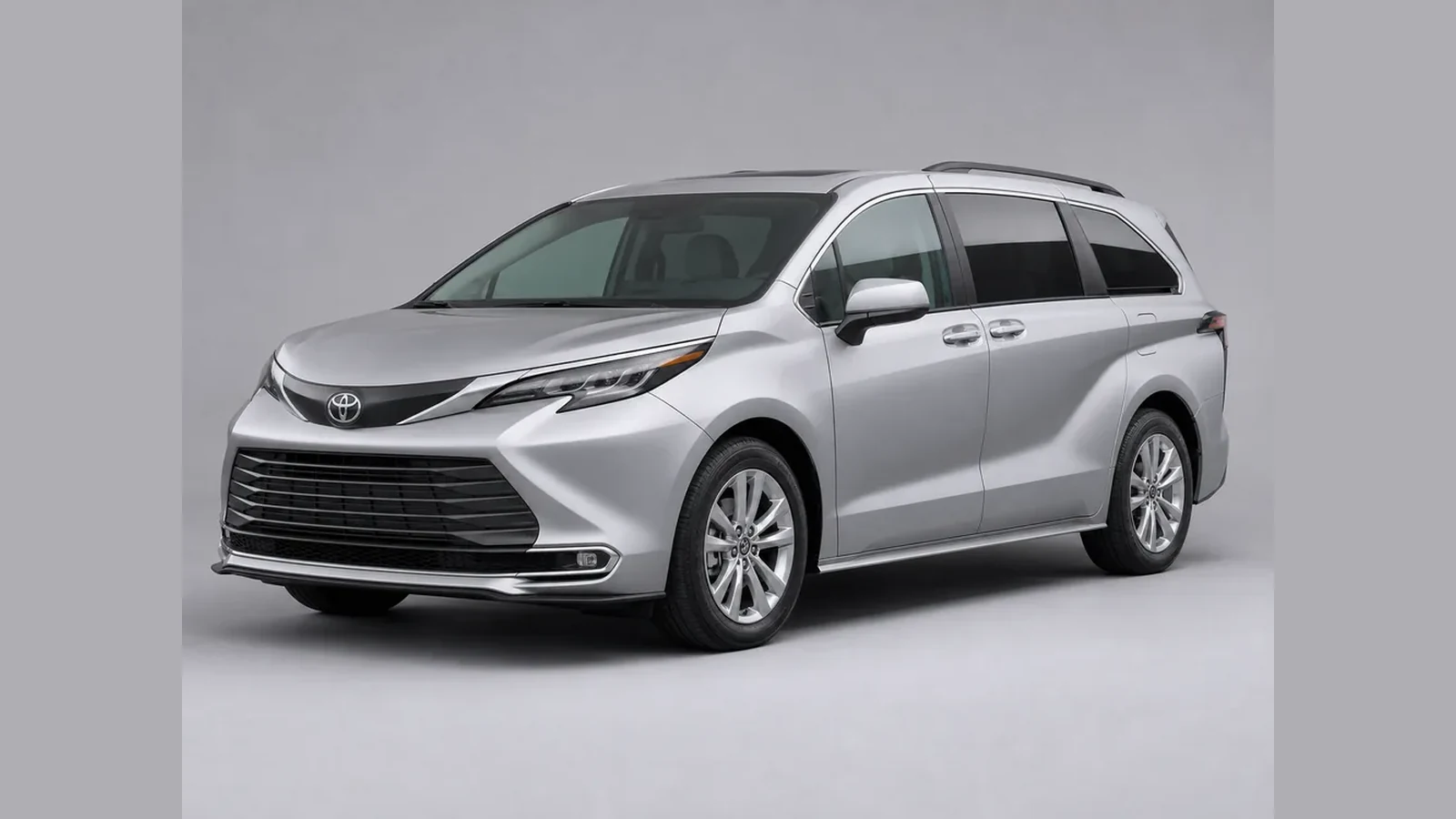
A third row changes what a vehicle is for.
Once you need to seat six or seven, the choice stops being about which car looks good in the driveway and becomes which one carries the whole group without punishing you at the pump or in a tight parking garage.
Two very different shapes wear the seven-seat badge, the minivan and the three-row SUV, and the right one depends on how often that back row actually fills up.
Who actually needs a third row
The honest first question is how many people you carry, and how often.
A couple with two kids almost never fills seven seats, and for them a 5-seater is roomier per passenger and cheaper to run.
The third row earns its keep when the seats are used most weeks, not twice a year.
Three groups genuinely need it.
Big families with three or more kids, parents who run the neighborhood carpool, and anyone who regularly hauls grandparents or friends along for the trip.
If your back row sits empty most days, you are paying to move air, and a two-row vehicle does the same daily job for less.
There is a middle case worth naming.
If you need seven seats only for occasional airport runs or holiday visits, look hard at a three-row where the rearmost bench folds flat, so you get cargo space the rest of the year and passengers when the family shows up.
Minivan or three-row SUV
This is the real decision, and image drives it more than logic.
The minivan wins on the things that matter with kids: sliding doors that clear a tight parking spot, a low floor that toddlers and older riders step into easily, and a genuinely usable third row that adults can sit in without folding themselves up.
Pros
- Minivan: sliding doors open in a narrow space with no door dings
- Minivan: low, flat floor for easy loading of kids, cargo, and car seats
- Minivan: the roomiest third row and the most cargo behind it
Cons
- Minivan: the styling many buyers still resist
- SUV: tighter third row and a higher step-in for small children
- SUV: usually costs more to buy and run for the same passenger count
The three-row SUV answers back with ground clearance, available all-wheel drive, and a shape buyers simply prefer to look at.
Those are real advantages if you drive rough roads or snowy winters.
But for pure people-moving, the minivan does the core job better, which is why it keeps a loyal following among parents who have owned both.
The Toyota Sienna as the worked example
The Toyota Sienna shows what a modern seven-seater can be, because Toyota builds it as a hybrid only.
There is no thirsty V6 option to tempt you, so every Sienna sips fuel the way a compact car does, an unusual thing in a vehicle this size.
That 36 mpg city figure is the headline.
Most three-row SUVs of the same size return low-to-mid 20s in town, so the Sienna can cut a family fuel bill close to in half without asking you to plug anything in or change how you drive.
A seven-seater that returns 36 mpg in the city is the exception, not the rule, and it is the single strongest reason to shortlist the Sienna.
Toyota also offers it with all-wheel drive, which closes much of the winter-traction gap that pushes families toward an SUV in the first place.
What the third row and cargo really give you
Space claims deserve a closer look, because a listed seven seats does not mean seven comfortable seats.
In most three-row SUVs the rearmost bench is sized for children or short trips, and putting adults back there for an hour is a stretch.
The minivan shape, with its long flat floor, is where the third row stays usable for grown-ups.
| Configuration | Passengers | Cargo behind |
|---|---|---|
| All three rows up | Six to seven | Groceries, a few bags |
| Third row folded | Four to five | A large weekly haul or road-trip luggage |
| Second and third folded | Two | Furniture, bikes, cargo-van duty |
The number that catches families out is cargo behind a raised third row.
With every seat up, most seven-seaters leave only enough room for a grocery run, not a week of luggage.
Plan around the space behind the last row raised, because that is what you live with when the whole family travels.
A vehicle that folds its third row flat, like the Sienna, buys back a huge cargo hold on the days you carry gear instead of people.
What a seven-seater costs to run
Bigger vehicle, bigger bills, in most cases.
A three-row is heavier than the family SUVs most people cross-shop, so it burns more fuel, wears larger tires, and carries a higher sticker.
Those costs are the price of the extra seats, and they are worth paying only if you use the seats.
Powertrain is the biggest lever you can pull against that math. A hybrid seven-seater turns the fuel penalty from painful into modest, which is exactly the trade the Sienna makes.
If you drive a lot of city miles with a full house, that 36 mpg saving repays the hybrid premium quickly and keeps repaying it for as long as you own the vehicle.
How we rank three-row vehicles
Every seven-seater profile here is scored on the measures that matter to a full car: real third-row room, cargo behind the raised rear seats, fuel economy with a load aboard, reliability history, and five-year cost to own.
We read EPA fuel-economy figures and NHTSA safety data alongside long-term reliability records, and a reviewing expert signs off on the buying advice before it goes live.
Start by being honest about how often that third row fills. If it is most weeks, weigh the Sienna against a three-row SUV on space and running cost.
If it is only now and then, a 5-seater will likely serve you better for less.
Frequently Asked Questions
Do I really need a seven-seater, or will five seats do?
Is a minivan or a three-row SUV better for a big family?
How is the Toyota Sienna so efficient for its size?
How much cargo fits behind the third row?
Are seven-seaters expensive to run?
Compare before you commit
Line up two cars you are cross-shopping side by side, then read the full research-first review before you buy.
Compare cars